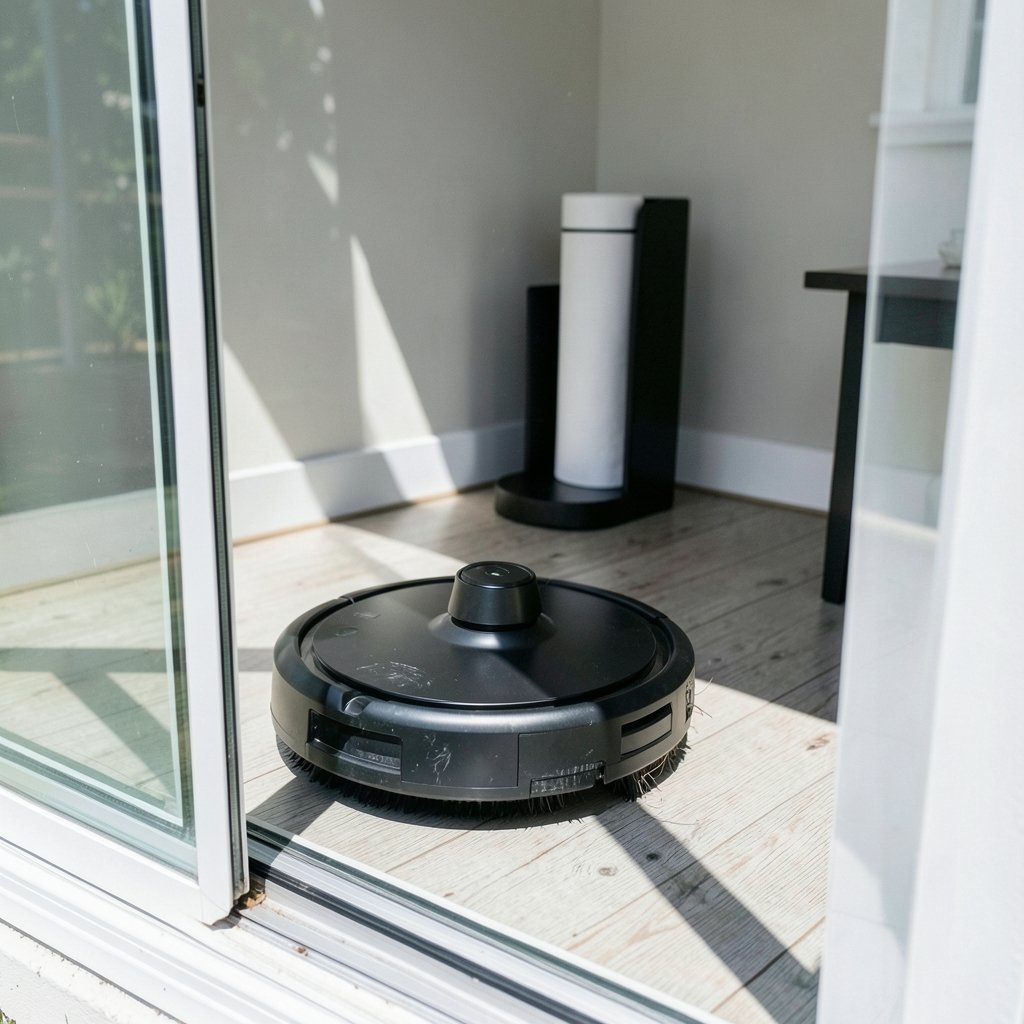
The first Roomba sold about 30,000 units in 2002. Two decades later, robot vacuums had become one of the most common smart-home devices on the planet. That arc matters, because it explains why the 2026 home robot market looks so strange: the boring category has matured into genuinely excellent hardware, while the exciting categories are still mostly demos.
That split is the whole story of buying a home robot right now. Some machines are worth the money and will quietly save you hours every week. Others are expensive science projects that will sit in a closet by March. This guide separates the two, explains what to actually look for, and flags the mistakes that trip up first-time buyers most often.
The Honest State of Home Robots in 2026
Three tiers define the market today.
Tier one: cleaning robots. Robot vacuums and vacuum-mop combos are the only home robots with a long track record, broad retail availability, and real competition driving prices down. Lidar navigation and self-emptying docks moved from premium features to mid-range expectations over the early 2020s. If you want one home robot that will genuinely change your week, this is the category.
Tier two: outdoor and task robots. Robot mowers have grown quickly, and boundary-wire-free models using GPS and vision started appearing around 2022 and 2023. They work well on simple, open lawns and struggle on cluttered, multi-zone properties. Pool cleaners and window cleaners sit here too: unglamorous, effective, and rarely reviewed.
Tier three: companion and humanoid robots. Social robots have a mixed record. Some earlier consumer companions were discontinued outright, and the consumer rollout of newer entrants has been limited. Humanoid home robots remain prototypes and pilot programs, not products you can buy and rely on. Treat any “humanoid butler” marketing with heavy skepticism.
The practical takeaway: buy from tier one, consider tier two if you have the right yard or pool, and wait on tier three. The rest of this article focuses on how to choose well within the tiers that actually deliver.
What Separates a Great Home Robot From an Expensive Paperweight
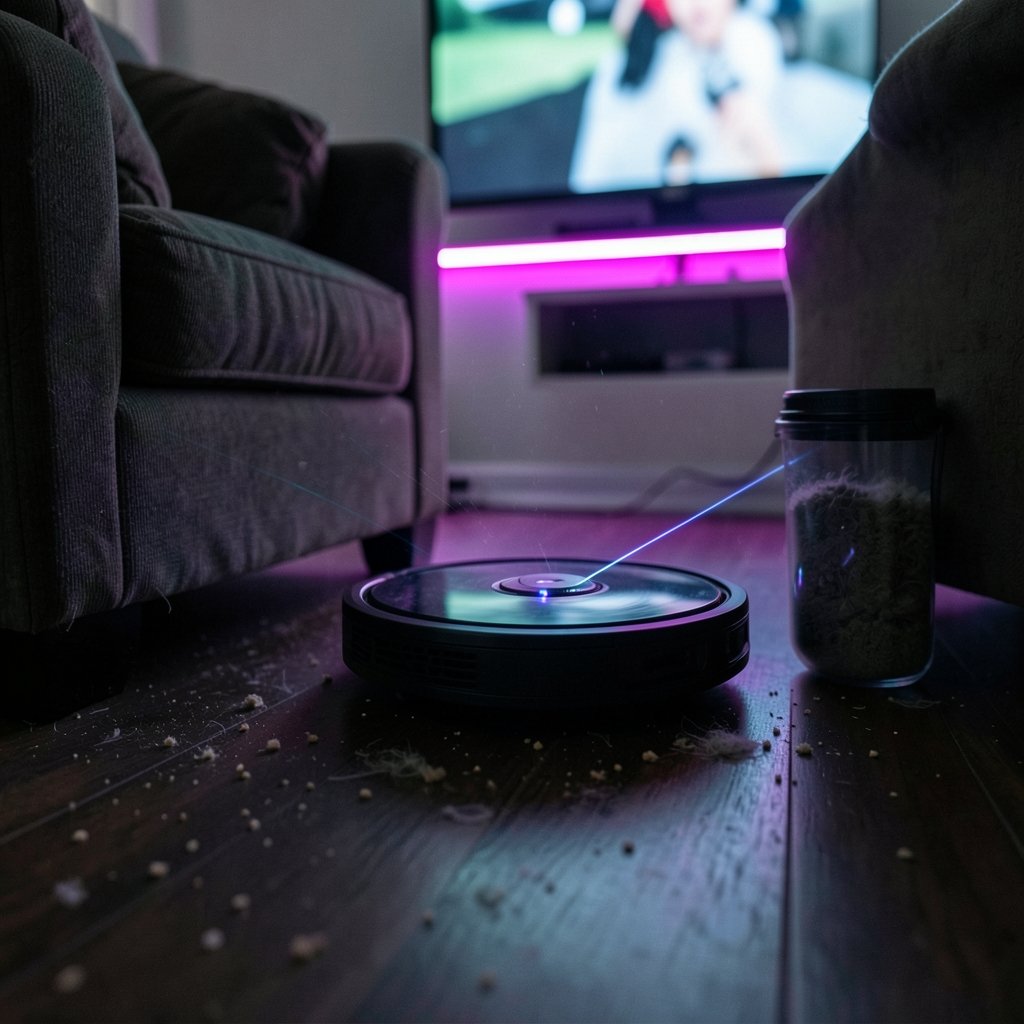
Spec sheets lie by omission. A vacuum rated at a huge suction number can still leave crumbs because its brush design is wrong. A mower with an impressive cutting width can still miss half your lawn because its navigation is weak. Here is what actually predicts satisfaction.
Navigation is the single biggest factor
Mapping quality determines whether a robot cleans your whole floor or wanders into the same corner six times. Lidar-based mapping is the most reliable approach for indoor robots. Camera-based systems can work well but depend heavily on lighting. For mowers, GPS plus vision is the emerging standard, and it works best on open, unobstructed lawns.
Self-emptying docks change the ownership experience
The dock is not a gimmick. Emptying a bin every single day is the task most likely to make you stop using a robot vacuum. A self-emptying base turns daily maintenance into a monthly chore. The trade-off is size, cost, and bags or canisters you have to buy.
Real-world performance diverges from claimed specs
Suction power measured in pascals and battery life measured in minutes are both easy to inflate in lab conditions. Carpet depth, pet hair volume, threshold height, and furniture layout all change results. Look for hands-on testing that runs robots in messy homes, not on clean tile.
Repairability and parts availability
A robot is a mechanical device with brushes, belts, filters, wheels, and batteries that wear out. Before buying, check whether replacement parts are sold separately and whether the battery is user-replaceable. A cheap robot with no parts channel becomes landfill in eighteen months. (Domestic robot)
A Practical Comparison by Category
| Category | Maturity | Typical Strengths | Typical Weaknesses | Who Should Buy |
|---|---|---|---|---|
| Robot vacuum | High | Reliable mapping, wide supply of replacement parts, wide price range | Struggles with cables, pet accidents, very deep pile | Almost every household |
| Vacuum-mop combo | Medium-high | One pass for two jobs, good on hard floors | Mop pads need cleaning, edge coverage varies | Homes with mostly hard flooring |
| Robot mower | Medium | Cuts weekly without effort, no clippings to bag | Struggles with complex lawns, theft risk outdoors | Simple, open yards |
| Pool robot | High | Genuinely labor-saving, mature tech | Expensive, needs storage | Anyone with a pool |
| Companion robot | Low | Novelty, some accessibility uses | Limited utility, uncertain long-term support | Early adopters only |
| Humanoid robot | Prototype | Demonstration value | Not a consumer product | Nobody, yet |
How to Choose Without Overpaying
Most buyers overspend on features they will never use and underspend on the features that matter daily. A simple decision sequence fixes this.
- Define the actual pain point. Is it pet hair on carpet, crumbs in a kitchen, or a lawn that eats your Saturday? Each points to a different category and a different set of specs.
- Measure your space honestly. Count rooms, note thresholds and rug heights, and check whether furniture sits high enough for a robot to pass under. A robot that cannot reach under your sofa is solving half your problem.
- Set a floor for navigation quality. Buy lidar or equivalent mapping, not random-bounce navigation. This is the one place where cutting cost hurts most.
- Decide on the dock. If you will not empty a bin daily, budget for self-emptying. If you will, save the money.
- Check the parts channel. Confirm filters, brushes, and batteries are sold separately and in stock.
- Buy for your floor type, not the marketing. Hard floors reward mop combos. Deep carpet rewards agitation and suction. Mixed homes need a compromise.
- Wait for a sale cycle if the price is close. Cleaning robots discount heavily around major shopping events, and the savings can be substantial. Timing a purchase around Black Friday car deals season is not the only way to shop smart, but the same discount logic applies to home tech.
Common Mistakes That Waste Money
Buying the top of the line for a small apartment. A flagship robot with a huge dock and multi-zone mapping is overkill for a studio. Mid-range models handle small spaces perfectly well.
Ignoring the dock footprint. Self-emptying bases are large. Measure the wall space before ordering, or you will be rearranging furniture to accommodate a plastic tower.
Skipping the pre-clean. The first run after setup should be a manual tidy. Cables, socks, and charging cords are the top cause of robot failures and tangles. Twenty minutes of prep prevents months of frustration.
Expecting a mop combo to replace mopping. They maintain hard floors well. They do not scrub grout or handle dried spills. If you want deep cleaning, keep a manual mop.
Trusting the first review you read. Cross-check at least two independent sources, and prefer reviewers who publish failure modes rather than unboxing glamour shots.
Forgetting about pets. Pet accidents are the single most damaging thing a robot can encounter. If you have an anxious pet, run the robot only when you are home for the first few weeks.
For buyers assembling a broader smart-home setup, it helps to think about the whole system. A robot vacuum pairs naturally with the kind of always-on monitoring covered in this guide to the best home security cameras 2026, and both benefit from a stable home network and a single control app.
Where the Category Is Heading
Two trends are worth watching, and neither requires buying anything today.
First, on-device intelligence is improving fast. Robots are getting better at recognizing obstacles like cables, pet waste, and socks instead of plowing through them. This is the most meaningful improvement in the category, because obstacle avoidance is what determines whether you can run a robot unsupervised. (Artificial Intelligence)
Second, the hardware is consolidating. The same handful of manufacturers build machines sold under many brand names, which means parts and software support are increasingly tied to a few platforms rather than dozens. That is generally good for repairability and bad for anyone who bought into a niche brand that later exits the market.
The broader consumer tech landscape shows the same pattern. Product lines that looked permanent can vanish quickly when a parent company changes strategy. Anyone who watched the Xbox layoffs and studio sales in 2026 understands how fast platform support can shift. Home robots are no different: buy from companies with a track record of shipping parts for older models.
There is also a quiet convergence happening. Robot vacuums, security cameras, and smart speakers are all becoming nodes in the same home network, and the companies that win will be the ones that make that integration painless rather than requiring four separate apps. If you are already comparing ecosystems, the same logic that applies to the best phones in 2026 applies here: the hardware matters less than the software support you get two years later.
What to Do This Year
If you buy one home robot in 2026, make it a vacuum with lidar mapping and, if your budget allows, a self-emptying dock. It is the most mature product in the category, the most likely to actually get used, and the easiest to repair. Add a mop combo if your home is mostly hard flooring. Consider a mower only if your lawn is open and simple. Skip the companion robots and humanoids entirely until they ship as finished products with a support commitment.
The pattern is consistent across every gadget category worth following: the boring product that solves a real daily problem beats the exciting product that solves a demo. A robot that empties itself while you are at work is not glamorous. It is just the one you will still be using in three years.
Frequently Asked Questions
Are home robots worth the money in 2026?
For cleaning, yes. Robot vacuums and pool cleaners have mature technology, available parts, and measurable time savings. For companionship and humanoid robots, no. Those categories are still early, and the money is better spent elsewhere until the products mature.
What is the most reliable type of home robot?
Robot vacuums have the longest track record and the widest competition, which drives both quality and repairability up. Robot pool cleaners are similarly mature. Both categories have established parts channels, which matters more than any single spec.
Do I need a self-emptying dock?
Only if you know you will not empty the bin yourself. The dock is the difference between a robot you use daily and one you abandon. If you are diligent about maintenance, skip the dock and save the money and floor space.
How much should I expect to spend?
Prices vary widely by category and region, and they move quickly around sale events. The more useful rule is to set a floor for navigation quality and buy the cheapest model that clears it. Spending more buys convenience features, not better cleaning.
Can a robot mower handle a complex lawn?
Usually not well. Boundary-wire-free mowers work best on open, unobstructed lawns with clear zones. Slopes, narrow passages, flower beds, and multiple separated areas all cause problems. Measure your lawn honestly before buying.
How long do home robots last?
It depends heavily on whether replacement parts are available and how often you replace consumables. Brushes, filters, and batteries wear out on a predictable schedule. A robot with available replacement parts can last many years; one without them becomes e-waste as soon as a belt snaps.
Conclusion
The 2026 home robot market rewards patience and punishes hype. Cleaning robots have quietly become genuinely good, with reliable mapping, self-emptying docks, and parts you can actually buy. Outdoor robots are close behind for the right properties. Companion and humanoid robots remain promises, not purchases.
The winning strategy is unglamorous: identify the chore you actually resent, buy the mature category that solves it, insist on good navigation, and confirm replacement parts exist before you pay. Do that, and the robot earns its floor space. Skip it, and you have bought a very expensive conversation piece.