
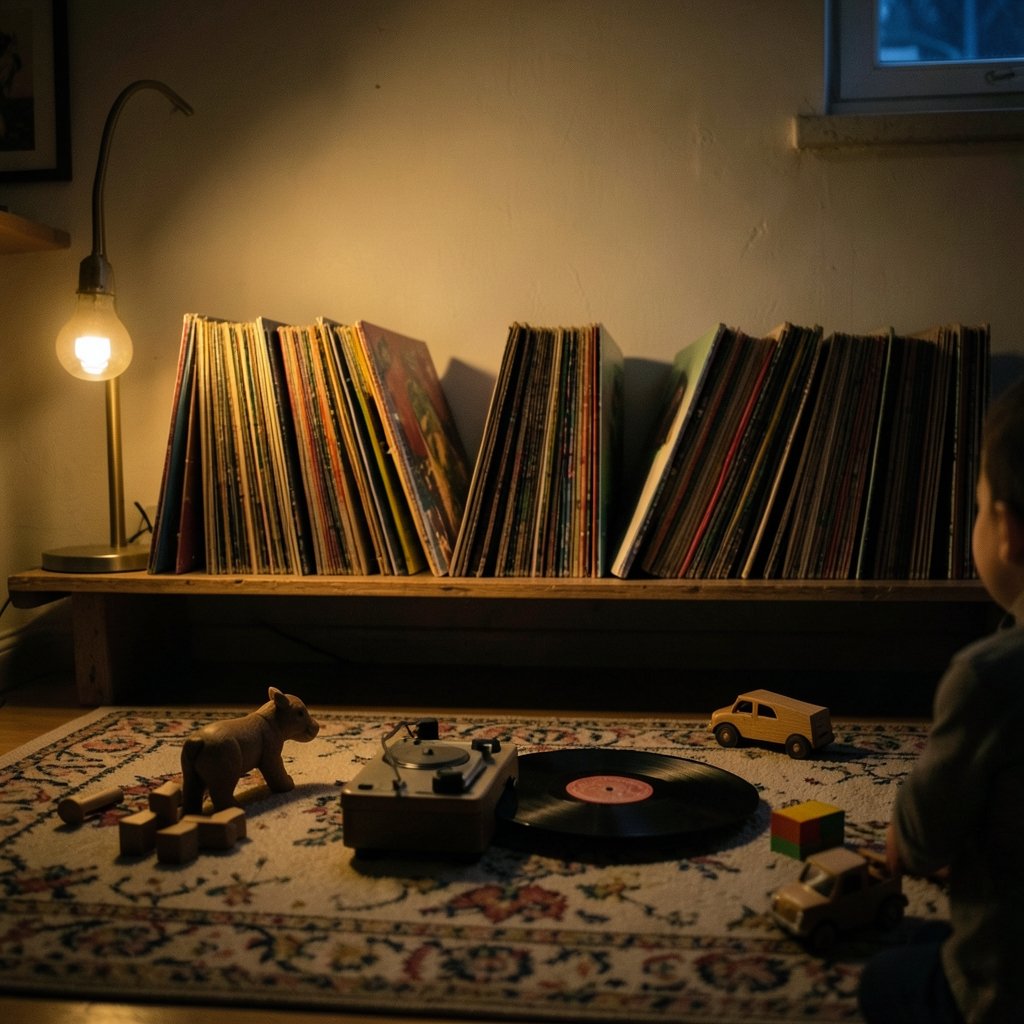
What if the reason jazz feels intimidating has nothing to do with the music and everything to do with where you start? Most people’s first jazz record is whatever happened to be playing in a coffee shop or a friend’s car, and that is a terrible way to meet a genre this wide. Jazz rewards a guided entry point. Pick the right eight records, listen in the right order, and the music opens up fast. (Jazz)
This guide skips the completist’s canon and focuses on albums that reward a first listen. Each pick below is here for a specific reason: a clear melody, a groove you can feel, a short track length, or a style that leads naturally into the next one.
Why Most Beginner Jazz Lists Fail
The classic mistake is starting with the most historically important record instead of the most welcoming one. A free-jazz blowing session from 1966 may be a masterpiece, but it asks a lot from ears that have not yet learned how to follow a horn player’s line. Importance and accessibility are different things, and beginners need the second one first.
A second mistake is treating jazz as one sound. It is not. Modal jazz, hard bop, big band, vocal jazz, and piano trio music all work differently, and a listener who bounces off one style may fall hard for another. Building a small, varied shelf beats buying ten albums from the same corner of the genre. (What is jazz?)
A third mistake: listening badly. Jazz is dense, and half-attention streaming on a phone speaker flattens it. The practical fix is unglamorous. Play one album three times in a week, once as background, once with headphones, and once while reading the track list. That single habit does more than any list.
The Eight Albums Worth Starting With

Kind of Blue by Miles Davis (1959)
If a beginner buys only one jazz record, this is the one. Recorded in 1959, Kind of Blue is modal jazz, meaning the soloists improvise over a small set of scales rather than a rapid chord sequence. That structure makes the music breathe. Nothing rushes. The tempos sit in a comfortable middle range, the melodies are singable, and the ensemble, featuring John Coltrane and Cannonball Adderley on saxophones and Bill Evans on piano, plays with unusual space.
The result is the rare album that satisfies deep listeners and total newcomers at once. Start with “So What,” then let “Blue in Green” slow everything down. Most accounts call it the best-selling jazz album of all time, though sales figures vary by source, so treat the superlative loosely. The listening experience needs no qualifier.
Time Out by The Dave Brubeck Quartet (1959)
Here is the hook that converts skeptics: unusual time signatures that still swing. Time Out is famous for “Take Five,” written in 5/4 time, and “Blue Rondo à la Turk,” built on a 9/8 rhythm. On paper that sounds academic. In practice, the grooves are so confident that most listeners tap along without noticing anything odd until someone points it out.
That makes it a superb second album. It teaches a beginner that rhythm can be playful without being difficult, and the piano-led arrangements keep the texture light. Exact release dates for the album vary between sources, but its 1959 vintage is not in dispute.
A Love Supreme by John Coltrane (1965)
Recorded in December 1964 and released in 1965, A Love Supreme is a four-part suite and one of the most direct spiritual statements in jazz. Beginners sometimes fear Coltrane because of his later, denser work. This record is the friendly doorway. The bass figure that opens it is instantly memorable, and the quartet locks into a groove that carries the whole suite.
Listen for how the saxophone repeats and reshapes a single melodic idea. That repetition is the point, and it gives new ears something to hold onto.
Maiden Voyage by Herbie Hancock (1965)
Recorded in March 1965, Maiden Voyage is modal jazz with a watery, floating quality that suits its title. Hancock’s chords shimmer, the solos stay melodic, and the whole record has a calm momentum. It is often recommended to beginners for the same reason Kind of Blue works: the harmony is rich but the structure is easy to follow.
It also bridges eras. Hancock played on some of the most important records of the 1960s and kept evolving afterward, so this album can serve as a launch point into soul jazz and fusion later.
Moanin’ by Art Blakey & the Jazz Messengers (1959)
Hard bop is jazz with blues in its bones and church in its rhythm, and Moanin’ is the style’s most welcoming calling card. Recorded in October 1958 and released in 1959, it opens with a theme so catchy it borders on cheeky, then hands the floor to a band of young players who would define the next decade.
For beginners, hard bop offers something modal jazz sometimes lacks: propulsion. The horns trade phrases, the drums push hard, and the energy never sags. If a listener finds Kind of Blue too calm, this is the corrective.
Ella and Louis by Ella Fitzgerald and Louis Armstrong (1956)
Instrumental jazz gets most of the attention, but vocal jazz is often the easiest entry of all, because the human voice gives the ear a melody to follow. Recorded in August 1956, Ella and Louis pairs two of the most recognizable voices in American music on a set of standards, backed by a small group led by Oscar Peterson.
The pleasure here is conversational. The two singers trade lines with obvious affection, and the songs are sturdy enough that a beginner already half knows them. Anyone who wants to understand what a “standard” is should start with this record.
Sunday at the Village Vanguard by Bill Evans Trio (1961)
Recorded live on June 25, 1961, this piano-trio date is the record to reach for when someone says they want something quiet to think to. The interplay between Evans, bassist Scott LaFaro, and drummer Paul Motian is the draw. The three players listen to each other so closely that the accompaniment becomes part of the melody.
Beginners often assume jazz means horns. Piano trio recordings prove otherwise, and this one is a masterclass in restraint.
Ellington at Newport by Duke Ellington (1956)
Big band music can feel like a wall of sound to new ears, so pick a live record where the crowd’s energy does half the work. Recorded on July 7, 1956, Ellington at Newport captures a band and an audience feeding each other. The long tenor saxophone solo by Paul Gonsalves is the moment most often cited, and it is genuinely thrilling even on a first listen.
This is also the album to play for someone who thinks jazz is background music. It is not, at least not here.
A Practical Listening Order
Order matters more than most lists admit. The sequence below moves from calm and melodic to rhythmic and energetic, which mirrors how ears usually open up.
| Step | Album | Why It Comes Here |
|---|---|---|
| 1 | Kind of Blue | Slow, spacious, easy melodies |
| 2 | Maiden Voyage | Same calm feel, richer harmony |
| 3 | Ella and Louis | Voices make standards familiar |
| 4 | Sunday at the Village Vanguard | Teaches listening to interplay |
| 5 | Time Out | Playful rhythm, still accessible |
| 6 | Moanin’ | Adds blues and drive |
| 7 | A Love Supreme | Rewards patience with repetition |
| 8 | Ellington at Newport | Big band payoff and live energy |
If you want a different on-ramp entirely, a genre-adjacent listening project can train the same ear. Many listeners build focus by working through something like the best jazz albums for beginners as a structured sequence rather than a random playlist. (Web application firewall explained beginners it blocks it)
What Actually Works in Practice
Three habits separate people who fall for jazz from people who bounce off it.
First, listen to one album repeatedly instead of sampling ten. Familiarity is the whole game. The third listen is where most people suddenly “get” a record that confused them the first time.
Second, follow the personnel. Jazz is a small world of collaborators, and tracing a sideman from one album to another is the most natural way to expand a collection. Notice a saxophone player you like on one record, then find the albums they led themselves.
Third, do not skip the bass. New listeners fixate on horns and piano, but the bass line is what holds modal and hard bop together. Try hearing the bass first on a single track, then let everything else come in around it.
Common mistakes are easy to name. Playing music through a laptop speaker in a noisy room hides exactly the detail that makes jazz interesting. Skipping the track list wastes context, since personnel and recording dates tell you what you are hearing. And forcing yourself to like a style because a list said so is pointless. If big band bores you, move on. The genre is large enough to meet you where you are.
A useful frame for the whole project: treat these records as a vocabulary. Every standard, every chord change, every rhythmic trick shows up again and again, so each album you learn makes the next one easier. That compounding effect is why a guided order beats random discovery.
Where to Listen and How to Explore Further
Access is no longer the barrier it once was. Streaming services carry most of these albums, and many public libraries offer music databases that cardholders can use for free, which is worth checking before paying for another subscription. Availability shifts over time, so confirm what your library actually offers.
For listeners who want to go deeper into how the music is built, the technical side is more approachable than it looks. Understanding a term like modal jazz or hard bop takes minutes and pays off across dozens of records. The same principle applies to almost any skill-based hobby: a small amount of background knowledge makes practice far more enjoyable, whether you are learning to hear a rhythm section or figuring out how to choose the right design tool as a beginner without drowning in options.
One more habit worth building early: read the liner notes. They explain what the band was trying to do, who wrote each tune, and why a session mattered. That context turns passive listening into something closer to a conversation.
Conclusion
The best jazz album for beginners is not a single record. It is whichever one you can play three times in a row without wanting to skip a track. For most people that will be Kind of Blue or Maiden Voyage, both calm and melodic enough to absorb on a first pass. From there, the path widens: hard bop for energy, vocal jazz for familiarity, piano trio music for quiet focus, big band for sheer scale.
Start small, listen repeatedly, follow the players, and let curiosity do the rest. Jazz has a reputation for being difficult. It is not difficult. It is dense, which is a different thing, and density rewards attention.
Frequently Asked Questions
What is the single best jazz album for a total beginner?
Kind of Blue by Miles Davis is the most common recommendation, and for good reason. Its modal structure keeps the harmony simple, the tempos are comfortable, and the melodies are easy to follow. It also rewards repeated listening, which matters more than raw accessibility.
Do I need to understand music theory to enjoy jazz?
No. Most jazz listeners never learn to read music. Familiarity with a few terms helps, such as modal jazz or hard bop, but the music is designed to be felt first. Theory is a bonus, not a ticket for entry.
Which jazz album should I pick if I usually listen to pop or soul?
Start with Ella and Louis for familiar standards, or Moanin’ if you want rhythm and blues feeling. Both give your ear recognizable handholds while introducing improvisation gradually. Vocal jazz is often the gentlest bridge from pop.
How many times should I listen to an album before deciding I like it?
Three listens is a fair test. Play it once as background, once with headphones and no distractions, and once while reading the track list. If it still does nothing after that, move on without guilt. Taste is not a moral obligation.
Is it worth buying these albums on vinyl or CD?
Only after streaming confirms you love them. Physical copies come with liner notes and credits that deepen the experience, and some pressings sound noticeably better. But buying before listening is how beginners end up with a shelf of records they never play.
What should I listen to after these eight albums?
Follow the players. If you liked the saxophone on one record, find the albums that player led. If the piano trio appealed, explore more live trio recordings. Personnel is the most reliable map from one great album to the next.



