
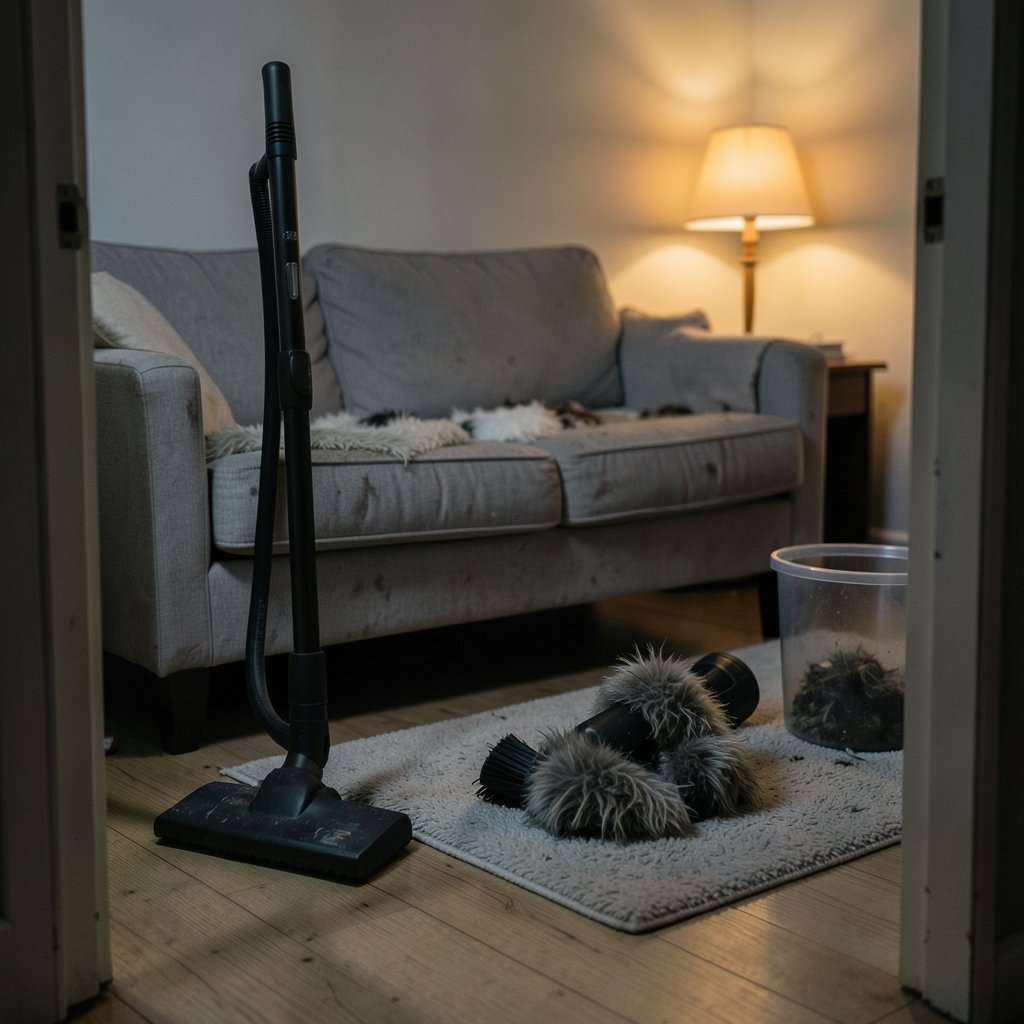
What if the thing standing between you and a fur-free couch isn’t suction at all? Ask most pet owners why their cordless vacuum struggles, and they’ll blame weak power. In reality, the brush roll, the runtime in high mode, and the size of the dustbin decide whether a vacuum survives a shedding dog or a long-haired cat. That gap between marketing and real life is where most buying mistakes happen.
This guide cuts through the spec sheets. It covers what actually matters for pet hair, how to compare models honestly, and the habits that separate a vacuum that lasts three years from one that dies in eighteen months.
Why suction numbers mislead pet owners
Suction is the headline number on every box, but it tells only part of the story. Pet hair creates two separate problems: loose fur on hard floors and carpet, and hair wrapped tightly around a spinning brush. Strong airflow helps with the first. Only brush design and torque help with the second.
A vacuum with enormous suction and a standard bristle roller will still clog with long hair within weeks. The bristles grab hair, hair mats down, and the roller stops gripping carpet fibers. That’s why anti-tangle brush bars with rubber blades, comb fins, or opposing rollers have become the main design feature marketed for pet households. The trend has been building since roughly 2019 and is now standard across most major brands.
The practical takeaway: when comparing two models, look at the brush roll first and the suction rating second. If a listing doesn’t clearly describe a tangle-resistant roller, assume it’s a conventional bristle brush.
The runtime trap nobody mentions on the box
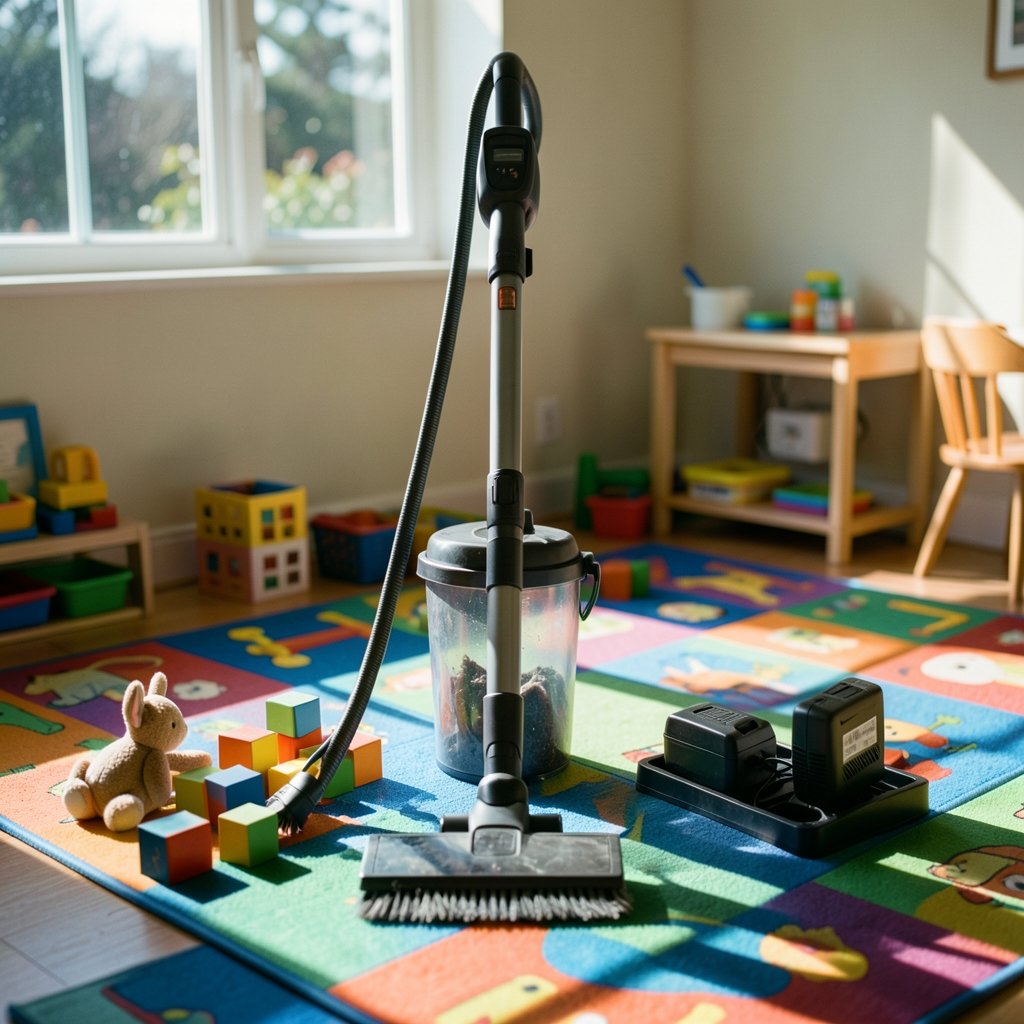
Here’s a pattern that repeats across nearly every cordless vacuum launched in recent years. The advertised runtime, often 40 to 60 minutes or more, is measured in the lowest power setting, usually with a non-motorized tool attached. Switch to high power with a motorized pet tool, and runtime can drop to roughly 5 to 15 minutes.
That’s not a scam, but it is a trap for anyone who buys based on the big number. A vacuum rated for 60 minutes might clean one room thoroughly before needing a recharge. For a single apartment with one cat, that’s fine. For a two-story house with two golden retrievers, it’s a daily frustration.
How to compare runtime fairly
Use a simple three-step approach before buying:
- Find the runtime quoted for the high or boost mode, not eco mode, in the manual or spec sheet.
- Check whether that figure includes a motorized brush tool, since powered heads drain batteries faster.
- Multiply the high-mode runtime by the number of rooms you actually need to clean in one session.
If the math doesn’t work, the vacuum is the wrong fit regardless of how good the reviews are. A spare battery can solve this, but only if the model has a user-replaceable battery. Some premium cordless vacuums allow swapping; others seal the pack inside the body permanently.
Batteries, lifespan, and the repairability question
Most premium cordless vacuums run on lithium-ion packs, which is a mature, well-understood technology. The real variable is whether you can replace the pack yourself. Sealed batteries shorten a vacuum’s useful life, because the battery typically degrades before the motor does.
Repairability has become a genuine consumer concern, with right-to-repair attention growing in both the EU and the US around 2023 and 2024. For buyers, this translates into one practical question at checkout: can I order a replacement battery and swap it with a screwdriver? If the answer is no, factor the shorter lifespan into the price.
Spare parts availability matters too. Filters, brush rolls, and belts wear out. A brand that sells these individually keeps a vacuum running for years. A brand that only sells complete assemblies turns a small failure into a replacement purchase.
Dustbin size: the small-capacity reality
Cordless models typically hold around 0.3 to 0.7 liters. That’s small. Heavy-shedding pets fill a bin fast, sometimes mid-room, which means stopping to empty it repeatedly.
This is the clearest trade-off between cordless stick vacuums and corded uprights. Cordless wins on convenience, stairs, and quick cleanups. Corded wins on capacity and uninterrupted runtime. Many pet households end up with both: a cordless for daily touch-ups and a corded or robot unit for deep weekly cleaning.
If a robot handles the floors, it’s worth understanding how those machines handle the same challenges. Solutions for mopping models are covered in this look at robot vacuum cleaning solution alternatives that actually work, and hair wrap is a known weak point examined in this guide to robot vacuum long human hair that actually works. The same physics applies to handheld sticks: hair wraps, rollers stall, and cleaning becomes a chore.
Filtration claims and allergy sufferers
Pet households often include someone with allergies, which makes filtration a real buying criterion rather than a marketing nicety. The problem is that “HEPA” has no single universal consumer-facing standard. Claims range from genuine HEPA H13 classification under EN 1822 to vague “HEPA-like” language that means very little.
The fix is simple: check the manufacturer’s stated standard, not the badge on the box. If a listing says HEPA without naming a classification or test standard, treat the claim as unverified. Independent verification of filtration claims is rare, so caution is warranted.
In practice, a sealed system with a decent pre-filter and a washable main filter handles most pet homes well. Washable filters also cut long-term costs, provided you actually wash them on schedule. A clogged filter reduces suction more than most people realize, and it’s one of the most common reasons a vacuum “suddenly loses power.”
Weight, handheld mode, and the places pet hair hides
Pet hair doesn’t stay on the floor. It collects on stairs, in car seats, on pet beds, and along baseboards. That’s why handheld conversion matters more than raw cleaning power for many buyers.
Cordless stick vacuums typically weigh between 1.5 and 3.5 kilograms. Lighter models are easier to lift overhead for cobwebs and easier to carry up stairs. Heavier models often feel more solid and hold bigger bins, but fatigue sets in during long sessions.
Before buying, test the handheld configuration in your head: can you detach the wand, attach the crevice tool, and reach the gap between the car seat and the door? If the answer requires a manual and two hands, you’ll stop bothering after a month.
Noise: why decibel claims don’t compare
Brands publish decibel ratings, but there’s no standardized measurement across the industry. One brand might measure from a meter away at ear height; another measures at the motor. Cross-brand comparisons are unreliable, and the research consensus is to treat dB claims cautiously.
What matters practically is whether the vacuum scares your pet. Most cordless sticks run quieter than corded uprights, which helps. If noise is a dealbreaker, look for models with a genuinely quiet low setting and use high power only for spot cleaning. Pet anxiety around vacuums is real, and it’s worth reading up on how air quality devices affect animals too, as covered in this piece on whether an air purifier for pet birds actually works or can harm them — the same caution about noise and airflow applies to vacuum placement near cages.
What independent testing reveals that brands won’t
Brand specs are written by marketing departments. Independent testing bodies run standardized pickup tests on carpet and hard floor with real pet hair, and their results often diverge from the box claims.
The methodology varies between testers, so read the test description rather than the score alone. A vacuum that excels on hard floor with scattered kibble may struggle with embedded hair on low-pile carpet. Look for tests that measure pet hair pickup and tangle resistance rather than general cleaning alone.
For households juggling both vacuuming and mopping, combo machines add another layer of complexity. This breakdown of the best robot vacuum mop combos that actually clean floors explains where those hybrids succeed and where they fall short, which helps set realistic expectations for any cordless purchase.
Common mistakes pet owners make
A few errors show up again and again, and each one is avoidable.
Buying on suction alone. The brush roll decides pet-hair performance. A tangle-resistant roller with moderate suction beats a vacuum with high suction and a bristle brush.
Ignoring high-mode runtime. The eco-mode figure on the box rarely reflects real cleaning sessions with a motorized pet tool.
Skipping the filter schedule. Washable filters need cleaning every few weeks in pet homes. Neglecting this is the single most common cause of declining performance.
Overfilling the bin. Pet hair compacts. Emptying at two-thirds full keeps airflow strong and prevents clogs at the inlet.
Not checking spare parts. Before buying, confirm that filters, brush rolls, and batteries are sold separately. It’s a five-minute check that extends the vacuum’s life by years.
Forgetting the tools. Upholstery tools and crevice tools matter as much as the main head for pet beds, sofa seams, and car interiors.
Matching the vacuum to your pet and home
The best cordless vacuum for pet hair depends on three variables: coat type, floor mix, and home size.
| Household situation | Priority feature | Why it matters |
|---|---|---|
| Long-haired cat or dog | Anti-tangle brush roll | Prevents hair wrap and roller stall |
| Mostly hard floors | Strong airflow, soft roller | Lifts loose fur without scattering |
| Wall-to-wall carpet | Motorized brush with high torque | Agitates embedded hair |
| Multi-story home | Lightweight body, spare battery | Reduces fatigue and downtime |
| Heavy shedding, large home | Large bin, replaceable battery | Fewer interruptions, longer lifespan |
| Allergy sufferer | Verified filtration standard | Reduces fine particle recirculation |
A short-haired dog on hard floors needs something very different from a long-haired cat on carpet. Matching the tool to the job beats chasing the highest spec sheet number every time.
Practical habits that keep a cordless vacuum working
Maintenance is unglamorous but decisive. Cut wrapped hair off the brush roll every couple of weeks with scissors or a seam ripper. Rinse washable filters and let them dry fully before reinstalling, since a damp filter breeds odor. Empty the bin after every session in heavy-shedding homes. Store the vacuum on its dock so the battery stays topped up, but avoid leaving it on charge indefinitely if the manual advises against it.
These habits cost minutes and save replacement costs. Most “failing” cordless vacuums in pet homes are actually clogged, tangled, or running on a dirty filter.
If a wheel or brush jams, don’t force it. This guide to fixing a robot vacuum wheel stuck error fast covers the same diagnostic logic that applies to stick vacuums: clear the obstruction, check the brush ends, and test before reassembling. And if you’re weighing cordless sticks against other formats, this comparison of the best vacuum mop combo options helps clarify which category suits daily pet-hair duty. For homes where fur is the dominant mess, this roundup of the best vacuums for pet hair is a useful cross-check.
Conclusion
The best pet cordless vacuum isn’t the one with the biggest suction number or the longest eco-mode runtime. It’s the one whose brush roll resists tangles, whose high-mode runtime covers your actual floor plan, whose bin you can empty without cursing, and whose battery and filters you can replace yourself.
Start with the brush roll. Check the high-mode runtime with a motorized tool attached. Confirm spare parts exist. Then weigh bin size and weight against your home. Do that, and the vacuum you choose will still be earning its keep long after the marketing claims have faded.
Frequently Asked Questions
What is the most important feature for a cordless vacuum used with pets?
The brush roll. Anti-tangle rollers with rubber blades or comb fins prevent hair wrap, which is the most common failure point in pet homes. Suction matters, but a vacuum with high suction and a standard bristle brush will still clog with long fur.
How long does a cordless vacuum actually run on high power?
Typically around 5 to 15 minutes with a motorized pet tool attached, though this varies by model. Advertised runtimes of 40 to 60 minutes are usually measured in the lowest power setting with a non-motorized tool. Always check the high-mode figure before buying.
Can I replace the battery in a cordless vacuum?
Some models allow user replacement and some seal the battery inside the body. Check the manual or product listing before purchasing. A replaceable battery significantly extends the vacuum’s useful life, since batteries usually degrade before motors do.
Is HEPA filtration necessary for pet owners with allergies?
It helps, but verify the claim. “HEPA” has no single universal consumer standard, and “HEPA-like” marketing is common. Look for a named classification such as HEPA H13 under EN 1822, and remember that a sealed system with a clean filter performs better than a dirty one with a premium badge.
How often should I clean a cordless vacuum filter in a pet home?
Every few weeks is a reasonable baseline for heavy-shedding households. Washable filters should be rinsed and fully dried before reinstalling. A clogged filter is one of the most common reasons a vacuum appears to lose suction.
Why does my cordless vacuum keep shutting off during pet hair cleaning?
The most likely causes are an overfilled bin, a clogged filter, or hair wrapped around the brush roll triggering an overload sensor. Empty the bin at two-thirds full, clean the filter, and cut away wrapped hair. If the problem persists, check for a jammed brush or wheel before assuming the motor has failed.



