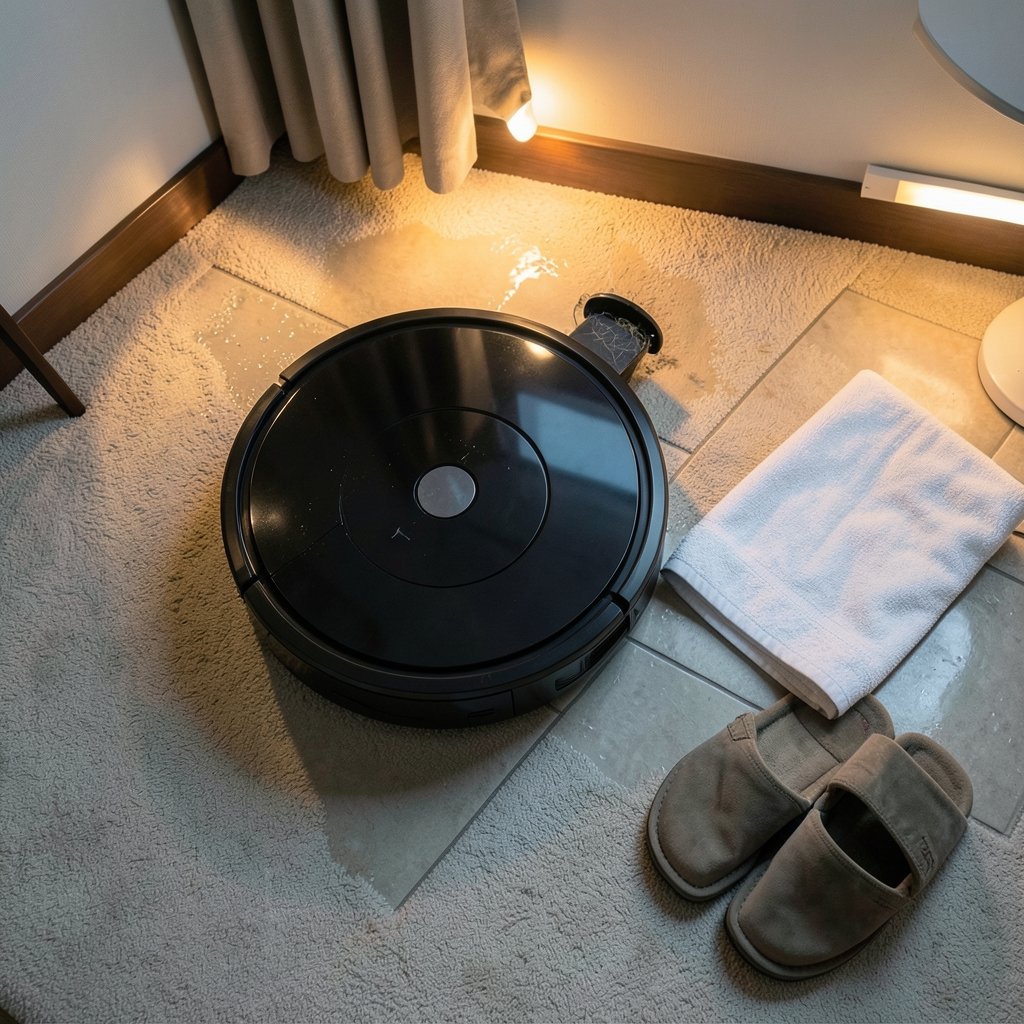
Roughly one in five U.S. households now owns a robot vacuum, and a growing share of those machines also mop. That shift matters because mopping is where most people burn out: scrubbing kitchens and bathrooms by hand is the chore that never ends. A robot that vacuums and then wipes the same floor in one pass sounds like the obvious fix. In practice, the category splits sharply between machines that genuinely mop and machines that just drag a damp cloth around.
This guide walks through what separates the good from the gimmicky, which features earn their price, and the mistakes buyers make most often. It stays honest about the limits too, because no robot mop replaces a real scrub brush on a grimy grout line.
How Robot Mop Combos Actually Work
Every combo machine pairs a vacuum with one of three mop designs. The design determines almost everything about performance.
Vibrating pads scrub back and forth at high frequency. They lift sticky spots better than a passive cloth, but the pad stays small and needs frequent replacement.
Rotating dual pads spin against the floor, mimicking a handheld scrubber. These handle dried spills best, and the top models lift the pads when they detect carpet so the rug does not get soaked.
Single damp cloths are the budget option. They smear light dust but struggle with anything stuck on. If a listing advertises mopping with no mention of vibration or rotation, assume it is a cloth drag.
The dock matters as much as the mop head. Early combo docks only charged the robot. Current premium docks empty the dustbin, wash the mop pads, refill the water tank, and blow warm air through the pads to dry them. That drying step is not a luxury: damp pads left in a closed dock grow a smell that no amount of cleaning spray fixes. (Indoor Air Quality)
What Separates a Good Combo From a Bad One
A few specifications decide whether a combo earns its place in a home. Suction ratings in pascals get all the marketing attention, but they are not comparable across brands because every manufacturer measures differently. A 6,000 Pa machine from one company may clean no better than a 4,000 Pa machine from another. Treat the number as a rough tier, not a ranking.
More useful is how the robot handles transitions. A combo that drags a wet pad onto a carpet leaves a damp stripe that takes hours to dry and can stain wool. The fix is a lift or retract mechanism, and it is the single feature most worth paying for in a mixed-floor home.
Run time and tank size matter more than most buyers expect. A 180-minute battery rating is usually measured on the quietest setting with the mop off. Real cleaning on maximum suction with the mop running often lands closer to 60 to 90 minutes. In a large open-plan home, that means the robot may need a mid-job recharge before it finishes.
Obstacle avoidance is the other quiet dealbreaker. Cameras and lidar sensors let a robot spot cables, socks, and pet bowls. Cheaper machines rely on bumpers and will happily swallow a charging cord, jam, and stop mid-clean. If the floor is cluttered, spend the money on navigation.
A Practical Comparison of Combo Types
| Type | Best for | Strengths | Watch-outs |
|---|---|---|---|
| Budget combo (cloth mop) | Small apartments, light dust | Low price, simple setup | Smears spills, no carpet detection |
| Mid-range vibrating pad | Mixed flooring, daily upkeep | Lifts pads on carpet, decent scrubbing | Small pads wear out, mediocre on grout |
| Premium rotating pads with self-wash dock | Large homes, pets, hard floors | Strong scrubbing, hands-off maintenance | High price, bulky dock, needs plumbing access |
| Vacuum-first hybrid | Carpet-heavy homes | Excellent suction, mop as bonus | Weak mopping, small water tank |
The pattern is consistent: the more a machine invests in mopping, the more it costs, and the more dock space it demands. Buyers with mostly carpet should flip the priority and put suction first.
Matching the Machine to Your Floor
The right combo depends on the ratio of hard floor to carpet, and on who else lives in the house.
Hard floors throughout. Rotating pads with a self-washing dock are the clear winner. Daily mopping keeps grit from scratching wood and tile, and the dock handles the dirty work. Pair it with a look at the best vacuum mop combo roundups to see which docks actually dry their pads.
Mostly carpet with a kitchen and bath. A strong vacuum with a liftable mop is the smarter buy. Carpet needs deep suction, and the mop only has to handle two rooms. The best vacuum for carpet comparisons are a better starting point than mopping-focused lists.
Pets in the house. Fur changes the math. Pet hair wraps around rotating mop pads and clogs small water lines, so brush design and a self-emptying bin matter more than scrubbing power. Guides to the best robot vacuums for pet hair cover the brush and filter details that keep a combo from tangling.
Small apartments. A mid-range vibrating-pad model is plenty. The dock footprint of a premium machine can eat a quarter of a small kitchen, and the extra scrubbing power rarely gets used.
Features Worth Paying For, and Features That Are Noise
Some upgrades pay off within months. Others exist to fill a spec sheet.
Worth it:
- Mop lifting or retracting. Prevents soaked carpets and is the difference between a usable combo and a frustrating one.
- Self-emptying dock. A robot that empties itself for weeks saves real time, especially with shedding pets.
- Pad washing and drying. Eliminates the sour smell that builds on damp pads.
- Lidar or camera navigation. Lets the robot clean in neat rows instead of wandering, and saves it from cords.
Skip or deprioritize:
- Ultra-high suction claims. Beyond a certain point, the gain is marginal and the noise is not.
- App-only controls with no physical button. Fine until the Wi-Fi drops.
- Voice assistant support as a headline feature. It is convenient, not transformative.
- “Self-cleaning” without specifics. Check what the dock actually washes. Some rinse the pad; fewer scrub and dry it.
Common Mistakes Buyers Make
The same errors show up again and again in owner complaints and return data.
Buying on suction alone. A 10,000 Pa vacuum with a cloth mop is a mediocre mop. Decide which job matters more before comparing numbers.
Ignoring dock clearance. Premium docks need several feet of open wall, a power outlet, and often a water line. Measure before ordering. A dock that does not fit gets returned.
Skipping the pre-clean. Robots mop clean floors well and dirty floors poorly. The first pass on a neglected kitchen usually needs a manual scrub, after which the robot maintains it.
Forgetting maintenance. Mop pads need replacement every few months. Water tanks grow film if left full. Filters clog. A combo that is not maintained cleans worse than a cheap vacuum that is.
Expecting edge cleaning. Most mop pads cannot reach the last inch along a baseboard. Corners stay a manual job on every model.
What the Robot Cannot Do
Honesty helps here. No combo scrubs grout, lifts dried paint, or handles a flooded bathroom. Mopping robots excel at maintenance: keeping a clean floor clean with daily passes of water and light agitation. They are poor at remediation.
The same limit applies to stairs and tight bathrooms, where a handheld tool still wins. Many owners keep a lightweight stick vacuum for stairs and a mop for the worst spots, using the robot for the daily grind in between. That division of labor is realistic. Expecting one machine to replace every cleaning tool leads to disappointment. (Robotic vacuum cleaner)
There is also a security angle worth a mention. Camera-equipped robots map a home in detail, and that data lives in an app. Buyers should check privacy settings, enable two-factor authentication, and confirm what the manufacturer does with map data. It is a small step that most people skip.
How to Test a Combo in the First Week
The return window is the best testing ground. A few deliberate checks reveal whether a machine fits.
- Run it on bare hard floor with a light dusting of flour. Look for streaks and missed strips. Even coverage means the navigation is working.
- Place a small rug in its path. Confirm the mop lifts or retracts before crossing. A wet stripe means trouble.
- Scatter a few cables and a sock. Watch whether it navigates around them or eats them.
- Check the dock after three runs. Look for standing water, pad odor, and how full the dustbin gets.
- Time a full clean on maximum settings. Compare it to the advertised run time and note whether it finished the mapped area.
These five checks catch most fit problems before the return window closes.
Conclusion
The best robot vacuum mop combo is not the one with the biggest suction number or the flashiest dock. It is the one that matches the floor it will actually clean. Homes with mostly hard flooring and pets benefit most from rotating pads, a self-washing dock, and strong navigation. Carpet-heavy homes should weight suction and brush design first and treat mopping as a bonus.
Buyers who set realistic expectations get the most from these machines. A combo maintains a clean floor beautifully and saves hours every week. It does not replace a scrub brush for grout or a handheld vacuum for stairs. Choose for the daily job, measure the dock space, test hard in the first week, and keep the pads and filters fresh. Do that, and the machine earns its counter space.
Frequently Asked Questions
Do robot vacuum mop combos actually clean floors well?
They clean maintained floors well and struggle with neglected ones. Daily passes of water and light scrubbing keep kitchens and bathrooms fresh. Dried spills and grout need manual attention. Rotating-pad models scrub noticeably better than cloth-mop models.
Can a robot mop clean carpets?
No. Wet pads should never cross carpet. The best combos lift or retract the mop when they detect rugs, which protects the fibers. Machines without that feature will leave damp patches that can stain wool and take hours to dry.
How often should mop pads be replaced?
Most manufacturers recommend replacement every one to three months, depending on use. Pads that stay damp, smell sour after washing, or stop absorbing water are past their life. Rotating pads tend to wear faster than vibrating ones because of the friction.
Is a self-emptying dock worth the extra cost?
For homes with pets or heavy shedding, yes. It removes the most frequent manual task and keeps the robot running for weeks. For light-shedding households, the base dock is fine and saves money and floor space.
Do these machines work in the dark?
Lidar-based robots map and navigate without light, so they clean fine at night. Camera-based models need some illumination to spot obstacles. If nighttime cleaning matters, check which sensor type the model uses before buying.
How much maintenance does a combo need each week?
Plan on a few minutes weekly: rinse or replace pads, refill the water tank, clear hair from brushes, and check the filter. Docks with pad washing cut the work but still need occasional cleaning of the wash tray to prevent buildup.