
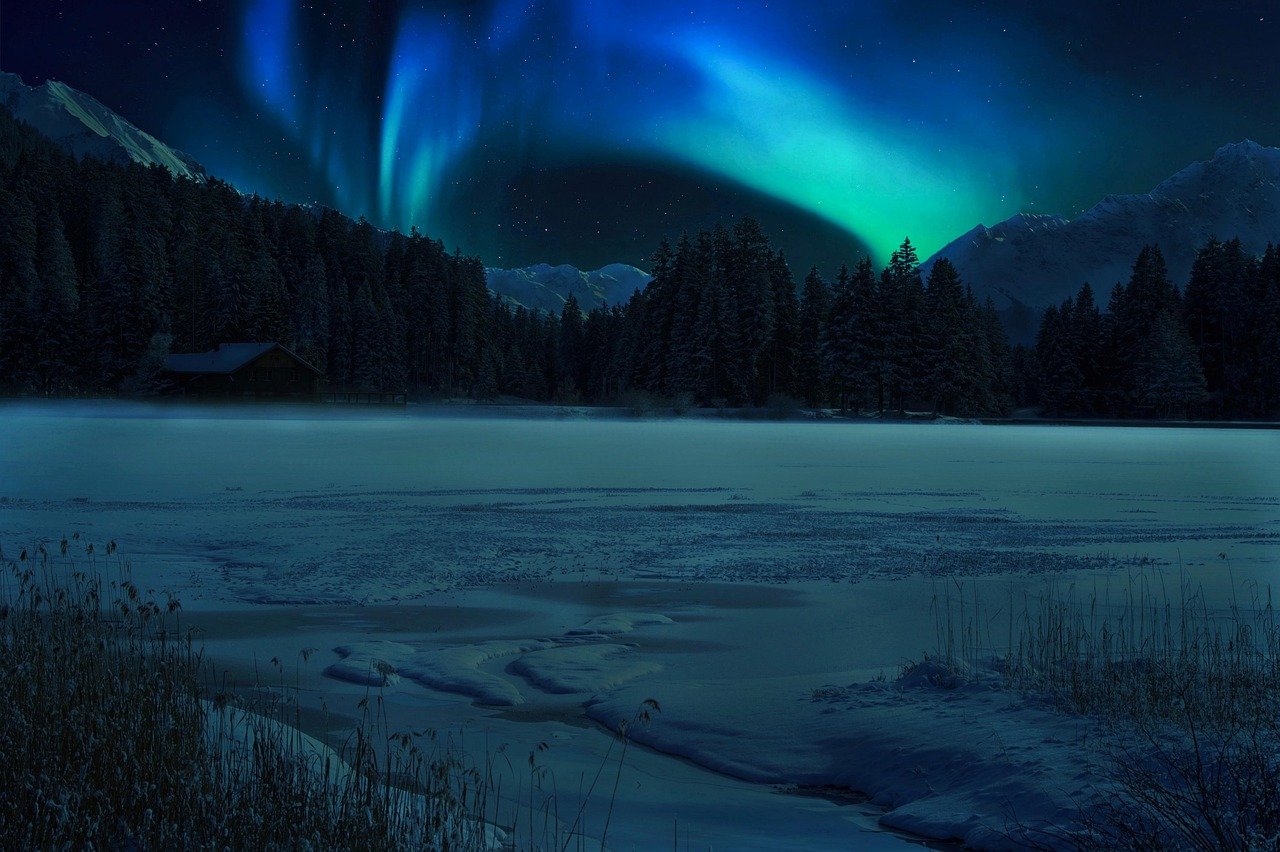
What if the sky itself could put on a show so strange that people cry, gasp, or forget they’re standing in minus-20-degree weather? That’s what happens under a strong aurora. The northern lights, or aurora borealis, are one of the few natural sights that genuinely live up to their reputation. But here’s the catch that catches almost every first-time aurora chaser: the “best place” isn’t a single spot on a map. It’s a combination of latitude, darkness, clear weather, and timing, and getting all four to line up takes more planning than most travel guides admit. (Aurora (Wikipedia))
This guide breaks down the destinations that consistently deliver, why they work, and what actually improves your odds once you’re there.
What Actually Makes a Place Good for Auroras
Before naming destinations, it helps to understand what you’re optimizing for. Auroras form when charged particles from the sun collide with gases in Earth’s upper atmosphere, exciting them into glowing. That activity clusters in an auroral oval, a ring-shaped band around the geomagnetic poles. The oval isn’t fixed. It swells and shifts toward the equator during geomagnetic storms, which is why a mediocre location can suddenly light up on a strong night and a prime location can stay dark on a weak one.
Four practical factors matter most:
- Magnetic latitude. Being under or near the auroral oval beats being merely far north. Cities at similar latitudes can have very different odds.
- Darkness. You need dark skies and a dark season. Above the Arctic Circle, polar night (roughly late November to mid-January) delivers long viewing windows, while summer is useless because of the midnight sun.
- Clear weather. Cloud cover is the single most common reason people miss the lights. A cloudless night at a modest location beats a stormy night at a famous one.
- Light pollution. City glow washes out all but the strongest displays. You need to get away from streetlights, ideally 20 to 30 minutes outside town.
One more point that surprises people: the lights don’t need to be overhead. A strong aurora can be visible low on the northern horizon from surprisingly far south. Chasing the “best” location matters less than being somewhere dark, clear, and patient.
The Strongest Northern Lights Destinations
Tromsø and the Norwegian Arctic
Tromsø sits right in the auroral zone and benefits from a mild coastal climate, which keeps temperatures bearable compared with inland options. It’s a full-service city with tours, observatories, and easy access to dark coastal spots. The trade-off is coastal cloud cover, so flexible itineraries matter. Farther north, Svalbard offers total darkness in winter but sits so far north that it’s often outside the main oval, which is a genuine quirk worth knowing before booking.
Abisko and Kiruna, Sweden
Abisko has a reputation built on a real meteorological feature: the surrounding mountains create a rain-shadow effect that leaves it with statistically clearer skies than much of the region. Kiruna adds ice hotels, dog sledding, and reliable winter infrastructure. For travelers who want the best odds without sacrificing comfort, Swedish Lapland is a strong, balanced choice.
Finnish Lapland: Rovaniemi, Ivalo, and Saariselkä
Finland leans into aurora tourism hard, with glass igloos, heated viewing cabins, and guides who read forecasts professionally. Rovaniemi is the accessible entry point; Ivalo and Saariselkä are farther north and darker. The main caution is that the igloo experience is often more about the accommodation than the sky. If clouds roll in, you’ll want a backup plan and a vehicle or guide.
Fairbanks, Alaska
Fairbanks is one of the most reliable aurora cities in the world, sitting directly under the oval with cold, dry, frequently clear winter air. It’s less scenic than a fjord, but the odds are excellent. Nearby Chena Hot Springs pairs soaking with sky-watching, and the region’s interior climate means fewer coastal clouds than you’d get in Anchorage.
Yellowknife, Canada
Yellowknife is flat, cold, and sits almost directly under the auroral oval. Its terrain is dotted with lakes, so a short drive can get you into total darkness. Winter temperatures are brutal, but the reward is some of the most consistent displays in North America.
Iceland
Iceland is the most popular aurora destination and, honestly, the most hit-or-miss. Its scenery is unmatched, but Atlantic weather brings frequent clouds. Treat Iceland as a scenery trip that might include auroras rather than an aurora trip with scenery. If you go, head away from Reykjavík and build in at least five nights. (Aurora phenomena overview (NOAA SWPC))
How These Destinations Compare
| Destination | Aurora Odds | Winter Comfort | Best For |
|---|---|---|---|
| Fairbanks, Alaska | Very high | Cold, dry | Dedicated aurora hunters |
| Yellowknife, Canada | Very high | Very cold | Clear-sky reliability |
| Abisko, Sweden | High | Moderate | Clear skies plus comfort |
| Tromsø, Norway | High | Mild for the Arctic | City base with tours |
| Finnish Lapland | High | Cold, cozy | Families and couples |
| Iceland | Moderate | Variable | Scenery-first travelers |
The pattern is clear: the flattest, coldest, most inland places tend to have the best odds, while the most scenic coastal places tend to have the most clouds. That’s not a coincidence. It’s basic weather physics. (Best places to see bioluminescence)
Timing Your Trip Around the Solar Cycle
Solar activity rises and falls on a roughly 11-year cycle, and stronger cycles mean more frequent, more powerful storms. Solar Cycle 25 was forecast to peak around 2024 to 2026, which makes the mid-2020s a favorable window. Outside peak years, auroras still happen, just less often and usually weaker.
Seasonally, the aurora season runs roughly from late August through mid-April. Within that window, the equinox periods in March and September are often cited as statistically favorable because geomagnetic activity tends to rise around them. Treat that as a tendency rather than a guarantee. Plenty of travelers have seen spectacular displays in January and nothing in March.
The practical takeaway: book at least four to seven nights. A single night is a coin flip. A week gives weather a chance to cooperate, and that’s the variable you can actually manage.
Practical Tips That Improve Your Odds
- Track forecasts daily, not monthly. Geomagnetic activity forecasts are short-range. Check them the morning of and again in the afternoon.
- Stay mobile. A rental car or a guide with a van lets you drive out from under clouds. This is the single biggest upgrade you can make.
- Dress in layers, not one big coat. Thermal base layer, fleece mid-layer, insulated outer shell, plus boots rated for extreme cold. Standing still for hours is far colder than walking.
- Give your eyes 20 to 30 minutes to adapt. No phone screens, no headlamps. Faint auroras look like gray wisps until your night vision kicks in.
- Bring a camera with manual settings. A tripod, a wide lens, and a 5-to-15 second exposure at high ISO will capture color your eyes barely register.
- Don’t chase the strongest forecast. A KP 7 forecast in a cloudy location loses to a KP 3 forecast under clear skies every time.
One common mistake: booking a two-night trip to a famous destination and assuming the lights will show. They might, but the odds of two cloudy nights in a row are real in coastal regions. Another mistake is staying in town. City light pollution is more damaging than most people expect, and a 15-minute drive often transforms the view.
If you enjoy planning trips around natural spectacles, the same logic of timing and location applies to other bucket-list sights. The best places to see bioluminescence follow a similar rule of darkness and season, and the best places to see cherry blossoms reward travelers who track bloom forecasts closely. For sky-focused trips, drone pilots should also check the best places to fly drones before packing gear, since many aurora regions have strict flight rules.
What to Expect on the Night Itself
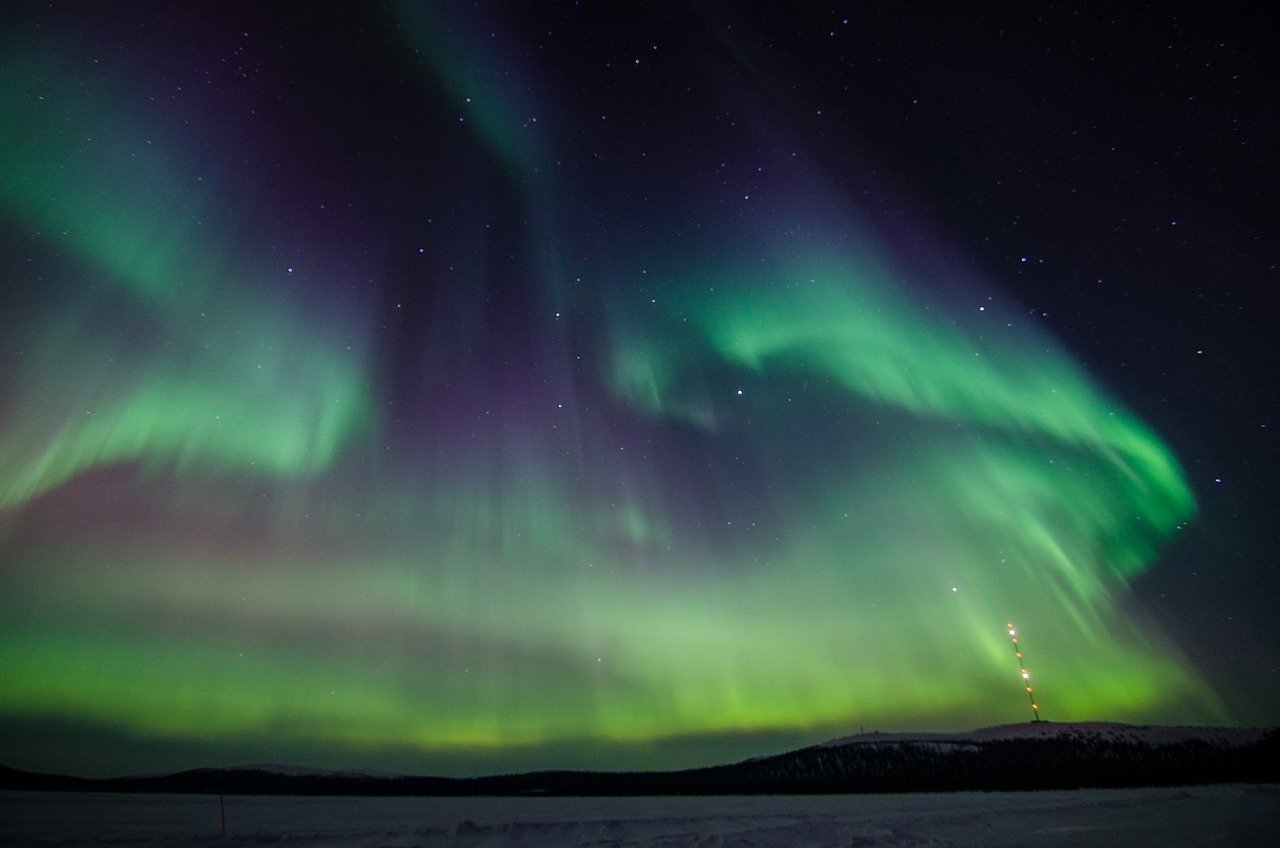
Aurora watching is mostly waiting. You’ll stand around, watch the northern horizon, and then, if you’re lucky, watch a green arc brighten, fold, and ripple into curtains. Strong storms add reds and purples at the top and rapid, dancing motion. Weak displays are subtle gray-green smudges that cameras see better than eyes. (Best places to see cherry blossoms)
Guides often serve hot drinks around a fire while waiting. That social rhythm is part of the appeal. Bring a headlamp with a red-light mode, a thermos, and a folding chair if you’re driving yourself. Most importantly, give it time. Many displays peak after midnight, and the best shows often arrive when half the group has gone back to the hotel.
Conclusion
The best places to see the northern lights aren’t the most famous ones. They’re the places where latitude, darkness, and clear weather overlap, and where you’ve given yourself enough nights for luck to show up. Fairbanks and Yellowknife win on raw reliability, Abisko and Tromsø balance odds with comfort, Finnish Lapland makes the wait cozy, and Iceland offers the most beautiful consolation prize in the world when clouds win. Pick a destination, book a week, stay mobile, and keep your expectations loose. The sky does the rest.
FAQ
What is the single best place to see the northern lights?
There’s no universal winner, but Fairbanks, Alaska and Yellowknife, Canada consistently rank highest for reliability because they sit under the auroral oval with cold, dry, frequently clear winter air. If you want comfort alongside good odds, Abisko in Sweden and Tromsø in Norway are excellent alternatives.
How many nights should I book for an aurora trip?
Aim for at least four to seven nights. Cloud cover is the main reason people miss the lights, so a longer stay gives weather time to clear. Two-night trips to famous destinations fail often, especially in coastal regions like Iceland and northern Norway.
What is the best month to see the northern lights?
Late August through mid-April is the aurora season, with March and September often cited as statistically favorable because geomagnetic activity tends to rise around the equinoxes. December and January offer the longest dark windows above the Arctic Circle, though temperatures are at their harshest.
Can I see the northern lights without a tour?
Yes. Renting a car and driving 20 to 30 minutes away from city lights works well in places like Fairbanks, Yellowknife, and Swedish Lapland. A tour helps mainly because guides read forecasts and can drive you out from under clouds, which is the biggest practical advantage.
Do I need a special camera to photograph the aurora?
No, but a camera with manual controls helps a lot. A tripod, a wide lens, and an exposure of roughly 5 to 15 seconds at high ISO will capture color and structure your eyes can’t fully see. Many modern phones also have night modes that produce surprisingly usable results.
Why do some aurora destinations have better odds than others?
Latitude alone isn’t enough. The auroral oval, local cloud patterns, and light pollution all matter. Inland, flat, cold locations tend to have clearer skies than coastal ones, which is why Fairbanks and Yellowknife outperform more scenic but cloudier destinations.
A Final Word on Expectations
No destination guarantees a show, and even the best odds are just odds. What separates a memorable trip from a disappointing one is rarely the sky itself—it’s whether you built in enough nights, stayed flexible enough to chase clear weather, and kept your expectations loose. Treat the aurora as a bonus rather than a promise, and the waiting becomes part of the experience: the cold air, the quiet, the shared thermos of coffee at 2 a.m. Book a week, stay mobile, watch the forecasts, and let the sky decide.



