
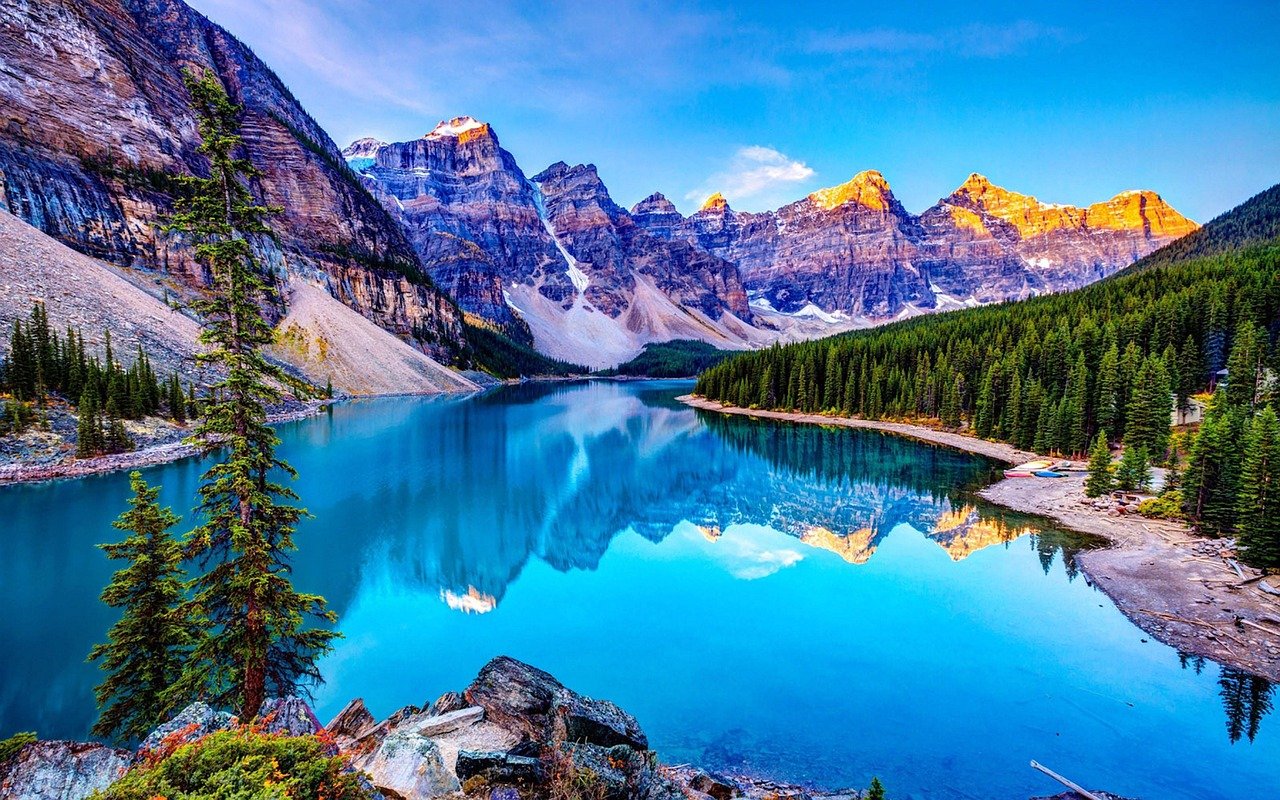
What if you had two weeks, one passport stamp, and a country nearly 10 million square kilometres wide to fill? That is the puzzle Canada hands every traveller. The second-largest country on Earth packs in Rocky Mountain peaks, colonial stone towns, tidal coastlines, and cities where you can ski and surf on the same day. The trick is not finding somewhere worth visiting. It is choosing where to spend your limited time without spending half of it on a plane.
This guide cuts through the noise. It covers the places that genuinely earn their reputation, explains what each one is actually like on the ground, and flags the mistakes that trip up first-time visitors. Whether you are planning a family road trip, a solo adventure, or a study term abroad, there is a route here that fits.
Why Canada Rewards Careful Planning
Canada is not a country you “do” in a week. Distances are brutal: Toronto to Vancouver is roughly a five-hour flight, and driving it takes about four days of solid highway time. That single fact reshapes every itinerary. Smart travellers pick one or two regions and go deep rather than skimming five provinces in ten days.
The payoff for that discipline is enormous variety within short distances once you are in the right region. Alberta alone gives you glacier-fed lakes, dinosaur fossil beds, and a city with one of North America’s best food scenes. Atlantic Canada compresses fishing villages, whale-watching, and some of the highest tides on the planet into a few hours of driving. If you are weighing a longer stay, the same logic applies to picking a base: the guide to the best places to study abroad in 2026 makes a similar case for matching a location to how you actually want to live, rather than to what looks good in photos.
One more planning note: seasons matter more here than in most destinations. Peak visitation runs June through September, when prices and crowds both spike. Winter, from December to March, is a different country entirely, built around skiing and northern lights rather than lakes and patios.
The Rocky Mountain Icons: Banff and Jasper
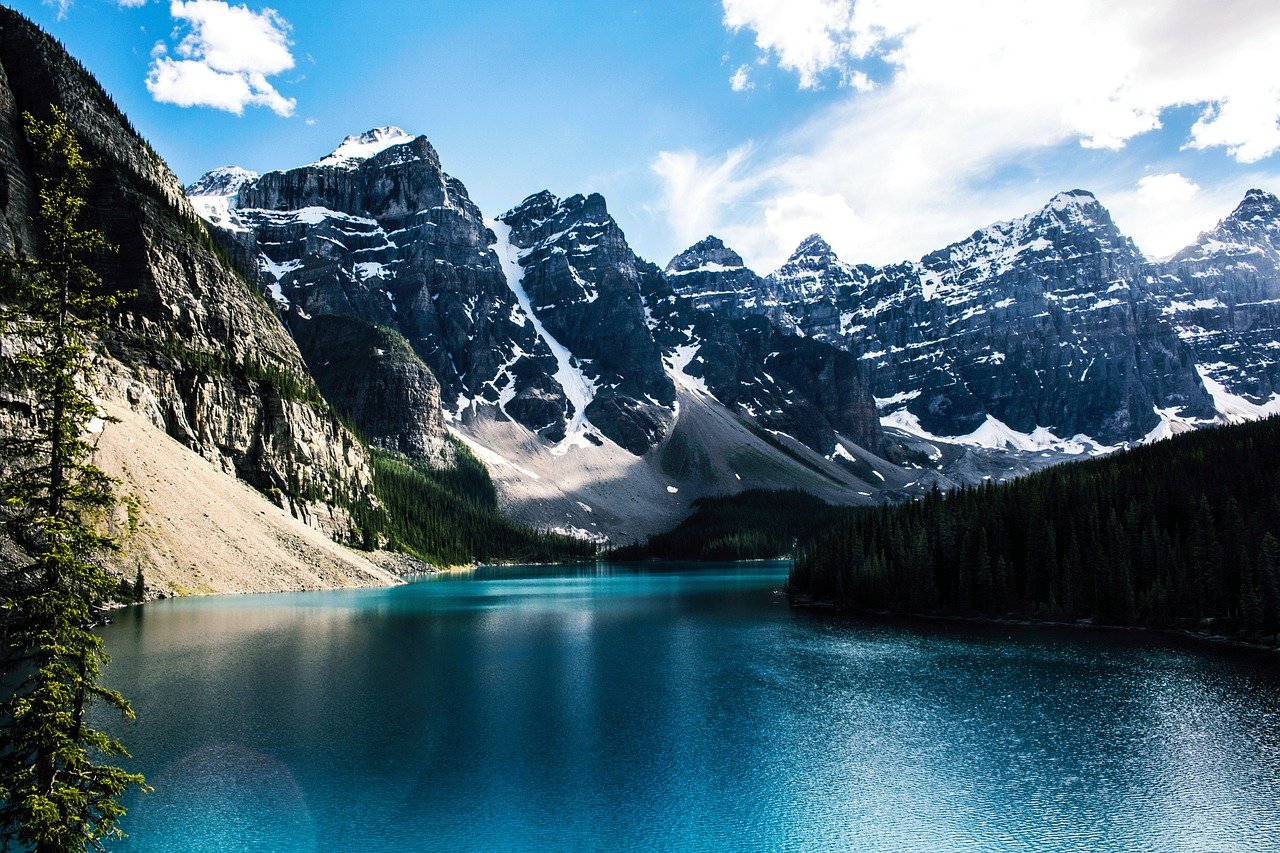
Banff National Park is where most Canada trips begin, and for good reason. Established in 1885 as the country’s first national park, it forms part of the Canadian Rocky Mountain Parks UNESCO World Heritage Site, inscribed in 1984 alongside Jasper, Kootenay, and Yoho. Parks Canada maintains detailed visitor information for Banff National Park, including trail conditions and seasonal closures worth checking before you go.
What actually works in practice:
- Go early or go late. Lake Louise and Moraine Lake fill their parking lots before 7 a.m. in summer. Shuttle reservations are not optional if you want a stress-free morning.
- Book accommodation months ahead. Banff townsite beds sell out for July and August by spring.
- Skip the lake crowds for the Icefields Parkway. The drive between Banff and Jasper is the real star, with turquoise lakes and glaciers around nearly every bend.
Jasper, north of Banff along that same parkway, is quieter and darker at night, which makes it a stronger pick for stargazing. The trade-off is fewer restaurants and a smaller town centre.
Old Quebec: North America’s Walled City
Old Quebec (Vieux-Québec) is the only city north of Mexico with intact colonial fortifications, and UNESCO inscribed the historic district as a World Heritage Site in 1985. The UNESCO listing for the Historic District of Old Québec explains the criteria behind that designation and why the walls survived when so many others did not.
Walking through the lower town feels less like North America and more like a French river port frozen in amber. Cobblestones, stone houses, and the Château Frontenac looming overhead make it the most photogenic urban setting in the country.
The common mistake? Treating Quebec City as a day trip from Montreal. It deserves two nights minimum, ideally including a winter visit for the ice hotel and the carnival atmosphere. Summer brings cruise-ship crowds to the lower town by mid-morning, so explore before 10 a.m. and save the museums for the afternoon heat.
Toronto, Montreal, and Vancouver: Which City Fits Your Trip
Canada’s three largest cities each offer a completely different experience. According to the 2021 Census from Statistics Canada’s census programme, Toronto is the country’s largest city at roughly 2.8 million people, with Montreal and Vancouver next in line.
| City | Best for | Watch out for | Ideal stay |
|---|---|---|---|
| Toronto | Food, museums, live music, day trips to Niagara | Sprawl; pick a neighbourhood and stay there | 3–4 days |
| Montreal | Festivals, cafés, nightlife, bilingual culture | Summer festival weekends book out fast | 2–3 days |
| Vancouver | Mountains and ocean in one day, mild weather | Rain from October to March | 3 days |
Toronto works best as a base. The Royal Ontario Museum and Kensington Market fill a day, and Niagara Falls is a 90-minute drive or train ride away. Montreal’s International Jazz Festival, founded in 1980, is one of the largest in the world and turns the downtown core into an open-air venue each summer. Vancouver, meanwhile, is the launch point for Whistler and the Gulf Islands, and its seawall bike loop is the single best free activity in the country.
Atlantic Canada: Cabot Trail, Fundy, and the Slow Road
The Cabot Trail on Nova Scotia’s Cape Breton Island is a roughly 300-kilometre loop through Cape Breton Highlands National Park, established in 1936. Parks Canada’s Cape Breton Highlands National Park guide covers the trail’s sections and the park’s hiking options. Give it two full days: one to drive, one to walk the Skyline Trail and eat seafood in a village like Chéticamp.
The Bay of Fundy, shared by New Brunswick and Nova Scotia, has some of the highest tides in the world, reaching up to about 16 metres. The practical tip most people miss: check the tide tables and visit the same spot at both high and low water. The landscape is unrecognisable between the two.
Atlantic Canada rewards slow travel. Distances look short on the map but the two-lane roads and frequent scenic pull-offs stretch every leg. Build in slack or you will spend the whole trip watching the clock.
Churchill and the North: Wildlife and Winter Light
Churchill, Manitoba calls itself the polar bear capital of the world, and the viewing season runs roughly October to November, when bears gather near the Hudson Bay coast waiting for the ice to form. It is expensive and remote, reachable only by train or plane, but few wildlife experiences on Earth compare.
Farther north, Yukon and the Northwest Territories deliver aurora viewing from late August through April. Winter here is not a deterrent but the entire point: dog sledding, ice fishing, and hot springs under the northern lights. Pack for minus 30 Celsius and you will be fine; pack for a Vancouver winter and you will be miserable.
For travellers who like pairing wildlife with scenery, it is worth comparing how other destinations handle animal encounters before committing. The same planning instincts that make a penguin-watching trip work apply here: season timing, licensed operators, and distance rules matter more than the brochure photos.
When to Go: A Season-by-Season Reality Check
| Season | Best regions | Crowds | Notes |
|---|---|---|---|
| June–August | Rockies, Atlantic Canada, cities | Highest | Book everything early |
| September–October | Ontario, Quebec, Rockies | Moderate | Fall colours peak late September |
| November–March | Whistler, Yukon, Churchill | Low (except ski resorts) | Aurora and polar bear season |
| April–May | Cities, Vancouver Island | Low | Some mountain roads still closed |
Shoulder seasons offer the best value, but verify that the attractions you want are actually open. Many Rockies gondolas and park facilities shut between mid-October and late November.
Practical Tips That Actually Help
First-hand traveller wisdom, distilled:
- Buy park passes online before arrival. Parks Canada Discovery Passes save money and let you skip the gate queue.
- Rent the smallest car you can live with. Parking in Montreal and Quebec City is tight and pricey.
- Tipping is expected. Fifteen to twenty percent at restaurants is standard, and servers rely on it.
- Distances deceive. A 300-kilometre mountain drive can take five hours. Plan accordingly.
- Layer, always. Weather in the Rockies changes hourly, even in July.
If your trip overlaps with a longer stay or a student term, the Samsung Galaxy Campus Crew Canada programme for students is the kind of thing worth knowing about before you arrive, since campus life often shapes how much free time you actually get.
Pairing Canada With Other Adventures
Many visitors combine a Canada trip with other bucket-list destinations, and the planning logic transfers well. If you are building a longer North American itinerary, the guide to the best time to visit Hawaii shows how seasonal timing can make or break a trip, and the roundup of the best national parks to visit offers useful comparisons for anyone who loves the park-system approach Canada does so well. (Parks Canada)
Conclusion
Canada rewards travellers who resist the urge to see everything. Pick a region, give it real time, and let the country’s scale work for you instead of against you. Banff and Jasper deliver the postcard mountains. Old Quebec delivers atmosphere you cannot find elsewhere on the continent. The cities give you culture and food, Atlantic Canada gives you coastline and tides, and the North gives you wildlife and sky. Choose two or three, book early, pack layers, and leave room for the unplanned detour. That is where the best memories tend to hide.
FAQ
What is the single best place to visit in Canada for a first trip?
Banff National Park is the safest first choice. It combines iconic scenery, easy infrastructure, and proximity to Calgary’s airport. Add Jasper via the Icefields Parkway and you have a classic one-week route without exhausting yourself.
How many days do you need to visit Canada?
Ten to fourteen days lets you cover one region properly, such as the Rockies or Atlantic Canada. Trying to see both coasts plus the cities in under two weeks means spending most of your trip in transit.
When is the cheapest time to visit Canada?
Late April through May and September through October offer lower prices and thinner crowds. Just confirm that mountain roads, gondolas, and park facilities are open, since many close in the shoulder weeks.
Do you need a car to visit Canada?
For cities, no. Toronto, Montreal, and Vancouver have solid transit. For national parks, Atlantic Canada, and the North, a rental car or organised tour is essentially essential.
Is Canada expensive for travellers?
It sits in the middle for a developed country. Accommodation in Banff and Vancouver is the biggest cost, while food and park fees are reasonable. Booking months ahead and travelling in shoulder season cuts costs significantly.
What should you not miss in Canada?
Prioritise the Icefields Parkway, Old Quebec’s lower town at dawn, the Cabot Trail, and a night of aurora viewing in the territories. These four experiences capture the country’s range better than any single city.
The country’s size means there is no single “best” answer, only the best fit for your interests, budget, and tolerance for driving. Wildlife lovers should lean north, food and culture seekers should lean toward Montreal and Toronto, and scenery chasers should head straight for the Rockies. Whichever you choose, the pattern holds: fewer places, more time, and a willingness to change plans when weather or tides intervene. Canada is not a checklist. It is a country that rewards patience, and the travellers who enjoy it most are the ones who stop counting stops and start settling in.



