A dedicated compact camera can still make sense when you want optical zoom and physical controls without carrying a larger camera system. A smartphone is always close at hand, but a separate camera can make distant subjects easier to frame and settings easier to reach. This digital camera guide helps you choose by how you take pictures, not by a long list of features.
The right pick depends on what you value most: pocketability, long-distance reach, rugged use, video or a very low price. A beginner may want simple controls, while a more experienced photographer may care most about lens range or image quality. Film compacts offer a different process and are covered separately as an alternative. The Canon PowerShot ELPH 360 HS A is a practical starting point for most buyers on this budget.
There is no single best choice for every kind of photography. A light camera may come along more often, while a long zoom can help with wildlife and outdoor events. Think about the subjects you actually photograph, then compare the features that matter for those shots.
The Canon PowerShot ELPH 360 HS A is the guide’s practical starting pick, while the best fit changes if you need extreme zoom or a tougher body.
Key Takeaways
- Start with the Canon PowerShot ELPH 360 HS A for versatile everyday use.
- Choose a superzoom when distant subjects are a regular part of your photography.
- Pick a rugged model when water or impact risks matter.
- Compare video tools separately from photo features.
- For film, include film and processing in your budget.
How to Choose the Best Point and Shoot Digital Camera
Start by deciding whether your everyday subjects are close, far away, moving or mostly filmed. Those subjects help set the right sensor, lens and features, before you compare brands or prices. For distant subjects, optical zoom matters more than a large digital zoom number.
A 35mm-equivalent focal length compares the framing of different cameras by expressing it as the focal length that would give the same field of view on a 35mm full-frame camera. It describes the view, not the physical length of a compact camera’s lens. Optical zoom changes framing through the lens; digital zoom crops and enlarges the image.
Sensor size affects low-light performance and how easily the camera separates a subject from its background. Megapixels describe image resolution, but they do not decide image quality on their own. A fixed lens with a bright aperture may suit indoor or street photography better than a long zoom range.
Match the sensor and lens to the photos you take
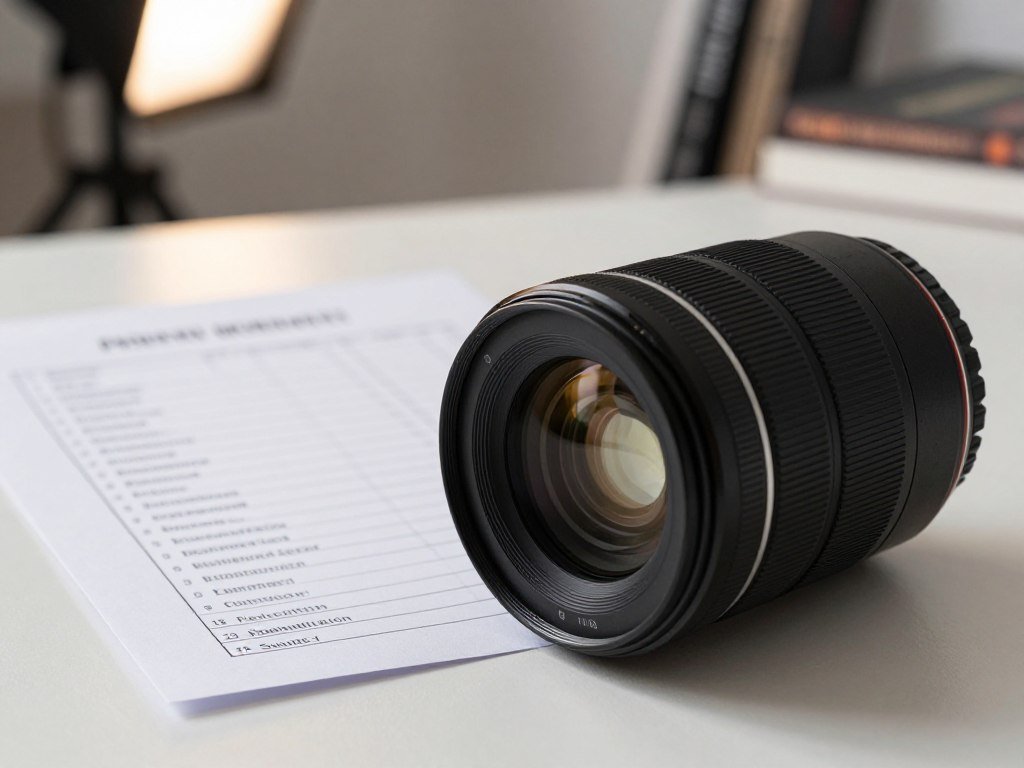
Look at both sensor size and lens range. A telephoto end helps frame distant subjects, while a wide end captures more of a room or landscape. If you mostly take close family photos, you may not need a huge zoom range.
Optical image stabilization can help reduce blur from your hand moving, especially at longer focal lengths. It cannot freeze a person who is moving quickly. CIPA stabilization ratings come from controlled tests, and Fstoppers’ explanation of CIPA testing notes that a published rating does not promise the same result in every hand-held shot.
Compare size, stabilization and video before buying
Check the camera’s packed size, weight, battery needs and flash. A built-in flash can help in a dim room, though it may create harsh light. Video also uses battery power, so plan for spare power if you record often.
Smartphones emphasize convenience and connectivity, while compact cameras offer a dedicated lens and physical controls. For phone options, compare the smartphone features that matter for photography with the camera controls you would use.
- Sensor size
- Optical zoom range
- Stabilization
- Carry size
- Video requirements
If you cannot comfortably carry the camera, its strongest specifications will not help you capture more photos.
Which Point-and-Shoot Cameras Under $500 Deserve a Look?
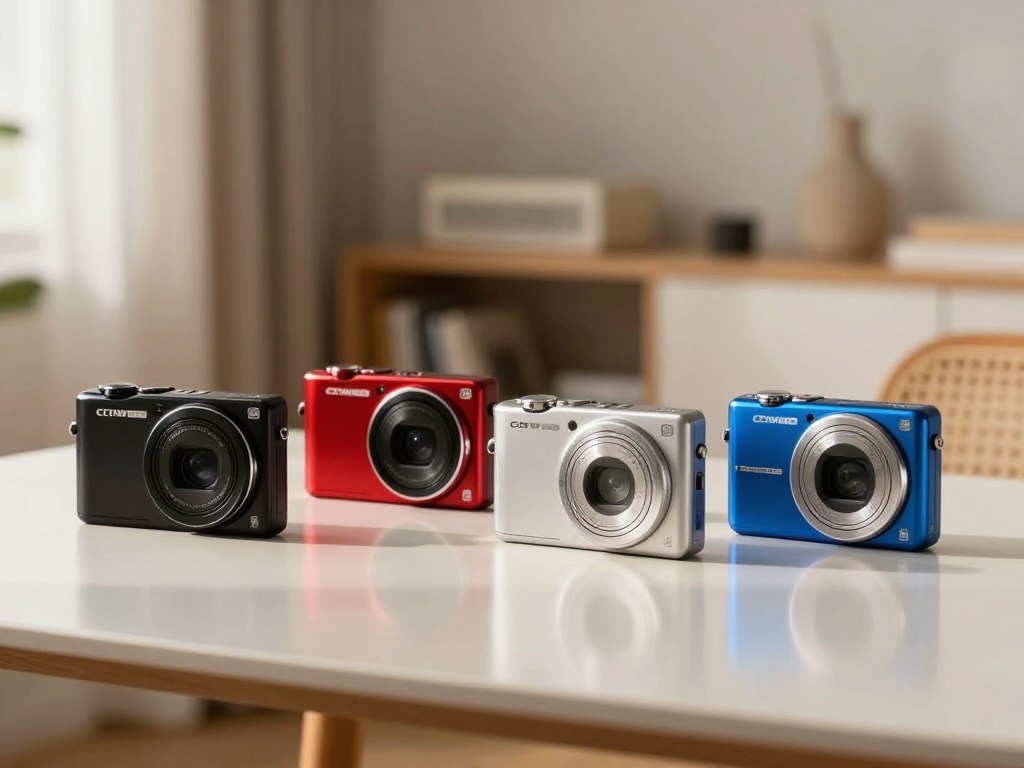
The Canon PowerShot ELPH 360 HS A is the most balanced first choice here if you want a small camera with a useful zoom range. For everyday use, it is the guide’s best point-and-shoot digital camera under $500, rather than a claim that it beats premium cameras at every task. Listed prices below are snapshots from September 2026, not promises of today’s price.
The KODAK PIXPRO AZ528 is a better fit for distant subjects, while the PENTAX WG-90 suits buyers who want a rugged body. The KODAK PIXPRO FZ55 costs less, with a shorter zoom range. Choose by your main need, not by price alone.
| Camera | Listed new price, September 2026 | Supplied lens or sensor specification |
|---|---|---|
| Canon PowerShot ELPH 360 HS A | $379.00 | 25-300mm-equivalent 12x optical zoom lens |
| KODAK PIXPRO AZ528 | $249.99 | 24-1248mm-equivalent 52x optical zoom lens |
| PENTAX WG-90 | $346.95 | 16MP 1/2.3-inch CMOS sensor; 28-140mm-equivalent 5x zoom lens |
| KODAK PIXPRO FZ55 | $139.99 | 16.35MP 1/2.3-inch CMOS sensor; 28-140mm-equivalent 5x zoom lens |
The Canon’s listed $379.00 price makes it a clear starting point for a versatile budget camera. That price was listed for a new camera in September 2026, and stock or pricing can change.
The AZ528 is the pick for far-off wildlife or events, while the WG-90 makes sense when a rugged body matters more than an ordinary pocket camera. The FZ55 is a simpler low-cost option within this group. Each compact camera makes a different tradeoff between reach, protection and price.
Check the current price and whether the exact model is available before you place an order.
Which Compact Camera Is Easiest to Carry Every Day?
A camera that comes along on ordinary days can be more useful than a feature-heavy model left at home. The Canon PowerShot ELPH 360 HS A weighs 147g with its battery and card, making it an easy option to consider for daily carry. That low weight is useful when your bag is already full.
The Canon records Full HD video, so it can handle basic clips as well as still images. Its role is everyday photography, where quick access and simple controls may matter more than an extreme zoom range. A light bag can make it easier to bring the camera along.
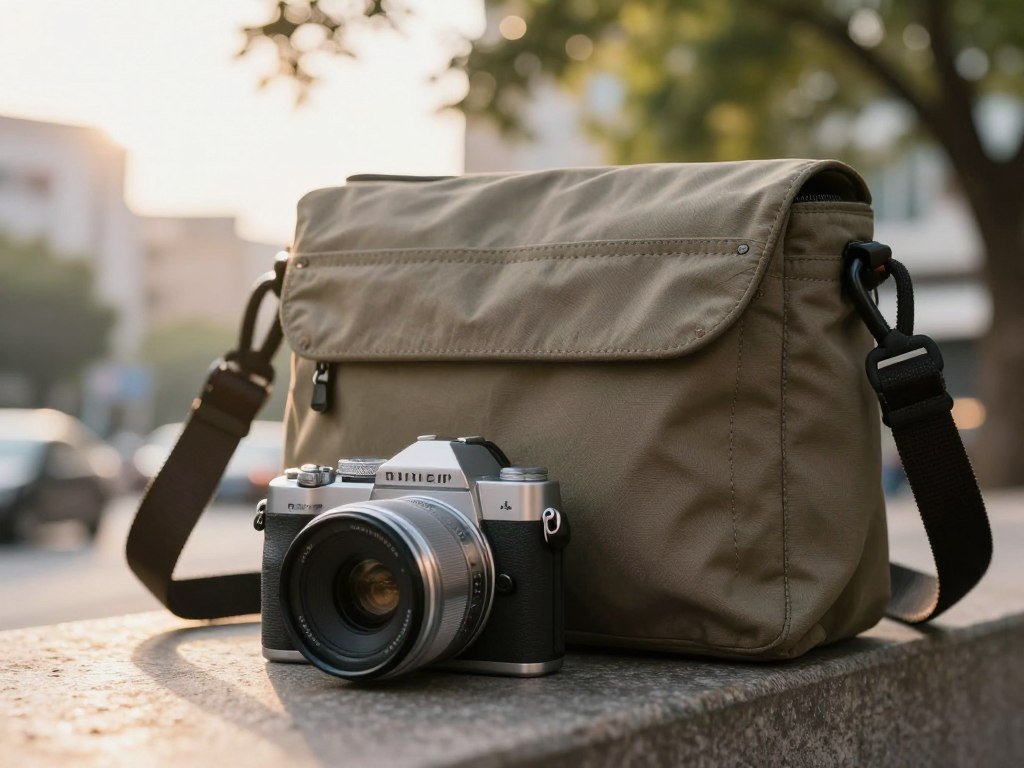
A compact body is not a promise of phone-like pocketability for every user. Pocket size depends on the shape of your usual clothes and how much space you want to spare. Some people will prefer a small bag, where a camera stays easy to reach without pressing against other items.
Check whether the buttons are easy to find without taking your eye from the scene. Simple controls can make a camera feel faster to use, especially when a moment lasts only a few seconds. A camera that is hard to grip may feel less handy, even if it weighs little.
- Check the camera’s packed weight, including the battery and card.
- See whether it fits your usual bag or pocket.
- Test whether its controls are easy to reach.
Think about battery needs if you take many images or record video during a long day. Extra power adds to what you carry, so consider how you will charge the camera between outings.
Try the grip and controls in person when possible, since a low weight does not guarantee a comfortable fit.
When Is a Superzoom Camera Worth the Extra Reach?
If you often photograph wildlife or distant events from a fixed viewing spot, a superzoom can save you from changing lenses. These cameras have a long-range lens built in, so you can frame a far subject without carrying a larger system. That reach is useful at a sports field or on a nature walk.
The KODAK PIXPRO AZ528 weighs approximately 508g and records Full HD video. Its weight is a meaningful portability tradeoff for a superzoom design. The KODAK PIXPRO AZ425 also suits distant subjects, with a 20MP 1/2.3-inch CCD sensor and a 24-1008mm-equivalent 42x optical zoom lens.
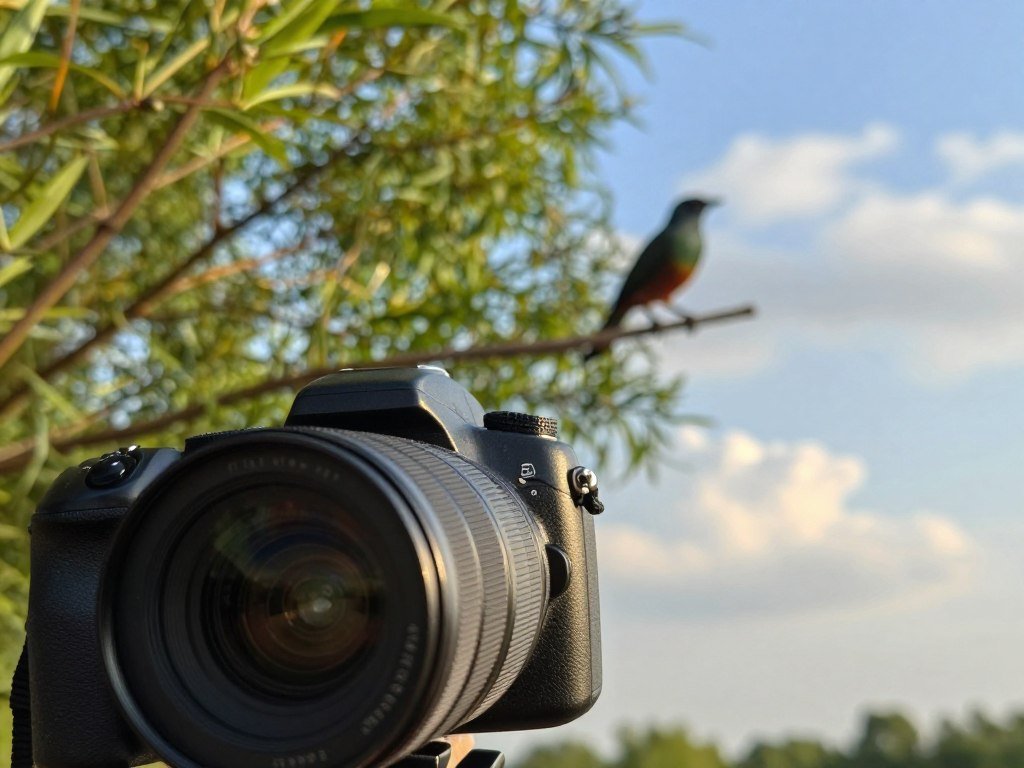
Both cameras suit distant subjects better than a short-range pocket camera. The AZ425’s CCD sensor is a specification to weigh alongside its reach, not proof of a particular image-quality result. Sensor type alone cannot tell you how a camera will perform in every scene.
Neither 42x nor 52x optical zoom guarantees a sharp photo at maximum reach. Hand movement becomes easier to see when the lens is zoomed far in. Low light and subject motion can also blur a shot, even when the camera has stabilization.
A steady stance, a bright enough scene and a still subject all help at long focal lengths. A distant bird may shift before you press the shutter, while an event subject may move across the frame. The camera’s zoom range cannot remove those limits.
For most subjects within arm’s reach, a lighter compact with a shorter range is easier to keep ready.
Which Rugged Camera Fits Outdoor Use?
Choose the protection rating that matches the water, impact and temperature risks you actually expect. Check the limits for water depth, drop height and cold before taking a camera outdoors. The PENTAX WG-8 has the most fully specified protection limits among these options.
The table compares the stated prices and features for three rugged cameras. Price and seller details reflect the listings in September 2026 where given. These details help you compare models, but they do not replace the camera’s own care instructions.

| Model | Supplied price and date | Verified lens or protection specification |
|---|---|---|
| PENTAX WG-1000 | $246.95, new, September 2026 | 27-108mm-equivalent lens; electronic stabilization |
| PENTAX WG-8 | $476.95 at B&H, September 2026 | Waterproof to 20m for two hours; shockproof to 2.1m; crushproof to 100kgf; freezeproof to -10°C |
| Kodak PIXPRO WPZ2 | $179.99, new at B&H, September 2026 | 27-108mm-equivalent 4x zoom lens |
Choose protection for the conditions you face
The WG-8 has stated limits for water, drops, crushing force and cold. Its waterproof and shockproof ratings are useful if those conditions match your plans. Keep the camera within its listed limits, even when a trip includes only a quick swim or a short fall risk.
Dust, grit and salt water can also affect equipment. A rugged label does not mean every opening is safe to leave uncovered or every seal needs no care. Check how to close doors and clean the camera after use.
Compare rugged models by lens and stabilization
The WG-1000 has electronic stabilization, while the WPZ2 has a 4x zoom lens. The PENTAX WG-90 is another shortlist option with a 16MP 1/2.3-inch CMOS sensor. Its sensor detail does not establish any water or drop rating.
Compare the lens range with the protection details you need. A short zoom may work for nearby trail scenes, while a longer view can help frame subjects across a stream. The best fit depends on the places you take the camera.
Before using any rugged camera around water, follow its own sealing and maintenance instructions.
What Is the Best Point-and-Shoot Camera Under $100?
The KODAK PIXPRO FZ45 is the clearest fit when the camera budget is capped at $100. Its listed price was $99.99 in October 2026, and it has a 4x optical zoom and a 27mm wide-angle lens. That is a useful start for simple snapshots without a large spend.
The FZ45 is a straightforward low-cost digital compact, not a stand-in for a premium camera. A low price can suit family pictures, vacation scenes and other everyday photos. It does not guarantee strong low-light results, fast action performance or advanced video tools.
Its 27mm wide-angle view can fit more of a scene into the frame. The 4x optical zoom gives you some lens-based framing flexibility, though it does not offer the long reach of a superzoom camera.
Keep the purchase focused on what you need the camera to do. If you mostly take still photos in good light, a simple model may be enough. If you want fast focus, detailed video controls or reliable photos in dim rooms, a low-cost compact may not meet those goals.
Check which accessories come in the box and read the return policy before buying. Do not assume a memory card, case or extra battery is included. Those items can add to the total cost.
Keep expectations focused on simple everyday photos, not premium-camera performance.
Is the Sony ZV-1F a Good Beginner Video Camera?
For a beginner who prioritizes video, the Sony ZV-1F is a credible used-market option if a fixed wide lens suits the intended shots. Its fixed 20mm-equivalent f/2 lens gives a wide view, but it does not zoom to reframe distant subjects. The Sony has a 20.1MP 1.0-type CMOS sensor and records 4K video up to 30p.
Used Sony ZV-1F copies were listed from $376.50 at B&H in September 2026. That price was for used copies, not new stock or a guaranteed current listing. A fixed lens and simple setup can feel approachable, but beginners should make sure the view suits their filming style.
Check the lens and recording format
Wide framing can work for a person speaking to camera, a desk setup or a small room. It may not suit every close-up or scene where you need to crop in. Decide what you plan to film before choosing a camera based on its video label.
Full HD records a smaller frame than 4K, but resolution alone does not decide how clear a clip looks. Autofocus, stabilization, sound and light also shape the result. A beginner can make stronger clips by learning those basics before adding more gear.
Compare creator features with easy framing
The KODAK PIXPRO C1 offers a 2.8-inch screen that flips 180 degrees and records 1080p Full HD video. It has a 13MP 1/3-inch BSI CMOS sensor and a fixed 26mm-equivalent f/2 lens. Its screen can help you frame yourself, but it is not equivalent to the Sony’s sensor or 4K recording.
The Canon PowerShot G7 X Mark III is another creator-oriented name you may encounter. Compare its controls and intended use with the kind of video you want to make. A touchscreen or connectivity feature is useful only if it fits your routine.
Confirm the camera’s condition and included accessories before buying a used video camera.
Should You Choose a Film Compact Instead?
Choose film if the slower, hands-on process matters as much to you as the finished photographs. Film changes the experience: you load a roll, make choices before pressing the shutter, then pay for film and processing. A digital camera records to electronic storage instead.
The Olympus XA2 uses a 35mm f/3.5 Zuiko lens, zone focusing and automatic exposure. The Chinon Bellami, also sold as the Revue 35CC in some markets, has a 35mm f/2.8 lens and automatic exposure. Here are four used film options with different ways to focus and operate.
| Model | Lens | Focusing method | Exposure or operation |
|---|---|---|---|
| Olympus XA2 | 35mm f/3.5 Zuiko | Zone focusing | Automatic exposure |
| Chinon Bellami | 35mm f/2.8 | Not specified | Automatic exposure; 1/8 to 1/1000 second shutter range |
| Olympus Trip AF | 35mm f/3.5 | Autofocus; roughly 1.5m and 4m focus points | Automatic exposure; built-in flash; 1/85 to 1/250 second; f/3.5 to f/11 |
| Minolta Hi-Matic AF2 | Fixed 38mm f/2.8 | Autofocus | Built-in light meter; manual film-winding lever |
Film point-and-shoots use different focusing approaches
Zone focusing asks you to choose a distance range instead of relying on autofocus. The Olympus XA2 uses that approach, while the Olympus Trip AF focuses automatically. The Minolta Hi-Matic AF2 adds a built-in light meter and manual winding, so using it involves more hands-on steps.
Used film cameras vary in condition, and a low asking price does not guarantee smooth operation. Compare the cost of the body with film and processing. Check that the meter, winding and focus controls work before buying.
Half-frame and instant cameras change the running costs
The Pentax 17 is a half-frame 35mm film camera with a fixed 25mm f/3.5 lens and six zone-focus presets from 0.25m to infinity. It produces 72 frames from a 36-exposure roll and weighs 290g without film or battery. It was listed for $496.95 at B&H in 2026.
The Fujifilm instax mini Evo was listed new for $234 at B&H in September 2026, with instant film sold separately. It uses instant film, unlike the 35mm models above. For an affordable film camera, compare the purchase cost with the repeated costs of film and processing.
Budget for film and processing as well as the camera body.
When Does a Premium Fixed-Lens Camera Make Sense?
Premium fixed-lens cameras make the most sense when you value a particular focal length, sensor format or handling style more than a low entry price. A fixed focal length can encourage deliberate framing, but you move yourself to change the view. These cameras serve a different goal from a low-cost compact camera.
The Sony RX100 VII offers a 24-200mm-equivalent zoom lens, giving you more framing flexibility in one camera. Choose a fixed-lens model when its single view suits the subjects you shoot most. A zoom lens is more flexible when you switch often between wide scenes and distant details.
A fixed focal length suits a deliberate shooting style
The Fujifilm X100V has a 23mm f/2 lens, a 26.1MP APS-C sensor and an approximately 35mm-equivalent field of view. The Ricoh GR IIIx has a 26.1mm f/2.8 lens, a 24.1MP APS-C sensor and an approximately 40mm-equivalent field of view. Both offer a fixed view, but their framing differs.
The Sony RX1R II pairs a 42.4MP full-frame sensor with a 35mm f/2 lens. The Leica Q3 has a 60MP sensor and a 28mm f/1.7 lens. Those specifications show different sensor sizes and views, not a promise that one camera will suit every photographer.
For street photography and style, compare the Fujifilm X100VI and Ricoh GR IV as names in the same conversation. Handle the models if you can, since a camera’s shape and controls can affect how you enjoy shooting.
A zoom compact gives you more framing flexibility
The Leica D-Lux 8 is a zoom alternative with a 24-75mm-equivalent f/1.7 lens, Four Thirds sensor, 17MP, stabilization, a small hotshoe-mounted flash and 4K video up to 30fps. At about $1,900, it sits well outside a $500 budget.
The sony rx100 vii, also called the rx100 vii in model shorthand, gives a wider range than a fixed-lens camera. Buyers comparing the sony rx100 family should check the exact model name, since similar names can refer to different cameras. Think about whether a single focal length or an adjustable view fits your usual photos.
Choose a fixed focal length only if you are comfortable moving yourself to reframe a shot.
What Should You Check Before Buying?
Before paying, confirm the practical details that a specification sheet cannot settle for you. Check the exact model, battery and memory-card needs before you commit. Video resolution alone does not guarantee better autofocus, stabilization or sound.
Full HD 1080p video has a 1920×1080-pixel frame; 4K UHD video has a 3840×2160-pixel frame. SD cards use speed classes to show sustained recording capability, so match the card to the camera’s video needs. A faster card cannot add features the camera lacks.
- Verify the exact model name and included battery.
- Confirm memory-card compatibility and video speed needs.
- Test the menu language and controls.
- Check charging options and battery availability.
- Confirm return terms and the current price.
Used cameras also need a condition check, since wear can affect buttons, ports and the screen. Make sure the camera works as expected before relying on it for an important event.
Make sure the camera, card and battery plan are ready before the first outing.
Conclusion
For most everyday buyers, start with the Canon PowerShot ELPH 360 HS A and choose another model only when a specific need outweighs versatility. It is a practical starting point for a typical buyer seeking a versatile compact digital camera under $500.
Choose the KODAK PIXPRO AZ528 for distant subjects, or the PENTAX WG-8 when verified rugged protection matters. First decide which feature matters most, then check the exact model and current price.
Hold the camera if possible and see whether it fits your hand and bag. A camera you can carry and use with ease is more likely to come along when a good photo appears.
Pick your priority, verify the current listing and choose the camera you will be glad to carry.
FAQ
Are point-and-shoot cameras still better than smartphones?
Point-and-shoot cameras can be better for distant subjects and deliberate settings, while smartphones are easier for quick sharing. Optical zoom uses the lens to bring far subjects closer, and physical controls can make common settings easier to change. Phones remain convenient and often use computational processing to shape images. Your best choice depends on whether reach and hands-on controls matter more than easy sharing.
How many megapixels do I need for everyday photos?
About 12-20MP is generally enough for everyday sharing and moderate prints. More resolution can help if you crop heavily or make large prints, but megapixels alone do not set image quality. Sensor size, lens quality, light and focus also affect the final image. For ordinary family photos, a camera with sensible controls may matter more than choosing the highest megapixel count.
What does 12x optical zoom mean?
A 12x optical zoom means the lens’s longest focal length is 12 times its shortest. The starting focal length still decides how wide the lens can shoot, so two 12x cameras can frame scenes differently. Optical zoom changes the view through the lens. Digital zoom instead crops and enlarges part of the image, which can reduce detail.
Are cheap point-and-shoot cameras worth buying?
Cheap point-and-shoot cameras can be worth buying when you mainly want simple snapshots and accept fewer advanced controls. They can give you a dedicated camera without a large upfront cost. Check the exact accessories included, such as a battery or memory card, and review the return terms. A low price does not promise strong low-light performance or advanced video features.
Can I use a digital point-and-shoot camera with 35mm film?
No, a digital point-and-shoot camera cannot use 35mm film. Digital cameras record images to electronic storage, such as a memory card. A 35mm film camera needs compatible film and a film-advance mechanism. The two camera types may look similar from the outside, but their image-making systems are different.
Is a fixed-lens camera a good choice for beginners?
Yes, a fixed-lens camera can suit a beginner if its built-in lens fits the subjects they want to photograph. It avoids the need to change lenses, which makes the setup simpler. The tradeoff is that you cannot swap in a different focal length. Check whether the fixed view works for your usual scenes before buying.