
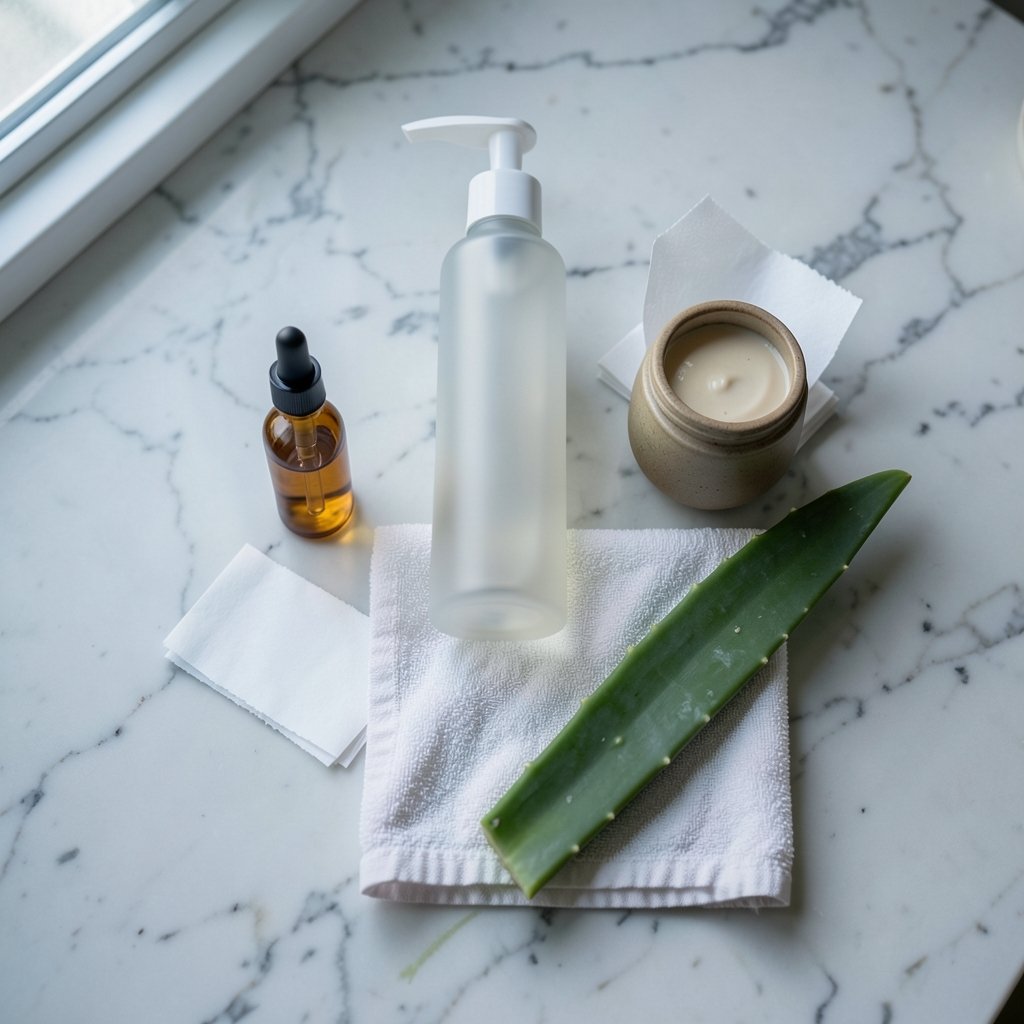
Does your face look greasy by lunchtime no matter what you do? You blot, you powder, you wash again, and by 3 p.m. the shine is back. If that sounds familiar, the problem probably isn’t your skin’s stubbornness. It’s likely the products you’re using.
Oily skin gets a bad reputation, but sebum itself is not the enemy. It is a natural oil that protects the skin barrier. The real goal is not to eliminate oil but to manage it without triggering the rebound greasiness that harsh routines cause. This guide breaks down what dermatologists actually recommend, which ingredients have real evidence behind them, and how to build a routine that keeps shine in check without stripping your skin.
Why Oily Skin Needs a Different Approach
Sebum production is driven mainly by hormones called androgens, which is why oiliness peaks during adolescence and early adulthood and generally calms down with age. Oily skin is a descriptive skin type, not a medical condition. That matters because it changes how you should treat it.
The most common mistake people with oily skin make is overcorrecting. They reach for strong foaming cleansers, alcohol-based toners, and mattifying products that leave skin tight and squeaky. That tight feeling is not cleanliness. It is a damaged barrier. When the skin loses moisture, it often responds by producing more oil to compensate, which creates the exact cycle people are trying to escape.
A better strategy focuses on three things: gentle cleansing, targeted active ingredients that regulate oil and unclog pores, and lightweight hydration that supports the barrier. Everything else is optional.
Start With Cleansing: Less Aggression, More Consistency

Cleansing is where most oily-skin routines go wrong. Washing more than twice a day, using hot water, or choosing harsh alkaline soaps strips the skin and irritates the barrier. The American Academy of Dermatology’s guidance on face washing recommends gentle, non-abrasive cleansers and lukewarm water, which applies just as much to oily skin as to dry skin.
A practical cleansing routine looks like this:
- Wash once in the morning and once at night with a gentle gel or foaming cleanser.
- Use lukewarm water, not hot.
- Pat dry with a clean towel instead of rubbing.
- If you exercised or sweated heavily, rinse with water rather than doing a full cleanse.
- Double cleanse only in the evening if you wore sunscreen or makeup.
A common mistake is buying a cleanser based on the word “purifying” or “oil control” on the label. Those words mean very little. Look instead for short ingredient lists without drying alcohols high up, and avoid scrubs with rough particles that create micro-tears.
Salicylic Acid: The Workhorse for Oily, Pore-Prone Skin
If one ingredient deserves a permanent spot in an oily-skin routine, it is salicylic acid. It is lipid-soluble, which means it can penetrate the oily environment inside a pore and help break down the mix of sebum and dead skin cells that leads to clogging. Over-the-counter concentrations typically range from 0.5% to 2%.
In the United States, salicylic acid is a recognized acne active ingredient under the FDA’s over-the-counter drug monograph system, which sets rules for which ingredients can be marketed for acne and at what levels. That regulatory backing is one reason dermatologists reach for it so often. (Acne)
Practical tips for using it well:
- Start with a 2% leave-on liquid or toner two or three nights a week and build up slowly.
- Apply it after cleansing and before moisturizer.
- Do not layer it with other exfoliating acids on the same night.
- Expect mild tingling; stop if you get stinging, peeling, or redness that lasts.
A mistake many people make is using a salicylic acid cleanser and assuming it does the same job as a leave-on product. A cleanser is rinsed off within seconds, so its contact time is short. A leave-on formula gives the acid time to work.
Niacinamide: Modest but Real Support for Oil Control
Niacinamide, a form of vitamin B3, has become a staple in oily-skin products, and there is some evidence behind the hype. A small 2006 trial published in the Journal of Cosmetic and Laser Therapy, led by Dr. Zoe Draelos, reported reduced sebum excretion with a 2% niacinamide formulation. The effect sizes were modest and the study was small, so it is best treated as a supportive ingredient rather than a cure.
Where niacinamide earns its place is versatility. It supports the skin barrier, can help with redness, and plays well with most other ingredients. A 2% to 5% serum layered in the morning is a reasonable choice for most people. Higher concentrations are not automatically better and can irritate sensitive skin. (Sebaceous gland)
Retinoids: The Strongest Evidence for Oily, Acne-Prone Skin
Topical retinoids are first-line therapy for acne in major clinical guidelines, and they happen to be excellent for oily skin because they help normalize how skin cells turn over and reduce the conditions that lead to clogged pores. The American Academy of Dermatology’s acne clinical guideline summarizes the evidence base for retinoids and other treatments, and it is worth reading if you want to understand why dermatologists prescribe them so readily.
Retinoids come with a learning curve. They can cause dryness, flaking, and irritation in the first few weeks, and they increase sun sensitivity. The practical approach:
- Start with a low concentration two nights a week.
- Apply a pea-sized amount to dry skin, then moisturize.
- Avoid applying to damp skin, which increases penetration and irritation.
- Use daily broad-spectrum sunscreen without exception.
People often quit retinoids after a week because their skin looks worse. That adjustment period is common and usually settles within four to six weeks. If it does not, a dermatologist can adjust the strength or switch to a gentler formulation.
Moisturizer Is Not Optional, Even for Oily Skin
Skipping moisturizer is one of the most common oily-skin mistakes. When the barrier lacks hydration, the skin can become tight, flaky, and paradoxically oilier. Lightweight, gel-based, non-comedogenic moisturizers maintain barrier function without adding heaviness.
Look for formulas labeled gel, water cream, or lotion rather than cream or balm. Ingredients like glycerin, hyaluronic acid, and ceramides are helpful. If you are choosing a primer to go over your moisturizer, a lightweight formula designed for shine control tends to work better than anything heavy, and a good best primer for oily skin should sit on top of your skincare rather than replace it.
It is also worth noting that “non-comedogenic” and “oil-free” are marketing terms without a single standardized regulatory definition. They can be useful hints, but ingredient lists and patch testing tell you more than a label claim.
Sunscreen: Non-Negotiable, and Easier Than You Think
Daily broad-spectrum sunscreen is recommended for all skin types. The CDC’s sun safety guidance covers why sunscreen matters for skin health broadly, and oily skin is no exception. The old objection was that sunscreen felt greasy, but formulation has improved dramatically.
For oily skin, gel, fluid, and essence textures absorb faster and leave less residue. Look for formulas labeled non-comedogenic and consider chemical filters or hybrid formulas if mineral sunscreens leave a heavy cast. If you wear makeup, a sunscreen that doubles as a primer can simplify your morning routine.
Benzoyl Peroxide and Other Actives Worth Knowing
Benzoyl peroxide is another recognized over-the-counter acne active, commonly used at 2.5% to 5%. It is effective against acne-causing bacteria and helps with inflammatory breakouts. Two practical warnings: it can bleach towels, pillowcases, and clothing, and it can be irritating, especially at higher strengths. A 2.5% wash or gel is often enough.
Other ingredients with weaker or mixed evidence include certain clays, zinc, and green tea extracts. They are not harmful, but the marketing around “oil control” often outpaces the peer-reviewed data. If a product promises to stop oil production entirely, treat that claim with skepticism.
Building a Simple Routine That Works
The table below shows a realistic routine for oily skin. It is intentionally short. More steps do not equal better skin.
| Step | Morning | Evening |
|---|---|---|
| Cleanse | Gentle gel cleanser | Gentle gel cleanser |
| Treat | Niacinamide serum (optional) | Salicylic acid or retinoid (alternate nights) |
| Hydrate | Lightweight gel moisturizer | Lightweight gel moisturizer |
| Protect | Broad-spectrum SPF 30+ | None needed |
If your skin is mature as well as oily, the balance shifts slightly toward hydration and barrier support, and a primer or base layer chosen for that skin type can help, such as one covered in this guide to the best primer for mature skin.
Common Mistakes That Make Oily Skin Worse
Even well-intentioned routines backfire. Watch for these patterns:
- Over-washing. More than twice daily strips the barrier.
- Layering too many actives. Salicylic acid, retinoids, and benzoyl peroxide on the same night is a recipe for irritation.
- Using alcohol-heavy toners. They feel refreshing and dry skin out, but they disrupt the barrier.
- Skipping sunscreen because of shine. Choose a lighter formula instead of skipping protection.
- Chasing “oil-free” labels only. Ingredients and texture matter more than the claim.
- Expecting overnight results. Most actives need four to eight weeks.
There is a broader lesson here about how skincare gets marketed. Social platforms reward dramatic before-and-after content, and hashtag trends often push complicated routines. If you want to understand how those trends shape buying decisions, this breakdown of skincare social media ads and 2025 hashtag practices is a useful read. The practical takeaway is simple: fewer, better-chosen products beat a crowded shelf.
When to See a Dermatologist
Over-the-counter products handle many oily-skin concerns, but professional help is warranted if you have painful cysts, scarring, or acne that has not improved after two to three months of consistent use. Prescription retinoids, oral medications, and other treatments exist and can make a real difference. Persistent oily skin with sudden changes, such as adult-onset breakouts or unusual redness, also deserves a professional look.
Conclusion
The best skincare for oily skin is not a single product. It is a short, consistent routine built on gentle cleansing, one or two well-chosen actives, lightweight hydration, and daily sunscreen. Salicylic acid and retinoids carry the strongest evidence, niacinamide offers modest support, and moisturizer is a helper rather than a hindrance. Skip the harsh scrubs and the ten-step routines, give your skin four to eight weeks to respond, and let the mirror rather than the label decide what stays.
Frequently Asked Questions
How often should oily skin be washed?
Twice a day is enough for most people, using a gentle cleanser and lukewarm water. Washing more often, especially with harsh soaps, can strip the skin barrier and trigger more oil production. A quick water rinse after heavy sweating is fine.
Is salicylic acid safe for daily use?
For many people, yes, at over-the-counter concentrations of 0.5% to 2%. It is best to start two or three times a week and build up as tolerance develops. If you notice stinging, peeling, or persistent redness, reduce frequency or stop.
Can oily skin still need a moisturizer?
Yes. Lightweight, gel-based moisturizers support the skin barrier without adding heaviness. Skipping moisturizer can leave skin tight and may lead to compensatory oiliness. Look for gel or water-cream textures rather than rich creams.
Do retinoids really help oily skin?
Topical retinoids are first-line acne therapy in major clinical guidelines and help normalize skin cell turnover, which reduces clogged pores. They can cause irritation and sun sensitivity at first, so start slowly and use sunscreen daily.
Why does my skin get oilier after I wash it?
That tight, quickly greasy feeling often signals a damaged barrier from over-cleansing or harsh products. The skin responds by producing more oil. Switching to a gentle cleanser and adding a light moisturizer usually calms the cycle within a few weeks.
Are “non-comedogenic” and “oil-free” labels reliable?
These are marketing terms without a single standardized regulatory definition, so they are hints rather than guarantees. Reading ingredient lists and doing a small patch test tells you more about how a product will behave on your skin than the front label does.



