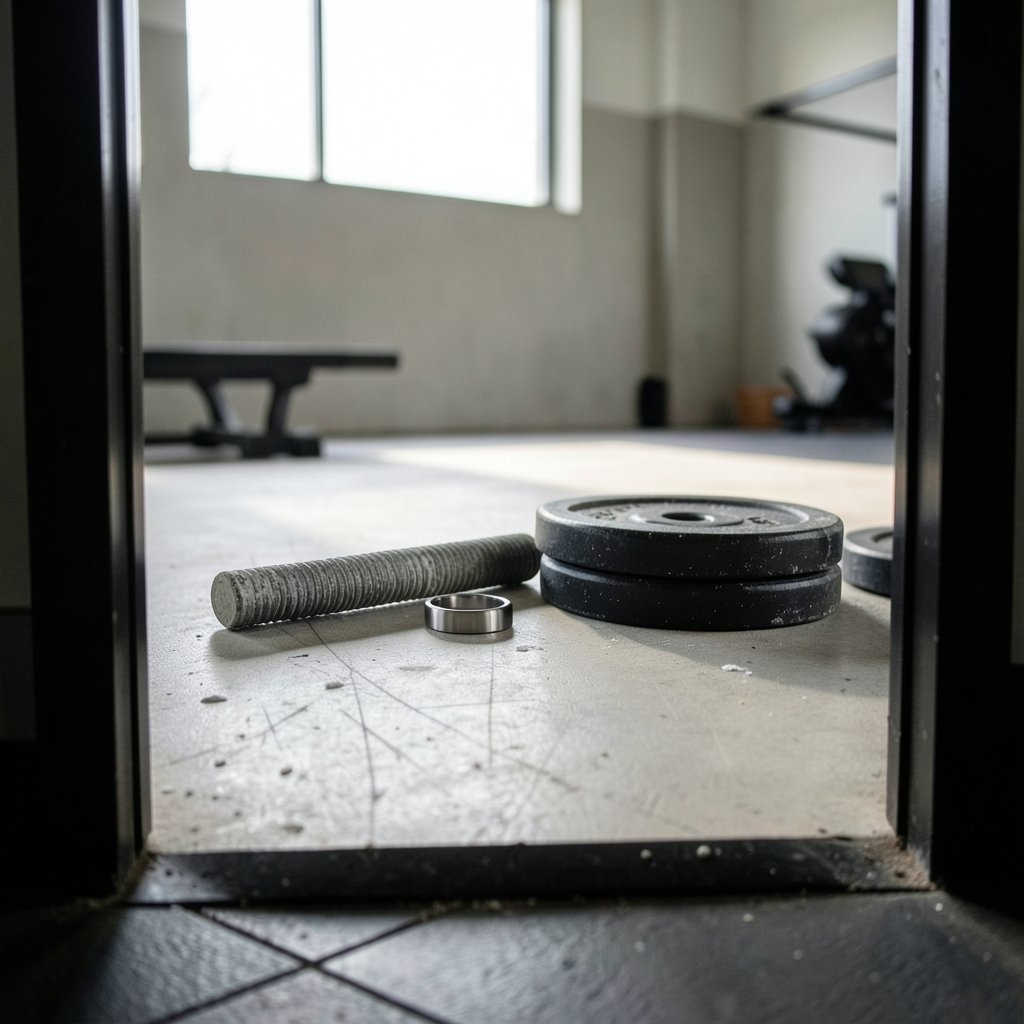
Can a ring really survive a barbell knurl, a chalky hook grip, and a 4 a.m. alarm? That question sits at the heart of every conversation about smart rings for people who lift weights. The answer is yes, but only if you buy the right one and wear it on the right finger. A ring is not a wrist strap. It cannot give you live set-by-set heart rate the way a chest strap can. What it can do is hang on your finger 24/7 without getting in the way of a wrist wrap, a lifting belt, or a night of sleep, and quietly build the recovery picture that tells you whether today is a push day or a pull-back day.
That distinction matters more than any spec sheet. Strength training is unusually hard on a ring. Gripping a loaded bar presses the band into the inside of your finger, and the rotating knurl on a barbell or dumbbell handle is exactly the kind of contact that scuffs a titanium shell. So this roundup focuses on rings that fit the lifting life: durable shells, honest recovery data, and a form factor you will actually keep on. Below is a shortlist of named options, a comparison table, and the practical notes nobody puts in the marketing copy.
Quick Comparison of the Top Picks
| Ring | Best for | Standout strength | Main limitation | Price or plan |
|---|---|---|---|---|
| Oura Ring | Recovery and sleep context | Sleep and readiness trends, documented integrations | Not a live lifting sensor; membership adds cost | Membership required (check official page for current pricing) |
| Samsung Galaxy Ring | Samsung phone owners | Samsung Health context across sleep and daily use | Phone restrictions; higher reference price; no basic plan needed but ecosystem lock-in | No basic plan required (check official page) |
| Ultrahuman Ring Air | Rough handling and sweat | Lightweight composite build that shrugs off gym abuse | More plastic feel than titanium | Not stated in available sources |
| Circular | Everyday wearability | Compact form factor for all-day use | Less lifting-specific validation | Not stated in available sources |
The table is a starting point, not a verdict. Each ring below gets its own section with who it suits, what it does well, one real limitation, and pricing only where a source states it.
Oura Ring: The Recovery-First Choice

Who it suits: lifters who already have a watch or chest strap for the session itself and want the ring to handle the other 22 hours of the day.
Oura is the name that shows up on nearly every ranking page for a reason. The case for it in a lifting context is not mid-set tracking. It is the nighttime and between-sessions picture. If you want sleep and readiness interpreted alongside data from another workout device, Oura is the pick, because documented integrations pull activity context closer to your nightly trends. Taking the ring off during a heavy session does not undermine that purpose. The purchase decision is about recovery use, not continuous wear under the bar. (Best ai tools teams under 10 people 2027 actually pays off)
What it does well: it builds a baseline. Because you wear it around the clock, the ring learns what normal looks like for you and flags when you drift from it. That is the genuine win for lifters, who tend to be terrible at noticing accumulating fatigue.
The real limitation: do not buy it as a live lifting sensor, and do not leave it on between loaded metal and your finger. Grip pressure blocks the optical reading and creates a physical hazard. A readiness score is also not medical permission to train through pain or injury.
Price: Oura requires a membership, so factor that into the total cost. Check the official page for current pricing rather than trusting an old review.
Samsung Galaxy Ring: Best for Samsung Households
Who it suits: anyone whose phone, watch, and health data already live inside Samsung’s ecosystem.
Consider the Galaxy Ring if a compatible Samsung setup already handles your training and you want Samsung Health context during sleep and daily use. The appeal is integration, not novelty. You are not adding another app silo or another subscription layer, because no basic plan is required, which avoids stacking another ring fee on top of your existing costs.
What it does well: it slots into a routine that already exists. If your watch logs the lifts, the ring fills the overnight gap without asking you to learn a new dashboard.
The real limitation: think hard before buying. Decide what the ring would add beyond your current watch. Nighttime comfort or charging coverage may matter more than another set of activity estimates. Skip it if your watch already meets those needs and the ring would only duplicate data. And do not wear it for loaded grips simply because the devices share an ecosystem. Phone restrictions and a higher reference price are real trade-offs, and the distinction between ring-based recovery context and live sport tracking still applies.
Price: no basic subscription is required, but the ring itself carries a higher reference price. Confirm current figures on the official page.
Ultrahuman Ring Air: The Gym-Abuse Pick
Who it suits: lifters who forget to take things off, sweat heavily, and treat their gear like gear.
The Ring Air has a lighter, composite build that feels more plastic than titanium, and in a gym that is a feature rather than a flaw. It handles being tossed in a bag, wiped down, and worn straight into the shower. Its water resistance covers the sweaty stuff, and in humid conditions it holds up without fogging inside. If you are the type who never remembers to remove a ring before a session, this is the one most likely to forgive you.
What it does well: durability without drama. It does not ask for careful handling, which means you actually keep wearing it, and consistency is what makes any ring’s data useful.
The real limitation: the finish will never feel premium next to a titanium shell, and if you want the most polished materials on your hand, this is not it.
Price: not stated in the available sources. Check the official page.
Circular Ring: The Everyday Wearability Option
Who it suits: lifters who want a compact ring they can wear to work, to the gym, and to bed without thinking about it.
Circular has iterated on form factor and keeps a low profile on the finger, which matters when you are typing, gripping, or sleeping with a hand under a pillow. It is a reasonable all-day option for someone who wants the category’s core benefit, continuous wear, without a bulky shell.
What it does well: it stays out of the way. For lifters, the best tracker is the one you do not notice, and a slim ring wins that contest.
The real limitation: there is less lifting-specific validation around it than around the bigger names, so treat recovery insights as directional rather than definitive.
Price: not stated in the available sources. Verify on the official page.
How to Choose a Smart Ring for Lifting
Now that the options are on the table, here is the filter to run them through. It is deliberately short, because most of the decision comes down to three things.
- Decide what the ring adds. If your watch already tracks lifts and sleep well, a ring may only duplicate data. Be honest about the gap you are filling.
- Check the grip problem. Any ring will interfere with a loaded bar. Plan to remove it for heavy pulls and presses, and pick a ring whose value does not depend on wearing it during sets.
- Match the ecosystem. A ring that fights your phone is a ring you will abandon. Samsung owners get the smoothest ride from the Galaxy Ring; everyone else should weigh app quality heavily.
- Size it properly. Wear the sizing sample for at least 24 hours, including sleep, a workout, a shower, and a normal workday. Fingers swell with heat, exercise, salty meals, and sleep. The best size is snug enough that sensors stay against the underside of your finger but loose enough to rotate with gentle pressure.
- Pick the finger deliberately. Most people get the best results on the index, middle, or ring finger of the non-dominant hand. The middle finger rivals the index for signal quality and is often more comfortable for long-term wear, because its larger surface area keeps the ring from rotating, which is a main cause of inaccurate readings.
Two more practical notes. First, if you lift, climb, or work with tools, think about how often you will remove the ring. Frequent removal erodes the value of continuous trends. Second, ignore the IP68 and ATM numbers as your only guide. Long-term contact with shower gel and sunscreen is what kills these devices. Rinse with plain water and dry it weekly. (15 Most Anticipated Games of Late 2027)
There is also a broader point about data discipline that applies here. People who track everything sometimes make worse decisions because they over-trust a single number. The same psychology that drives bad financial choices shows up in fitness tracking, where one readiness score becomes an excuse to skip a session or push through pain. Treat the ring as a signal, not a verdict.
Common Mistakes Lifters Make With Smart Rings
The most frequent error is expecting live heart rate from a finger. A ring cannot replace a chest strap for set-by-set intensity, and buyers who expect that end up disappointed. The second error is wearing the ring under a heavy grip, which both ruins the reading and risks your finger. The third is buying before checking whether the brand sends physical sizers, especially if returns are limited. The fourth is ignoring battery reality: most leading rings last four to eight days, but always-on features and workout tracking shorten that, and older batteries shorten it further.
If you are building out a broader connected setup at home, the same logic of buying for the routine rather than the spec sheet applies to other devices, and the pitfalls are well documented in this look at common smart home mistakes people still make in 2027.
Conclusion
The best smart ring for a lifter in 2027 is the one you keep wearing when you are not lifting. Oura wins on recovery context and sleep interpretation. The Samsung Galaxy Ring wins on ecosystem fit for Samsung households. The Ultrahuman Ring Air wins on surviving gym abuse. Circular wins on staying out of the way. None of them will track your working sets, and none should be worn under a loaded bar. Choose based on the gap in your current setup, size it properly on your non-dominant hand, and let it do the one job a ring does better than anything else: telling you, night after night, whether your body is ready for the next session.
FAQ
Which finger should I wear a smart ring on if I lift weights?
The index, middle, or ring finger of your non-dominant hand is the usual recommendation. The middle finger is often the most comfortable for long-term wear and holds signal quality well because its larger surface area keeps the ring from rotating. Rotation is a leading cause of inaccurate readings, so a stable fit matters more than which of those three fingers you pick.
Can a smart ring track my lifts during a workout?
Not in the way a chest strap does. A ring is not a live lifting sensor. Grip pressure from a loaded bar blocks the optical reading and creates a physical hazard, so the sensible approach is to remove the ring for heavy sets and let it handle sleep, recovery, and all-day trends instead.
Is Oura or Samsung better for someone who lifts?
It depends on what you need. Oura is the recovery-first pick if you want sleep and readiness interpreted alongside data from another workout device. The Galaxy Ring makes more sense if a compatible Samsung setup already handles your training and you want Samsung Health context without adding another subscription.
Do I need a subscription to use a smart ring?
It varies by brand. Oura requires a membership, which adds to the total cost. The Samsung Galaxy Ring requires no basic plan, which avoids stacking another fee on top of your existing costs. Always confirm current terms on the official page before buying.
How long does a smart ring battery last?
Most leading rings last four to eight days, though always-on features, workout tracking, and older batteries can shorten that. Plan your charging around your training week so you are not caught without data on a heavy day.
Will lifting damage my smart ring?
It can. Barbell knurling and dumbbell handles scuff titanium shells, and gripping a loaded bar presses the band into your finger. A lighter composite build handles abuse better. Whichever ring you choose, remove it for heavy grips and rinse it with plain water weekly, since long-term contact with shower gel and sunscreen does more damage than sweat.