Roughly half of all new businesses in the United States close their doors within five years, according to U.S. Bureau of Labor Statistics survival data. That number sounds scary, but it hides a useful truth: most failures trace back to the same few mistakes. Owners pick ideas with heavy upfront costs. They skip the boring legal steps. They guess at demand instead of testing it.
The good news is that beginners who start small, stay lean, and pick ideas that match real demand beat those odds far more often. This guide covers the strongest startup ideas for first-time founders, what each one actually costs, and the mistakes that sink people again and again.
What Makes a Startup Idea Good for a Beginner?
Before the list, it helps to know the filter. A beginner-friendly business usually shares four traits:
- Low startup cost. Under a few thousand dollars, ideally under a few hundred.
- Fast path to revenue. You can sell within weeks, not years.
- Simple licensing. No heavy permits, no regulated industries, no inspections.
- Demand you can verify. People are already paying for this service or product elsewhere.
Speed matters more than size when you are new. A tiny business that earns money in month one teaches you more than a grand plan that takes a year to launch.
Service Business Ideas With the Lowest Barriers
Service businesses dominate beginner lists for one reason: you sell your time and skill, not inventory. No warehouse, no product development, no shipping. The U.S. Small Business Administration notes that services are among the most common and accessible entry points for new owners.
Freelance consulting or skill-based services
If you can write, design, bookkeep, edit video, or manage social media, you can sell that skill. Most freelancers start with a laptop, a portfolio, and one paying client. Rates climb fast once you have proof of results.
Common mistake: underpricing. Beginners charge $15 an hour because they feel lucky to be paid at all. Charge based on the value you deliver instead, and raise rates with every third client.
Cleaning and home services
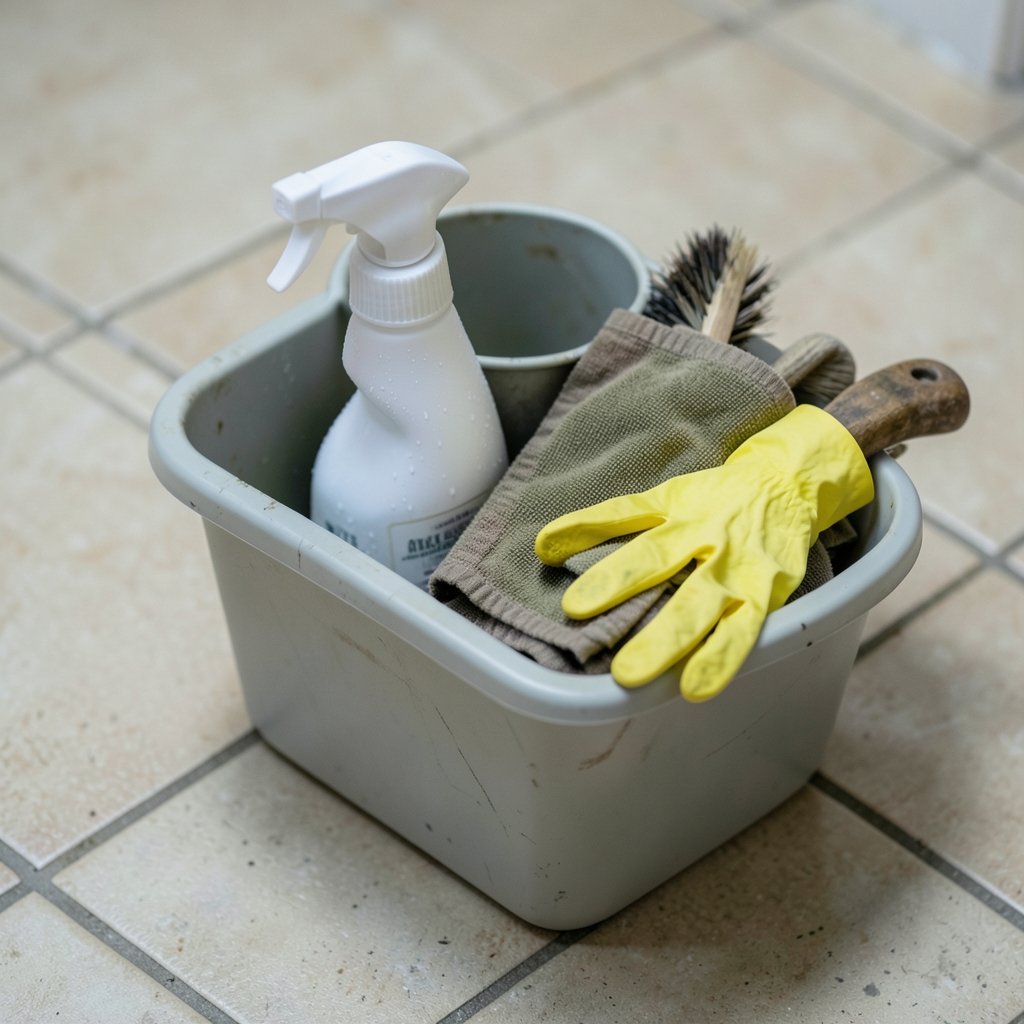
Residential cleaning, lawn care, window washing, and junk removal all share a magic quality: customers search for them constantly, and competition is local. You can start with supplies you already own and a borrowed vehicle.
A practical tip that actually works: quote by the job, not the hour. Customers prefer fixed prices, and you earn more on jobs you get fast at.
Pet care and dog walking
Pet sitting, dog walking, and mobile grooming attract steady demand and low overhead. Platforms help you find first clients, but repeat customers come from reliability. One missed visit loses a client forever in this niche.
Tutoring and test prep
Subject tutoring, music lessons, and language coaching need almost no capital. Online sessions remove geography entirely. If you want a broader playbook for building a skill-based venture from scratch, how to start an ai business walks through a modern, low-cost example of the same principles. (Write your business plan)
Product and Online Business Ideas for Small Budgets
Not everyone wants to trade hours for dollars. These ideas build assets that can grow beyond your calendar.
Print-on-demand and handmade goods
Print-on-demand lets you sell shirts, mugs, and posters without holding inventory. Handmade marketplaces work the same way for crafts. Profit margins are thinner than they look, so treat design and niche selection as the real work.
Digital products
Templates, courses, ebooks, and spreadsheets sell once and deliver forever. The catch is marketing: nobody buys a digital product they never see. Beginners who succeed usually build an audience first, then sell to it. (Entrepreneurship)
AI-assisted services
AI tools have collapsed the cost of producing logos, room mockups, and video content. Beginners now offer these as services to small businesses. A best ai logo generators for business branding roundup shows how fast a solo operator can deliver brand assets that once required an agency. Similarly, an ai interior design generator for room ideas lets a beginner run a virtual staging service for real estate agents with no design degree.
E-commerce in a narrow niche
General stores rarely work for beginners. Narrow ones do. Pick a specific buyer, like left-handed guitarists or apartment gardeners, and serve them better than a giant retailer can. If physical products interest you, the same beginner-friendly thinking applies to equipment niches, as the best 3d printer for beginners guide demonstrates with its focus on one clear buyer need.
Creative and Content-Based Startups
Creative work has never been easier to monetize, but it rewards consistency over talent.
Video and content production
Short-form video services for local businesses are booming. Restaurants, gyms, and realtors need clips every week and rarely have time to make them. A ai video generator from images a beginners guide explains how solo creators produce client-ready videos without a studio.
Podcast editing and repurposing
Every podcast episode can become clips, quotes, and newsletters. Editors who offer the full repurposing package charge premium rates because they save clients hours.
Niche newsletters
Free newsletters build audiences; sponsorships and paid tiers monetize them. Growth is slow for six months, then compounds. Patience is the entire business model here.
Local and Hands-On Ideas That Stay Simple
Some of the most durable beginner businesses never touch the internet at all.
| Idea | Typical startup cost | Time to first sale | Main risk |
|---|---|---|---|
| House cleaning | $100–$500 | 1–2 weeks | Finding reliable help as you grow |
| Dog walking | Under $100 | Days | Physical burnout |
| Mobile car detailing | $500–$1,500 | 1–3 weeks | Weather and seasonality |
| Tutoring | Under $100 | Days | Irregular demand in summer |
| Print-on-demand shop | $50–$300 | 2–6 weeks | Thin margins, ad costs |
| Freelance service | Under $100 | Days | Client concentration |
The pattern is clear. Hands-on local services start cheapest and pay fastest. Online product businesses scale better but take longer to gain traction.
How to Validate Demand Before You Spend Money
Validation is the step beginners skip most often, and it is the cheapest insurance you can buy. A simple sequence works:
- List ten people you suspect have the problem you solve.
- Talk to five of them. Ask what they currently pay for a solution.
- Offer your service to three at a modest price before you build anything.
- Count actual yeses, not compliments. “That sounds great” is not a sale.
- Only then spend money on a website, equipment, or ads.
If nobody will pay a small amount now, a bigger marketing budget later rarely fixes it.
Legal and Money Basics Beginners Get Wrong
You do not need a lawyer on day one, but you do need the basics right. Register your business name, choose a simple structure like a sole proprietorship or LLC, and open a separate bank account. The IRS Self-Employed Tax Center explains quarterly estimated taxes, which surprise almost every new owner.
Three mistakes show up constantly:
- Mixing personal and business money. It makes taxes messy and weakens your liability protection.
- Skipping local licensing. A quick check with your city or county office prevents fines later.
- Ignoring the FTC’s rules on earnings claims. The Federal Trade Commission enforces strict rules against misleading income promises, so be careful whose “proven system” you buy into.
Using AI Tools Without Losing the Human Touch
AI has genuinely leveled the playing field. A solo founder can now draft proposals, design simple graphics, and produce video content in hours instead of weeks. The trap is leaning on it so heavily that the output feels generic.
What works in practice: use AI for first drafts and repetitive tasks, then add the specific, local, human details that make clients trust you. A consultant who uses AI to speed up research but still picks up the phone beats one who automates everything. For a wider view of where these tools fit, how to use ai in business covers practical applications beyond marketing.
Building Early Momentum and Avoiding Burnout
First-time founders often confuse activity with progress. Building a logo, redesigning a website three times, and reading business books feel productive. They are not. Selling is progress.
Set a simple weekly target: five outreach messages, one new client conversation, one delivered job. Track it. Momentum comes from small wins stacked together, and consistency beats intensity over the first year.
Also, price in your own time. A business that pays you $4 an hour is a hobby with paperwork. Raise prices as soon as demand allows, and drop clients who drain more energy than they pay for.
When to Turn a Side Hustle Into a Full Business
The safest path for beginners is a gradual one. Keep your job, build the side business to roughly half your current income, then cut over. That cushion lets you say no to bad clients and survive a slow month.
Watch for three signals that it is time to go full time: a waiting list, three months of stable income, and systems that run without you present for every task. If you want to test the waters in a low-stakes way first, team-building activities are a surprisingly good practice ground, as these icebreakers and games: 30 fun ideas for team building show for anyone considering workshop or coaching services.
Conclusion
The best startup idea for a beginner is rarely the most exciting one. It is the one you can start this month, sell this quarter, and run without borrowing money. House cleaning, tutoring, freelance services, and AI-assisted creative work all fit that description. So do narrow online stores and digital products, provided you validate demand first.
Pick one idea. Talk to five potential customers. Make your first sale before you spend real money. Then let small, boring, consistent steps do the work that grand plans rarely manage.
FAQ
What is the cheapest business to start as a beginner?
Service businesses are almost always cheapest. Dog walking, tutoring, and freelance work can start under $100 because you sell skills and time rather than products. Local services like cleaning cost a little more for supplies but still stay well under $500.
How much money do I need to start a small business?
Many beginners start with $100 to $1,000. The key is matching the idea to your budget rather than borrowing to fund a big launch. Start with what you have, reinvest profits, and add equipment only when customers are already paying.
Do I need an LLC to start a business?
Not always. Many first-time founders begin as sole proprietors, which is simpler and cheaper. An LLC adds liability protection and a more professional image, so consider one once revenue is steady or you sign larger contracts.
How do I find my first customers?
Start with people you already know and ask for referrals. Then go where your buyers already gather: local community groups, neighborhood apps, or niche online forums. Direct outreach beats waiting for a website to attract traffic.
How long does it take for a new business to become profitable?
Local service businesses often earn money in the first month. Online product businesses usually take six to twelve months to build steady traffic and sales. Plan for a slow start and keep overhead low so you can survive it.
Can I start a business while keeping my full-time job?
Yes, and it is often the smartest route. A steady paycheck removes the pressure to accept bad clients. Build the side business until it covers half your income and runs smoothly, then consider making the switch.