

What makes a tech gift stick around after the wrapping paper is gone? Ask anyone who has received a gadget that ended up in a drawer by February, and you will hear the same story: it looked impressive in the box, but it did not fit the person’s actual life. The best technology gift for men is rarely the flashiest one on the shelf. It is the one that solves a real, recurring problem, keeps working for years, and does not demand a subscription just to be useful. (Adidas vibes discovery purse spray gift set buyers should)
This guide focuses on how to choose well rather than on a ranked list that goes stale the moment a new model ships. It covers the categories that tend to earn their keep, the specs that matter, the traps that catch gift buyers, and the practical questions to ask before spending money.
Why Most Tech Gifts Disappoint
The single biggest reason a gadget gets abandoned is a mismatch between the gift and the recipient’s habits. A smart speaker sounds great until you learn the person already owns three. A drone is thrilling for a weekend and then needs a place to live, spare batteries, and a registration process. None of that means these are bad products. It means the gift was chosen for the giver’s idea of the recipient rather than the recipient themselves.
There is a second, quieter problem: lifespan. A device that stops receiving security updates after two years is not really a gift, it is a countdown. Before buying anything with an operating system, check the manufacturer’s support page for how long it promises updates. That one habit separates a gift that lasts a decade from one that becomes e-waste while the recipient still feels guilty about not using it.
The Categories That Consistently Earn Their Keep
Audio Gear That Fits an Actual Routine
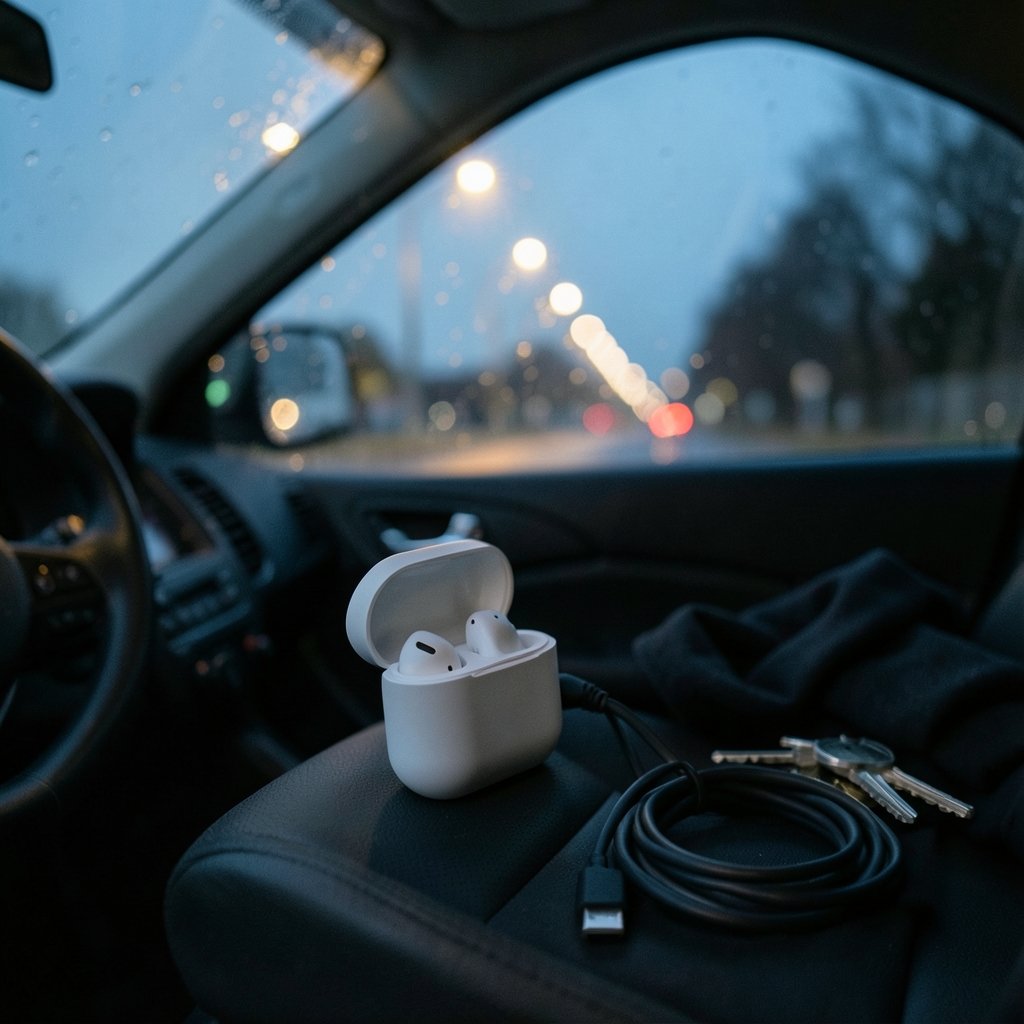
Headphones and earbuds remain the safest high-value tech gift because almost everyone has a use case: commuting, working out, focusing at a desk, or drowning out a shared office. The mistake buyers make is chasing the biggest discount on the most advertised model. Fit matters more than driver size. Over-ear headphones suit long listening sessions and desk work; earbuds suit movement and pockets. If the recipient wears glasses, heavy clamping force becomes a daily irritation, so comfort reviews matter more than spec sheets.
Battery life is the spec to check hardest. A pair rated at 30 hours with the case is genuinely different from one rated at 6 hours without it. Also confirm the charging port: USB-C has effectively won, and a gift that still needs micro-USB in a household that has moved on is a small but constant annoyance.
Smart Home Devices With a Clear Job
Smart plugs, smart bulbs, and sensors make excellent gifts because they are cheap enough to experiment with and useful immediately. A smart plug turns a dumb lamp into a scheduled one. A motion sensor can trigger a hallway light at night. Here the buying decision hinges on ecosystem compatibility, and this is where gift buyers most often stumble.
If the recipient uses an iPhone, a device that only works with one assistant is a poor fit. If they have a mixed household, look for devices that support multiple platforms. It is also worth understanding the difference between detection technologies before buying sensors, because a motion sensor that trips every time a curtain moves is worse than no sensor at all. A quick primer on how motion sensors and presence sensors differ will save a lot of returns.
Power and Charging Accessories
Portable batteries, multi-port chargers, and charging cables are unglamorous and almost universally appreciated. The key is standards. A charger that supports USB Power Delivery will fast-charge a wide range of phones and laptops; a proprietary one may not. Look for a charger with enough total wattage to run a laptop and a phone at once, and check that the cable included is rated for the same wattage. A 100W charger paired with a 60W cable is a common and frustrating mismatch.
Tools for a Hobby, Not a Fantasy
The best tech gift for a man with a specific hobby is usually an accessory for that hobby rather than a new hobby entirely. A photographer will use a fast memory card and a spare battery far more than a gadget they did not ask for. A cyclist will use a proper bike computer mount. A home cook will use a good instant-read thermometer. The pattern is the same: upgrade what they already do rather than introducing something they would have to learn from scratch.
A Practical Comparison of Gift Types
| Gift type | Best for | Main risk | What to check first |
|---|---|---|---|
| Over-ear headphones | Commuters, desk workers | Poor fit and clamping pressure | Return policy and comfort reviews |
| Wireless earbuds | Gym-goers, travelers | Battery degrades within two years | Replaceable batteries or warranty length |
| Smart plug or sensor | Anyone curious about automation | Ecosystem lock-in | Works with their phone platform |
| Multi-port USB-C charger | Almost everyone | Cable not rated for the wattage | Total wattage and PD support |
| Portable SSD | Photographers, students | Slow interface on cheap models | USB version and sustained speed |
| E-reader | Regular readers | Locked into one store | Library lending support |
The Specs That Actually Matter
Gift buyers tend to fixate on numbers that sound impressive and ignore the ones that shape daily experience. A few rules of thumb help.
Update support beats raw performance. A mid-range phone or tablet that gets five years of security patches is a better gift than a faster one abandoned after two. This applies to laptops, routers, smart displays, and even some appliances.
Battery chemistry matters more than capacity. Devices with user-replaceable batteries last years longer. Where batteries are sealed, check the warranty and whether the manufacturer offers a paid replacement service.
Connectivity standards are your friend. Bluetooth LE Audio, USB-C, and Wi-Fi 6 are all mature enough that buying into them is safe. A device that supports only an older or proprietary standard may work fine today and become awkward in three years.
Repairability is a gift to the future owner. Screens, batteries, and ports are the parts that fail first. A device with published repair guides and available parts is worth a premium over one that must be replaced wholesale.
Common Mistakes Gift Buyers Make
The first is buying for the version of the person they remember. Someone who stopped gaming two years ago does not need a new controller. The second is over-buying: a flagship device with features the recipient will never touch is not more thoughtful than a well-chosen mid-range one. The third is forgetting the hidden costs. A gift that requires a monthly subscription to be useful is really a bill with a bow on it. Check whether the core features work without a paid plan before you commit.
A fourth mistake is skipping the setup question. Some gifts, like a smart doorbell or a mesh router, require installation that the recipient may not want to do. If you are not going to help set it up, choose something that works out of the box.
Finally, there is the packaging problem. A gadget that arrives with a wall charger for the wrong region, or without the cable it needs, creates immediate friction. Confirm what is in the box.
Gifts That Carry a Second Layer of Meaning
Some of the most memorable tech-adjacent gifts work because they combine a practical object with a personal gesture. A cash gift folded into an origami money lei, for example, gives the recipient real spending power while showing effort that a plain envelope does not. The same principle applies to a money flower bouquet, which turns cash into a keepsake. These are not gadgets, but they solve the hardest gifting problem: giving someone the freedom to choose their own technology without handing them a boring card.
There is a caution worth repeating here. Gift cards are convenient, but they are also a favorite target for fraud, and the gift card scam problem is real enough that buyers should treat any unsolicited request for card codes as a red flag. If you go the card route, buy from a reputable source and keep the receipt.
How to Choose When You Know Nothing About Their Setup
If you cannot inspect the recipient’s phone, laptop, or smart home setup, favor gifts that are platform-neutral. A portable SSD, a good charger, a quality pair of wired headphones, or a well-reviewed power bank will work regardless of what ecosystem they live in. Avoid anything that requires an account, an app, or a specific assistant unless you are certain of the details.
It also helps to think about the gift as a small upgrade to something they already own. A better cable, a faster charger, a sturdier stand, a brighter desk lamp with a USB port. These are the purchases people postpone for themselves, which is exactly what makes them good gifts.
Buying for the Long Term
There is a broader trend worth keeping in mind: the devices that age best are the ones built on open, durable standards. Solid-state batteries are beginning to change what is possible for portable power, and the shift toward more durable, longer-lived electronics is slowly reshaping what counts as a good buy. A gift chosen with an eye on repairability and update support is not just thoughtful today, it is thoughtful in year five.
For the technically curious recipient, gifts that explain something are often more appreciated than gifts that do something. A beginner-friendly book on how blockchain works, or a well-made puzzle or build kit, can be a better fit than another screen. The same is true of a discovery-size fragrance or grooming set: small, considered, and easy to actually use, which is more than can be said for most gadget boxes.
Conclusion
The best technology gift for men is not a category, it is a match. Start with what the person already does every day, then look for the device that makes that routine slightly easier, faster, or more enjoyable. Check update support, battery replacement options, and whether the thing works without a subscription. Favor standards over proprietary features. And when in doubt, choose the unglamorous upgrade they would never buy for themselves, because that is the gift that is still in use long after the novelty wears off.
Frequently Asked Questions
What is the safest tech gift if I do not know their phone or laptop?
A multi-port USB-C charger, a portable SSD, or a good power bank works with almost any modern device. These are platform-neutral, immediately useful, and rarely duplicated in a way that causes waste.
How much should I spend on a tech gift?
There is no correct number, but spending more does not reliably produce a better gift. A well-chosen mid-range device with long update support often outperforms a discounted flagship that will be abandoned in two years.
Are smart home devices a good gift?
They can be, provided you confirm which phone platform and voice assistant the recipient uses. A smart plug or a sensor is a low-risk entry point; a hub-dependent system is not a good surprise gift.
How can I tell if a gadget will keep getting security updates?
Check the manufacturer’s official support page for the specific model and look for a stated update commitment in years. If no such commitment is published, assume the shortest reasonable lifespan.
Is a gift card a bad idea for a tech gift?
Not inherently, but gift cards carry fraud risk and can feel impersonal. If you use one, buy from a reputable retailer, keep the receipt, and never share the code with anyone who asks for it unexpectedly.
What tech gifts tend to get abandoned fastest?
Novelty gadgets with a single trick, devices that require a paid subscription to be useful, and anything that duplicates something the recipient already owns. Fit and routine matter more than features.



