
What if the vacuum that costs twice as much actually saves you money? That sounds backwards, but it happens all the time. The sticker price on the box is only the first number in a long list of costs, and shoppers who ignore the rest often end up paying for it twice.
The honest answer to “which vacuum is best for the money” is that no single machine wins for everyone. A cheap corded canister can beat a mid-priced cordless on deep carpet. A light stick vacuum can be the smarter buy in a small apartment with hard floors. What matters is matching the machine to your floors, your home size, and your tolerance for ongoing costs. This guide walks through the factors that separate real value from marketing noise, plus the mistakes that quietly drain a vacuum budget.
Why the Sticker Price Is the Wrong Number to Compare
Most buyers compare vacuums by the price tag on the shelf. That is the least useful number in the store. Total cost of ownership is the figure that tells the truth: purchase price plus bags, filters, belts, batteries, and repairs over the life of the machine.
A cordless vacuum with a sealed battery might cost $50 to $150 or more to replace when it fades, and it will fade. Lithium-ion cells lose capacity over charge cycles, and a commonly cited figure in battery literature is that capacity drops to roughly 70 to 80 percent after several hundred full cycles, depending on chemistry and temperature. A bagged corded vacuum has no battery to die, but it asks for a steady trickle of bag purchases instead.
Neither approach is automatically cheaper. The point is to do the math before buying, not after. Three questions handle most of it:
- How much do consumables cost per year (bags, filters, belts)?
- How long will the battery last, and what does a replacement cost?
- Can you buy spare parts at all, or is the machine disposable by design?
That third question matters more than it used to. Repairability and parts availability vary widely between brands. Some sell batteries and spare parts for many years; others do not. Right-to-repair rules are slowly changing this landscape, but for now, checking parts availability before purchase is one of the highest-value habits a shopper can build.
Match the Machine to Your Floors, Not the Ad
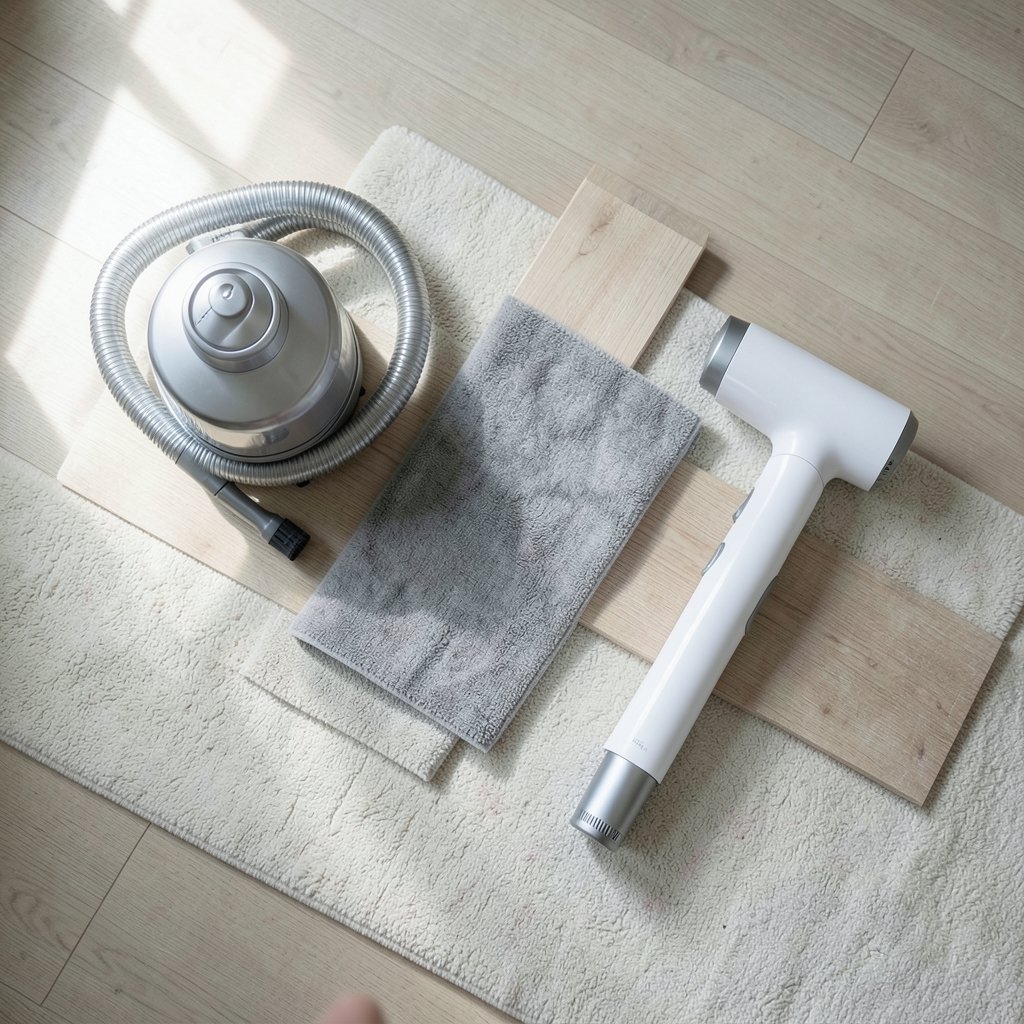
Floor type is the single biggest factor in whether a vacuum feels like a bargain or a regret. Uprights are often heavier but easier to push across deep carpet. Canisters and stick vacuums suit hard floors and stairs. Buying against that grain means fighting the machine every week.
| Home situation | Usually the better value | Why |
|---|---|---|
| Wall-to-wall carpet, larger home | Corded upright | Strong suction, no battery limits, simple repairs |
| Hard floors, small apartment | Cordless stick or compact canister | Light, quick, easy to store |
| Mixed floors, stairs | Corded canister | Reach and hose length beat weight savings |
| Allergies as a priority | Sealed bagged model | Filtration holds up as the bag fills |
A cheap corded canister may beat a mid-priced cordless on carpet, and a cordless stick may win for small apartments with hard floors. That is not a knock on either design. It is a reminder that “best for the money” is a question about your home, not a universal ranking.
If budget pressure is part of the picture, the same logic that applies to a realistic college money management plan for students applies here: small recurring costs, ignored for years, decide the outcome far more than the one-time purchase does.
What the Test Standards Actually Tell You
Two certifications are worth understanding because they show up on boxes everywhere and mean less than shoppers assume.
Carpet cleaning performance is standardized in the United States. The ASTM F608 test method measures how much embedded dirt a vacuum removes from carpet, and the Carpet and Rug Institute’s Seal of Approval program uses it, among other tests, to certify vacuums. A vacuum carrying that seal has been measured against a repeatable standard rather than a marketing claim. That is genuinely useful information, though it says nothing about hard-floor performance, noise, or durability.
HEPA filtration is defined by standards such as IEST-RP-CC001 and, in Europe, EN 1822. Here is the catch: the word “HEPA” on a vacuum label does not by itself guarantee sealed-system performance. Air can bypass a good filter through a poorly sealed housing. For allergy sufferers, a sealed system matters as much as the filter rating, and this is exactly where cheap machines cut corners invisibly.
Cordless runtime claims deserve skepticism too. Manufacturers typically quote maximum runtime with the motor on its lowest setting and no powered floor head attached. Real-world runtime on carpet with a powered brush is usually much shorter. A quoted 60 minutes can become 15 to 20 minutes of actual cleaning on carpet. Shoppers who plan around the quoted number end up disappointed; shoppers who halve it usually end up fine.
Corded vs. Cordless: The Trade-Off Nobody Explains Well
The corded-versus-cordless debate is really a debate about certainty. A corded vacuum delivers consistent suction until the bag or bin fills, needs no charging, and typically lasts a decade or more with basic care. A cordless vacuum trades that certainty for convenience: no cord to manage, easy storage, quick cleanup of small messes.
The convenience is real. So is the cost of it. Beyond battery replacement, cordless machines often have sealed batteries that owners cannot swap themselves, and filter cleaning becomes a routine chore rather than an occasional one.
A practical middle path many households land on: a corded machine as the workhorse and a light cordless for daily touch-ups. That is two purchases, but each one does what it is good at, and neither gets pushed past its limits.
Bagged vs. Bagless: Follow the Filters
Bagless vacuums avoid bag purchases but require filter cleaning and replacement, and they can lose suction as filters clog. Bagged models add ongoing bag cost but tend to hold performance more consistently, because the bag itself is part of the filtration system and gets replaced regularly.
The common mistake here is buying bagless to save money and then never cleaning the filters. Suction drops, the motor works harder, and the machine dies early. If bagless appeals, treat filter maintenance as part of the weekly routine, not an annual afterthought. If that sounds like a chore you will skip, a bagged model is the more honest choice, and the bags are cheaper than a replacement vacuum.
There is also a quiet cost angle: filter replacements for bagless machines are not free, and some models use proprietary filters that cost real money over five years. Add that to the comparison before deciding bagless is the budget option.
Features Worth Paying For and Features That Are Noise
Vacuum marketing loves features that sound impressive and change nothing about cleaning. Sorting the list before shopping keeps the budget focused.
Worth paying for:
- A sealed filtration system, especially for allergy households
- Height adjustment on carpet, so the brush actually contacts the pile
- A long hose and reach on canisters, which saves your back on stairs
- Widely available replacement parts and batteries
- Reasonable weight for the person who will actually carry it
Usually noise:
- App connectivity for a vacuum
- Digital displays that report things you cannot act on
- “Maximum suction” modes that drain a battery in minutes
- Exotic attachments that live in a closet after week two
Noise itself is worth a mention. EU energy-label rules for vacuum cleaners once set maximum noise and minimum dust-pickup requirements, and the label’s history is genuinely messy: 2014 rules, a 2018 court annulment on procedural grounds, and later replacement. The lesson for shoppers is simpler than the history: loud does not mean powerful, and quiet does not mean weak. Test the machine in person if you can, or read reviews that mention noise specifically.
The Mistakes That Waste the Most Money
Some buying errors show up again and again. Avoiding them is worth more than any single recommendation.
Buying for the showroom, not the living room. A machine that feels great in a five-minute demo can be exhausting after twenty minutes on real carpet. Weight and maneuverability affect real-world use more than spec sheets admit.
Trusting the runtime number. Halve the quoted cordless runtime for carpet cleaning and see whether it still covers your home.
Skipping the parts check. If the battery or a critical filter is discontinued in three years, the vacuum’s useful life ends there, no matter how well it cleaned.
Ignoring the consumables budget. Bags, filters, and belts add up. A machine that costs $80 less but eats $40 a year in proprietary filters is not the cheaper machine.
Overbuying for a small space. A large upright in a studio apartment is storage pain with no cleaning benefit. Match capacity to need.
The same pattern shows up in everyday money decisions: the item with the lowest price tag is rarely the item with the lowest cost. It is the reason a college money management plan that tracks small recurring expenses beats one that only watches big purchases, and it is why a practical breakdown of what money images and currency symbols really say is a useful reminder that value is often about context, not the number printed on the front. (State quarters worth money which ones actually hold value)
How to Decide in Ten Minutes
A short, structured comparison beats hours of browsing. Work through these steps in order:
- List your floor types and the percentage of each. Carpet-heavy homes should weight carpet performance first.
- Measure your storage space. If the vacuum does not fit, it will not get used.
- Set a five-year budget, not a purchase budget. Include bags, filters, and one battery replacement if cordless.
- Check that replacement parts and batteries are sold for the model you are considering.
- Confirm the filtration setup if anyone in the home has allergies.
- Read reviews that mention noise, weight, and real runtime on carpet, not suction alone.
Whoever does the vacuuming should make the final call on weight and handling. That single factor decides whether a well-reviewed machine becomes a daily tool or a closet ornament.
Conclusion
The best vacuum for the money is not the cheapest one on the shelf or the most expensive one in the review roundup. It is the machine whose design matches your floors, whose running costs fit your budget, and whose parts you can still buy in five years. Carpet-heavy homes usually get the most value from a corded upright with a sealed system and cheap consumables. Hard-floor apartments usually do better with a light cordless or compact canister, provided the runtime math works for their square footage.
Do the total-cost calculation, check the parts situation, and halve every runtime claim you read. Those three habits will save more money than any single brand recommendation, and they work no matter what the packaging promises.
Frequently Asked Questions
Is a more expensive vacuum actually better?
Not automatically. Price buys features, brand support, and sometimes better filtration, but it does not guarantee better cleaning on your specific floors. A mid-priced corded canister with a sealed system and cheap bags can outperform a premium cordless on deep carpet. Compare total cost of ownership and parts availability, not the sticker price alone.
How long should a vacuum last?
A well-maintained corded vacuum can last a decade or more, since the main wear items are belts, filters, and bags. Cordless models are usually limited by their battery: capacity drops to roughly 70 to 80 percent after several hundred full cycles, and replacement batteries cost $50 to $150 or more. If the battery is sealed and unavailable, the machine’s life ends with it.
Are cordless vacuums good enough as a main vacuum?
For small homes with hard floors, often yes. For carpet-heavy homes, usually not. Quoted runtimes are typically measured at low power without a powered floor head, so real carpet cleaning time is much shorter. Many households use a cordless for daily touch-ups and a corded machine for deep cleaning.
What does the Carpet and Rug Institute Seal of Approval mean?
It means the vacuum was tested against recognized standards, including the ASTM F608 method for measuring embedded-dirt removal from carpet, among other tests. It is a useful signal for carpet performance. It does not tell you anything about hard-floor cleaning, noise, durability, or the cost of consumables.
Is HEPA on the label enough for allergies?
Not by itself. HEPA media is defined by standards such as IEST-RP-CC001 and EN 1822, but a filter only helps if the whole system is sealed. Air that bypasses the filter through gaps in the housing defeats the purpose. Look for sealed-system designs and read reviews from allergy sufferers, not the filter rating on the box alone.
Bagged or bagless: which costs less over time?
It depends on how diligent you are. Bagless avoids bag purchases but needs regular filter cleaning and replacement, and clogged filters reduce suction. Bagged models cost more per use but hold performance consistently and are simpler to maintain. If you will not clean filters regularly, bagged is usually the cheaper, more reliable choice.



