
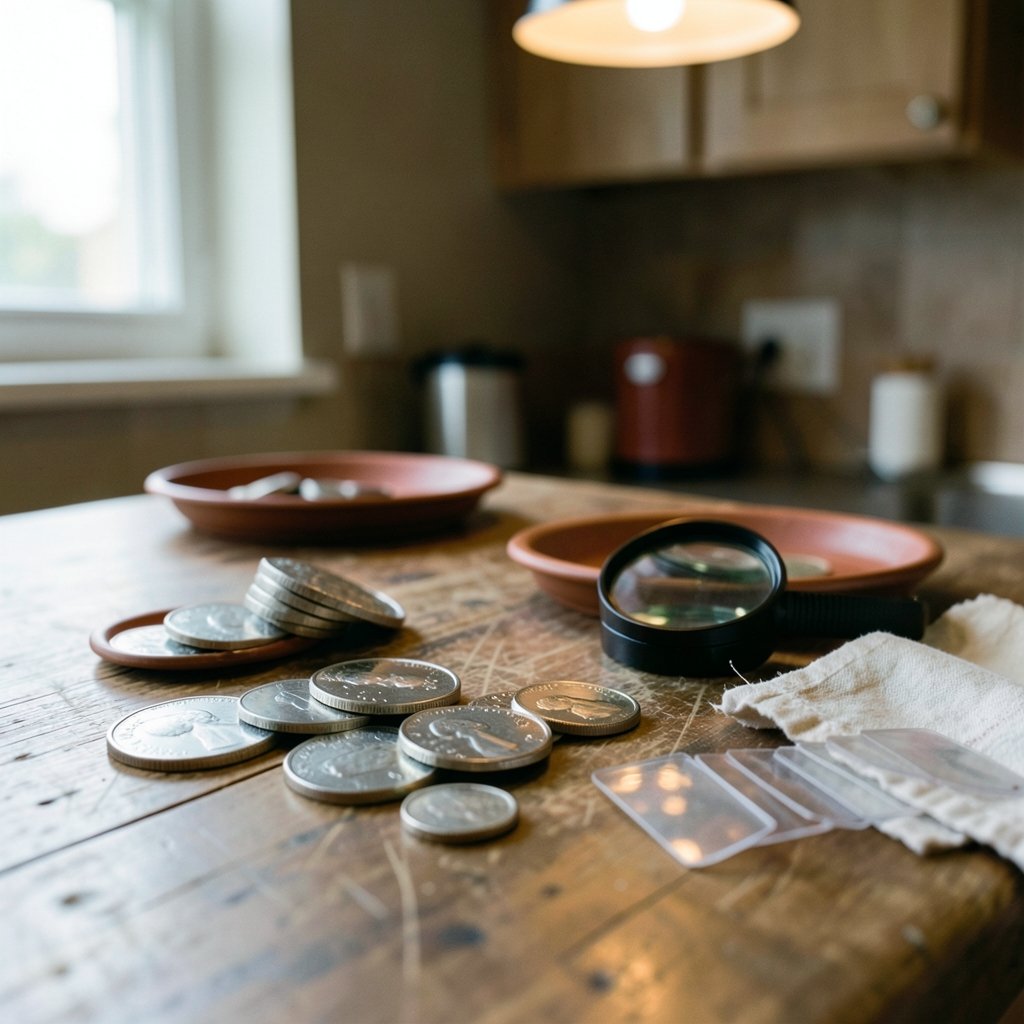
Is there a quarter in your pocket right now that’s worth more than 25 cents? Millions of people have asked that question since the 50 State Quarters Program began in 1999, and the honest answer is: probably not, but occasionally yes. The difference between a coin that buys a gumball and one that sells for hundreds of dollars comes down to a handful of specific factors that most casual collectors never learn.
This guide cuts through the hype. It explains what the state quarter program actually was, which varieties genuinely command premiums, how grading changes everything, and the mistakes that cause people to overpay or get taken advantage of.
What the 50 State Quarters Program Actually Was
The 50 State Quarters Program ran from 1999 through 2008, releasing five new quarter designs each year in the order states ratified the Constitution or joined the Union. Delaware came first in 1999; Hawaii closed out the series in 2008. The program was authorized by the 50 States Commemorative Coin Program Act, signed into law in December 1997, and it became one of the most successful coin programs in U.S. history by almost any measure of public participation.
Here’s the part that matters for value: the U.S. Mint produced these coins in enormous quantities. Hundreds of millions of each design entered circulation. Basic economics applies. Scarcity drives price, and there is no scarcity in a coin minted by the hundreds of millions.
That said, the program also produced collector versions. Proof sets and silver proof sets were sold directly to collectors during the run, and those are the pieces most likely to hold premium value today. A circulated Philadelphia-minted Virginia quarter is worth face value. A silver proof version in its original packaging is a different conversation entirely.
The Metal Value Reality Check
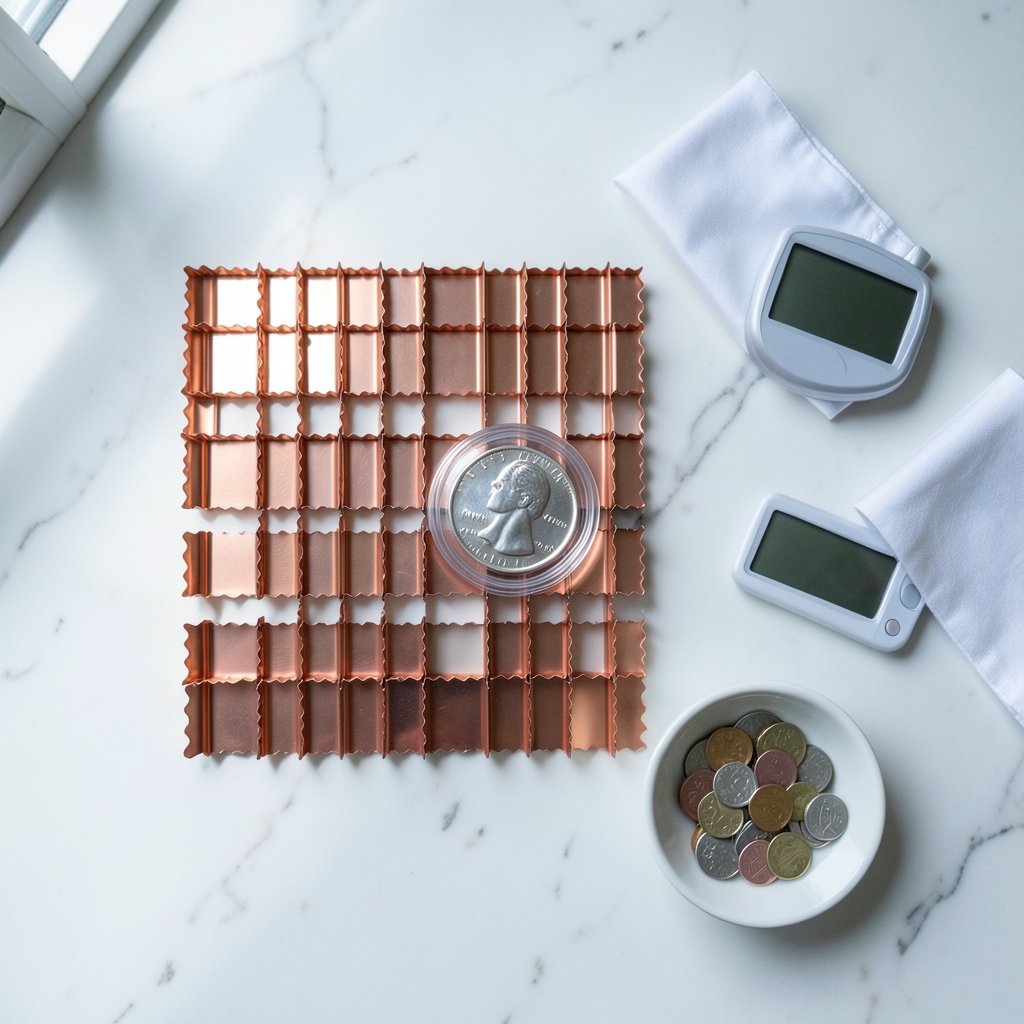
A common misconception is that state quarters contain silver. They don’t. Circulating state quarters are copper-nickel clad, weighing about 8.33 grams, with a metal value far below the 25-cent face value. Even during periods of high copper prices, the melt value of a clad quarter has stayed well under a dollar.
The exception is the silver proof versions sold to collectors, which contain 90% silver. Those were never meant for circulation and were priced at a premium from day one. If someone offers to sell you “silver state quarters” pulled from pocket change, that’s a red flag worth walking away from.
This matters because a lot of misleading content online conflates the two. Ordinary state quarters are not a hidden silver stash. They are pocket change with a nice design on the back.
Which State Quarters Are Actually Worth Money
Genuine premiums come from three places: error coins, low-mintage varieties, and high-grade specimens. Everything else is face value.
Error coins and famous varieties
The 2004 Wisconsin quarter is the celebrity of the series. A die error produced two varieties known as the Extra Leaf coins, one with the leaf positioned high and one positioned low near the corn stalk. These are legitimately scarce and trade well above face value, though reported prices swing wildly depending on grade, authenticity, and where the coin sells.
The 2005 Kansas “In God We Rust” error is another frequently cited variety, caused by a filled die that obscured the “T” in “TRUST.” It’s real, it’s collectible, and it’s also heavily counterfeited in online listings.
Other error types that carry premiums across the series include:
- Doubled dies, where the design was struck twice from a misaligned die
- Off-center strikes, where the coin was struck outside the collar
- Missing clad layers, where one layer of the clad sandwich failed to bond
These are manufacturing accidents, and collectors pay for accidents. The catch is that identifying them requires practice. A magnifying glass and a reference guide are the minimum equipment.
High-grade specimens
A state quarter that never circulated, still in mint state, can be worth more than face value to registry set builders. But “never circulated” is a high bar. A coin that sat in a jar for twenty years has bag marks and surface wear that knock it down the grading scale fast.
How Grading Changes Everything
Coin grading uses the 70-point Sheldon scale, in use since 1949. A perfect coin grades MS-70; a heavily worn coin might grade AG-3. The difference between MS-65 and MS-67 on a common state quarter can be the difference between a few dollars and several hundred, because at the top of the scale, populations thin out dramatically.
Third-party grading from services like PCGS or NGC means the coin is authenticated, graded, and sealed in a tamper-evident holder. That slab is what buyers trust. An ungraded coin described as “looks like MS-67” on an auction listing is worth a fraction of a graded equivalent, because the seller’s opinion isn’t verifiable.
The practical takeaway: if a coin is genuinely worth grading fees, grade it. If it isn’t, don’t. Grading a common circulated quarter costs more than the coin will ever be worth, and that math doesn’t change no matter how nice the design looks.
What Actually Works When You’re Sorting a Hoard
Anyone who inherited Grandpa’s jar of quarters or bought a roll at the bank faces the same question: where do I start? Here’s a sequence that saves time and prevents expensive mistakes.
- Separate proofs from circulation strikes first. Proofs have mirror-like fields and frosted devices. They came from sets, not pockets, and they’re the fastest path to anything valuable.
- Check for silver proofs by weight and appearance. Silver proofs look different and weigh slightly more than clad versions. Don’t rely on the date alone.
- Scan for obvious errors with a loupe. Look at the lettering, the rim, and the centers of the designs. Off-center strikes and missing clad layers are visible to the naked eye.
- Compare against sold listings, not asking prices. This is the single biggest mistake people make. An eBay asking price of $500 means nothing. A sold listing at $12 means everything.
- Set aside anything suspicious and research it before selling. Rushing to list a coin you don’t understand is how people leave money on the table, or worse, get accused of misrepresenting what they have.
That last point connects to a broader pattern in consumer finance: the gap between what something appears to be worth and what it actually sells for. The same gap shows up in subscription pricing, where advertised costs and real costs diverge. If you’re weighing whether a collector’s tool, app, or membership is worth the spend, it helps to read a breakdown of what an Xbox Game Pass subscription really costs before committing, because the sticker price rarely tells the whole story.
Common Mistakes That Cost Collectors Money
Mistake one: believing listicles. Articles promising that a 1999 Delaware quarter is worth $5,000 circulate constantly. They’re almost always describing a specific error variety or a top-population graded specimen, not the coin in your hand. The headline applies to perhaps a few dozen coins in existence.
Mistake two: confusing 2009 territory quarters with state quarters. The District of Columbia and U.S. Territories series followed the state run in 2009. They look similar, they’re frequently mixed into the same jars, and they’re sometimes misrepresented. Know which series you’re holding.
Mistake three: cleaning coins. Never clean a coin. Abrasive cleaning destroys the surface and drops the grade, sometimes by several points. A dirty coin is worth more than a scrubbed one, every time.
Mistake four: overpaying for “rare” sets. Late-night television and online sellers market state quarter collections at steep markups. A complete set pulled from circulation is worth roughly its face value plus a small premium. A factory-sealed proof set is a different product with a different price. Compare before buying.
Mistake five: ignoring the venue. The same coin can sell for wildly different amounts at a hobby shop, a coin show, an online auction, and a pawn shop. Pawn shops pay wholesale, sometimes well below. Coin shows and specialized auctions tend to produce the fairest prices for both sides.
Where the Real Money Sits in the Series
If you want a realistic picture, think in tiers rather than jackpots.
| Tier | What It Includes | Realistic Value Range |
|---|---|---|
| Face value | Circulated common dates in any grade below mint state | 25 cents |
| Small premium | Mint state common dates, partial sets | A few dollars |
| Collector premium | Proof sets, silver proof sets, complete albums | Tens of dollars |
| Genuine premium | Certified high grades, recognized error varieties | Hundreds of dollars and up |
Most people’s holdings land in the first two tiers. That’s not a disappointment; it’s just accurate. The interesting material exists, but it’s rare by definition.
The same principle applies across consumer decisions: the headline number and the realistic number are rarely the same. Budgeting tools illustrate this well, and if you’re comparing apps to track what your collection and hobby spending actually cost you, a look at YNAB versus Monarch Money and their different budgeting approaches can clarify which model fits how you actually spend. (CFPB: Money as You Grow (money basics))
How to Sell Without Getting Burned
Selling is where knowledge pays off, or doesn’t. A few practical rules:
- Get a second opinion before accepting any offer on a coin you believe is valuable.
- Photograph coins well, in natural light, front and back, before listing.
- Disclose everything you know, including uncertainty. Misrepresentation, even accidental, kills reputations and can create legal problems.
- Understand that auction fees, shipping, and grading costs eat into proceeds.
- Be skeptical of unsolicited buyers who contact you after you post photos. Scams in collectibles are common, and the pattern often resembles other frauds where victims rarely recover their money, much like how a gift card scam works and why victims rarely get their money back.
Should You Bother Collecting at All?
Yes, with clear eyes. The state quarter series is a genuinely enjoyable set to complete. It’s affordable, it’s educational, and it’s a low-stakes way to learn how coins are made, graded, and traded. The people who get the most out of it are the ones who treat it as a hobby first and an investment a distant second.
The people who get burned are the ones chasing headlines about five-figure quarters and buying marked-up sets from television pitches. The middle path, collecting for fun and learning to spot the occasional genuine variety, is where the actual satisfaction lives.
Conclusion
State quarters worth money exist, but they are the exception, not the rule. The value lives in error varieties like the Wisconsin Extra Leaf, in certified high-grade specimens, and in collector proof sets sold during the 1999 to 2008 run. Ordinary circulated quarters, however handsome, are worth 25 cents and will stay that way.
The practical path forward is simple: learn the error types, buy a loupe, check sold listings instead of asking prices, never clean a coin, and treat grading fees as a business decision rather than a reflex. Do that, and you’ll avoid the traps that catch most beginners. Skip it, and you’ll join the long line of people who paid real money for pocket change.
FAQ
Are state quarters worth more than 25 cents?
Most are not. Circulated common dates are worth face value. Premiums apply to error varieties, low-mintage issues, certified high-grade specimens, and collector proof sets. The coin in your pocket is almost certainly in the first category.
Which state quarter is the most valuable?
The 2004 Wisconsin Extra Leaf varieties are the most frequently cited, in both High Leaf and Low Leaf versions. Values vary widely by grade, authenticity, and venue. No single figure applies across the board, so check recent sold listings for comparable specimens.
Do state quarters contain silver?
Circulating state quarters are copper-nickel clad and contain no silver. Only the silver proof versions sold to collectors contain 90% silver. If someone claims to have silver state quarters from pocket change, be skeptical.
What is the “In God We Rust” quarter?
It’s a 2005 Kansas error caused by a filled die that obscured the “T” in “TRUST.” It’s a recognized variety that collectors pay premiums for, and it’s also frequently faked in online listings. Authentication matters.
Should I get my state quarters graded?
Only if the coin is likely worth more than the grading fee plus shipping and insurance. For common circulated quarters, grading costs more than the coin will ever be worth. For suspected error varieties or high-grade candidates, professional grading adds real credibility and resale value.
How do I know what a state quarter is actually worth?
Check sold listings and auction records for comparable coins in comparable condition. Asking prices on marketplaces are unreliable. A certified grade from a recognized grading service is the strongest signal of value, and recent completed sales are the strongest signal of price.



