
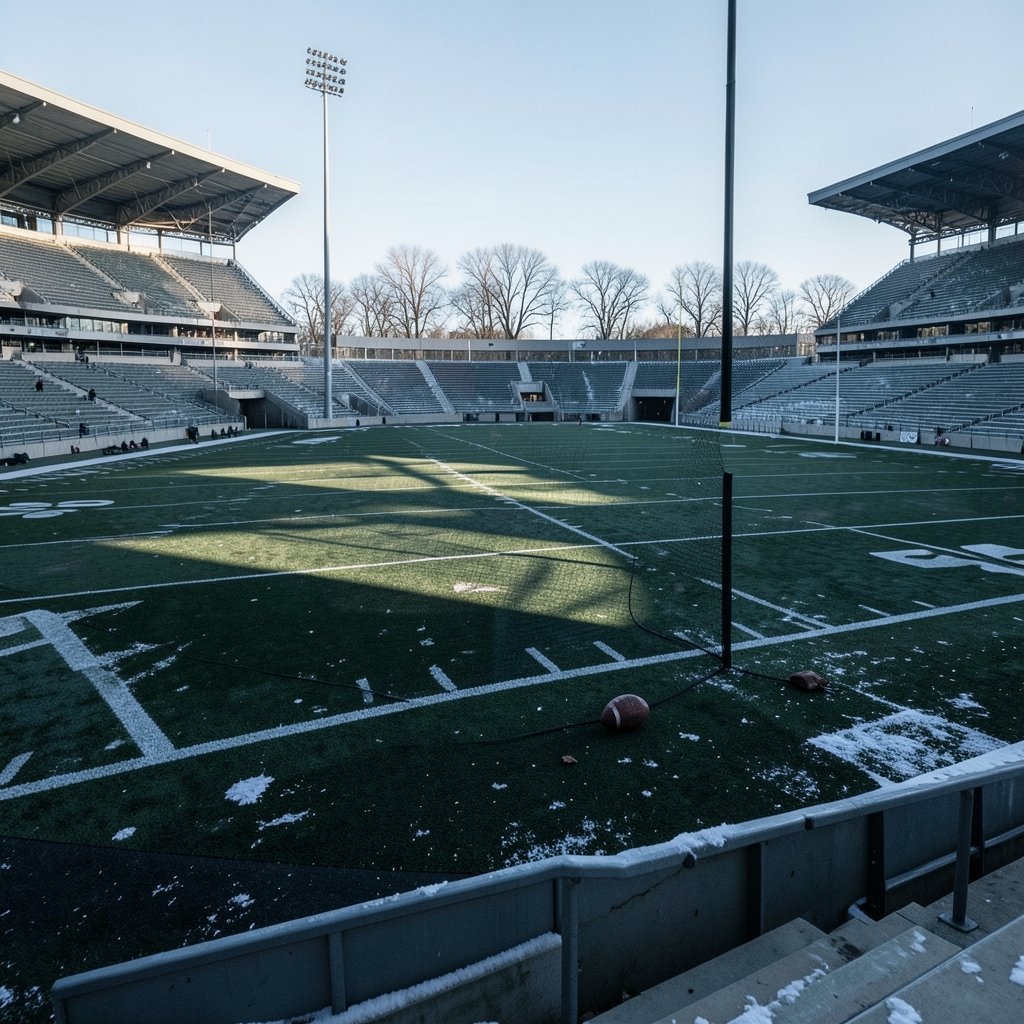
What makes a football rivalry stick in your memory? Usually it is not one game. It is a stretch of years where the same two teams keep meeting with something big on the line. That is the story of Broncos vs Patriots. For more than a decade, Denver and New England kept running into each other in January, and the results shaped legacies on both sides. Even now, with different coaches and different quarterbacks, the matchup still gets circled on the schedule. (American football)
This article breaks down how the rivalry grew, what the games usually look like, the mistakes fans make when they talk about it, and what to watch the next time these teams line up.
How the Broncos-Patriots Rivalry Took Off
The two franchises are not divisional rivals. They do not share a state, a market, or a conference division. What they share is a stretch of history where both teams were good at the same time, in the same conference, with two of the best quarterbacks of the era under center.
That overlap is the whole foundation. Tom Brady and Bill Belichick turned New England into a yearly contender. Peyton Manning arrived in Denver in 2012 and immediately made the Broncos a Super Bowl threat. When two teams are that good in the same conference, the playoff bracket does the rest. They meet in January, and January games carry weight.
The peak came in back-to-back AFC Championship Games. The 2013 season ended with Denver and New England playing for the conference title, and the Broncos won to reach the Super Bowl. The 2015 season produced the rematch, and this time Denver won again on the way to a championship. Two straight conference title games between the same two teams will turn any matchup into a rivalry, whether the teams want the label or not.
Two Different Ways to Win

Part of what makes this matchup interesting is that the two organizations built winners in very different ways.
| Factor | Denver Broncos | New England Patriots |
|---|---|---|
| Identity during the rivalry peak | Explosive offense built around a future Hall of Fame quarterback | System-driven team that adapted year to year |
| Home field | Mile High Stadium, with altitude as a real factor | Outdoor stadium in cold-weather conditions |
| Playoff meetings | Multiple AFC title game appearances | Multiple AFC title game appearances |
| Typical path to a win | Fast starts, vertical passing, controlling tempo | Discipline, situational football, limiting mistakes |
| Fan reputation | Loud, altitude-conditioned home crowd | Fan base used to deep playoff runs |
The altitude angle is not a myth. Visiting teams that are not conditioned for it often rotate players more, and kicking and stamina can shift late in games. Coaches plan for it. That is one reason Denver home games in this series tend to look different from games in Foxborough.
On the other side, New England’s edge was usually preparation and adjustment. The Patriots were famous for taking away what an opponent did best and forcing a team to win a different way. Against a quarterback like Manning, that meant disguising coverages and changing looks after the snap.
What the Games Usually Look Like
If you sit down to watch these teams play, a few patterns tend to show up.
First, the game is often decided in the middle of the field rather than only at the goal line. Field position matters. A team that keeps losing ten yards on a punt return or a penalty is quietly losing the game.
Second, turnovers swing these matchups hard. Both organizations have historically valued ball security, so when a fumble or interception happens, it usually comes at a bad moment and changes momentum fast.
Third, the fourth quarter is where the rivalry lives. Several meetings between these teams came down to a final drive, a late stop, or a coaching decision that got second-guessed for a week afterward. That is not an accident. When two well-coached teams play, the margins shrink, and the game gets decided by a handful of plays.
For fans who like digging into the numbers behind those plays, looking at patriots vs bills player stats read matchup numbers shows how individual stat lines can explain why a game turned out the way it did. The same habit works here. Box scores tell you who won. Player-level numbers tell you why.
Common Mistakes Fans Make When Talking About This Rivalry
A few myths and habits keep showing up in conversations about Broncos vs Patriots. Here are the ones worth correcting.
Treating it as a division rivalry. It is not. These teams play in different divisions and only meet regularly because the schedule rotates and because both were good enough to keep meeting in the playoffs. That is a different kind of rivalry than one built on twice-a-year games.
Assuming the series is lopsided in one direction. People remember the playoff games, and those memories are strong. But the all-time series includes plenty of regular-season games too, and the record looks different depending on which stretch you count. If you want to argue about who leads, pull the actual game log rather than going from memory.
Forgetting the quarterback eras. The rivalry people remember is Brady versus Manning. But both teams have had other quarterbacks and other coaches since then, and the matchup has changed with them. Judging a current game by 2015 standards leads to bad predictions.
Ignoring coaching. These two organizations were defined by coaching stability for years. When you talk about the rivalry, the head coaches matter as much as the players. A great game plan can beat a better roster.
Overweighting one bad game. A blowout in either direction gets treated as proof of something permanent. It rarely is. The NFL schedule changes every year, rosters turn over fast, and one result is usually just one result.
Practical Tips for Watching the Next Meeting
If you want to get more out of a Broncos-Patriots game, a little prep goes a long way. These habits actually help.
- Check the injury report before kickoff. Offensive line and secondary injuries change game plans more than most fans realize.
- Look at the weather and the venue. A cold, windy day in Foxborough plays nothing like a dry afternoon at altitude in Denver.
- Watch the first two drives closely. Coaches often script the opening series, so you can see what each team wants to establish.
- Track third downs. The team that converts on third down usually controls the clock and the game.
- Note the coaching matchups. Who is calling plays, and how quickly do they adjust after halftime?
- Check the broadcast details early. Kickoff times and channels shift with the schedule, so it helps to confirm where to watch Chargers vs Patriots: channels & streams – occcy style listings before game day, since the same broadcast rules apply across the conference.
One more practical note: if you are planning to attend a game in person, altitude is real. Drink more water than you think you need, take the stairs slowly on day one, and do not plan a long hike the morning of the game. Fans who ignore this usually regret it by the second quarter.
Why the Rivalry Still Matters
Rivalries fade when the teams stop being good at the same time. That is the honest risk here. The peak of Broncos vs Patriots was built on two Hall of Fame quarterbacks and two of the most stable coaching staffs in league history. When that era ended, the guaranteed January meetings ended with it. (National Football League official site)
But the rivalry has not disappeared. It changed shape. Now it is about two proud organizations trying to get back to the top of the AFC at the same time. Denver has rebuilt around a younger roster and a defense-first identity. New England has gone through its own transition. When both teams are competitive again, the schedule will put them in the same conversation, and the old playoff history will come back into the broadcast.
That history is worth knowing. It explains why a regular-season game between these teams gets more attention than a random Week 8 matchup. It explains why older fans still bring up the conference title games. And it explains why the matchup keeps showing up in highlight packages even in years when neither team is contending.
There is also a practical side to the rivalry that does not get discussed enough: it is a good measuring stick. Playing New England has historically forced opponents to be disciplined. Playing Denver has historically forced opponents to handle crowd noise and altitude. A team that wins both kinds of games is usually a team built for the playoffs.
What to Watch For Going Forward
If you are following the matchup going forward, keep an eye on a few things.
Quarterback development. The team that finds a long-term answer at the position first will probably control the next chapter of this series.
Coaching continuity. Rivalries are built by stable staffs. If either team changes coaches every two years, the matchup will feel more random than meaningful.
Defensive identity. Both franchises have won with defense at different points. A strong defense travels well and keeps games close, which is exactly how rivalry games get decided.
Schedule luck. The NFL rotates opponents, so the next meeting might come in a season where one team is rebuilding. That does not erase the history, but it changes what the game means at the time.
For fans who follow the business side of the sport, roster building is part of this too. Teams that manage the salary cap well can keep a contender together longer, and that directly affects how often these two teams meet with something on the line. If you are curious how vehicle pricing and lease structures work in a completely different market, Ford bronco lease deals is a separate topic, but the principle is the same: long-term planning decides who stays competitive.
Conclusion
Broncos vs Patriots is one of the better modern NFL rivalries because it was never about geography. It was about timing. Two great teams, two great quarterbacks, and a conference that kept putting them in the same bracket. The back-to-back AFC Championship Games are the anchor, but the regular-season meetings and the coaching battles are what gave the series its texture.
The rivalry looks different now than it did at its peak. That is normal. What stays constant is the way these games are usually decided: field position, turnovers, third downs, and a handful of fourth-quarter plays. Watch for those, check the injury report, and pay attention to the venue. You will see more of the game than most people in the stands.
Frequently Asked Questions
Are the Broncos and Patriots division rivals?
No. They play in different AFC divisions, so they do not meet twice a year by default. Their rivalry grew from playoff meetings and from a stretch where both teams were among the best in the conference at the same time.
When did the Broncos and Patriots play in the AFC Championship Game?
They met in consecutive AFC Championship Games following the 2013 and 2015 seasons. Denver won both, and the second win sent the Broncos to a Super Bowl title.
Why is altitude such a big deal in Denver?
Mile High Stadium sits well above sea level, and the thinner air can affect stamina and kicking. Visiting teams often rotate players more and plan hydration carefully. It is a real home-field factor rather than a talking point.
Who has the better all-time record in this series?
The honest answer is that it depends on which stretch you count. The all-time series includes decades of regular-season games plus the playoff meetings. If you want a firm answer, check a full game log rather than relying on memory of the playoff games.
What usually decides these games?
Field position, turnovers, and third-down conversion rate. Both organizations have historically valued ball security and discipline, so the team that avoids mistakes late usually wins. Coaching adjustments after halftime matter a lot too.
Is the rivalry still as intense as it used to be?
Not at the same level. The peak years were built around two Hall of Fame quarterbacks and very stable coaching staffs. The rivalry still carries weight because of that history, but its intensity now depends on how competitive both teams are in a given season.



