
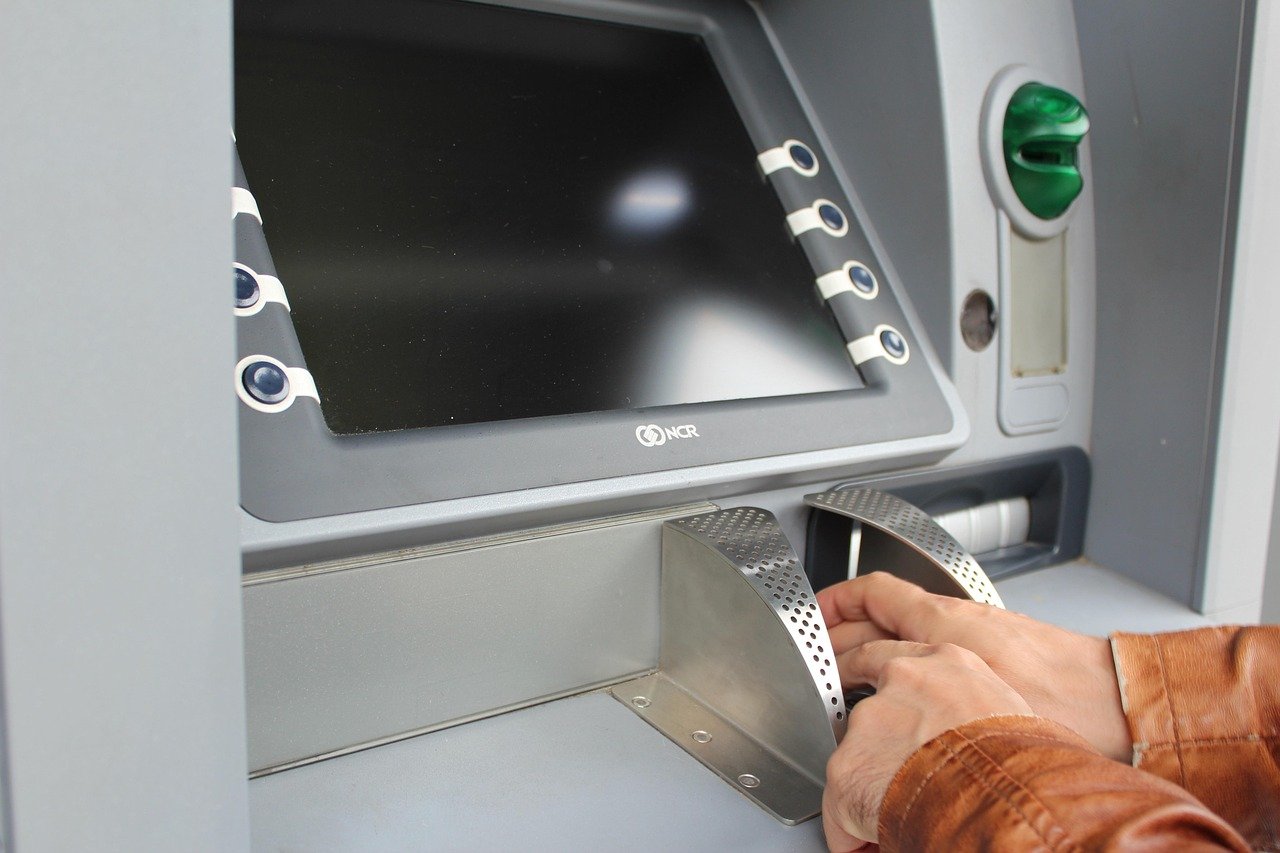
Quick Answer: Can i deposit money at any atm?
No. You cannot deposit money at just any ATM. A machine has to be built with a cash acceptor or envelope slot, and its owner has to switch that function on. Many ATMs, especially stand-alone machines in shops and bars, are withdrawal-only.
Even where deposits work, the practical answer narrows further. Most banks let you deposit at their own branded machines, and some let you use partner networks, but another bank’s ATM will often refuse the deposit or charge a fee. Foreign ATMs usually allow withdrawals but block deposits entirely.
Before you act, check the machine’s deposit capability, your bank’s network rules, any out-of-network fees, deposit limits and note denominations, the hold time on your funds, and whether you need a receipt that shows the counted amount.
Why “Any ATM” Is a Misleading Phrase
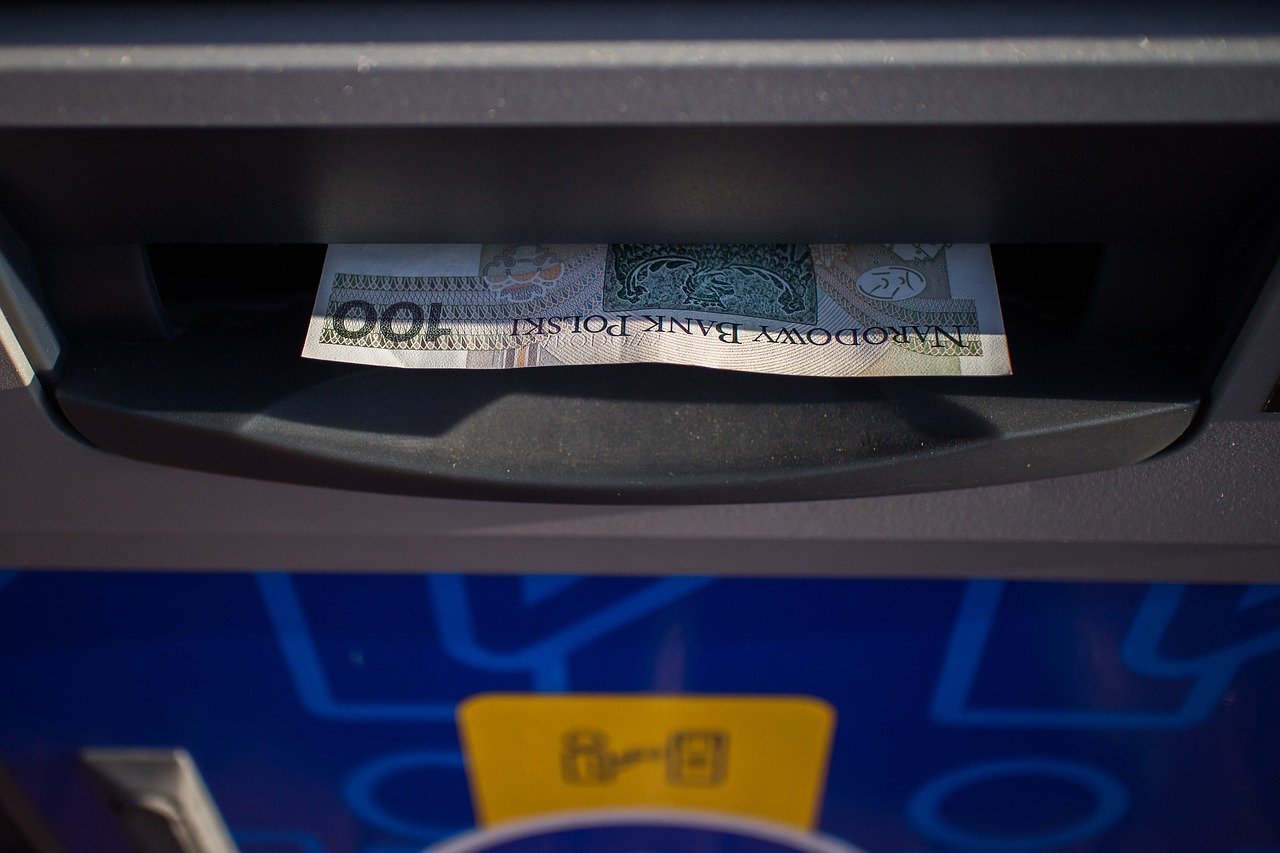
Picture the scene. Someone walks up to a cash machine outside a convenience store, card in hand, holding a folded twenty. They tap the screen expecting a deposit menu. Instead they get a withdrawal screen, a balance inquiry option, and a “card not supported” message. It happens constantly, and it is not the customer’s fault. The phrase “any ATM” simply does not match how the machine network is built.
An ATM is a privately owned terminal. A bank, a credit union, or an independent operator like a cash-machine company owns it. The owner decides which functions to enable. Withdrawals are the default because they are cheap and simple. Deposits are a different story. They require hardware (a cash acceptor, an envelope feeder, or a recycling module that both takes in and pays out notes), software that validates each note, and a secure process for collecting and reconciling the cash.
That is why a bank branch lobby machine might take deposits while the machine two blocks away at a gas station will not. They may look similar. They are not the same device.
How to Tell Whether a Specific ATM Takes Deposits
The fastest check is visual. Deposit-capable machines usually show a deposit slot separate from the card reader, often with a small light, a note icon, or a printed label. Envelope-deposit machines have a thin slot for paper envelopes rather than a wide cash acceptor.
The screen is the second clue. Insert your card and look at the menu before committing. If “Deposit” or “Make a Deposit” appears, the machine is enabled for it. If you only see withdrawal, balance, transfer, and PIN change options, walk away.
A third check is the branding. A machine carrying your own bank’s logo is far more likely to accept deposits than a generic terminal with a sticker listing a dozen network names. Those stickers tell you whose cards the machine will accept for withdrawals. They say nothing about deposits.
Practical tip: if the deposit option appears but the machine sits inside a shop with no bank branding, ask the staff whether the cash is collected by their company or by a bank. Independent machines that do accept deposits often have tighter limits and slower posting.
The Network Rule: Your Bank’s ATMs Versus Everyone Else’s
This is where most confusion lives. When a bank says “use any ATM,” it usually means any ATM in its own network, which includes its branded machines and those of partner institutions. It does not mean literally every cash machine on earth.
Depositing at another institution’s ATM typically triggers one of three outcomes: the deposit is refused, the deposit goes through but with an out-of-network fee, or the deposit goes through and posts slowly because the receiving bank has to route the funds to your bank. The last case is the sneakiest. Your money leaves your hand, but it may not show in your balance for days.
Fees are set by the machine owner and by your own account terms, so two people can deposit the same amount at the same machine and pay different amounts. The U.S. Consumer Financial Protection Bureau explains how ATM fees and surcharges arise and who charges whom, which is worth reading before you assume a machine is free. (Automated teller machine)
A simple rule that works in practice: deposit only at machines that carry your bank’s name, or at a partner your bank explicitly lists in its app or fee schedule. If you cannot confirm the machine is in-network, treat the deposit as risky.
Cash Acceptors Versus Envelope Deposits
Two deposit technologies exist, and they carry different risks.
| Feature | Cash acceptor (note feeder) | Envelope deposit |
|---|---|---|
| How it works | Machine scans and counts each note | You seal cash or checks in an envelope |
| Receipt | Usually shows the counted amount | Often shows only that an envelope was received |
| Dispute risk | Lower, because the count is recorded | Higher, because the count happens later |
| Rejected items | Damaged or foreign notes returned | Anything inside can be questioned |
| Availability | Common on modern bank machines | Older or simpler machines |
A cash acceptor gives you a receipt listing exactly what the machine counted. Keep it. An envelope machine gives you a receipt that proves you handed something over, not what was inside. If a human counter later disagrees with your figure, the dispute becomes your word against a number.
The practical lesson: prefer cash-acceptor machines, count your notes on camera before inserting them if the machine has a visible camera, and never deposit an envelope without writing the amount and your account number on it as instructed.
When Your Money Actually Becomes Available
Depositing is not the same as having the money spendable. In the United States, the Expedited Funds Availability Act, implemented through Regulation CC, sets limits on how long a bank can hold deposited funds before making them available. The Federal Reserve’s overview of Regulation CC explains the rules, including the fact that ATM deposits may be subject to holds that branch deposits are not.
In practice, this means a cash deposit at your own bank’s machine on a Monday morning might be available within minutes, while a check deposit on a Friday evening might not clear until midweek. Holds get longer when the deposit is unusual for your account, when the machine is out of network, or when the amount is large.
Plan around this. If rent is due tomorrow, do not rely on a deposit made tonight at a machine you have never used. Cash deposited at your own bank’s machine is usually the fastest route, but “usually” is doing real work in that sentence.
Limits, Denominations, and the Notes That Get Rejected
Machines are picky. Most cash acceptors cap how many notes you can insert in one transaction, and some cap the total value. A common pattern is a limit per deposit plus a daily limit across all deposits. Business owners routinely hit these ceilings and then have to visit a branch anyway.
Notes themselves cause trouble. Machines reject torn, taped, crumpled, damp, or heavily soiled notes. They reject coins almost always. They may reject older designs or foreign currency. If a note jams, the machine may return it, swallow it, or credit a partial amount, and the resolution path differs in each case.
Practical habits that save grief:
- Flatten and smooth each note before inserting it.
- Insert notes one at a time or in small batches, not a thick stack.
- Check the on-screen count against what you inserted before confirming.
- Take the printed receipt every time, even for small amounts.
- Photograph the machine’s location and ID number if a note is swallowed.
That last habit sounds paranoid until the first time a machine eats a fifty and the branch asks which terminal you used.
Business and Merchant Deposits Are a Different Animal
Anyone depositing takings from a shop, market stall, or side business should know that consumer ATMs are a poor fit. Coin is almost never accepted. Volume limits are low. Receipts may not satisfy bookkeeping requirements. And repeated large cash deposits into a personal account can trigger questions from the bank’s compliance team.
Businesses generally use night-deposit boxes, branch counter deposits, or a cash-handling service. Some banks issue merchant deposit cards that work at designated machines, but these are tied to a business account and a specific network, not to “any ATM.”
There is a broader money angle here too. Cash handling, fraud, and payment infrastructure all carry hidden costs that rarely appear on a fee schedule. If you are weighing how money moves in a modern account, the real cost breakdown in this analysis of where identity threat detection money goes shows how security spending quietly shapes the services banks offer.
Common Mistakes People Make
The single most common mistake is assuming a machine with a familiar logo belongs to a familiar bank. Franchise arrangements mean a shop’s ATM may carry your bank’s network sticker while being owned and operated by someone else entirely.
The second mistake is depositing without checking the amount on screen. People tap “confirm” out of habit. Then they discover the machine counted nineteen notes instead of twenty.
The third is ignoring the receipt. Without it, a dispute becomes much harder. The fourth is depositing at an unfamiliar machine late at night in a hurry, which combines every risk at once.
And the fifth is assuming a deposit is final. It is not. It is a claim that gets verified. If the count does not match, the bank adjusts your balance, sometimes weeks later.
Safer Alternatives When the ATM Will Not Cooperate
If no deposit-capable machine is nearby, several options remain. A branch counter is the most reliable, especially for large amounts or mixed cash and coin. Mobile check deposit handles checks without a machine, though cash is out. Some banks allow cash deposits at partner retail locations, where a clerk scans a barcode from your banking app.
Peer-to-peer transfers work for paying individuals but not for getting physical cash into your own account. And mailing cash is never a good idea, no matter how small the amount.
For readers thinking about broader financial habits, it helps to understand how fraudsters target cash-like instruments. A look at how the gift card scam works and why victims rarely get their money back explains why cash and near-cash payments deserve extra caution, and why a receipt is worth more than it seems.
What to Check Before You Walk Up to a Machine
A short checklist prevents most problems. Confirm the machine carries your bank’s branding. Confirm the deposit option appears on screen. Confirm your bank lists the location as in-network. Note the deposit limit and the hold policy for your account type. Keep the receipt. And if the amount is significant, consider the branch instead.
For anyone comparing the wider cost of financial services, from account fees to digital payment rails, background reading on how central bank digital currencies work helps explain where deposit infrastructure is heading next. (Bank accounts and services overview (CFPB))
Conclusion
The honest answer to whether you can deposit money at any ATM is no, and the sooner that expectation resets, the fewer frustrating evenings you will spend staring at a withdrawal-only screen. Deposits depend on hardware, on the machine owner’s choices, and on your bank’s network rules. Cash-acceptor machines at your own bank remain the fastest and safest route. Envelope machines work but carry dispute risk. Out-of-network and foreign machines usually refuse deposits outright. Check the screen, keep the receipt, watch the hold times, and treat every deposit as provisional until the balance confirms it. That habit alone will save you more money than any fee comparison.
Frequently Asked Questions
Can I deposit cash at an ATM that belongs to a different bank?
Sometimes, but usually not. Many banks refuse deposits at other institutions’ machines, and those that allow it may charge a fee and hold the funds longer. Check your bank’s app or fee schedule for in-network locations before trying.
Do all ATMs accept checks?
No. Check deposits require a scanner or an envelope system plus software that reads the item, and many machines lack both. Mobile check deposit through your bank’s app is often the easier route.
Why did the ATM reject my cash deposit?
Common reasons include torn, taped, crumpled, or foreign notes, exceeding the per-deposit note limit, inserting too many notes at once, or a jam. Flatten each note, insert in small batches, and keep the receipt if the machine swallows anything.
How long does an ATM deposit take to show up?
It varies. Cash at your own bank’s machine can post within minutes, while checks and out-of-network deposits may be held for several business days under funds-availability rules. Large or unusual deposits tend to be held longer.
Can I deposit coins at an ATM?
Almost never. Standard cash machines do not accept coin. Coin counting usually requires a branch, a coin machine, or a retail service that may charge a percentage.
Is it safe to deposit money at an ATM at night?
It carries extra risk. Lighting, cameras, and foot traffic matter, and a machine that jams after hours may leave your cash in limbo until the next business day. Daytime deposits at bank-branded machines are the safer habit.



