

How much cash can you actually stuff into a single money order before someone at the counter says “no”? If you have ever stood in a post office line with a rent payment in hand, you have probably wondered. The short answer: there is no single national number. The longer answer is that every issuer, from the U.S. Postal Service to the corner grocery store, sets its own ceiling. Understanding those ceilings matters, because a limit you hit at the wrong moment can delay a payment, hold up a deposit, or flag your transaction for extra scrutiny.
Who Sets the Limit, and Why It Is Never One Number
In the United States, no federal statute sets a universal maximum for a money order. Instead, each issuer decides its own per-item cap and often a per-customer daily cap. That means the same $800 payment might sail through at one counter and get rejected at another.
The reason limits exist at all comes down to risk. Money orders are bearer instruments. Whoever holds the paper can generally cash it, which makes them attractive to fraudsters who counterfeit them or use them in overpayment scams. Issuers cap the dollar amount to keep their exposure manageable and to stay inside anti-money-laundering obligations.
A useful comparison shows how different the ceilings can be:
| Issuer type | Typical per-item cap | Daily or rolling cap |
|---|---|---|
| U.S. Postal Service (domestic) | Around $1,000 | Often capped in aggregate per day |
| U.S. Postal Service (international) | Lower than domestic, commonly around $700 | Varies by destination country |
| Western Union / MoneyGram agents | Set by the agent and destination | Varies by verification status |
| Banks and credit unions | Set per institution | Often tied to account standing |
| Grocery and convenience stores | Often lower per item | Store-chain specific |
Those figures are moving targets. Issuers revise them, and an agent location can apply stricter rules than the brand’s published terms. The only reliable number is the one printed on the issuer’s own current page or told to you at the counter.
The Postal Service Caps Explained
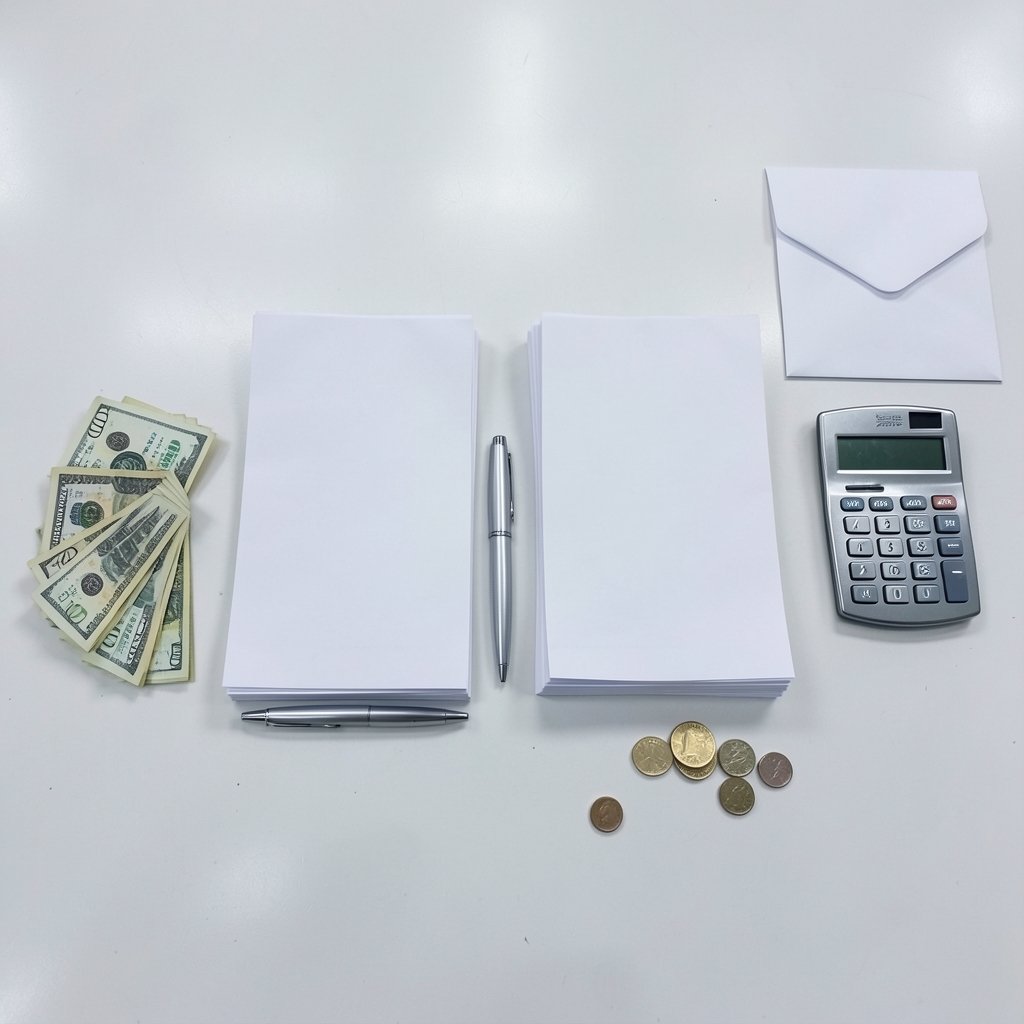
The U.S. Postal Service is the issuer most people picture when they hear “money order,” and its structure is the easiest to understand. Domestic money orders have historically topped out at $1,000 per money order. There is also a limit on how much a single customer can buy in one day, commonly cited as $25,000 in total.
International money orders sit lower. The cap has commonly been cited around $700, and the service is not available to every country. If you are sending funds abroad, check the destination list before you leave the house. Showing up with cash for a country that is not on the list wastes an afternoon.
One practical detail trips people up: the postal cap applies per money order, not per payment. If your rent is $1,400, you cannot buy one $1,400 postal money order. You buy two, and you pay two fees. Budget for that.
Why Banks, Retailers, and Remittance Brands Differ
Banks and credit unions that issue money orders through their teller windows typically set limits per item and per customer per day. Those limits often depend on your relationship with the institution. A long-standing account holder may get more headroom than someone who walked in off the street. If you bank somewhere and plan a large money order purchase, calling ahead is not paranoia. It is efficiency.
Remittance brands like Western Union and MoneyGram operate through agent networks, which adds a layer. The brand sets broad terms, but the individual agent, the destination country, and your verification status can all shift the ceiling. A first-time customer sending to a high-risk corridor may face a lower cap than a repeat customer with verified identification.
Retail money orders, the kind sold at grocery and convenience stores, tend to have the lowest per-item caps. That is fine for a $200 utility bill and frustrating for a security deposit. The trade-off is convenience: longer hours, more locations, and no need for a bank account.
The Rule Most People Learn the Hard Way
Here is the mistake that causes real trouble. Someone needs to move $12,000 and decides to buy a dozen money orders just under a reporting threshold to keep things quiet. That behavior has a name: structuring. In the U.S., deliberately splitting transactions to evade reporting requirements is a federal offense under 31 U.S.C. § 5324, even when the underlying money is completely legitimate.
Money orders count as monetary instruments under the Bank Secrecy Act. Issuers and sellers can be subject to recordkeeping and reporting rules, including Currency Transaction Reports for cash transactions above $10,000 and monetary instrument log requirements in certain cases. Trying to dodge those rules converts a boring paperwork problem into a serious legal one.
The honest approach works better. If you need a large sum moved, tell the issuer up front. Bring identification. Expect questions. A transparent transaction with proper records is not a problem for anyone. The same logic applies to other payment channels where scammers and legitimate users collide; the mechanics of fraud and loss are worth understanding, as this look at how the gift card scam works and why victims rarely get their money back shows.
Limits Around the World
There is no global standard. Postal systems and remittance networks in other countries set their own caps, shaped by local regulation, currency values, and fraud patterns. A limit that feels generous in one economy may be trivial in another. Anyone sending money across borders should treat the number as country-specific and confirm it with the issuing institution rather than assuming a familiar figure carries over.
Currency design itself is shifting too. As central banks explore digital alternatives, the question of how money moves and what caps apply keeps evolving, a topic covered in this explainer on CBDC digital currency and central bank money going digital.
Practical Steps Before You Buy
A little preparation saves a lot of counter-side surprises. Work through this sequence:
- Confirm the exact amount you need to send and whether one instrument can cover it.
- Check the issuer’s current per-item and daily caps on its own published page.
- Call the specific branch or agent location if the amount is large or unusual.
- Bring government-issued photo identification and be ready to explain the purpose.
- Ask about fees per instrument, because multiple money orders multiply the cost.
- Keep your receipts and the money order stubs until you confirm the payment cleared.
That last step matters more than people think. A lost money order is replaceable, but the process takes time and usually a fee. The stub is your proof of purchase.
Common Mistakes That Cost Time and Money
Buying multiple orders to dodge a cap. Splitting to stay under a reporting threshold is structuring. Splitting because the per-item cap genuinely requires two instruments is fine. The intent and the pattern are what matter.
Assuming the brand’s limit is the agent’s limit. A Western Union sign does not guarantee a specific ceiling at that counter. Ask.
Forgetting the fee math. A $1,000 cap does not mean $1,000 arrives. Fees come out, and some recipients charge their own cashing fee on top.
Sending to an ineligible country. International postal money orders are not available everywhere. Check first.
Ignoring the payee’s rules. Some landlords, agencies, and institutions refuse money orders above a certain amount or refuse them entirely. The issuer’s cap is only half the equation.
These same habits of verification pay off elsewhere. Anyone weighing a side income or a new financial tool should apply the same skepticism, whether the question is how to make money with AI or how AI companies actually make money. The pattern is consistent: understand the terms before the money moves. (Money transfers and remittances)
Where Verification Fits In
Identity checks are not an obstacle; they are the system working. Issuers verify who you are because money orders are a favored tool for fraud, and the costs of that fraud land on everyone. The economics of catching bad actors are lopsided, as this analysis of identity threat detection and where the money really goes makes clear.
For readers who want to see how adjacent payment systems handle limits and device rules, the mechanics of Z-Wave inclusion versus exclusion show the same principle in a different domain: order and sequence matter, and skipping a step causes failures that look mysterious later. Money orders are simpler, but the lesson transfers. Follow the process in order and the transaction goes smoothly.
Conclusion
Money order limits are not one number but a patchwork. The U.S. Postal Service caps domestic orders around $1,000 and international ones lower, commonly near $700, with daily purchase ceilings on top. Banks, remittance brands, and retailers each set their own terms, and agent locations can tighten them further. The smart move is simple: check the issuer’s current published limits, call ahead for large amounts, bring identification, and never split transactions to stay under a reporting threshold. Limits exist to manage risk, and a transaction that respects them moves faster than one that tries to slip past them.
Frequently Asked Questions
What is the maximum amount for a single money order?
It depends entirely on the issuer. The U.S. Postal Service has historically capped domestic money orders at $1,000 each, while international postal money orders have been capped lower, commonly around $700. Banks, remittance brands, and retail stores each set their own per-item limits, and those figures change over time. Always confirm the current cap with the specific issuer before you buy.
Can I buy several money orders to send a larger amount?
Yes, as long as you are not doing it to evade reporting requirements. Buying two money orders because a $1,400 payment exceeds a $1,000 per-item cap is normal and legal. Buying a dozen just under a threshold to keep the transaction off the books is structuring, which is a federal offense in the U.S. even when the money is legitimate. Be transparent and expect to show identification.
Is there a daily limit on money orders?
Often, yes. The Postal Service has historically limited total daily purchases, commonly cited at $25,000, and banks frequently impose per-customer daily caps tied to account status. Remittance agents may apply rolling limits based on your verification level and the destination. The daily cap is separate from the per-item cap, so check both.
Do money orders count as cash for reporting purposes?
They are treated as monetary instruments under the Bank Secrecy Act. Issuers and sellers can be subject to recordkeeping and reporting rules, including Currency Transaction Reports for cash transactions above $10,000 and monetary instrument log requirements in some situations. That is why large purchases often trigger questions and paperwork at the counter.
Why do international money orders have lower limits?
Cross-border payments carry more risk. Fraud, currency differences, and varying legal frameworks in destination countries make international instruments harder to police. Postal international money orders are also not available to every country. The lower cap limits exposure for the issuer and keeps the service manageable across jurisdictions.
What happens if I lose a money order?
You can usually request a replacement or refund, but the process takes time and often involves a fee. That is why keeping the receipt and the stub matters. Report the loss to the issuer promptly, follow its replacement procedure, and hold onto your documentation until the funds are confirmed resolved.



