

Quick Answer: Can you buy a money order with a debit card?
Yes. In most cases you can buy a money order with a debit card, and the U.S. Postal Service, MoneyGram and Western Union outlets commonly accept them. The catch is that the seller sets its own payment rules, so the same issuer’s money order may be debit-friendly at one register and cash-only at another.
Credit cards are the usual exception. Many issuers and retailers decline them because a money order is close to cash and carries chargeback and fraud risk. A bank check or cashier’s check is a comparable but different instrument, issued by a bank rather than a retailer.
Before you head out, check the seller’s accepted payment methods, the per-item fee, the dollar limit per money order and per day, whether a PIN or signature debit transaction is required, and whether ID is requested.
Why the Debit Card Question Trips People Up
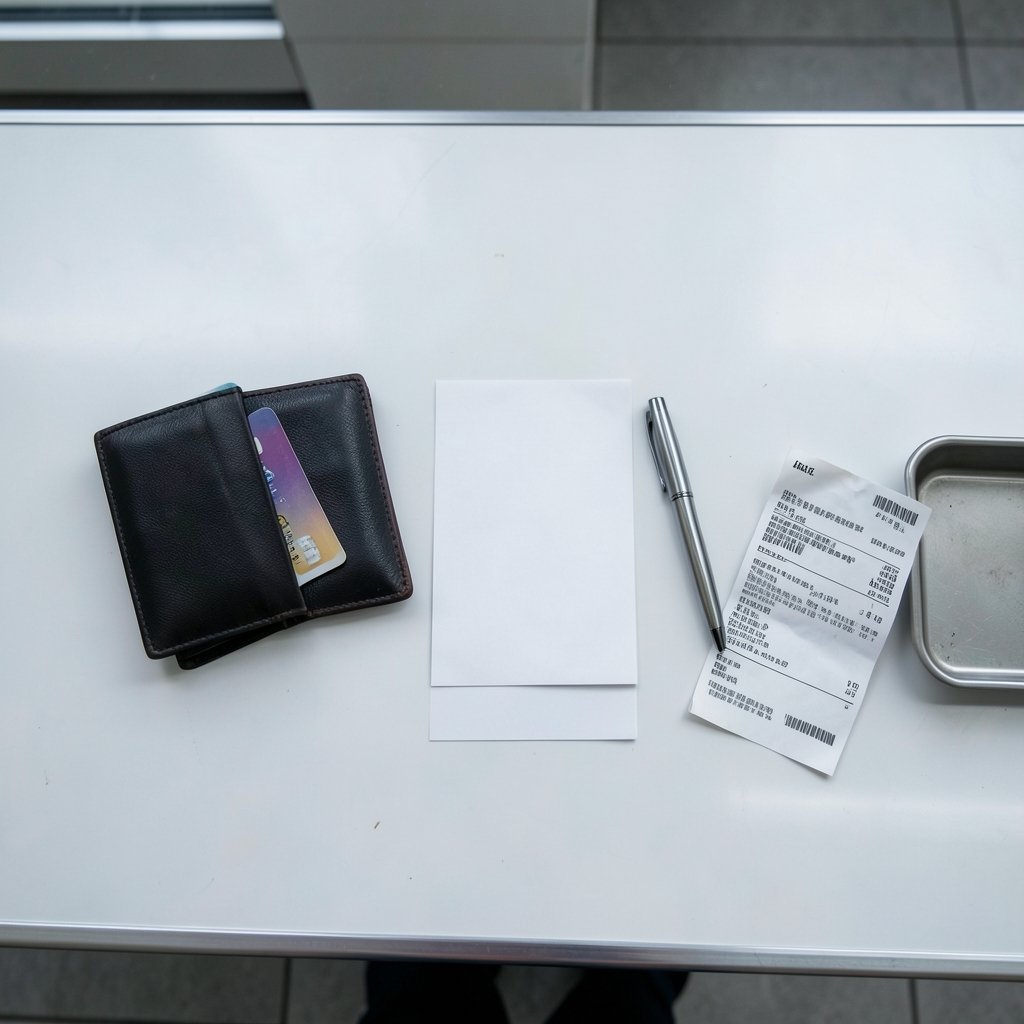
Picture this: you’re standing at a grocery store service desk, wallet open, debit card ready, and the clerk says, “Cash only for money orders.” You drove twenty minutes for this. Now what?
That scene plays out constantly, and it explains why the debit card question is so confusing. There is no single national rule that says yes or no. Money orders sit in a strange middle ground: they look like a payment product, they act almost like cash, and they’re sold by everyone from the post office to the corner bodega. Each seller makes its own call.
The good news is that the pattern is fairly predictable once you know what drives it. Debit cards are usually fine. Credit cards usually aren’t. Cash always works. And store policy can override everything else.
The Short Answer, and Where It Comes From
Money orders are commonly bought with cash or debit cards, while many issuers and retailers refuse credit cards. That’s a policy choice, not a federal law. No statute bans credit cards at the money order counter; companies simply decided the risk wasn’t worth it. (Prepaid cards)
Why the caution? A money order is prepaid and bearer-style. Once it’s handed over, tracking who bought it and who cashed it gets messy. A credit card chargeback on a near-cash item creates a dispute the seller may not be able to unwind. Debit cards carry less of that exposure for the merchant, which is why they’re more often accepted.
The other piece is regulatory. Money orders count as monetary instruments under the Bank Secrecy Act, and sellers have recordkeeping and reporting duties attached to them. That’s one reason you may be asked for ID or hit a purchase cap, even when paying by debit. The rules shape how sellers behave at the counter, but they don’t themselves forbid debit cards.
Debit vs. Credit vs. Cash: How the Three Compare
| Payment method | Usually accepted? | Typical reason | What to watch |
|---|---|---|---|
| Cash | Yes, almost always | Simplest to settle, no chargeback risk | Carry enough for the fee; large cash purchases may trigger ID checks |
| Debit card | Often yes | Lower fraud exposure for the seller | PIN vs. signature routing, bank holds, daily debit limits |
| Credit card | Often no | Chargeback and fraud risk | Store policy varies; don’t count on it |
| Prepaid card | Sometimes | Treated like debit by some sellers | May be declined if the card isn’t registered to your name |
The practical takeaway: debit is your best card option, cash is your safety net, and credit is a coin flip you shouldn’t rely on.
Where You Can Usually Pay by Debit
Some sellers are more debit-friendly than others. The post office is the classic example, and it’s often the most predictable stop because its money order terms, fees and limits are published rather than improvised at the register. You can review the U.S. Postal Service’s money order terms, fees and limits before you go, which takes the guesswork out of the trip.
Beyond that, large retailers, grocery chains and check-cashing outlets generally accept debit for money orders, though the register is the final word. Issuer-branded locations tend to follow the issuer’s own payment rules, which have historically leaned toward debit and away from credit.
A few practical patterns worth knowing:
- Service desks, not self-checkout. Money orders are almost always handled by a person at a counter, and that person enforces the store’s rules.
- PIN or signature matters. Some terminals only run one way. If your card fails, ask the clerk to try the other route before assuming you’ve been declined.
- Smaller stores are stricter. A bodega may want cash simply because it avoids terminal fees and settlement delays.
What to Bring and What to Expect at the Counter
Walk in prepared and the transaction takes about three minutes. Here’s the sequence most people go through:
- Ask first. Before you fill anything out, confirm the store sells money orders and accepts debit.
- Bring ID. Many sellers ask for a driver’s license or state ID, especially above certain dollar amounts.
- Know the payee name. You’ll write the recipient’s name on the money order. Get the spelling right; corrections are a hassle.
- Pay the fee separately or together. Some sellers add the fee to the total, others want it in cash. Ask.
- Keep the receipt and the stub. The stub is your proof if the money order is lost or stolen.
One underrated tip: check your bank balance and daily debit limit before you go. A money order plus fee can push a modest daily cap, and a decline at the counter wastes the trip. If you’re managing several cards or accounts, it helps to know which one has headroom. The same “check the fine print first” habit pays off in plenty of other purchases, whether you’re weighing a laptop decision or sorting out how to set up your graphics card for best performance.
Fees, Limits and Holds Nobody Warns You About
Three costs hide behind the simple question of whether debit works.
The per-item fee. Money orders typically carry a fee per item, often in the low single digits at many sellers and higher at some. Fees change, so verify current pricing rather than trusting a number you heard last year.
Purchase caps. Sellers and issuers often limit the dollar amount per money order and per customer per day. Need to send a large sum? You may be buying several money orders, which means paying the fee several times. A bank-issued cashier’s check is often cheaper for big amounts.
Bank holds and limits. A debit purchase may run as PIN or signature, and your bank may place a hold or block a large transaction. Your daily debit limit can stop a purchase that your balance would easily cover.
There’s also a consumer-protection wrinkle worth understanding. Debit card transactions carry error-resolution and liability protections under federal electronic funds transfer rules, but the money order itself generally isn’t covered the way a check or a card payment is. If a money order is lost or stolen, you’re working through the issuer’s replacement process, which usually involves a form, a waiting period and sometimes a fee. That’s a strong argument for keeping the stub and receipt.
People who handle a lot of transactions tend to develop a nose for where the risk sits. The same instinct applies to gift card scams, where victims rarely get their money back: prepaid value is hard to claw back once it moves.
Common Mistakes That Waste a Trip
A handful of errors account for most failed money order runs.
- Assuming credit works because debit does. They’re different rails with different risk profiles. Bring a debit card or cash.
- Forgetting the fee. Showing up with exactly the money order amount and no room for the fee is a classic.
- Skipping the ID. Some sellers request it above certain thresholds, and no ID means no sale.
- Not checking the payee spelling. A misspelled name can stall the money order when it’s deposited.
- Tossing the receipt. Without it, a lost money order becomes a much longer process.
- Ignoring store hours for the service desk. Money orders often aren’t available at every register or around the clock.
When a Money Order Isn’t the Right Tool
Money orders shine for rent, small bills and payments to people who don’t take cards. They’re a poor fit for large sums, where a cashier’s check or bank transfer usually costs less and moves more money in one go. They’re also a bad idea for anyone demanding payment urgently by money order, which is a hallmark of scams.
If you’re the type who likes to compare before committing, that same discipline shows up in plenty of buying decisions, from whether perfume mystery box blind-buy bundles really work to whether the best e-readers of 2026 actually matter before you buy. The principle is identical: know the terms before money leaves your account.
How to Confirm Your Specific Seller Accepts Debit
The single most reliable move is a thirty-second phone call or a glance at the seller’s posted payment policy. Ask three things: do you sell money orders, do you take debit, and what’s the fee and limit? That covers 90 percent of surprises.
If you can’t reach anyone, plan for the worst case. Carry enough cash to cover the money order and fee, keep the debit card as plan B, and leave the credit card at home. That combination gets you through virtually any counter in the country.
For anyone who tracks spending closely, this is also a good moment to review how your accounts are set up. Understanding where identity threat detection really costs and where the money goes helps you spot unusual charges on the same account you just used. And if you’re building out a home setup or a smart-home system alongside your errands, small ordering details matter there too, as anyone who has wrestled with Z-Wave inclusion vs exclusion and why order matters for every device can tell you. Even choosing hardware rewards a little prep, which is why guides on the best mini PCs of 2026 and what actually matters before you buy start with the same advice: check the specs that affect you, not the ones that sound impressive.
Conclusion
So, can you buy a money order with a debit card? Usually yes, and the post office and major issuers are the safest bets. But “usually” is doing real work in that sentence. Store policy rules the register, credit cards are frequently refused, and fees, limits and bank holds can derail a purchase even when the card itself is welcome.
The winning approach is boring and effective: confirm the seller’s payment rules, bring ID, budget for the fee, know your daily debit limit, and keep the receipt and stub somewhere safe. Do that, and the debit card in your wallet will handle the job at almost any counter you walk up to.
FAQ
Do Walmart and grocery stores take debit for money orders?
Many large retailers and grocery chains do accept debit for money orders, but policies vary by store and change over time. Confirm at the service desk before you shop, and bring cash as a backup in case the register declines the card.
Why do so many places refuse credit cards for money orders?
Because a money order is essentially prepaid cash. A credit card chargeback on a near-cash item creates a dispute the seller may not be able to resolve, and fraud risk runs higher. Refusing credit is a business decision, not a legal requirement.
Is there a limit on how much I can buy with a debit card?
Often yes, on two levels. The seller or issuer may cap the amount per money order and per customer per day, and your own bank may have a daily debit spending limit. Large amounts are usually cheaper as a single cashier’s check.
What happens if my money order is lost or stolen?
You file a claim with the issuer, which typically requires the receipt or stub, a form and a waiting period before a replacement or refund is issued. There may be a fee. This is why keeping your paperwork matters more than most people expect.
Can I buy a money order with a prepaid debit card?
Sometimes. Some sellers treat prepaid cards like regular debit, while others decline them, especially if the card isn’t registered in your name. If you only have a prepaid card, call ahead or plan to pay cash.
Do I need ID to buy a money order with a debit card?
Not always, but frequently. Many sellers ask for a driver’s license or state ID, particularly above certain dollar amounts, and recordkeeping rules around monetary instruments encourage that practice. Bring ID and the transaction goes smoothly.



