
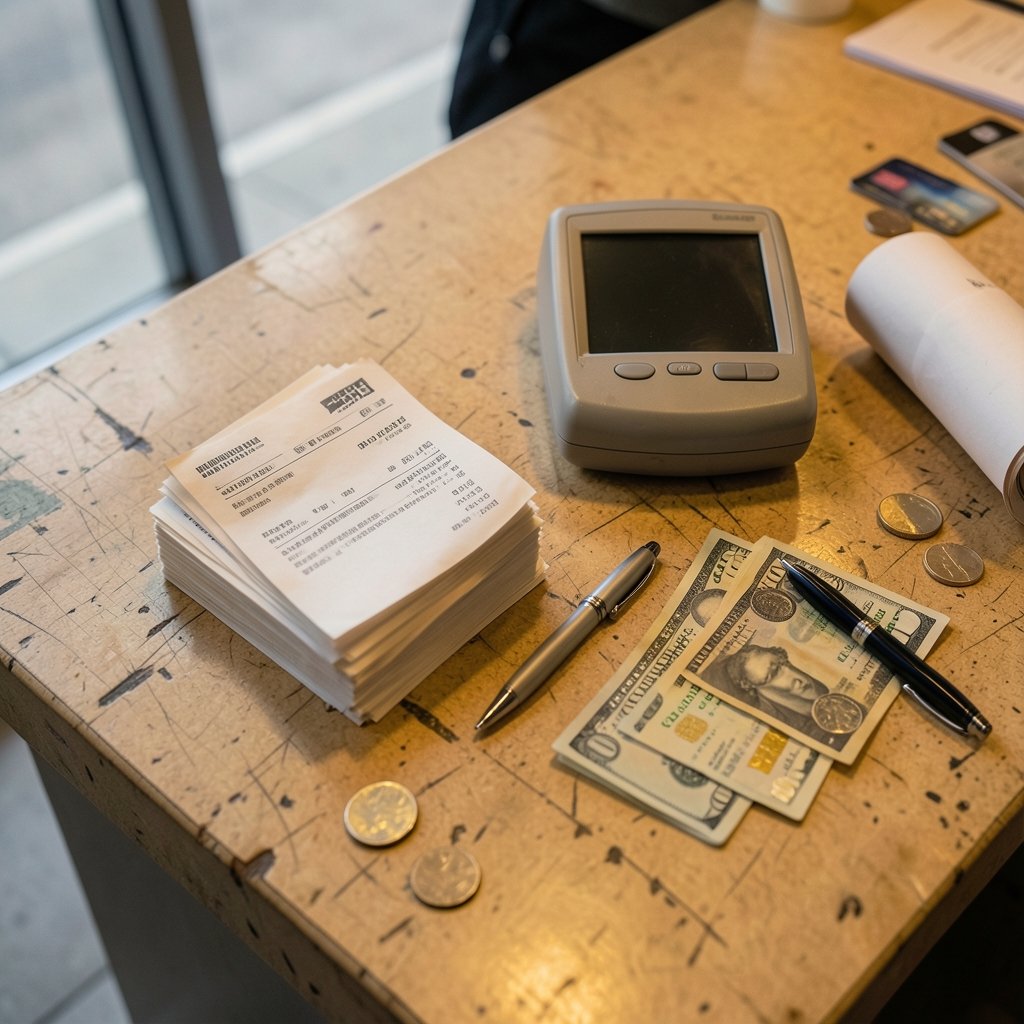
Quick Answer: Can you get a money order with a credit card?
No. In almost every case, you cannot buy a money order with a credit card. Most issuers and retail point-of-sale systems block credit cards for money-order purchases, so cash or a debit card is the realistic path at a post office, grocery store, or check-cashing counter. (Z wave inclusion vs exclusion order matters every device)
Some sellers accept debit cards where credit cards fail, and policies vary by issuer, retailer, and state. Before you head out, check the accepted payment methods, the per-order limit, the fee, whether a debit purchase is treated as a PIN or signature transaction, and how your card issuer codes the charge.
Why the Card Machine Says No
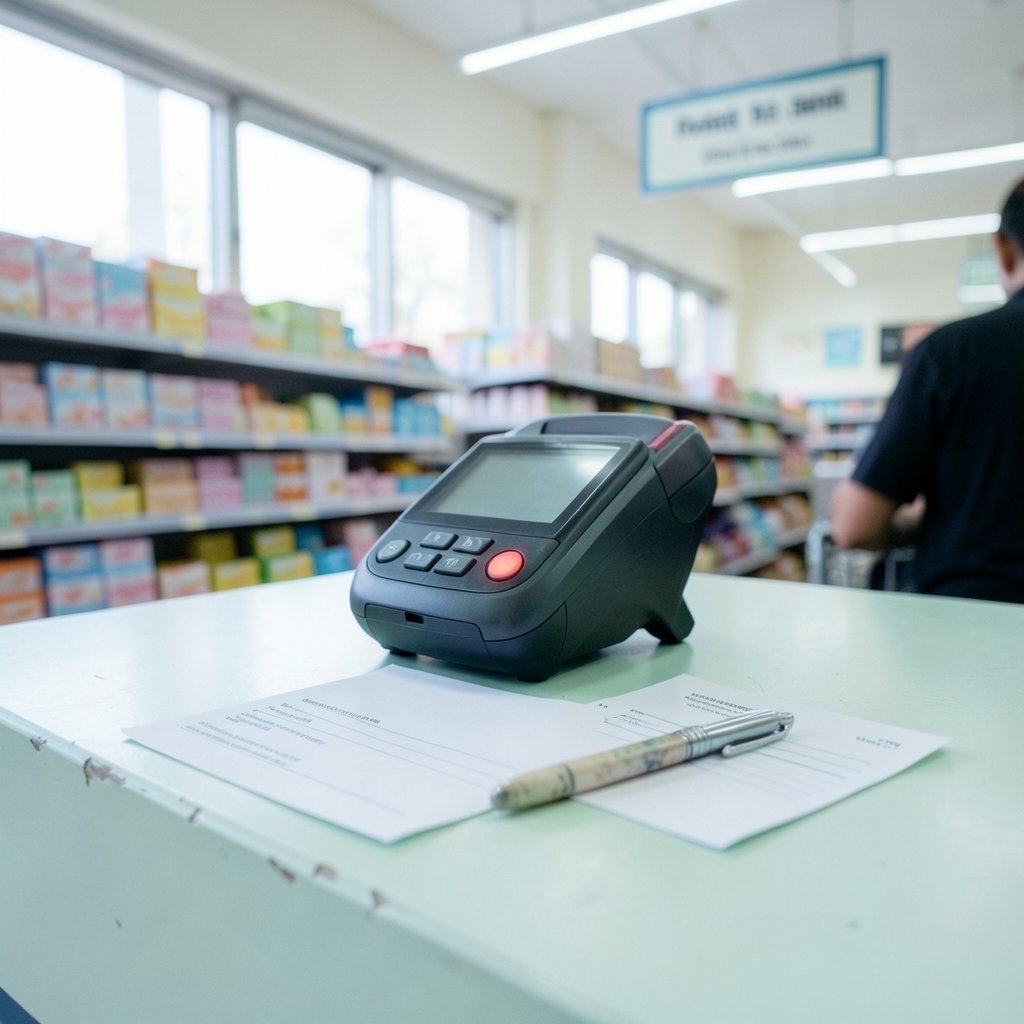
Picture the scene. You’re standing at a grocery store service desk, money order form in hand, and the cashier slides the card reader toward you. You tap your credit card. It beeps, flashes red, and the cashier shrugs: “We can’t take credit for money orders.”
That moment happens thousands of times a day, and it confuses people. A credit card works fine for a $60 bag of groceries two aisles over. Why not for a $500 piece of paper that functions like cash?
The answer sits at the intersection of fraud prevention, card-network rules, and plain old issuer policy. Nobody passed a federal law banning the combination. It’s a business decision, repeated across nearly every major seller of money orders, and it’s enforced quietly at the register.
The Short Version: It’s Policy, Not Law
There is no federal statute that says “credit cards may not purchase money orders.” If you go looking for one, you’ll waste an afternoon. The restriction comes from three overlapping layers:
Issuer terms. The companies that print and back money orders write their own payment rules. Many restrict purchases to cash or debit in at least some contexts. Those terms change over time and vary by agent location, so the only reliable source is the issuer’s current terms page.
Merchant systems. Retailers program their point-of-sale software to reject credit cards on money-order SKUs. The block can be hard-coded at the item level, which is why the same card that works for a birthday card fails for the money order next to it.
Card network coding. Card networks assign merchant category codes to transactions, and issuers can treat certain codes as cash-advance-like. That’s a technical mechanism rather than a single rule, but it shapes what gets approved.
The practical upshot: your credit card isn’t broken, and you didn’t do anything wrong. You simply ran into a policy wall that’s been standing for years.
The Real Reason: Fraud and Cash-Advance Abuse
Why would sellers care so much? Because a credit card purchase of a money order behaves like borrowing cash while possibly earning rewards, and money orders are hard to trace once cashed.
Think about how a money order works. You pay a small fee, and you get an instrument that’s as good as cash to the recipient. There’s no chargeback dance, no 30-day dispute window in the same sense, and the paper changes hands fast. For someone committing fraud, that’s an attractive combination: buy the instrument on borrowed money, cash it out, and leave the card issuer holding a disputed charge.
That fraud pattern connects to a broader problem. Scammers routinely push victims toward money orders and gift cards because both are hard to reverse, which is why consumer advocates keep warning that once a gift card scam works, victims rarely get their money back. Sellers know this, and blocking credit cards removes one easy laundering path.
There’s also the cash-advance angle. Credit card companies don’t love it when a transaction functions as a cash advance without being coded as one, because cash advances carry higher rates and no grace period. Blocking the purchase at the register is simpler than adjudicating thousands of edge cases later.
What Happens If a Credit Card Purchase Slips Through
Occasionally it does go through. Maybe a small retailer hasn’t configured its system, or an online seller processes the order as a generic purchase. When that happens, don’t celebrate too early.
Your card issuer may code the transaction as a cash advance. That usually means a higher APR that starts immediately, a cash-advance fee (often a flat dollar amount or a percentage, whichever is greater), and no interest-free grace period. A $500 money order can quietly cost you $15 to $25 extra before you’ve mailed it anywhere.
It can get stranger. Some issuers treat the charge as a purchase but flag the merchant category later, and a few cardholder agreements allow the issuer to reclassify transactions after the fact. Reading your cardholder agreement before you try isn’t glamorous, but it beats a surprise line item.
The identity threat detection question of where the money actually goes matters here too. A miscoded transaction can complicate disputes later, because the issuer may argue the charge was authorized and the instrument was delivered.
Where You Can Actually Buy a Money Order
The reliable route is cash or debit. Here’s how the main options shake out in practice.
| Seller | Typical accepted payment | Notes |
|---|---|---|
| U.S. Postal Service | Cash, debit; some locations accept checks or traveler’s checks | Domestic money orders capped at $1,000 per order under longstanding policy; confirm the current limit |
| Western Union agents | Cash or debit in many contexts | Terms and agent practices vary; check current restrictions |
| MoneyGram agents | Cash or debit at many locations | Debit may work where credit does not |
| Grocery stores and check cashers | Cash or debit | Store systems often block credit cards at the item level |
| Banks and credit unions | Cash or funds from your account | Often limited to customers |
A debit card is your best non-cash bet, but “debit” isn’t a magic word. Some retailers run debit as a PIN transaction and some as signature, and a few block both for money orders. If the first store says no, ask specifically whether debit works before you walk away.
One more practical note: bring identification. Many sellers require a photo ID for money orders above a certain amount, and the thresholds differ by state and retailer. Showing up without ID is one of the most common reasons a purchase stalls at the counter.
The Workarounds People Try, and Why They Usually Fail
People are creative, and the internet is full of workarounds. Most of them don’t hold up.
Buying a prepaid debit card with a credit card, then buying the money order. This sometimes clears the register, but it stacks fees: a card purchase fee, a monthly or activation fee, and the money-order fee. It also may violate the prepaid card’s terms, and some issuers treat the load as a cash advance anyway. The math rarely works in your favor.
Splitting the purchase across cards. Retailers generally block the item, not the amount, so splitting doesn’t help.
Using a cash-advance feature at an ATM, then buying with cash. This works, but you’re paying cash-advance interest and fees to get there. If the goal is to send money cheaply, you’ve just made it expensive.
Asking a friend to buy it with their debit card. Fine in a pinch, but you’ve added a layer of trust and recordkeeping to something that was supposed to be simple.
The honest takeaway is that the workarounds cost more than they save. If you need a money order, plan for cash or debit from the start.
How Money Orders Fit Into the Wider Payment Picture
Money orders occupy an odd middle ground. They’re cheaper than wire transfers, more traceable than cash, and more accessible than a bank account for people who don’t have one. That’s why they persist even as digital payments expand.
Regulators treat them seriously. Money transmitters and money-order sellers fall under state oversight and federal recordkeeping rules tied to anti-money-laundering requirements, which is one reason sellers ask for ID and log transactions. Those rules govern recordkeeping and consumer protection, not whether a credit card is accepted, but they explain the paperwork you’ll fill out at the counter.
The payment world is also shifting. Central banks are exploring digital currencies, and the debate over a CBDC digital currency going digital touches on many of the same questions about traceability, access, and who controls the rails. Money orders are old technology, but the tension they represent, between convenience and control, is very current.
For now, the humble money order remains a cash-first product. That’s unlikely to change soon.
Practical Tips That Save Time and Money
A few habits make the errand painless.
Call ahead. A 30-second phone call to the service desk tells you whether debit works and what the per-order limit is. Store policies differ even within the same chain.
Bring exact cash if you can. Some sellers can’t make change for large bills, and a $1,000 money order paid with a $100 bill stack is smoother than one paid with a single large note.
Know the fee structure. Fees typically run from about $1 to $2 at the post office and a bit more at retail locations, but they vary. Compare before you commit, the same way you’d compare a home equity loan vs line of credit before borrowing.
Keep the receipt and the stub. The stub is your proof of purchase if the money order is lost or stolen, and replacing one without it is a headache.
Watch the clock. Money orders don’t expire the way checks do in every case, but stale instruments cause problems for recipients. Send them promptly.
If you’re managing money across several tools, it helps to understand where each one costs you. The same discipline applies whether you’re choosing a payment method or working out where identity threat detection really costs and where the money goes.
Common Mistakes to Avoid
The biggest mistake is assuming a credit card will work because it works everywhere else. It won’t, and standing in line only to be turned away wastes a trip.
The second is ignoring the cash-advance risk. If a purchase does go through on credit, check your statement. A surprise fee is easier to dispute in week one than month three.
The third is buying from an unfamiliar source. Money orders are a favorite tool of scammers, and a “deal” on a money order from a stranger is almost always fraud. Buy from established sellers with a physical presence.
The fourth is losing the paperwork. The receipt and stub are the only things standing between you and a lost $500.
Finally, don’t confuse a money order with a cashier’s check. They look similar, but a cashier’s check is drawn on a bank’s funds and usually requires an account relationship, while a money order is a prepaid instrument sold at retail. The payment rules differ too.
Conclusion
Can you get a money order with a credit card? Almost never, and the reasons are practical rather than legal. Sellers block credit cards to reduce fraud and cash-advance abuse, and their point-of-sale systems enforce the rule at the register. Cash and debit are the reliable paths, with the post office, major issuers, and many retailers all offering options.
If you try anyway and the charge clears, watch for cash-advance coding, fees, and immediate interest. If it’s blocked, don’t fight it. Grab cash or a debit card, bring ID, keep your receipt, and the errand takes ten minutes instead of an afternoon.
FAQ
Can I buy a money order with a debit card?
Often yes. Many sellers that reject credit cards will accept debit, though some run it as PIN-only and a few block both. Call the specific location before you go, since policies vary by store and chain.
Is it illegal to buy a money order with a credit card?
No. There’s no federal law against it. The restriction comes from issuer terms and merchant systems, not from statute, which is why you’ll sometimes see inconsistent enforcement across locations.
Why do stores refuse credit cards for money orders?
Mainly fraud and cash-advance abuse. A credit purchase of a money order can function like borrowing cash while earning rewards, and money orders are hard to trace once cashed. Blocking the card at the register is the simplest defense.
What happens if my credit card charge goes through anyway?
Your issuer may code it as a cash advance, which typically brings a higher APR, a fee, and no interest-free grace period. Check your statement within the first billing cycle and contact the issuer if the coding looks wrong.
What’s the maximum money order I can buy?
It depends on the seller. U.S. Postal Service money orders have historically been capped at $1,000 per order domestically, while retail sellers set their own limits, often lower. Confirm the current limit at the counter.
Can I use a credit card to send money another way?
Yes, though the costs differ. Remittance transfers, peer-to-peer apps, and wire services generally accept cards or bank funding, but fees and exchange rates vary widely. Compare the total cost before choosing a method.



