

What do people actually mean when they say someone has “g money”? The phrase gets thrown around in rap lyrics, on social media, and in everyday conversation, but its meaning shifts depending on who is talking. Sometimes it points to a stack of cash. Sometimes it is a nickname. And sometimes it describes a whole attitude about wealth and status.
This guide breaks down the most common meanings, where the term comes from, and how to tell which one someone means. It also looks at why slang about money spreads so fast and what that says about how people talk about cash today.
What Does G Money Mean?
g money is slang for a large sum of money, usually one thousand dollars. The “G” stands for grand, a word that has meant one thousand for well over a century. So when someone says “I dropped five Gs on that car,” they mean five thousand dollars.
The term also works as a nickname or persona. In pop culture, “G Money” has been used as a stage name, a character name, and a handle for people who want to signal that they are about money, about success, or simply cool. The capital G can stand for “gangster,” “grand,” or just a general marker of status, depending on context.
That double duty is why the phrase confuses people. It can be a unit of currency, a label for a person, or a vibe. The meaning lives in the situation, not in a dictionary.
Where the “G” in G Money Comes From
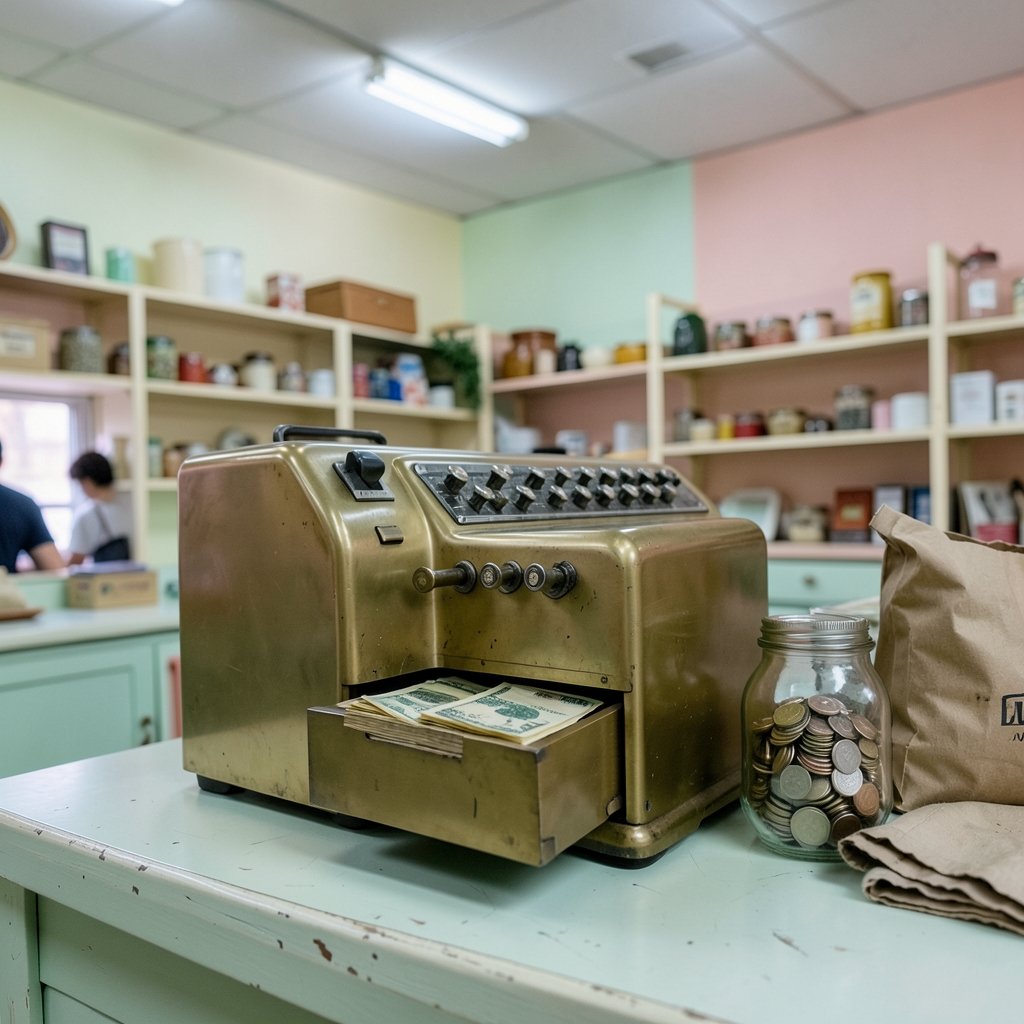
The letter G has carried a money meaning for a long time. Grand as a term for one thousand dollars shows up in American English going back to the late 1800s and early 1900s. It likely grew from the idea of a “grand” sum, meaning large or impressive. Over time, people shortened it to “G” for speed and style.
From there, the slang spread through music, movies, and street culture. Hip-hop in particular pushed “G” into the mainstream in the 1980s and 1990s, using it both for money and for the “gangster” persona. That overlap is why “G money” can feel like it is talking about cash and character at the same time.
Language about money tends to follow this pattern. Terms get shortened, repurposed, and layered with attitude. The same thing happens with digital money. When people talk about a central bank digital currency, the vocabulary is still forming, and the terms carry weight beyond their literal meaning. Anyone curious about how money itself is changing can read about how a CBDC digital currency moves central bank money into the digital age, which shows how new money terms always come with their own culture and confusion.
The Main Meanings of G Money
Most uses of the phrase fall into a few clear buckets. Here is how to sort them out.
| Meaning | What It Refers To | Example in Context |
|---|---|---|
| A thousand dollars | One grand, or “one G” | “He paid two Gs for that watch.” |
| A nickname | A person known as G Money | “G Money is hosting the party tonight.” |
| A status label | Someone who flaunts wealth | “Look at g money over here.” |
| A brand or handle | A business or social media name | “Follow G Money for deals.” |
The first meaning is the most literal and the most common in everyday speech. The second and fourth are about identity. The third is about attitude.
G Money as a Unit of Cash
When the phrase is used as a unit, it usually appears in the plural: “Gs.” One G equals one thousand dollars. Ten Gs equals ten thousand. This usage is casual and common in music, sports, and informal talk about prices.
The term is imprecise. A “G” can mean a thousand of any currency in casual use, though it most often refers to US dollars. Context usually makes it clear. (Gram)
G Money as a Nickname
As a nickname, “G Money” signals confidence and a connection to wealth or street credibility. It has appeared in film, music, and sports. A character named G Money shows up in 1990s comedy, and several rappers and athletes have used variations of the name.
The nickname works because it is short, punchy, and easy to remember. It also carries a bit of swagger. People who adopt it are usually making a statement about how they want to be seen.
G Money as an Attitude
Sometimes the phrase is not about a specific amount or a specific person. It is a way of describing someone who acts rich, talks about money, or shows off. In this sense, “g money” is closer to a personality label than a financial one.
This usage can be playful or mocking. Tone matters. Said with a smile, it is a joke. Said with a sneer, it is a critique of someone who brags.
Why Money Slang Spreads So Fast
Slang about money travels quickly because money is one of the few topics almost everyone cares about. People want words that make talking about cash feel less stiff and more social. Short terms like “G,” “stack,” and “bands” do that job.
Music and social media accelerate the process. A term used in a hit song can go global in weeks. A viral post can turn a local phrase into a national one. This is not new, but the speed is.
The flip side is that slang about money often gets tangled up with scams and hype. When people talk fast about easy cash, it pays to slow down. A good example is the gift card scam and why victims rarely get their money back, which shows how casual money talk can hide real risk. Knowing the vocabulary is useful, but knowing the warnings matters more.
Common Mistakes People Make With the Term
A few habits trip people up when they use or hear “g money.”
- Assuming it always means cash. It often does, but it can also be a name or a vibe. Check the context before you decide.
- Confusing one G with one dollar. A G is a thousand. Mixing this up in a negotiation or a bet is an expensive mistake.
- Using it in formal settings. Slang belongs in casual talk. Dropping “G” into a business email or a contract reads as sloppy or unclear.
- Missing the tone. The same phrase can be friendly or insulting. Read the room before you respond.
- Trusting anyone who leads with money talk. Fast talk about big sums is a classic setup for fraud. Slow down when someone pushes urgency.
In practice, the safest approach is simple. If the amount matters, ask for the number in plain language. If the name matters, ask who the person is. Clear questions beat clever slang every time.
How G Money Fits Into the Wider Money Conversation
The phrase is small, but it sits inside a much bigger shift in how people talk and think about money. Cash is no longer the only game. Digital payments, apps, and new currencies have changed the vocabulary.
That shift has created real confusion, and confusion creates opportunity for bad actors. Understanding where money goes is a skill. A useful starting point is a breakdown of identity threat detection and where the money really goes, which explains how fraud costs add up in ways most people never see. The same logic applies to slang: the surface is simple, but the layers underneath are worth knowing. (Metric (SI) Prefixes)
There is also a growing industry around money advice itself. AI tools now promise to help people earn, save, and invest. Some of that is genuine, and some is noise. Readers who want to separate the two can look at a practical guide on how to make money with AI that focuses on realistic steps rather than hype. The takeaway is the same one that applies to slang: the words are easy, but the substance is what counts.
G Money in Culture and Everyday Talk
Culture keeps the phrase alive. Music uses it for rhythm and attitude. Film uses it for character. Social media uses it for handles and hashtags. Each use adds a new layer.
What makes the term durable is its flexibility. It can be a number, a name, or a mood. That range is why it has lasted while other slang terms faded. People like words that do more than one job.
It also reflects something real about how people relate to money. Cash is personal. It touches status, security, and identity. Slang gives people a way to talk about those feelings without being too direct. Saying “he’s got G money” is easier than saying “he’s rich and wants you to know it.”
How to Use G Money Correctly
If you want to use the term well, keep a few simple rules in mind.
- Use it in casual conversation, not in contracts or official documents.
- Make the amount clear when money is the point. Say “one thousand dollars” if there is any doubt.
- Match the tone of the room. Slang lands well with friends and poorly in formal settings.
- Do not assume everyone knows the term. Age, region, and background all affect familiarity.
- Stay alert when money talk gets pushy. Urgency is a warning sign, not a reason to rush.
These habits keep the phrase fun without letting it cause confusion or worse.
Conclusion
G money is a small phrase with a wide reach. It can mean a thousand dollars, a nickname, a status label, or a brand. The “G” traces back to “grand,” and the phrase grew through music, film, and street culture into everyday speech. Its flexibility is exactly why it has lasted.
The practical lesson is to read context before you react. When money is involved, clarity beats cool. Ask for the number, check the tone, and stay alert to fast talk. Slang is a tool, and like any tool, it works best when the person using it knows what it is for. Whether someone is counting Gs or answering to the name, the phrase says less about the cash than about the culture that keeps using it.
Frequently Asked Questions
What does g money mean in slang?
In slang, g money most often means one thousand dollars, with the “G” standing for “grand.” It can also be a nickname for a person or a way to describe someone who shows off wealth. The context of the sentence tells you which meaning applies.
Is a G always one thousand dollars?
In casual use, yes. One G equals one thousand, usually of US dollars. The term is informal, so it can occasionally refer to a thousand of another currency, but the meaning is almost always clear from context.
Where did the term grand come from?
Grand as a word for one thousand dollars has been used in American English since the late 1800s and early 1900s. It likely grew from the idea of a “grand” or large sum, and it was later shortened to “G” for speed and style.
Is G Money a real person’s name?
It can be. “G Money” has been used as a stage name, a character name, and a social media handle by several people over the years. It is not one specific person, so the name alone does not identify anyone.
Can g money be an insult?
It can be, depending on tone. Said playfully, it is a joke about someone acting rich. Said with a sneer, it criticizes bragging or showy behavior. The words stay the same, but the delivery changes the meaning.
Why does money slang spread so quickly?
Money slang spreads fast because money is a universal topic and short terms make it easier to talk about. Music, film, and social media push new words into wide use within weeks, and people adopt them because they feel social and current.



