
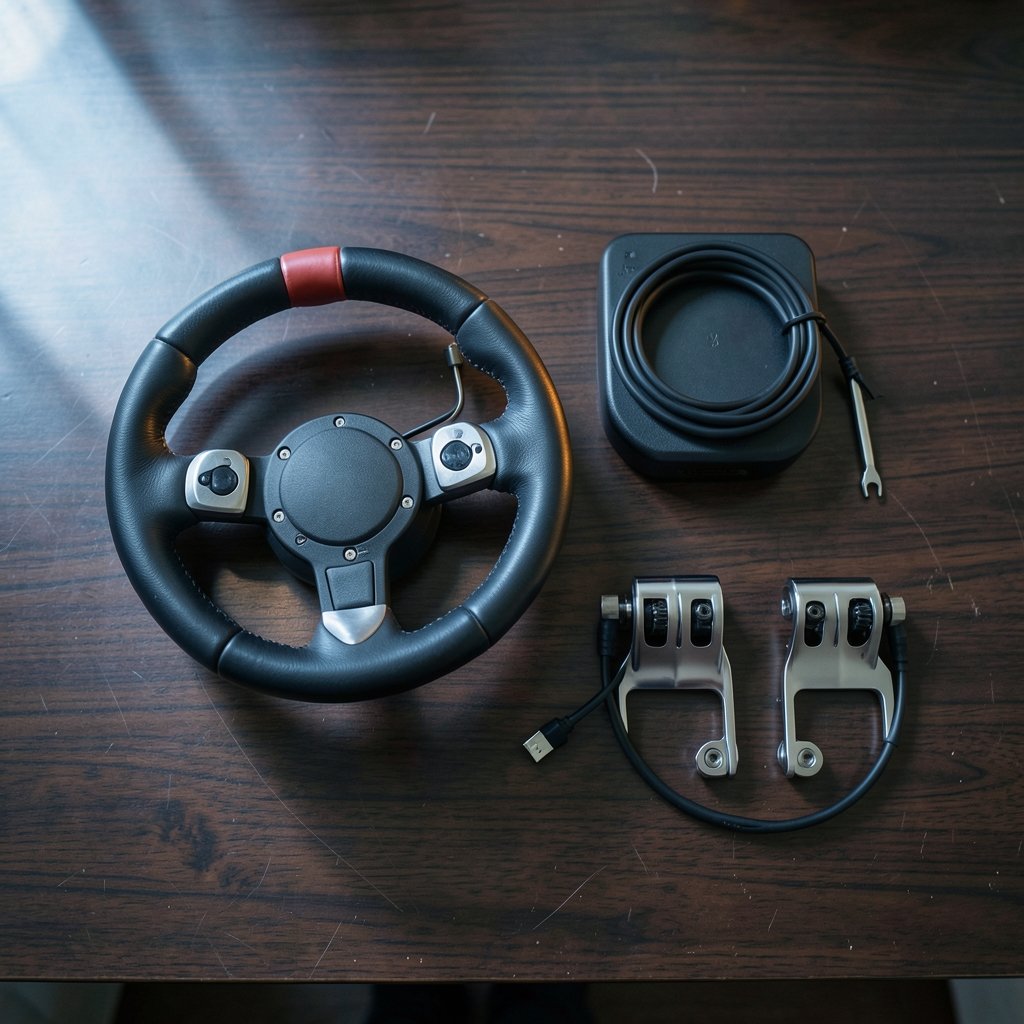
What if the biggest difference between loving and hating sim racing comes down to one purchase? That is often the case. The wheel in your hands decides how much information you feel through the road, how quickly you react, and whether you keep coming back for another lap. Picking one is less about chasing the fanciest spec sheet and more about matching a wheel to your platform, your space, and the way you actually drive.
Quick Answer: How do I choose racing wheels?
Choosing racing wheels means matching the drive type, force feedback strength, and platform support to your budget and rig before anything else. Start with the wheelbase category, then confirm the console or PC compatibility of the exact base and rim combination.
Gear-driven wheels sit at the entry point, belt-driven wheels smooth out the feel in the middle, and direct-drive bases deliver the most detailed feedback at the top. Each step up costs more and demands sturdier mounting.
Before buying, compare drive type, torque in newton-metres, platform compatibility, quick-release design, pedal quality, rig or desk mounting, software tuning options, and warranty terms.
Start With the Drive Type, Not the Brand Name
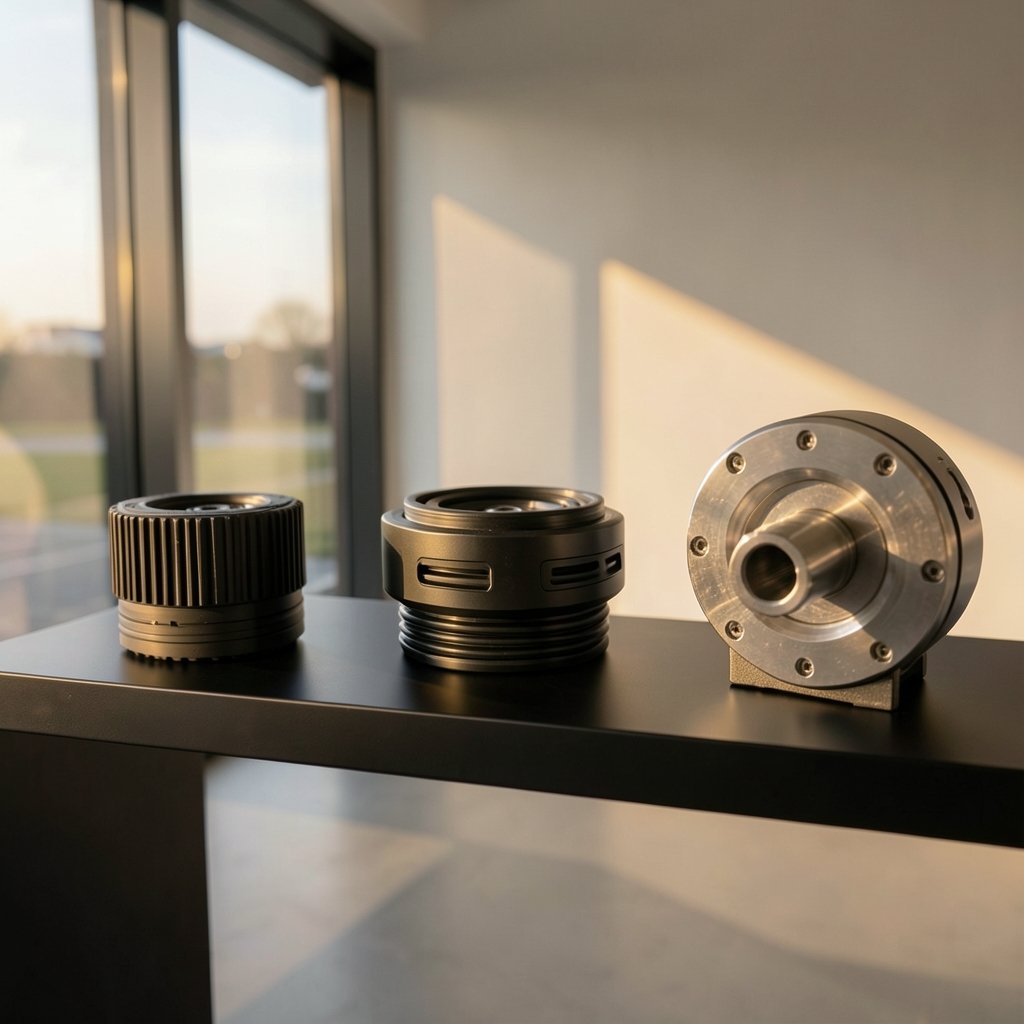
Most buying mistakes happen at step one. People fall in love with a shiny rim or a brand name and only later discover the base underneath does not suit them. The drive type is the foundation everything else sits on, so lock that in first.
Gear-driven wheels are the cheapest option. A motor turns gears that translate into force feedback, which gives them a notchy, slightly clunky feel. They are fine for learning race lines and having fun, but the feedback is coarse.
Belt-driven wheels use a belt to connect motor and wheel. The result is smoother and quieter than gears, with a mid-range price to match. Many people stay happy here for years.
Direct-drive bases connect the motor straight to the wheel shaft. There are no gears or belts in between, so the force feedback is faster and far more detailed. This is the top tier, and the price reflects it.
A useful way to see the trade-offs:
| Drive type | Feel | Typical price position | Best for |
|---|---|---|---|
| Gear-driven | Notchy, less detailed | Lowest | Casual play, tight budgets |
| Belt-driven | Smooth, mid-detail | Middle | Regular players who want value |
| Direct-drive | Fast, highly detailed | Highest | Serious sim racers, long-term setups |
If you are still building out a full sim setup, the same “fit before flash” logic applies to gear like racing wheels that actually matter before you buy, where the practical questions matter more than the marketing.
Force Feedback Torque: Read the Numbers Carefully
Force feedback, usually shortened to FFB, is the core feature of any sim wheel. Torque is quoted in newton-metres (Nm), and those numbers are the first thing shoppers compare.
Rough ranges give a sense of the ladder. Entry gear and belt wheels commonly land somewhere around 2 to 6 Nm. Mainstream direct-drive bases sit roughly in the 5 to 10 Nm band. High-end bases push 15 to 25 Nm or more.
Here is the catch, and it is a big one: there is no independent standards body for sim-racing FFB torque. Manufacturers measure differently, so comparing Nm across brands is not apples to apples. An 8 Nm base from one company may not feel identical to an 8 Nm base from another.
What actually works in practice is reading reviews that describe feel rather than fixating on the spec sheet. A well-tuned mid-torque base often beats a poorly tuned high-torque one. Also think about your own body and space. A 20 Nm base can genuinely fight back, and it needs a rigid mount to be safe and usable.
Platform Compatibility Is a Hard Limit
This is where buyers get burned most often. Wheels are sold for PC, PlayStation, or Xbox, and support varies by base and by rim. A rim that works on one console may not work on another even within the same brand family.
The rule is simple: check the specific base, rim, and console combination rather than the brand logo on the box. Manufacturer support pages list compatibility, and those lists change over time, so verify at the moment you buy.
A common mistake is assuming a wheel marketed as “console ready” covers every console. It usually covers one. If you race on multiple platforms, confirm each one separately before spending money.
The Compatibility Trap: Quick Releases and Rims
Direct-drive bases often use proprietary quick-release systems. Fanatec, Moza, Simagic, and others each use their own design. That means once you pick a base, your rim options are largely tied to that maker’s quick-release design. (Figma alternatives beginners choose right design tool)
Third-party adapters exist, but they can affect warranty coverage and, in some cases, force feedback fidelity. Treat adapters as a workaround, not a plan.
Before committing, look at the rim range for that base. Ask whether the maker offers the shapes you want: round rims for rally and drifting, formula-style rims for open-wheel racing, GT rims for everything in between. A base with brilliant feedback but only two rim options may frustrate you in a year.
Pedals and Rig Often Matter More Than the Wheel
Here is the advice experienced sim racers repeat constantly: a load-cell brake pedal and a rigid cockpit usually deliver bigger gains than upgrading the wheelbase. This is community consensus rather than a controlled study, so treat it as strong opinion rather than hard science. (Best places study abroad choose country that fits you)
Think about why. Braking is where lap time lives. A load-cell brake measures pressure rather than travel, which makes consistent braking far easier. Meanwhile, a flexing desk or wobbly stand swallows the feedback your wheel is working hard to produce.
High-torque direct-drive bases typically need a sturdy rig or wheel stand. Desk clamps are usually only adequate for lower-torque wheels. If your plan is to clamp a 15 Nm base to a lightweight desk, rethink the plan before you order.
If you are assembling a broader setup, the same principle of matching gear to real conditions shows up in guides like choosing bike helmets that actually protect you and picking loader screener buckets: the spec that matters is the one that fits your actual use.
Budget Tiers Without the Guesswork
Prices move fast, so treat any figure as a snapshot rather than a rule. Still, rough tiers help you plan.
Entry gear or belt setups generally land under about US$300. Mid-range belt and entry direct-drive options sit roughly between US$300 and US$700. Mainstream direct-drive bases run about US$500 to US$1,200 before rims and pedals. High-end direct-drive gear goes well above that.
Notice the phrase “before rims and pedals.” A base price is rarely the full cost. Budget for a rim if one is not included, pedals if the bundle ones are weak, and mounting hardware if your desk will not survive the torque.
A sensible approach is to spend on the parts you touch most and upgrade in stages. Many people start with a solid belt wheel and good pedals, then move to direct drive later once they know they will stick with the hobby.
Software and Tuning Decide the Real Feel
Two identical wheels can feel completely different depending on driver software and in-game settings. FFB feel depends heavily on tuning, and some bases offer onboard adjustment so you can change settings without touching a PC.
Reviews consistently note this, though it is reviewer judgment rather than a standard. The practical takeaway: expect to spend an evening or two dialing things in. Turn down clipping, set rotation to match the car, and adjust strength to something you can hold for a full stint.
Common mistakes here include maxing out force feedback because bigger feels better (it does not, it just clips and numbs the detail), and never updating firmware. A quick software update fixes more problems than most people expect.
Warranty, Repairability, and the Long Game
Warranty terms and repairability vary widely by brand and region. Check your local consumer-protection rules, and read the warranty terms before buying rather than after something breaks.
Ask a few practical questions. Can you buy replacement parts? Is there a service center in your region? How long is the warranty, and what does it exclude? A slightly more expensive base with good local support often beats a bargain with no path to repair.
This is the unglamorous part of the decision, and it is exactly the part people skip. If you are weighing several options, the same disciplined comparison helps with choosing network segmentation that fits your business and comparing Trello alternatives as a beginner: define your real requirements first, then let the options compete.
A Practical Buying Checklist
Work through these steps in order and the decision gets much simpler.
- Decide your platform: PC, PlayStation, Xbox, or a mix.
- Set a total budget that includes rim, pedals, and mounting.
- Choose a drive type that fits that budget.
- Confirm the exact base and rim combination works on your platform.
- Check the rim range for shapes you actually want.
- Plan your mounting: desk clamp, wheel stand, or full rig.
- Read feel-focused reviews rather than torque numbers alone.
- Verify warranty and local repair options before paying.
If you follow that order, you avoid the classic trap of buying a brilliant base that will not fit your desk, your console, or your rim plans.
Conclusion
Choosing racing wheels comes down to fit, not flash. Match the drive type to your budget, confirm platform compatibility for the exact base and rim, and be honest about your mounting situation. Torque numbers are a starting point, not a verdict, because no independent standard makes cross-brand comparisons clean. Spend on pedals and a rigid rig when you can, tune your software properly, and check warranty terms before you commit. Do those things and the wheel in your hands will feel like the right one for years.
FAQ
Is direct drive always better than belt drive?
Not automatically. Direct drive offers faster, more detailed feedback, but a good belt wheel with strong pedals can beat a cheap direct-drive base paired with weak pedals and a flimsy desk. Match the whole setup, not one part.
How much force feedback torque do I actually need?
Most people are well served in the roughly 5 to 10 Nm range. Higher torque adds headroom and detail, but it demands a sturdy rig and careful tuning. More newton-metres does not automatically mean a better experience.
Can I use one wheel on both a console and a PC?
Sometimes, but it depends on the exact base and rim combination. Compatibility varies by product, so check the manufacturer’s support pages for the specific pairing rather than assuming a brand-wide answer.
Do I need a rig, or will a desk clamp work?
A desk clamp is usually fine for lower-torque wheels. High-torque direct-drive bases typically need a sturdy rig or wheel stand, because flex and movement swallow the feedback and can make the setup unstable.
Are third-party quick-release adapters a good idea?
They can work, but they may affect warranty coverage and feedback fidelity. Treat them as a workaround rather than a plan, and check the rim range for your chosen base before buying.
How often should I update wheel software?
Update when a new firmware or driver version addresses a problem you have, or when a game update changes compatibility. Regular updates are cheap insurance, but there is no need to chase every release.



