
What makes a Christmas gadget a hit rather than a dust collector by February? Every November, gift guides fill up with earbuds, drones, robot vacuums, smart speakers, and glowing novelty items, and every December millions of shoppers buy them. Some become daily companions. Others end up in a drawer next to a tangle of mismatched cables. The difference is rarely the price tag. It comes down to whether the gadget solves a real problem, whether the buyer checked the boring details, and whether anyone thought about what happens after the wrapping paper comes off.
This guide looks at the category honestly: what sells, what to check before buying, where safety rules bite, and how to pick a gadget that survives past the holiday season.
What the Christmas gadget category really is
Christmas gadget is not a formal product class. It is a retail-journalism label, a bucket that gift guides and stores use in the fourth quarter to group small consumer electronics: wireless earbuds, smart speakers, robot vacuums, drones, smartwatches, LED lighting, and novelty items with a seasonal hook. The label says more about timing than about technology. The same earbuds sold in July are “travel tech”; sold in December, they are a Christmas gadget.
That timing matters because the holiday retail calendar shapes everything. In the United States, Black Friday and Cyber Monday promotions land in late November, and the exact dates shift each year. Shoppers who plan around a fixed calendar rather than a fixed date tend to get better prices and less panic. The same logic applies to the holiday itself: if you are already tracking how the season lands on the calendar, the countdown to 25 December is a useful planning tool, and anyone thinking a year ahead can look at the Christmas 2027 date and weekend plan to see how the holiday falls. Gadget shopping is the same discipline: know the date, know the deadline, buy before the rush.
The category also has a predictable shape. Gift-guide editors favor gadgets that photograph well, demo easily, and fit a price band. Retailers favor gadgets with healthy margins and strong accessory ecosystems. Neither group has much incentive to warn you that a cheap drone needs registration, or that a novelty light-up toy may contain a coin battery. That job falls to the buyer.
Why some gadgets become favorites and others become clutter
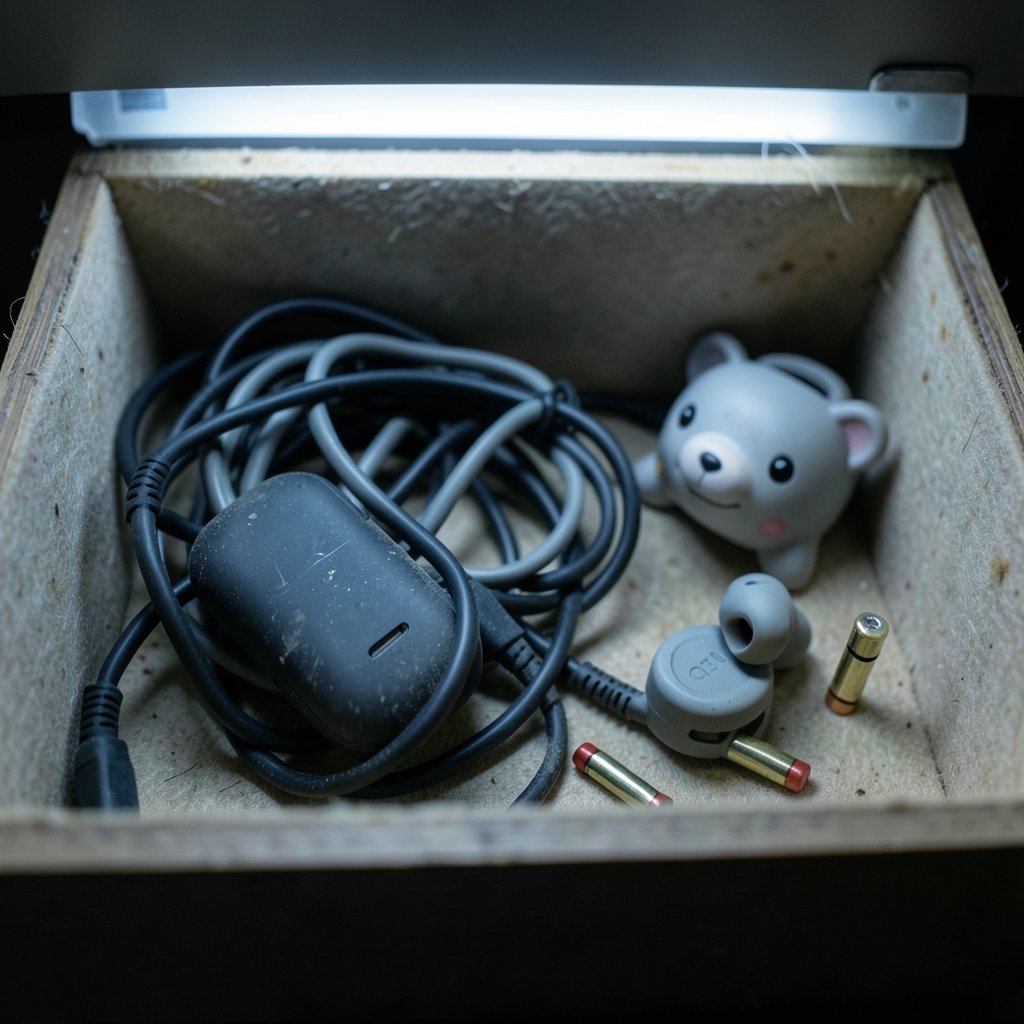
Ask people what gadget they actually use a year after receiving it and patterns emerge. The winners tend to share three traits:
- They replace a repeated annoyance. Wireless earbuds replace tangled cords. A robot vacuum replaces a weekly chore. A smart plug replaces getting up to switch off a lamp.
- They work without an app first. Gadgets that need a phone, an account, and a firmware update before they do anything useful tend to lose.
- They have a clear owner. A gift that duplicates something the recipient already owns and likes is a gift that sits in a box.
The losers share traits too. Novelty wins on Christmas morning and loses by New Year. Devices with proprietary chargers, subscription paywalls, or batteries that cannot be replaced age badly. And anything that needs a manual to perform its one trick usually gets one performance.
There is a money angle here worth naming. Gift gadgets are an emotional purchase, and emotional purchases are where budgets slip. The old proverb that scared money doesn’t make money gets quoted a lot in investing circles, but its real lesson for shoppers is the opposite of recklessness: know what you are buying and why. A gadget bought in a panic on 23 December is rarely a bargain, whatever the discount sticker says.
The pre-purchase checklist that prevents most regrets
Practical experience across holiday seasons points to a short checklist. None of it is glamorous. All of it prevents returns.
- Check the charger. Confirm the connector type and whether a cable is included. Many small gadgets ship without one.
- Check the battery. Is it replaceable? Is it a standard size? A gadget with a sealed battery has a fixed lifespan.
- Check the app and account requirements. Does it need a subscription for full features? Does it need an account just to switch on?
- Check the region. Wireless devices sold in one market may not comply with rules in another. Buy from sellers who state compliance clearly.
- Check the age rating. Toys and gadgets for children carry age guidance for a reason, and small parts and batteries are the usual culprits.
- Check the return window. Holiday return policies are often extended, but not always, and not for every product type.
- Check the accessories. A drone without spare props, or a smartwatch with a non-standard strap, can cost more later than it saved up front.
The most common mistake is skipping step three. A “smart” gadget that locks core features behind a monthly fee is not a gift so much as a bill with a bow on it. The second most common mistake is assuming the box contains everything needed to use the product on day one.
Safety and compliance: the parts gift guides skip
This is where the Christmas gadget category gets serious, and where a few minutes of checking pays off.
Button and coin batteries. Small round batteries power a huge share of novelty gadgets, light-up toys, and remote controls. They are also a well-documented ingestion hazard for young children. Safety regulators in the US and elsewhere publish guidance on keeping them secured and out of reach, and reputable manufacturers design battery compartments that require a tool to open. If a gift for a child has a coin battery behind a compartment that pops open with a fingernail, that is a red flag, not a convenience.
Lithium-ion batteries and air travel. Many gadgets contain lithium-ion cells, and aviation authorities restrict how these travel, particularly in checked baggage. If a gadget is a gift for someone flying home, check the rules before it goes in a suitcase. Spare power banks in particular attract scrutiny.
Wireless compliance. Anything that transmits, from earbuds to smart speakers to drones, is regulated. In the US, wireless devices go through equipment authorization; in the EU, radio equipment falls under the Radio Equipment Directive and carries CE marking. Buying from a seller who states compliance is not bureaucracy for its own sake. It is a proxy for whether the product was tested at all.
Toy safety standards. For products marketed to children, two standards come up repeatedly: ASTM F963 in the US and EN 71 in the EU. Both are worth knowing by name when you are comparing toys that contain electronics. Editions get updated, so check the current version rather than trusting a label from years ago.
Charging and cables. The move toward a common charger in the EU has pushed more devices toward USB-C, which is good news for anyone tired of drawer full of incompatible cables. It also means buyers should confirm what a device actually ships with, since “USB-C compatible” and “USB-C cable included” are different promises.
None of this requires an engineering degree. It requires reading the listing instead of the product photo.
Matching the gadget to the person, not the trend
The single biggest driver of gadget satisfaction is fit. A few pairings that tend to work, and a few that tend not to:
| Recipient profile | Usually a good fit | Usually a poor fit |
|---|---|---|
| Commuter who takes calls on the go | Wireless earbuds with a case | Large smart speakers |
| Someone who hates chores | Robot vacuum with a simple app | Novelty cleaning gadgets |
| Beginner photographer | Drone with basic flight modes and clear rules | High-end drone with steep learning curve |
| Person who loses cables | Multi-port charger with a known standard | Proprietary charging docks |
| Child under 8 | Toys meeting current toy safety standards | Adult electronics with small batteries |
| Someone who dislikes apps | Smart plug with physical controls | Anything requiring an account to switch on |
Two rules of thumb follow. First, buy for the life the person actually lives, not the life a gift guide imagines. Second, when in doubt, buy the simpler version of the thing. A mid-range gadget that works out of the box beats a flagship that needs a tutorial.
Where the money goes after the gift is opened
There is a quiet cost to gadget gifting that shows up in January: accessories, subscriptions, replacement parts, and disposal. Thinking about it in advance is part of buying well.
E-waste. Small electronics are among the harder items to recycle because they contain batteries and mixed materials. Many areas run dedicated collection points for batteries and small electronics, and using them matters more than it sounds. A gadget thrown in general waste takes its battery with it.
Right to repair. The broader push for repairable products has changed what buyers can reasonably expect. Devices with replaceable batteries, standard screws, and published repair information last longer. It is worth checking before you buy, especially for anything above the impulse-buy price band.
Resale and hand-me-downs. A gadget that still works and still has its charger has resale value. A gadget with a swollen battery and a lost cable does not. Keeping the box and cable for a few weeks costs nothing and preserves options.
It is also worth remembering that gadget money is real money moving through real systems. Curiosity about where currency comes from, and how it circulates, is a surprisingly good lens for thinking about value: a look inside the money factory where US currency is made makes the point that a banknote is a manufactured object with a cost, and the same is true of every gadget. The prize money question in the World Cup is a reminder that headline numbers rarely tell you who actually receives the cash. Gadget pricing works the same way: the sticker price is the start of the story, not the end.
What actually works in practice
After enough holiday seasons, a few habits separate smooth gadget gifting from chaotic returns.
Buy earlier than feels necessary. The best selection and the least pressure sit in the first half of the shopping window, not the last week. Late discounts are real, but so is the risk of sold-out sizes, colors, and models.
Keep the receipt and the packaging. Extended holiday return windows exist, but they usually require proof of purchase and original packaging. Photograph the receipt and keep the box until the gadget has been used at least once.
Test before wrapping. Open the box, charge it, pair it, and confirm it works. A dead-on-arrival gadget discovered on Christmas morning is a worse experience than a slightly less surprising gift.
Write down the serial number. For anything expensive, this takes ten seconds and helps with warranty claims and, if it comes to it, insurance.
Set it up together. For older recipients especially, the difference between a used gadget and a drawer-bound one is often a fifteen-minute setup session. Do that part as part of the gift.
Skip the hype cycle. New categories attract loud marketing and thin track records. The most reliable Christmas gadgets tend to be mature products in their second or third generation, where the obvious flaws have been fixed. This is also true of broader technology claims: the gap between quantum computing’s advantages, disadvantages, and hype is a useful reminder that a technology being exciting and a technology being ready for your living room are different questions.
Conclusion
Christmas gadgets are neither a scam nor a shortcut to a perfect gift. They are a category shaped by the retail calendar, sold on emotion, and judged in the quiet weeks of January when the novelty has worn off. The buyers who get it right tend to do the same unglamorous things: they check the charger, the battery, the app requirements, and the compliance details; they match the device to the person rather than the trend; and they plan for what happens after the wrapping paper is gone. Do that, and the gadget under the tree has a real chance of still being used next December. Skip it, and you are buying a drawer filler with a festive bow.
FAQ
What counts as a Christmas gadget?
There is no formal definition. The term is used by retailers and gift guides in the fourth quarter to group small consumer electronics such as earbuds, smart speakers, robot vacuums, drones, smartwatches, LED lighting, and novelty items. The label reflects when the product is sold, not what it technically is.
Are cheap Christmas gadgets safe to buy?
Many are, but the cheap end of the market is where safety shortcuts show up. Check that battery compartments require a tool to open, that wireless devices state compliance clearly, and that toys for children meet current toy safety standards. A listing that avoids these details is a reason to keep looking.
What should I check before buying a gadget as a gift?
Check the charger type and whether a cable is included, whether the battery is replaceable, whether an app or subscription is required for basic features, the return window, and any age guidance. Testing the gadget before wrapping it prevents most Christmas morning disappointments.
Do gadgets with lithium batteries have travel restrictions?
Yes. Lithium-ion batteries face restrictions on aircraft, and rules differ for carry-on versus checked baggage, especially for spare batteries and power banks. If the gift is for someone flying home, check the current rules before packing it.
How can I avoid buying a gadget that becomes clutter?
Buy for the recipient’s actual routine rather than an imagined one, prefer mature products in their second or third generation, avoid devices that need proprietary chargers or paid subscriptions for core features, and choose the simpler version when in doubt. A gadget that works out of the box gets used.
What is the best time to buy Christmas gadgets?
Selection and price both tend to be better earlier in the holiday shopping window than in the final week. Late November promotions are a common target, but the exact dates shift each year, so plan around the calendar rather than assuming a fixed date. Buying early also leaves time to test and return if needed.