
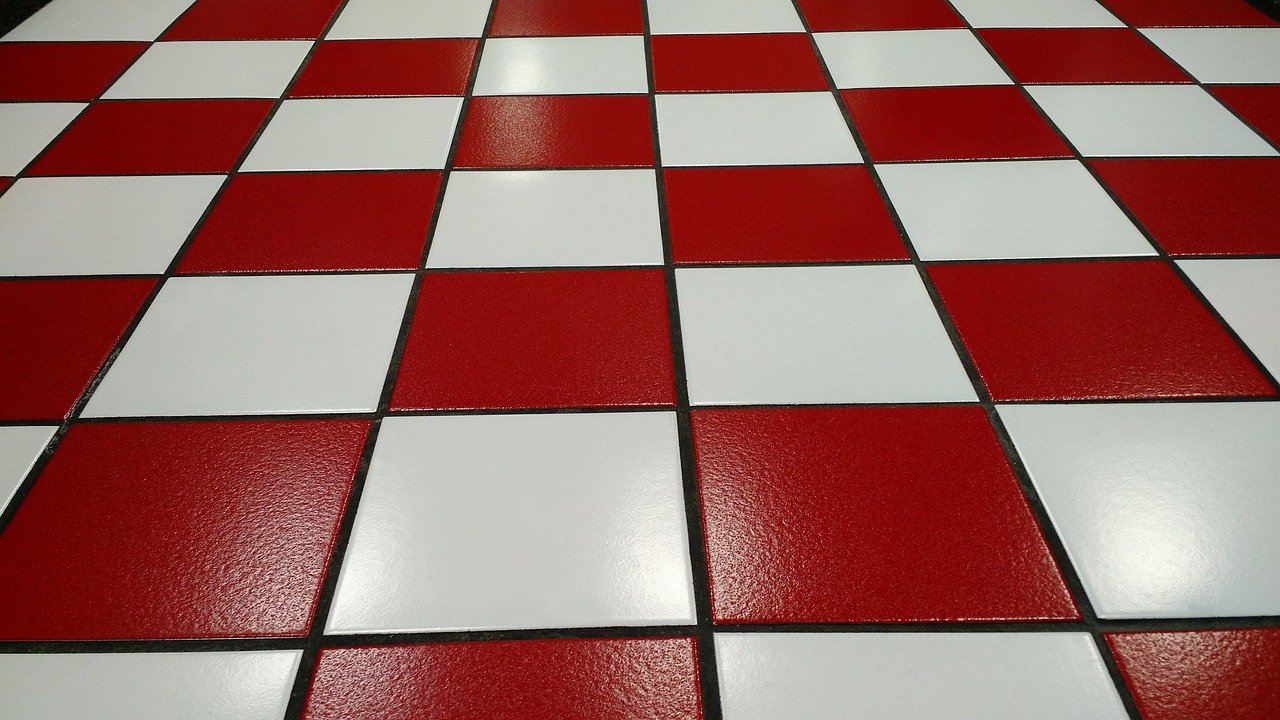
Why does grout go gray so fast, even in a bathroom that gets wiped down every week? The answer is in the material itself. Grout is porous, and every splash, footstep, and drop of soap scum pushes dirt into those tiny pores. Once it settles in, a quick mop does almost nothing.
The good news: grout is forgiving. With the right cleaner for the right grout type, a soft brush, and a little patience, most discolored grout lines can be brought back close to their original color. This guide covers what works, what quietly ruins grout, and how to keep it looking clean for months instead of weeks.
Know Your Grout Before You Touch It
The single biggest mistake people make is grabbing the strongest cleaner on the shelf and scrubbing hard. Grout is not one material. There are two main families, and they respond very differently to chemicals.
Cementitious grout is made from cement, sand, and pigments mixed with water. It is porous by nature, which is exactly why it stains. Most tile in homes uses this type. It can handle mildly alkaline cleaners, but repeated acid exposure etches the surface and makes it rougher, which means it traps dirt even faster next time.
Epoxy grout is a resin-based product. It is far less porous, resists stains well, and generally needs only mild soap and water. Harsh acids are inappropriate for it and can dull the finish.
There is also sealed versus unsealed grout. Sealer slows absorption but does not make grout waterproof. If water beads on a test spot, it is sealed. If it darkens and soaks in, it is not.
A quick check before cleaning saves a lot of regret: find an inconspicuous spot, apply your cleaner, wait a minute, and wipe. If the color or texture changes, stop.
The Supplies That Actually Work

Fancy gadgets are not required. The tools that consistently perform well are cheap and simple.
- A soft-bristle grout brush or a worn toothbrush. Stiff wire brushes scratch tile and erode grout lines.
- Baking soda for a mild abrasive paste.
- A pH-neutral or mildly alkaline cleaner for routine work.
- White cloths or paper towels for wiping and rinsing.
- Gloves and eye protection, especially with anything stronger than soap.
- A spray bottle of plain water for rinsing.
One tool worth mentioning: a steam cleaner. Heat and moisture can lift grime without harsh chemicals, and many people swear by it. The evidence is mostly anecdotal, and results depend heavily on how badly stained the grout is. It is a reasonable option, not a miracle.
The Baking Soda Method That Handles Most Jobs
For everyday discoloration on cement grout, a paste of baking soda and water is the safest starting point. It works mechanically, lifting grime out of the pores rather than dissolving it.
- Mix three parts baking soda with one part water until it forms a thick paste.
- Apply the paste along the grout lines with your fingers or an old brush.
- Let it sit for 10 to 15 minutes. Longer is not better; it dries out and becomes hard to remove.
- Scrub along the lines with a soft brush, using small circular motions.
- Rinse thoroughly with clean water and wipe dry.
If the grout is greasy, such as near a stove or a kitchen backsplash, add a drop of dish soap to the paste. If it is soap scum in a shower, a mildly alkaline cleaner will do more than baking soda alone.
For a visual sense of how careful technique protects delicate surfaces, the same principle that applies to cleaning a laptop screen without damaging its coating holds here: gentle pressure and the right product beat aggressive scrubbing every time.
When You Need Something Stronger
Some grout lines have years of built-up grime. Baking soda will not touch that. In those cases, a mildly alkaline grout cleaner is the next step. Apply it according to the label, give it the stated dwell time, scrub, and rinse completely.
What about vinegar? It is the internet’s favorite cleaning ingredient, and it does cut through hard water deposits. But on cement grout, repeated vinegar use etches the surface. On natural stone tile like marble or travertine, it can permanently dull the finish. Use it sparingly, if at all, and never on stone.
What about bleach? Diluted bleach can lighten stained grout and kill mold, but it is harsh, it smells, and it can discolor some grouts and tiles. It is a tool for specific problems, not a routine cleaner. (About Mold and Health)
If you are dealing with mold or mildew in a damp area, address the moisture source too. A dehumidifier helps, and keeping its coils clean keeps it working efficiently, which is the same maintenance logic behind cleaning dehumidifier coils for better airflow and lower bills. Clean equipment and dry air do more for mold prevention than any spray bottle. (Mold Cleanup in Your Home)
Safety Rules Nobody Should Skip
Cleaning chemicals are still chemicals. A few rules are non-negotiable.
Never mix cleaning products. Combining bleach with ammonia or with acids releases toxic gases. This is one of the most common household poisoning scenarios, and it happens because people think two cleaners will work twice as well. They do not. They create a hazard.
Ventilate. Open a window, run a fan, and take breaks. Bathrooms and kitchens are small spaces, and fumes concentrate fast.
Wear gloves and eye protection. Grout cleaners are irritants, and scrubbing splashes.
Read the label and the safety data. Product labels list hazards, first aid, and dilution instructions. If a product has a safety data sheet, it exists for a reason.
Keep children and pets out of the room until surfaces are rinsed and dry.
Step-by-Step: The Full Deep Clean
When a bathroom or kitchen floor needs a real reset, this sequence works reliably.
- Clear the area. Remove mats, bottles, and anything that blocks access.
- Dry-sweep or vacuum loose debris. Scrubbing wet dirt just spreads it.
- Test your cleaner in a hidden spot.
- Apply your cleaner along the grout lines. Work in sections of a few square feet so nothing dries before you scrub.
- Let it dwell for the time on the label, usually 5 to 15 minutes.
- Scrub with a soft brush, moving along the lines rather than across them.
- Rinse with clean water and wipe with a clean cloth. Residual cleaner attracts dirt.
- Dry the area with a towel or a fan. Moisture left behind invites mildew.
- Seal once fully dry, if the grout is unsealed cement grout.
That last step matters more than most people realize. Sealing after cleaning is the standard maintenance move that slows re-soiling. Reapplication frequency depends on the product and the traffic in the room, so check the sealer’s label rather than guessing.
Common Mistakes That Make Grout Worse
Most grout damage is self-inflicted. These are the repeat offenders.
Using a wire brush. It scratches tile glaze and chews away grout, creating a rougher surface that stains faster.
Skipping the rinse. Leftover cleaner leaves a sticky film that grabs dirt within days.
Flooding the grout. Too much water pushes moisture deeper into the cement, which can lead to efflorescence or mildew. Damp, not soaked, is the goal.
Cleaning with acid every time. It works once, then makes the problem worse by etching the surface.
Sealing damp grout. Sealer traps moisture, and the result is a cloudy, patchy finish that has to be stripped.
Ignoring the source. If grout in a shower keeps going dark, the issue may be ventilation or a slow leak, not cleaning technique.
The same discipline applies to other surfaces where a heavy hand backfires. Knowing how to clean a whiteboard so it stops ghosting and writes smooth is a good parallel: the fix is usually the right product and a light touch, not more force.
Keeping Grout Clean Between Deep Cleans
Prevention is unglamorous but effective.
- Squeegee shower walls after every use. Less standing water means less mildew.
- Run the exhaust fan during and after showers.
- Wipe spills quickly, especially oil, coffee, and anything colored.
- Mop with a pH-neutral cleaner weekly rather than waiting for grout to go gray.
- Reseal on schedule, typically every 6 to 12 months for high-traffic areas, but always per the product’s instructions.
- Keep the room dry. A small fan or a dehumidifier makes a real difference in windowless bathrooms.
A little routine care stretches the time between deep cleans from weeks to months. That is the whole game.
How to Clean Grout: Quick Comparison
| Grout Type | Best Routine Cleaner | Avoid | Sealing Needed |
|---|---|---|---|
| Cement, unsealed | Baking soda paste or mild alkaline cleaner | Repeated acids, wire brushes | Yes, every 6 to 12 months |
| Cement, sealed | pH-neutral cleaner | Abrasive powders, harsh acids | Yes, when water stops beading |
| Epoxy | Mild soap and water | Acids, solvents | No, but keep it clean |
| Grout near natural stone | pH-neutral cleaner only | Vinegar, lemon, descalers | Per stone and grout specs |
Conclusion
Cleaning grout is less about muscle and more about matching the method to the material. Baking soda paste handles most routine discoloration. A mildly alkaline cleaner handles the stubborn cases. Soft brushes, thorough rinsing, and full drying do the rest. The mistakes that ruin grout, harsh acids, wire brushes, skipped rinses, sealing too soon, are all avoidable with a few minutes of care.
Do the deep clean once, seal it properly, and then keep the room dry. Grout will never look brand new forever, but it can look clean, and that is a much easier goal to hold onto.
Frequently Asked Questions
How often should grout be deep cleaned?
Most homes need a deep clean every three to six months, depending on traffic and moisture. High-use bathrooms and kitchen floors may need it quarterly. Between deep cleans, weekly mopping with a pH-neutral cleaner keeps grout from getting bad in the first place.
Does vinegar really clean grout?
Vinegar cuts hard water deposits and light stains, but it is acidic. Repeated use etches cement grout and can permanently dull natural stone tile. It is fine as an occasional spot treatment on cement grout, but it should not be the go-to cleaner, and it should stay away from marble, travertine, and epoxy grout.
Can I use bleach on grout?
Diluted bleach can lighten stains and kill mold, but it is harsh, smells strong, and can discolor some grouts and tiles. It should never be mixed with ammonia or acids, which releases toxic gas. For routine cleaning, milder options work better and are safer.
Why does my grout get dirty again so fast?
Usually because it is unsealed, or the sealer has worn off. Sealed grout slows absorption, but sealer does not last forever. If water no longer beads on the surface, it is time to reseal. Leftover cleaner residue and poor ventilation also speed up re-soiling.
Is a steam cleaner worth it for grout?
It can help. Steam uses heat and moisture without harsh chemicals, and many people find it effective on moderate grime. Results vary with how stained the grout is, and the evidence is mostly anecdotal rather than studied. It is a reasonable option, especially for sealed grout, but not a guaranteed fix for deep stains.
How long should grout dry before sealing?
It must be completely dry, which typically means 24 to 72 hours after cleaning, depending on humidity and ventilation. Sealing damp grout traps moisture and produces a cloudy, patchy finish. Always follow the sealer manufacturer’s instructions for dry time and reapplication.



