

A single misconfigured warehouse, left running around the clock, can burn through a five-figure annual budget before anyone notices. That is not a scare story. It is one of the most predictable failure modes in modern analytics, and it repeats across companies of every size. Cloud data warehouses promised elasticity, speed, and simplicity. What many teams got instead was a new set of operational headaches: runaway costs, sluggish queries, fragile pipelines, and security gaps that no dashboard ever flagged.
This article walks through the problems that show up again and again in cloud data warehouse deployments, why they happen, and what actually works in practice. No vendor pitch, no hype. Just the friction points that experienced data teams keep running into.
The Cost Problem Nobody Budgeted For
On-premises warehouses had a strange advantage: capacity was fixed. You bought hardware, you lived with it, and your finance team knew the number. Cloud warehouses flipped that. Compute scales on demand, which is wonderful until someone forgets to switch it off.
The most common cost mistakes follow a familiar pattern:
- Always-on compute. Warehouses or clusters running 24/7 for workloads that only need a few hours a day.
- Oversized instances. Teams provisioning for peak load and paying for it during quiet periods.
- No auto-suspend or auto-resume. The single easiest fix, and the one most often skipped.
- Unmonitored ad-hoc queries. Analysts running exploratory queries against production data with no cost visibility.
The fix is rarely technical genius. It is discipline: set auto-suspend aggressively, right-size based on actual query history, and give teams visibility into what their queries cost. Cost governance is a habit, not a one-time project.
Query Performance That Disappoints
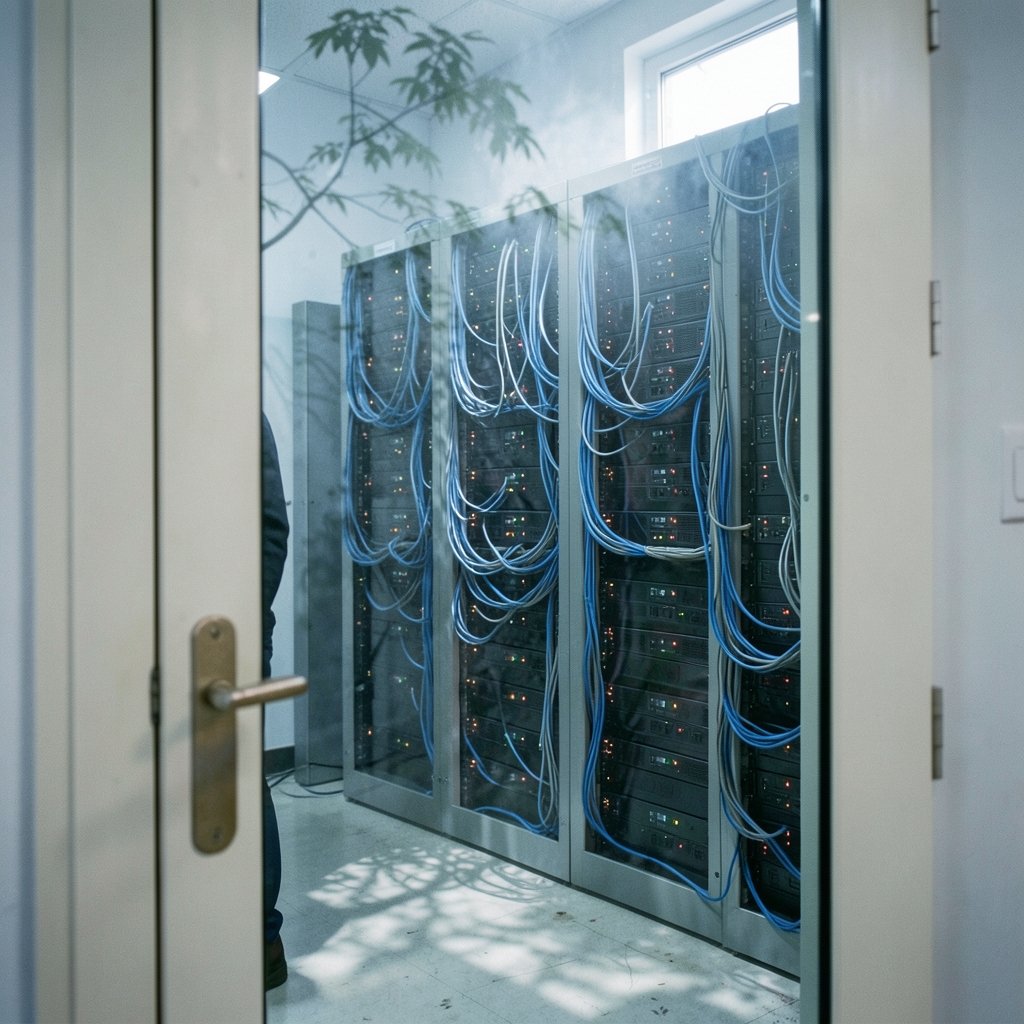
Cloud warehouses are fast. They are also fast at running badly modeled queries slowly. Performance problems usually trace back to data modeling, not the platform.
Missing Clustering and Partitioning
Most platforms rely on some form of data pruning, whether it is partitioning, clustering, or distribution keys. Skip these and every query scans the full table. A query that should touch a few million rows ends up reading billions.
Over-Partitioning
The opposite mistake is just as common. Teams partition by a high-cardinality column, creating thousands of tiny partitions. Metadata overhead balloons, and query planning slows down. The sweet spot is usually a moderate number of partitions aligned with how queries actually filter data.
The Small-File Problem
Streaming ingestion and micro-batch pipelines can leave thousands of tiny files in storage. Each file carries metadata overhead, and queries slow down as the engine opens them one by one. Compaction jobs are unglamorous but essential.
For teams comparing platforms before committing, the tradeoffs in AWS vs Azure vs Google Cloud 2026 matter here, because each platform handles clustering and concurrency differently.
A warehouse is only as trustworthy as the data flowing into it. Schema drift, where upstream systems change column names or types without warning, breaks pipelines silently. A renamed field in a source application can cascade into failed dashboards days later.
The practical defenses are straightforward but require consistency:
- Contract testing between producers and consumers, so changes are caught before they hit production.
- Freshness and volume checks that alert when a table stops updating or suddenly doubles in size.
- A staging layer where raw data lands first, gets validated, and only then moves into curated models.
Teams that skip these steps end up with the classic symptom: executives who no longer trust the dashboard and quietly go back to spreadsheets.
Concurrency and Workload Contention
Mix business intelligence dashboards with heavy ETL jobs on the same compute, and everyone loses. BI users see timeouts while batch jobs hog resources. This is a workload isolation problem, and most platforms offer a solution: separate warehouses, resource pools, or queues for different workloads.
The mistake is treating isolation as an optimization for later. It should be part of the initial design. A dashboard refresh and a nightly transformation job have fundamentally different performance profiles, and sharing compute between them is a recipe for complaints.
Security, Access Control, and Compliance Complexity
Cloud warehouses centralize sensitive data, which makes them a magnet for security requirements. Row-level and column-level security, PII masking, audit logging, and regional data residency all add configuration surface area. Miss a step and you have a compliance finding.
The recurring issues are predictable:
| Problem | Typical Cause | Practical Fix |
|---|---|---|
| Overly broad access | Roles granted “just in case” | Least-privilege reviews every quarter |
| Exposed PII | No masking on sensitive columns | Column-level policies applied at the schema |
| Weak audit trails | Logging disabled by default | Enable query and access logs from day one |
| Residency violations | Data replicated across regions | Region-pinned storage and documented data flows |
Security frameworks like NIST’s cloud computing guidance are a useful reference for structuring these controls, even if they are not warehouse-specific.
Vendor Lock-In and Portability
Proprietary SQL dialects, storage formats, and features create real switching costs. That is fine until pricing changes or a merger forces migration. Teams that lean heavily on platform-specific functions discover that porting a pipeline takes months.
A pragmatic middle ground: use standard SQL where it costs little, keep transformation logic in a tool like dbt so it is version-controlled and portable, and avoid storing critical data exclusively in proprietary formats. Absolute portability is a myth, but unnecessary lock-in is a choice.
Ingestion and Pipeline Fragility
Pipelines break. The question is whether anyone finds out before the business does. Common failure points include unhandled nulls, timezone mismatches, duplicate records from retries, and dependencies on APIs that change without notice.
Practical habits that reduce pain:
- Idempotent loads, so reruns do not create duplicates.
- Dead-letter queues for records that fail validation, instead of dropping them silently.
- Alerting on pipeline failures, routed to a channel someone actually watches.
Data engineering teams that treat pipelines as production software, with tests and monitoring, spend far less time firefighting. If you are building analytical workflows on top of these pipelines, the approaches in how to use AI for data analysis can help surface anomalies faster, but they do not replace foundational data quality work.
Egress, Storage, and Hidden Fees
Storage is cheap. Moving data is not. Cross-region replication, cross-cloud transfers, and repeated exports to downstream tools can generate surprising bills. The pattern is familiar: a team exports a large table to a BI tool daily, unaware that egress charges accumulate quietly.
The fix is architectural. Cache results where they are consumed, minimize cross-region movement, and review data transfer costs monthly rather than annually. For a broader look at where data lives and what it costs to keep it there, the differences between cloud storage vs local storage are worth understanding before designing a warehouse strategy.
Skills Gaps and Organizational Friction
Technology is rarely the whole story. Many warehouse problems are organizational. Analysts write queries without understanding cost implications. Platform teams own infrastructure but not usage. Nobody owns the data model. (Amazon Redshift)
Ownership is the quiet variable that determines whether a warehouse succeeds. Teams with a clear data platform owner, documented standards, and regular cost and quality reviews consistently report fewer problems than teams that treat the warehouse as self-service infrastructure with no guardrails.
What Actually Works in Practice
Across organizations that have matured their warehouse operations, a few patterns repeat:
- Start with cost visibility. Tag warehouses by team, review spend weekly, and make costs visible to the people generating them.
- Model before you scale. Get partitioning, clustering, and file compaction right before data volumes explode.
- Isolate workloads early. Separate compute for BI, ETL, and data science from day one.
- Treat pipelines as products. Version control, tests, monitoring, and clear ownership.
- Review access regularly. Quarterly least-privilege reviews catch drift before auditors do.
None of this is exotic. It is the operational discipline that separates warehouses that deliver value from warehouses that become a line item everyone questions.
Conclusion
Cloud data warehouses solve real problems, but they introduce a new set of them: cost sprawl, performance surprises, fragile pipelines, and security complexity. The good news is that these problems are well understood and largely preventable. Teams that invest in cost governance, solid data modeling, workload isolation, and pipeline reliability avoid most of the pain. The ones that do not end up paying for it, sometimes literally, in invoices nobody can explain. Treat the warehouse as a product with owners, standards, and feedback loops, and the platform delivers what it promised.
Frequently Asked Questions
What is the most common cloud data warehouse problem?
Cost overruns from always-on compute are the most frequently reported issue. Warehouses left running continuously, oversized for their workload, or missing auto-suspend settings generate bills far above what teams expect. Performance problems from poor data modeling run a close second.
Why are my cloud data warehouse queries suddenly slow?
Sudden slowdowns usually trace to one of three causes: data growth without updated partitioning or clustering, a flood of small files from streaming ingestion, or resource contention from competing workloads. Checking query plans for full-table scans is the fastest way to diagnose the cause.
How do I reduce cloud data warehouse costs?
Start with auto-suspend and auto-resume on every warehouse. Right-size instances based on actual query history rather than peak assumptions. Tag warehouses by team so costs are visible, and review spend weekly. Most teams find 30 to 50 percent savings from these steps alone.
Schema drift happens when upstream systems change column names, types, or structures without warning. Pipelines expecting the old schema fail, and dashboards break. Contract testing and a validated staging layer catch these changes before they reach production.
Should I use separate warehouses for different workloads?
Yes, in most cases. BI dashboards, ETL jobs, and data science workloads have different performance profiles. Sharing compute between them causes contention and timeouts. Separating workloads is a design decision worth making early rather than retrofitting later.
Is vendor lock-in a real risk with cloud data warehouses?
It is a real but manageable risk. Proprietary SQL dialects and storage formats make migration expensive. Keeping transformation logic in portable tools and using standard SQL where practical reduces switching costs without sacrificing platform features.
Most teams do not need a perfect warehouse; they need one whose costs, performance, and data quality are understood and actively managed. That means scheduling time for the unglamorous work: reviewing query plans, compacting small files, tightening access policies, and retiring tables nobody queries anymore. These tasks rarely make it onto a roadmap, yet they determine whether the platform stays affordable and reliable a year after launch.
It also helps to measure the right things. Track cost per dashboard, per pipeline, and per team rather than a single monthly total. Monitor query latency trends instead of reacting to individual complaints. Count pipeline failures and mean time to recovery the same way you would for any production service. When these numbers are visible, conversations shift from blame to improvement, and small fixes compound over time.
Finally, accept that the warehouse will keep evolving. Data volumes grow, source systems change, and business questions shift. The organizations that handle this well build feedback loops: regular reviews of cost and quality, a documented owner for the data model, and a habit of revisiting partitioning and workload isolation as usage changes. None of these practices require new technology. They require attention, and attention is the scarcest resource in most data teams. Treat the warehouse as a product with owners, standards, and feedback loops, and the platform delivers what it promised. (Data warehouse)



