

Quick Answer: How do i borrow money from cash app?
Cash App is not a lender, so there is no general “borrow money” button that hands out personal loans. The closest thing is Borrow, a short-term advance offered to some eligible users and repaid from future deposits. Everyone else borrows by receiving money from a friend or using a linked bank card.
That distinction matters because many people search for a Cash App loan and land on scam pages instead. Cash App itself is a peer-to-peer payment service, not a bank, and it does not issue traditional installment loans.
Before acting, check your eligibility in the app, the repayment schedule and any fees, the current status of the Borrow feature in your region, and whether a credit union or small personal loan would cost less overall.
A Question Worth Asking Before You Tap Anything
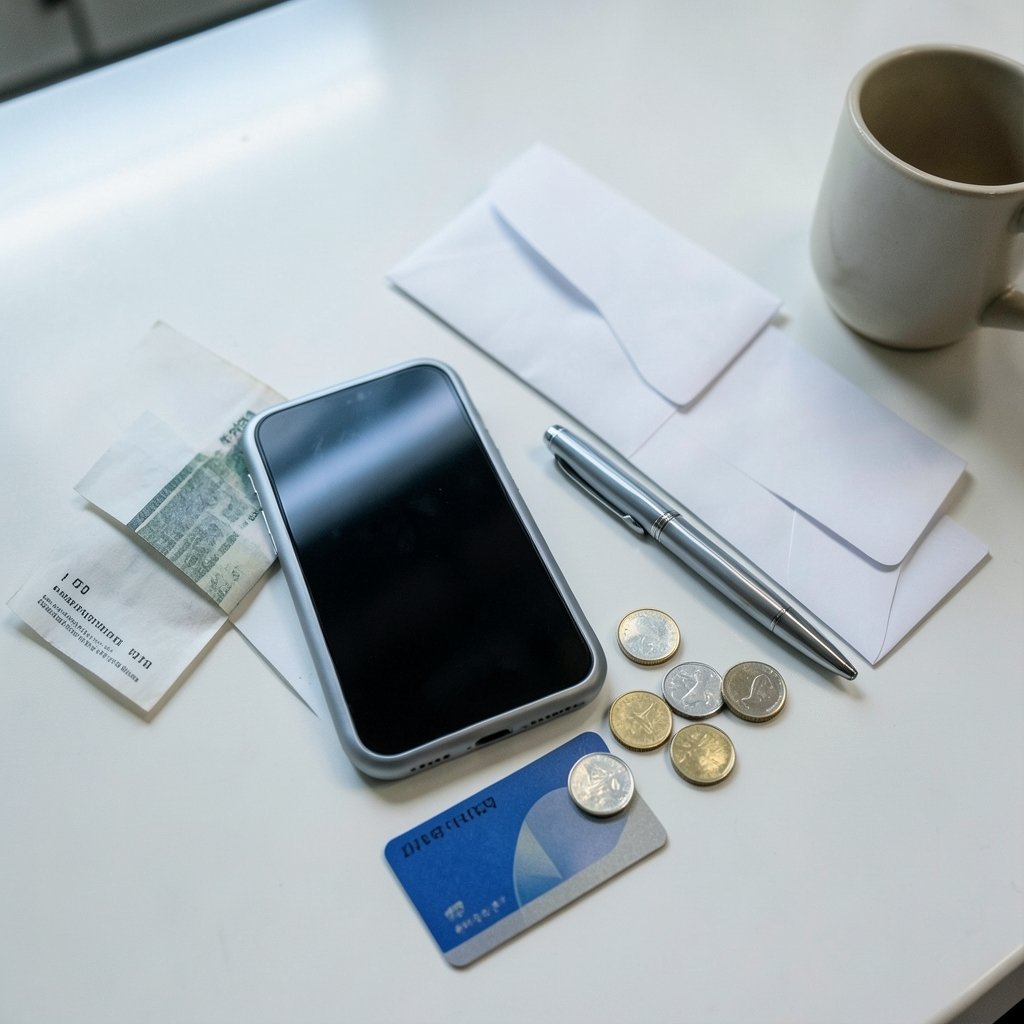
What do you do when rent is due Friday and your account says $12? Most people open the payment app already on their phone. That is why “how do I borrow money from Cash App” gets searched thousands of times a month, and why scammers have built an entire industry around that exact phrase.
Here is the honest version: Cash App is a payment tool, not a loan officer. Understanding what it does and does not offer saves you from the expensive detour of paying a “loan processor” on a payment app who then disappears. If you have ever wondered how the gift card scam works and why victims rarely get their money back, you already know the pattern: upfront payment, instant transfer, no recourse.
What Cash App Actually Offers
Cash App, operated by Block, Inc., lets people send and receive money, hold a balance, and use a debit card. Banking features are provided through partner banks, which means deposits may be eligible for deposit insurance while the app itself is not a bank.
That structure explains a lot. A bank can underwrite a loan because it holds your deposit history and is regulated as a lender. A payment app can only offer narrow, automated products built on the money flowing through your account.
So when someone says “Cash App loan,” they usually mean one of three things:
- Borrow, a small advance repaid automatically from incoming deposits
- A friend sending you money that you agree to pay back
- A third-party lender that happens to accept Cash App for disbursement
Only the first is a Cash App product, and it is not available to everyone.
How Borrow Works, and Who Gets It
Borrow is a short-term advance feature for eligible users. You request a small amount, it lands in your Cash App balance, and repayment is typically tied to your next deposits rather than a fixed monthly bill. Limits are modest, especially at first, and they can grow as you use the app.
A few practical points that trip people up:
Eligibility is not something you can force. There is no application form, no credit pull you can trigger, and no customer service line that can switch it on. The feature appears for some accounts and not others, based on signals the company does not fully disclose.
Repayment is automatic. If your direct deposit is smaller than expected or arrives late, the repayment schedule shifts with it. That flexibility cuts both ways: fewer late fees, but also less predictability if you are budgeting tightly.
Availability changes. Features like this get expanded, paused, or retired. Before you count on it, open the app and look for the feature directly, then check the official help pages and fee schedule for the current terms. Those documents, not forum posts, are the authoritative source for what exists and what it costs.
It is not a credit builder in the traditional sense. Do not assume on-time repayment reports to the major credit bureaus the way an installment loan would.
If you are comparing this to other financial products, it helps to understand how central bank digital currency is changing the way money moves, because the same instant-settlement logic that makes advances convenient also makes fraud fast and hard to reverse.
The Friend Route: Borrowing From a Person, Not a Product
The most common way money actually moves on Cash App is person to person. Someone sends you $200, you promise to pay it back, and the app records the transfer.
This works well when both people are clear about terms. It works badly when they are not. A few habits that prevent friendships from ending over $80:
- Agree on the amount and the repayment date in writing, even in a text.
- Use the payment note field to describe what the money is for.
- Repay through the app so there is a record, rather than in cash.
- Never send money to someone you have not met in person who promises to lend you more.
That last point is where most disasters start. A stranger offers a loan, asks you to send a “processing fee” or “insurance deposit” first, then blocks you. Payment apps are designed for speed, and speed favors the person holding the money.
Red Flags: How Loan Scams Use Payment Apps
Search results for borrowing money are crowded with offers that look official. Here is what should make you close the tab immediately:
| Red flag | What it usually means |
|---|---|
| Upfront fee before funds arrive | Advance-fee fraud; the loan never comes |
| Request to pay via gift card or crypto | Untraceable, irreversible payment |
| Guaranteed approval with no credit check | Bait; real lenders underwrite |
| Pressure to act within minutes | Deliberate attempt to block your judgment |
| Contact only through social media DMs | No regulated entity behind it |
Regulators have warned about these patterns for years, and consumer protection agencies publish plain-language guidance on short-term loans and advance products that is worth reading before you sign or send anything. The core rule is simple: legitimate lenders deduct fees from the loan, they do not ask you to send money first.
Alternatives That Cost Less Than a Bad Loan
If Borrow is not available and a friend is not an option, these routes usually beat a payday-style product:
A small personal loan from a credit union. Rates vary widely, but a local credit union often prices small loans far below payday lenders, and the payment schedule is fixed.
A credit card cash advance. Expensive, with a fee plus immediate interest, but transparent and regulated.
An employer paycheck advance. Some payroll providers let you draw earned wages early for a small or no fee.
A payment plan with the biller. Utilities and medical offices frequently negotiate. Calling beats borrowing.
Community and nonprofit assistance. Local hardship funds exist for rent and utilities and do not require repayment.
One more consideration: if you are already juggling multiple debts, adding another short-term obligation can spiral. Understanding where the real cost of identity threat detection lands and where the money actually goes is a useful reminder that financial risk rarely arrives as one clean bill. It compounds.
Practical Setup Tips for Using Cash App Safely
Whether you are receiving a loan from a friend or using an advance, a few settings reduce risk:
Turn on the security lock. A PIN or biometric lock stops someone who picks up your phone while it is signed in from sending your balance to themselves.
Verify your identity in the app. Verified accounts have higher limits and better recovery options if something goes wrong.
Keep a separate balance. Do not park your rent money in a payment app balance. Move it to an insured account.
Check the fee schedule before you accept anything. Fees hide in the details of instant deposits and card transactions.
Know how to dispute. If a transfer was fraudulent, report it in the app immediately and follow up in writing. Speed matters because the money leaves fast.
If you also manage spending on other apps, the criteria in this guide to the best app blockers can help you cut impulse purchases that make borrowing necessary in the first place.
The Bigger Picture: Why Payment Apps Are Not Lenders
There is a structural reason Cash App does not hand out personal loans, and it is not stinginess. Lending requires capital, underwriting, regulatory licensing, and loss reserves. Payment platforms operate on a different model: they earn from interchange, instant deposit fees, and bitcoin and stock features.
That means the honest answer to “how do I borrow money from Cash App” is usually “you borrow through it, not from it.” The app is the pipe, not the well.
This matters for anyone building a financial plan. If your emergency fund is thin, the fix is a savings buffer and access to a mainstream credit line, not a clever app workaround. Products like Borrow are useful for smoothing a timing gap, not for covering a structural shortfall.
The same logic explains why app store economics keep making headlines. When platforms take a cut of every transaction, the incentives shape which products get built and which get shelved, a dynamic visible in coverage of the Apple Supreme Court case over the 27 percent App Store fee and in how EU App Store fees affect game developers in 2026. Financial features live inside the same economics.
Conclusion
Borrowing money from Cash App is possible, but not in the way most people assume. There is no loan application, no approval decision, and no customer service agent who can release funds for you. What exists is a small advance feature for eligible accounts, a person-to-person transfer that works when both sides are honest, and a lot of scams hoping you will not notice the difference.
The practical path is to open the app and check what you actually have access to, read the fee schedule before accepting anything, and treat any request to pay upfront for a loan as a hard stop. If you need more than a short bridge, a credit union, a payment plan, or a nonprofit hardship fund will almost always cost you less than a rushed decision made at 11 p.m. with $12 in your account.
Frequently Asked Questions
Does Cash App give personal loans?
No. Cash App does not issue traditional personal loans. It has offered a short-term advance feature called Borrow to eligible users, and banking services are provided through partner banks. Anyone promising a Cash App personal loan with guaranteed approval is not describing a real product.
Why can’t I find the Borrow option in my app?
Eligibility is determined by the company and is not something you can request or appeal. The feature may not be available for your account, your region, or at all if it has been paused or retired. Check the in-app menus and the official help pages for the current status rather than relying on older articles.
Can someone send me a loan through Cash App?
Yes, a friend or family member can send you money that you agree to repay. Use the payment note to record the purpose, agree on a repayment date in writing, and repay through the app so there is a record. Never accept a “loan” from a stranger who asks you to send a fee first.
What should I do if a lender asks for an upfront fee?
Stop the conversation. Advance-fee requests are the signature of loan fraud, and payment app transfers are difficult to reverse. Legitimate lenders deduct fees from the loan proceeds rather than collecting payment before disbursing funds. Report the account in the app and consider filing a complaint with a consumer protection agency.
Will using Borrow affect my credit score?
Do not count on it. Short-term advance products typically are not reported to the major credit bureaus the way installment loans are, so on-time repayment is unlikely to build credit and a missed repayment may not appear either. For credit building, look at products explicitly designed to report.
What is the cheapest way to cover a short-term cash gap?
Compare a few options before acting: a small personal loan from a credit union, a paycheck advance through your employer, a payment plan negotiated directly with the biller, or a local hardship fund. Each usually costs less than a payday-style loan, and none requires paying a stranger upfront. (Payday loan)



