

What makes a dragonborn name sound right the moment you say it out loud? Is it the hard consonants, the growl in the back of the throat, or the way the clan name lands like a stamp of authority after the personal one? Anyone who has sat at a table with a half-finished character sheet knows the feeling: the stats are done, the backstory is coming together, and then the name field sits there, empty and judgmental.
Dragonborn names carry weight in a tabletop campaign. They signal lineage, honor, and personality before the first die is rolled. This guide walks through how the naming tradition actually works, where players go wrong, and how to build a name that fits your character rather than fighting it.
Where Dragonborn Names Come From
The dragonborn entered Dungeons & Dragons as a playable race in the 2004 Player’s Handbook for the game’s 3.5 edition, then carried forward into fourth edition in 2008 and fifth edition in 2014. That matters for naming because the tradition has had two decades to settle into something recognizable, and most players now work from the fifth edition description.
In that material, dragonborn receive a personal name at hatching, and clan names serve as markers of lineage and honor. The clan name is not decoration. It tells other dragonborn who your people are, what your family has done, and whether your word carries weight. A dragonborn who loses standing may find the clan name spoken with a different tone entirely.
Two more features shape the tradition. First, dragonborn names tend to sound harsh, built on hard consonants and clipped syllables rather than flowing vowels. Second, they are generally not gendered the way human names are, so a name like Balasar or Kava can belong to anyone. That single detail trips up more players than any other, because it means you cannot lean on “sounds male” or “sounds female” as a shortcut.
Some sources also describe a childhood name that a dragonborn later sets aside for an adult name, often tied to a deed or a role within the clan. Treat that as a storytelling option rather than a hard rule. Naming practices also shift by setting. Dragonborn of Tymanther in the Forgotten Realms lean heavily on clan structure, while other campaign worlds handle things differently.
One quick note to prevent confusion: Skyrim’s “Dragonborn” is a prophesied hero from a 2011 video game, not a race, and it has nothing to do with D&D naming conventions. Search results mix the two constantly.
The Anatomy of a Dragonborn Name
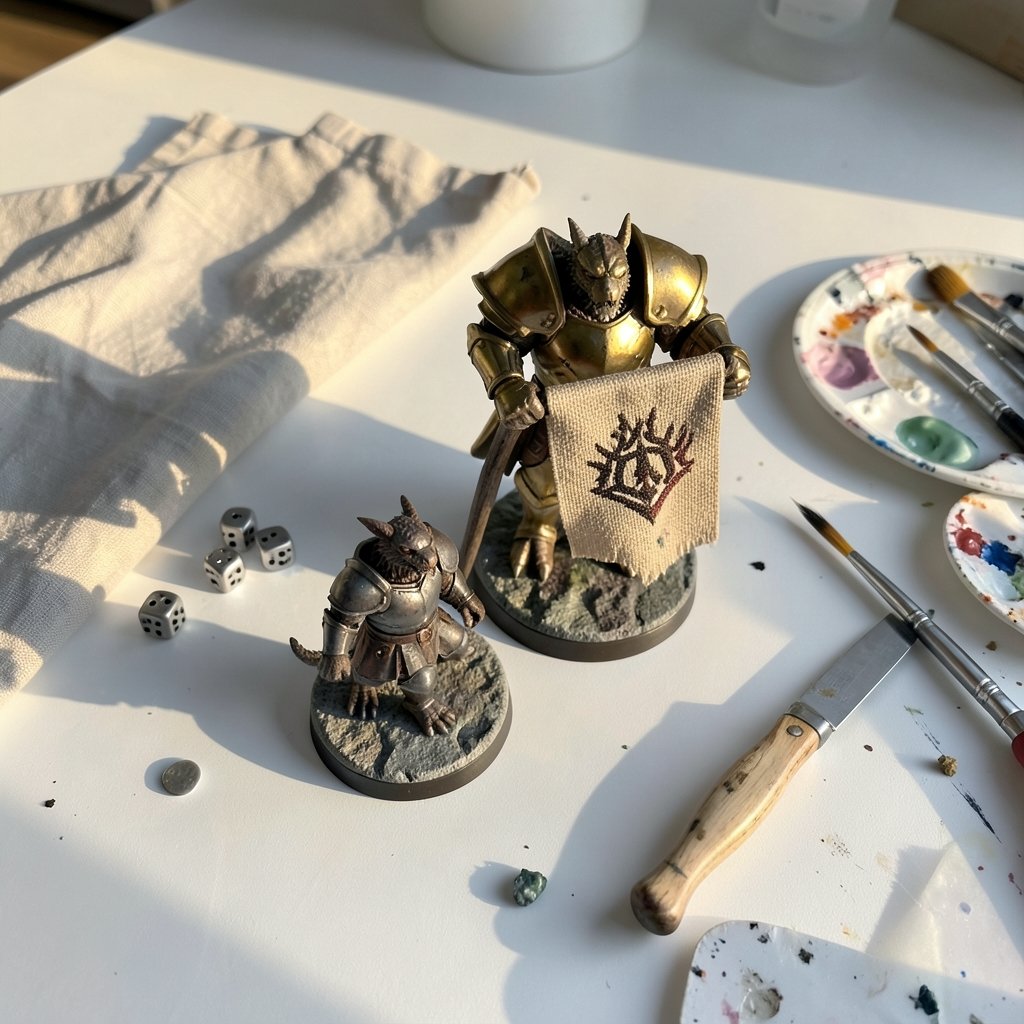
Strip away the flavor text and most good dragonborn names follow a simple pattern: a short, punchy personal name followed by a clan name that could plausibly be carved over a doorway.
| Element | What It Does | Sound Profile | Examples |
|---|---|---|---|
| Personal name | Identifies the individual | Two or three syllables, hard consonants | Balasar, Kava, Rhogar, Sora |
| Childhood name | Marks the hatchling years | Softer, shorter, often dropped later | Ash, Tor, Nix |
| Clan name | Signals lineage and honor | Weightier, often multisyllabic | Clethtinthiallor, Yarjerit, Daardendrian |
| Earned name | Commemorates a deed | Chosen by the character, not the family | Any word the player wants to carry |
The pattern is flexible. A dragonborn might go by personal name plus clan name in formal settings and just the personal name among close companions. That gives you a built-in way to show intimacy in dialogue: when an NPC drops the clan name, the scene has shifted.
Practical Tips That Actually Work
Plenty of advice on fantasy naming is vague. Here is what holds up in practice at an actual table.
Say the name out loud five times before you commit. This is the single most useful test. Names that look great on paper sometimes turn into a tongue twister by the third session, and nothing deflates a dramatic introduction faster than a player stumbling over their own character’s name.
Match the consonant weight to the character. A dragonborn built around intimidation benefits from a name that starts and ends hard, like Gorrash or Vrak. A scholar or diplomat can carry something with a softer middle, like Thava or Merrik. The name should sound like the person.
Keep the personal name short and the clan name longer. This is the most common structural habit in published dragonborn names, and it works because it gives you a natural rhythm: quick identifier, then formal weight. Reversing it usually sounds wrong.
Do not gender the name. New players default to human naming instincts and pick something that reads as clearly masculine or feminine. Dragonborn names are not built that way, and leaning into that neutrality makes the character feel more alien and more authentic at once.
Write the pronunciation down. A short note on your sheet, like “KA-va, rhymes with lava,” saves the whole table from four sessions of guessing. Dungeon masters appreciate this more than players realize.
Mistakes That Make Dragonborn Names Fall Flat
The most common error is overcomplicating the spelling. Players chase authenticity by stacking apostrophes and silent letters until the name looks like a password. In practice, a name nobody can pronounce gets shortened by the table within one session, and you lose control of your own character’s identity. If your group starts calling your dragonborn “Dave” because nobody can manage the real name, the name has failed.
The second mistake is ignoring the clan name entirely. A personal name alone is fine for a lone wanderer, but dragonborn culture treats lineage as central. Skipping it throws away free storytelling. Even an outcast works better with a clan name they no longer use, because the absence becomes part of the character.
Third is borrowing too obviously from another fantasy tradition. Elvish syllables and dwarven growls both clash with the draconic sound. If you find yourself reaching for flowing vowels and soft endings, you have drifted out of the register.
Fourth, and easiest to fix, is treating the name as a one-time decision. Names in this tradition can change. A dragonborn who earns a deed-name, or who is stripped of a clan name, has a story hook built right into the character sheet.
If you enjoy the puzzle of matching a name to a family identity, the same instincts apply to real-world naming traditions. That is why guides on how to choose a baby name that fits your family read a lot like fantasy naming advice: sound, heritage, and how the name will be spoken every day.
Building Names by Character Concept
Sometimes the fastest route is to start from the character and work backward. Here are worked examples across common archetypes.
The Clan Loyalist
This character lives inside the tradition. Give them a full formal name with a heavy clan marker, and have them use it in every introduction, even when it is socially awkward. A soldier who insists on full formality in a tavern tells you everything about them before they speak a second line.
The Exile
An exile keeps the personal name and drops the clan name, or reverses the order to signal distance. The gap itself carries the story. A DM can build an entire arc around whether the clan name gets restored.
The Deed-Named
This one earned something. The earned name should describe an action, not a personality trait. “The Unbroken” is a claim. “Who Held the Bridge at Dusk” is a memory. The second one gives the table something to ask about.
The Young Hatchling
A dragonborn still carrying a childhood name reads as young and unfinished, which is useful if you want the campaign to include a coming-of-age moment. Plan the adult name in advance so the switch lands as a payoff rather than a scramble.
For players who like the sociology behind names, the way a label shapes perception is worth understanding. The same dynamic shows up in discussions of what an old money last name actually signals about wealth, where a surname does social work before anyone speaks.
Naming Across Settings and Editions
Dragonborn naming is not one fixed system. It bends to the world it lives in, and knowing that saves players from arguing about canon at the table.
In the Forgotten Realms, dragonborn from Tymanther organize around clans, and the clan name carries real political weight. In other published settings, the conventions differ, sometimes sharply. The practical step: check with your DM about which setting you are playing in before you build a name around a specific clan structure. A name that suits one world may make no sense in another.
Edition matters less than players expect. The basic pattern—a personal name plus a clan name that carries weight—has stayed stable across the 2004, 2008, and 2014 versions of the game. Later supplements add name tables for various races, though coverage is uneven, so treat any table as inspiration rather than law.
There is also a broader lesson about how names and labels get applied from outside. Communities get tagged with names they did not choose, and the tag sticks whether or not it fits. That pattern shows up in everything from sports to commerce, whether the topic is the Detroit Pistons players whose names built a basketball city or how domain names actually make people money. A name is never just a label. It carries a claim.
A Quick Naming Worksheet
When a player is stuck, a short structured pass beats staring at a blank field. Try this sequence.
- Pick the consonant that fits the character’s temperament. Hard and percussive for a fighter, softer for a scholar, sibilant for someone slippery.
- Build a two-syllable personal name around that sound. Keep it under four syllables.
- Add a clan name of three to five syllables that shares at least one sound with the personal name, so the full name feels related rather than assembled.
- Say the whole thing aloud five times, fast, then in a dramatic introduction voice.
- Write the pronunciation on your sheet.
- Decide what the character is called by strangers, by comrades, and by family. Three registers, one name.
That last step does more work than any syllable-counting rule. A name that changes depending on who is speaking is a name with a life in it.
Conclusion
Dragonborn names reward a little structure and punish pure improvisation. The tradition is plain: a personal name given at hatching, a clan name that carries honor, hard consonants throughout, and no gender baked into the sound. Everything else is room to play. Say your candidate out loud, keep the spelling manageable, and let the clan name do its social work. Do that, and the name will introduce your character before you ever roll initiative.
Frequently Asked Questions
Do dragonborn names have genders?
Generally, no. Dragonborn personal names are not typically gendered the way human names are, so the same name can belong to any character. Players who import human naming instincts often pick something that reads as clearly masculine or feminine, which works against the draconic feel. Treat gender neutrality as a feature, not an obstacle.
What is a clan name in dragonborn culture?
A clan name marks lineage and honor. It tells other dragonborn who your people are and what your family has done. Dropping it, or having it taken away, is a major story event, which is why exiles and outcasts in campaigns often carry a personal name with a visible gap where the clan name should be.
Can a dragonborn change their name?
Yes, and the tradition supports it. Some sources describe a childhood name set aside for an adult name, often tied to a deed or a role within the clan. Earned names and lost clan names are both legitimate story hooks, so a name change mid-campaign can be a payoff rather than a retcon.
How many syllables should a dragonborn name have?
A practical pattern is a personal name of two or three syllables followed by a longer clan name. That gives you a quick identifier and a formal weight in sequence. Anything past four syllables in the personal name tends to get shortened by the table within a session or two.
Is the Skyrim Dragonborn the same thing?
No. Skyrim’s Dragonborn is a prophesied hero from a 2011 video game, not a race, and the naming conventions are unrelated. Search results mix the two constantly, so if you are looking for tabletop naming guidance, make sure the source is talking about the D&D race.
What if my table keeps mispronouncing my character’s name?
Write the pronunciation on your sheet and say it once, clearly, the first time you introduce the character. If the table still shortens it, decide whether you mind. A nickname the group invents can become part of the character’s identity, but only if you choose it rather than lose control of it.



