
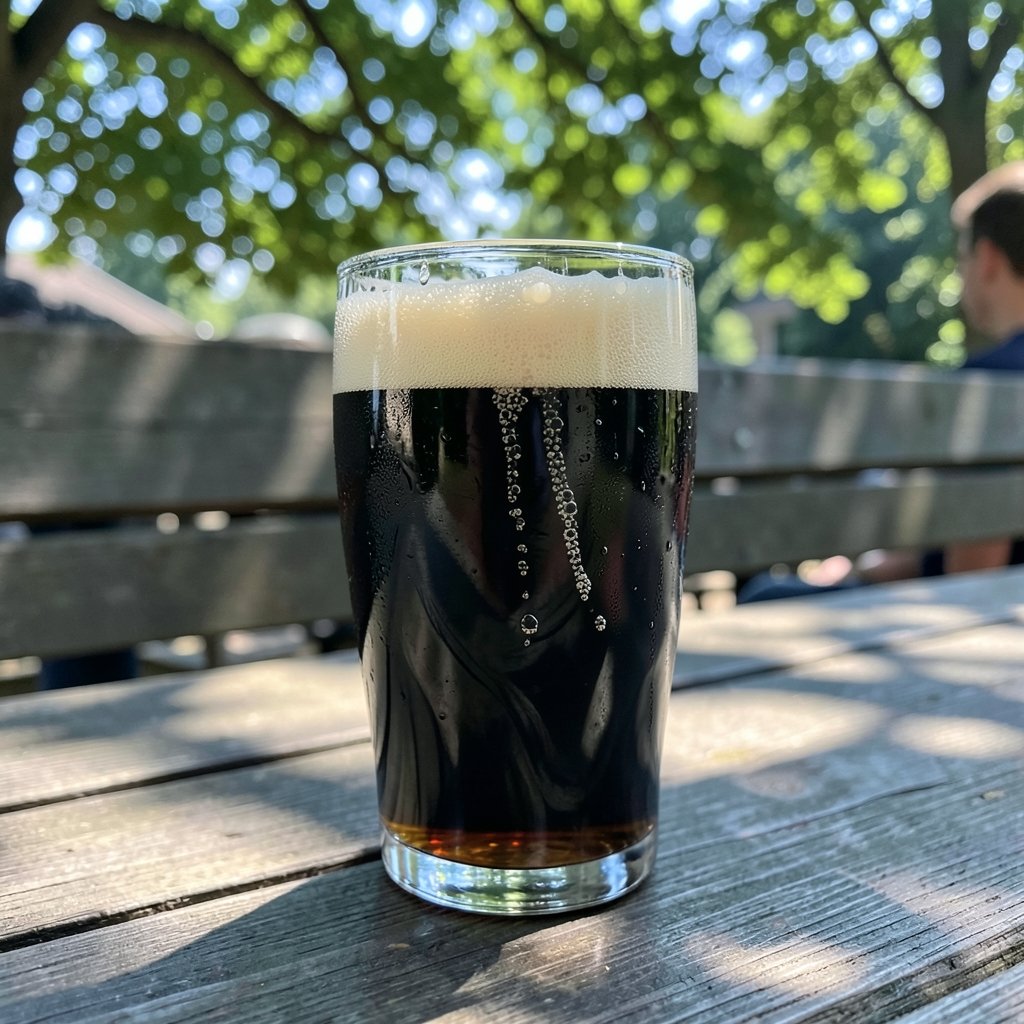
What makes a pint of draught Guinness stout behave the way it does? You order it at a busy bar, and the bartender fills the glass partway, sets it aside, and walks off to serve someone else. A minute later the beer is still moving, a slow cascade of bubbles tumbling downward while the creamy head climbs the glass. Then comes the top-up, a final push on the tap, and a pint with a head so dense you could almost stand a coin on it.
It looks like theatre. It is actually physics, engineering and a serving ritual built up over decades. This article explains what draught Guinness actually is, how the nitrogen dispense system works, why the surge happens, how to pour and serve it properly, and where the common myths go wrong.
What “Draught Guinness” Actually Means
Draught (the standard British and Irish spelling; draft is the American version) refers to beer served from a cask or keg rather than a sealed bottle or can. For Guinness, draught is a specific product with its own recipe, strength and dispense method; format alone does not define it.
It helps to separate three things people often blur together:
| Product | Format | Dispense | Typical character |
|---|---|---|---|
| Draught Guinness | Keg | Mixed gas (nitrogen plus CO₂) through a restrictor tap | Creamy, tight head; soft carbonation |
| Guinness Original / Extra Stout | Bottle | CO₂ carbonation | Sharper carbonation, more bitter bite |
| Widget cans and bottles | Can or bottle | Nitrogen-releasing widget inside | Closest home approximation of draught |
Draught Guinness is a session-strength stout, roughly 4.2% ABV in Ireland and the UK, though the figure shifts by market and export versions can run higher. It pours near-black with a ruby glint when held to light, and it carries the roasted barley bitterness that defines stout as a style. It is not a heavy, syrupy beer in the way its colour suggests. That misunderstanding is one of the most common mistakes people make before they have ever tried one.
The Nitrogen System: The Real Reason a Pint Looks Different
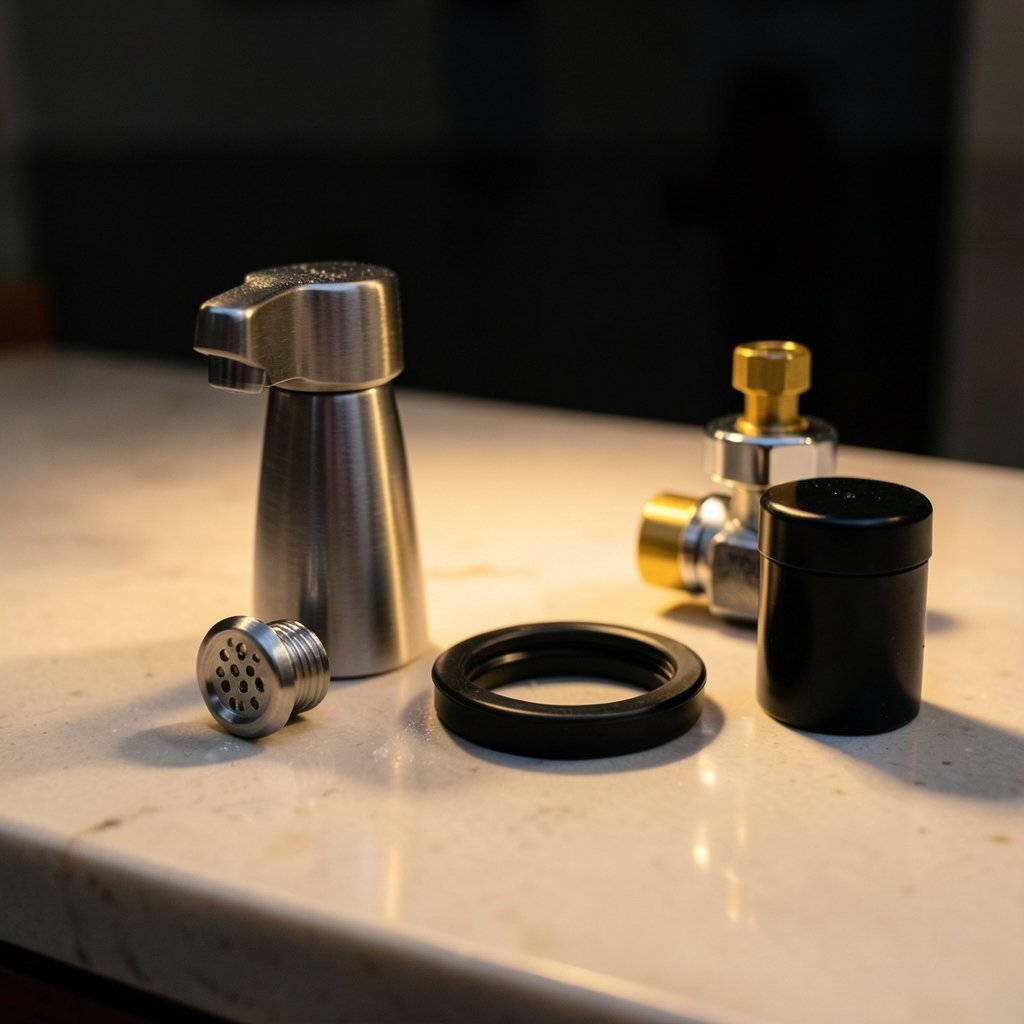
Most beer on tap is pushed through the lines by carbon dioxide alone. Guinness uses a mixed-gas system: nitrogen blended with carbon dioxide, delivered through a tap fitted with a restrictor plate. The plate forces the beer through a small opening at high pressure, which knocks the gas out of solution in a controlled way and creates the fine, dense bubble structure.
Nitrogen matters because it is far less soluble in beer than carbon dioxide. That single fact explains almost everything about the pint’s appearance. The bubbles are smaller, the head is creamier and more stable, and the mouthfeel is softer, less prickly on the tongue than a CO₂-poured stout.
Nitrogen dispense for Guinness dates to the late 1950s, a change widely credited with transforming the brand’s on-trade image. The exact date is often quoted as 1959, and it is worth checking against a primary source before repeating it as gospel. What is not in doubt is the effect: the pour became a spectacle, and the spectacle became part of the product.
The Surge, Explained Without Jargon
Watch a freshly poured pint and you will see bubbles rising at the glass walls while the centre appears to sink. It looks as though the head is falling, then rising again. Neither impression is quite right.
The accepted explanation is a bubble cascade. Bubbles cling to the walls of the glass, and as they rise they drag liquid upward with them. To conserve volume, beer in the centre of the glass has to move downward. The sinking appearance in the middle is real liquid motion, not the head collapsing. Meanwhile, smaller bubbles rise more slowly than larger ones, which is why the settling takes a minute or two rather than seconds. The effect has been analysed in peer-reviewed fluid dynamics work, and it is one of the few cases where a marketing ritual is also a genuinely interesting physics demonstration.
In practice, this means the settle is not something a bartender does for show. It is the beer finishing its own pour.
How to Pour Draught Guinness Properly
The two-part pour is a serving convention and quality-control practice, not a legal rule. It exists because a single fast fill produces a chaotic, oversized head and a pint that has not settled evenly. The standard method works like this:
- Use a clean, dry, branded tulip glass. Residual detergent kills a nitrogen head faster than anything else. A glass that has just come out of a dishwasher without proper rinsing will produce a pint that collapses.
- Hold the glass at roughly 45 degrees under the tap, with the spout close to, but not touching, the liquid.
- Fill to about three-quarters and let the beer settle. The exact fraction varies between sources, but the principle is consistent: leave room for the head to form and stabilise.
- Top up upright, this time with the tap opened fully, letting the beer flow down the inside of the glass until the head domes just above the rim.
- Serve immediately. A pint left standing loses its temperature and its head structure.
Temperature and Line Care
Serving temperature is a specification, not a preference. Draught Guinness is designed to be served cold, in the region of 6 to 8 °C, though the exact figure varies by market and by official guidance. Serve it too warm and the head goes flat and sloppy; serve it too cold and you mute the roasted barley character that makes the beer worth drinking.
Behind the bar, the parts nobody sees matter more than the pour. Gas blend ratios, line length, restrictor plate condition and cellar temperature all affect the pint. A bar with badly maintained lines will pour a bad Guinness no matter how carefully the bartender performs the ritual. If you are judging a pub, watch whether the second pint is as good as the first. Consistency is the tell.
The Widget: Draught Beer in a Can
For decades, draught Guinness was pub-only. The in-can nitrogen widget, launched in 1989, changed that. A small plastic sphere containing pressurized nitrogen sits inside the can; when you open it, the pressure drop releases the gas and creates the surge and head you would get from a tap. A bottle version followed in the early 1990s, though the exact launch year is reported less consistently than the can date and deserves verification.
The widget is a genuinely clever piece of packaging engineering, and it is the reason a can of Guinness can approximate a pub pint at home. It is not identical. The head is usually a little less stable, and the mouthfeel slightly thinner. But it is close enough that the difference is worth arguing about, which is exactly what beer drinkers do.
Practical tip: never pour a widget can straight down the middle into a cold glass. Chill the can, open it, and pour steadily into a clean, dry glass tilted at an angle. A wet or chilled-to-frost glass encourages a thin, fizzy head instead of the dense dome you want.
Common Mistakes and What Actually Works
A few errors come up again and again, both at home and behind the bar.
- Judging the beer by its colour. Draught Guinness is dark because of roasted barley, not because it is thick or strong. People who “don’t like stout” often change their mind after one properly served pint.
- Serving it in the wrong glass. A straight pint tumbler will pour a decent beer, but the tulip shape supports the head and concentrates the aroma. It is not pure marketing.
- Letting it sit. The settle is part of the pour; a pint left on the bar for five minutes is not. Drink it while the head is still standing.
- Confusing draught with bottled versions. Guinness Original and Extra Stout are different beers with different carbonation and, in some markets, different strength. Ordering “a Guinness” in a pub means draught; buying “a Guinness” in a shop usually does not.
- Ignoring the gas blend at home. If you run a home keg system, a CO₂-only setup will not reproduce a draught pint. The nitrogen is not a garnish.
A Short History Worth Knowing
Arthur Guinness signed a 9,000-year lease at St. James’s Gate in Dublin in 1759, a piece of contractual showmanship that has outlived almost every other fact about the company. The brewery grew into one of the largest in the world, and porter and stout became its signature. The nitrogen tap, the widget and the two-part pour all came much later, but they built on the same idea: make the serving of the beer as distinctive as the beer itself.
The spelling question is simpler than people expect. Draught is the British and Irish term for beer served from cask or keg; draft is the American spelling of the same word. Neither is wrong. Using “draught” when writing about Guinness simply matches the brand’s own usage and the market where it was born.
Conclusion
Draught Guinness stout is one of the few beers where the dispense method is as famous as the flavour. The mixed-gas system, the restrictor plate and the two-part pour are not decoration; they are the reason the pint looks and feels the way it does. The surge is physics, the settle is quality control, and the widget is packaging engineering doing a convincing impression of a pub tap.
If you take one thing away, make it this: the pint is a process, not a product. Clean glass, correct temperature, well-maintained lines, a patient two-stage pour and a drinker who does not let it stand. Get those right and the black stuff delivers exactly what it promises. Get them wrong and you will understand why so many people insist the beer “tastes different” in Dublin. It usually does. That is not romance. That is gas, glass and gravity doing their jobs.
Frequently Asked Questions
Is draught Guinness stout high in alcohol?
No. Draught Guinness is a session-strength beer, roughly 4.2% ABV in Ireland and the UK, which puts it in line with many standard lagers and ales. The figure varies by market, and some export versions are stronger, so check the label or the official product page for the country you are drinking in. The dark colour comes from roasted barley, not from alcohol content.
Why does a pint of Guinness settle instead of pouring ready?
The settle is caused by the nitrogen in the beer. Nitrogen is much less soluble than carbon dioxide, so the bubbles formed at the restrictor plate are tiny and rise slowly. Bubbles climbing the walls drag liquid upward, forcing beer down the centre of the glass, which creates the sinking cascade you see. The pint is not falling; it is finishing its pour.
Does draught Guinness taste different from the canned version?
Yes, slightly. The widget can releases nitrogen when opened, so it produces a similar surge and head, but the head is usually a little less stable and the mouthfeel a touch thinner than a well-poured pub pint. Bottled Guinness Original and Extra Stout are different beers again, with conventional carbonation and a sharper bite.
How cold should draught Guinness be served?
Cold, but not ice cold. The target range is roughly 6 to 8 °C, though official guidance varies by market. Serving it too warm flattens the head and makes it feel sloppy; serving it too cold mutes the roasted barley flavour. A clean, dry glass at cellar-to-fridge temperature is the practical target at home.
What is the correct way to pour a pint of Guinness?
Tilt a clean, dry tulip glass to about 45 degrees and fill it to roughly three-quarters, then let it settle. Top up with the glass upright and the tap fully open, letting the beer run down the inside of the glass until the head domes just above the rim. Serve it straight away. The two-part pour is a serving convention, not a legal requirement, but it produces a better pint.
Is it “draught” or “draft” Guinness?
Both spellings refer to beer served from a keg or cask. “Draught” is the standard British and Irish spelling and the one Guinness itself uses; “draft” is the American version. If you are writing for a UK or Irish audience, or for the brand, use “draught”. For a US audience, “draft” is perfectly acceptable and often clearer.



