
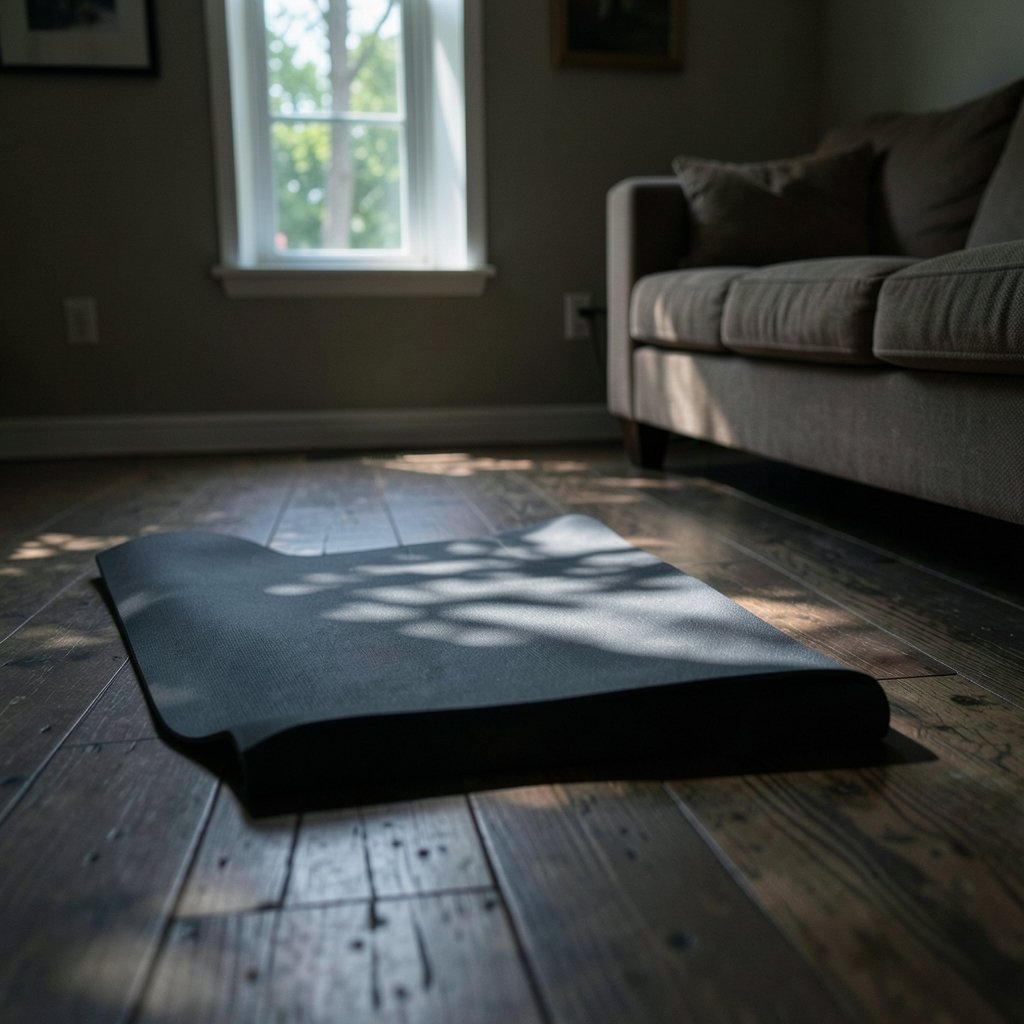
What if the mat slipping under your hands during down dog has less to do with your technique and more to do with what the mat is made of? That question is exactly why natural rubber mats keep coming up in yoga circles. The Hugger Mugger Para Rubber Yoga Mat sits in the middle of that conversation. It is a mat built around a material story rather than a fashion story, and that changes how it feels, how it ages, and who should think twice before buying one.
This article walks through what para rubber actually is, how a natural rubber mat behaves in daily practice, the trade-offs nobody mentions in product photos, and the practical checks worth running before you spend money. No hype, no invented test scores, just the mechanics of the material and how to decide whether it suits you.
What Para Rubber Actually Means
Para rubber is natural rubber harvested from the Hevea brasiliensis tree, the same species that produces latex. The name traces back to the Amazon basin, where rubber tapping began commercially, and it has stuck as a shorthand for tree-derived rubber ever since.
That matters because most yoga mats on the market are not rubber at all. They are foam, and the foam is usually one of three types:
| Material | Feel | Grip when dry | Grip when sweaty | Weight |
|---|---|---|---|---|
| PVC foam | Soft, cushiony | Moderate | Often poor | Light to medium |
| TPE foam | Light, springy | Moderate | Moderate | Light |
| Natural rubber | Dense, firm | Strong | Strong | Heavy |
A natural rubber mat behaves differently from foam in one obvious way: it grips through friction rather than through surface texture. Rubber compresses slightly under a hand or foot and holds. Foam tends to rely on a top coating or a raised pattern, and once that coating gets slick with sweat or clogged with dust, grip falls off.
Hugger Mugger, a Utah-based yoga equipment company, built its reputation on this material rather than on printed designs. The company has long offered natural rubber options alongside its better-known mat lines, and para rubber is the term it has used for the tree-derived rubber in those products. Anyone shopping the current range should confirm the exact model, thickness, and price directly with the retailer, because product lines shift and specifications change.
How a Rubber Mat Feels in Real Practice
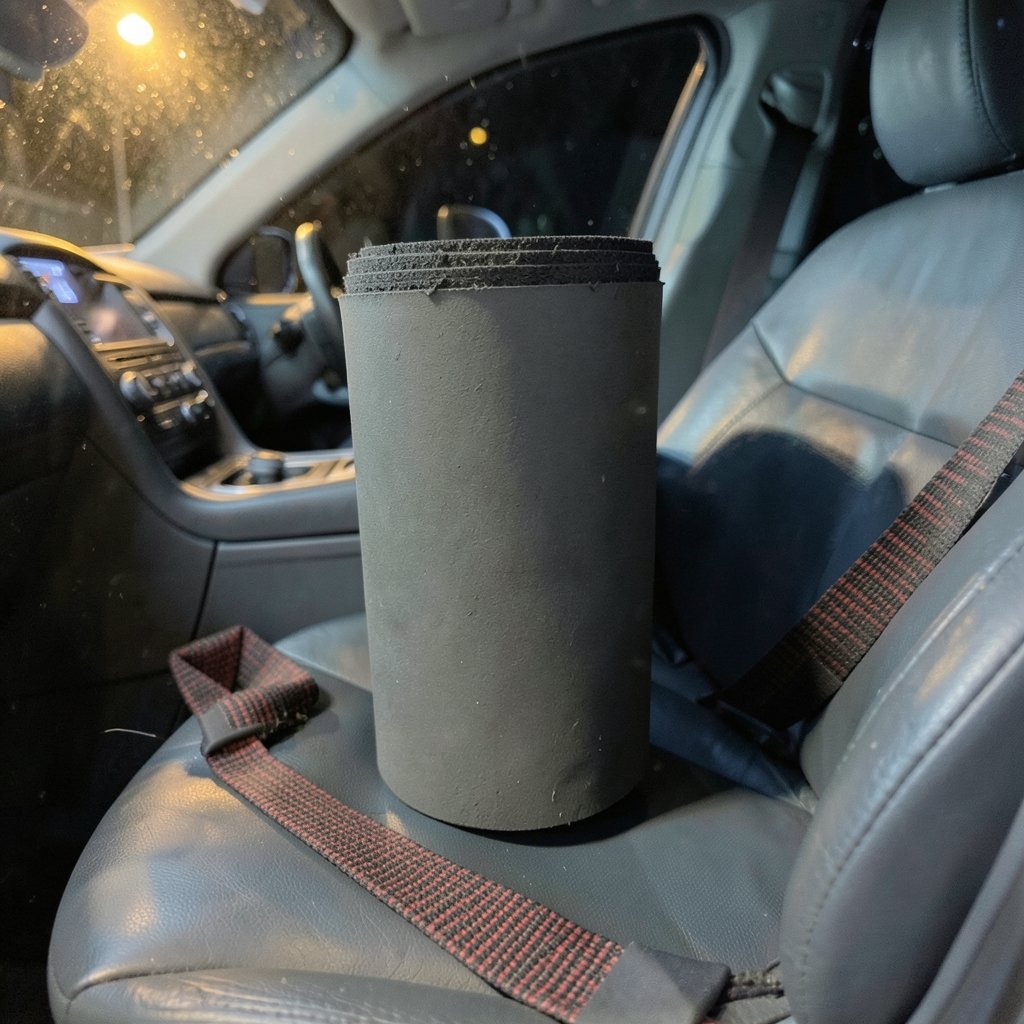
The first thing most people notice is weight. A dense rubber mat does not roll up small, and it does not float onto a shelf. It lands on the floor with a thud. That weight is the trade-off for stability: the mat stays put, and it does not bunch under a moving foot in a lunge transition.
The second thing is cushioning. Rubber is firm. If you have sensitive knees and you expect a plush landing in low lunge, a thin natural rubber mat may disappoint. If you have ever felt unstable in balancing postures on a soft foam mat, the firmness works the other way and feels reassuring.
The third thing is smell. New natural rubber has an odor. It is earthy and rubbery, not chemical in the way cheap PVC can be, but it is unmistakable. It fades over weeks, faster with airing out than with cleaning. Anyone who has opened a fresh rubber mat and immediately worried about the smell should know it is normal and temporary.
Grip is the headline. In a heated room or during a long vinyasa sequence, a rubber surface keeps holding when a foam mat starts to slide. That is the practical argument for the material, and it holds up across most body types and sweat levels.
The Latex Question Nobody Should Skip
Here is the part that deserves a clear, direct answer. Natural rubber and latex come from the same tree, and latex allergy is a real medical consideration. People with known latex sensitivity should treat natural rubber mats with caution rather than assuming a mat is safe because it is “natural.”
Anyone in that group has a few sensible options. Ask the manufacturer directly whether the mat contains natural rubber latex proteins. Look at alternative materials such as cork-topped mats or TPE. And if a reaction has ever happened before, treat the mat purchase the same way you would treat a glove purchase.
For everyone else, the material is generally well tolerated. The point is not to scare anyone off rubber. The point is that a mat is a surface you press your face near in forward fold, so knowing what it is made of is basic diligence, not paranoia.
Care and Longevity: What Actually Works
Natural rubber is durable, but it is not indestructible, and a few common mistakes shorten its life more than anything else.
Mistake one: leaving it in a hot car. Heat degrades rubber. A mat that lives in a trunk through a summer will go brittle and crumbly faster than one stored indoors. This is the single most common way people destroy a good rubber mat.
Mistake two: machine washing. Rubber mats should not go in a washing machine. Spot clean with a damp cloth and a mild soap, then air dry flat and away from direct sun.
Mistake three: over-cleaning. Some people scrub after every session. Rubber does not need that. A wipe down after sweaty practices and a deeper clean every few weeks is plenty. Aggressive cleaners strip the surface and can leave it tacky.
Mistake four: rolling it damp. Moisture trapped in a rolled mat turns into mildew. Let it dry fully before rolling, and store it unrolled if you have the floor space.
Used with a little care, a natural rubber mat tends to outlast foam mats. The material is denser and resists the compression that turns cheap foam mats into permanent footprints over a year or two of regular practice.
Where the Mat Fits and Where It Doesn’t
A para rubber mat is not the right answer for every yogi, and being honest about that saves people money.
It suits people who practice regularly, sweat a lot, and care more about grip than about carrying a light bag to the studio. It suits people who practice at home on a hard floor and want a stable base. It suits people who have worn through foam mats and are tired of replacing them.
It does not suit people who commute by bike or on foot with a mat strapped to their back, because the weight is noticeable. It does not suit people who want maximum cushioning for restorative or yin practice on a hard floor, where a thicker foam or a dedicated comfort mat usually wins. And it does not suit anyone with latex sensitivity unless they have confirmed the material is safe for them.
That kind of clear-eyed sorting is the same logic that applies to most gear decisions. The parallel parking method that actually works is the one matched to your car and your street, not the one that looks best on paper. A yoga mat is the same: the right one is the one that fits how you actually use it. If you are weighing other equipment and workflow choices, a look at how people compare UTM vs Parallels vs BlueStacks on an Air Mac shows the same principle in a completely different domain: match the tool to the real workload, not the marketing.
Buying Checklist Before You Commit
Before paying for any natural rubber mat, including a Hugger Mugger model, run through a short list. It takes five minutes and prevents most returns.
- Confirm the material. The listing should say natural rubber or tree rubber, not “rubber-like” or “rubberized.”
- Confirm thickness. Thin mats around 3 to 4 millimeters are stable and travel better; thicker mats cushion more but feel less grounded.
- Confirm weight. If you carry the mat daily, weigh the trade-off honestly.
- Check the return policy. Odor and firmness are personal, and a mat you have not touched is a gamble.
- Check latex guidance. If sensitivity is a factor, ask before you buy, not after.
- Read care instructions. If the maker says machine washable, be suspicious of the material claim.
People who skip step four are the ones who end up stuck with a mat they dislike. People who skip step five are the ones who end up with a rash. Neither is worth the saved effort.
Pairing Gear With the Rest of Your Setup
A mat is one piece of a larger system, and small mismatches cause outsized frustration. A dense rubber mat on a slick hardwood floor can still creep, so a thin non-slip rug pad underneath solves it. A heavy mat plus a flimsy strap means the strap digs into your shoulder, so a wider cotton strap is worth the small upgrade.
The same attention to detail pays off elsewhere in daily life. If you are the kind of person who reads the care label on a mat, you are probably the kind who wants the model-specific instructions for other devices too. The pair pen Lenovo Yoga model by model guide is a good example of why exact model matching beats generic advice. And if you have ever wondered whether a wellness purchase is really about wellness at all, the money yoga trend and what it does to your finances is worth a read before the next impulse buy.
Gear should serve the practice. When it starts serving the shopping, the mat stops being a tool and becomes clutter.
The Honest Verdict
The Hugger Mugger Para Rubber Yoga Mat makes sense for a specific kind of buyer: someone who practices often, values grip and stability over portability, and is willing to care for a natural material properly. For that person, the density and friction of tree rubber are a genuine upgrade over foam, and the mat will likely outlast two or three cheaper alternatives.
For the casual practitioner who rolls out a mat twice a month, the weight and firmness may feel like drawbacks rather than features. And for anyone with latex sensitivity, the material question has to be settled before anything else.
The broader lesson is simple. Natural rubber is not a marketing gimmick; it is a material with real properties and real limits. Know what you are buying, check the specifics with the seller, and match the mat to how you actually move. Do that, and the mat disappears into the background where it belongs, leaving you to focus on the practice instead of the purchase.
Frequently Asked Questions
What is a para rubber yoga mat made of?
A para rubber mat is made from natural rubber harvested from the Hevea brasiliensis tree, the same species that produces latex. The rubber is dense and grippy, which is why it holds well during sweaty practice. It is not the same as PVC or TPE foam, which are synthetic and behave very differently underfoot.
Is a natural rubber yoga mat safe if you have a latex allergy?
Not automatically. Natural rubber and latex come from the same tree, so anyone with known latex sensitivity should confirm the material with the manufacturer before buying. Alternatives such as cork-topped mats or TPE mats avoid the issue entirely. When in doubt, ask the seller directly rather than relying on the word “natural.”
Why does a new rubber mat smell so strong?
New natural rubber has an earthy, rubbery odor that is normal and temporary. It fades over a few weeks, and airing the mat out flat in a ventilated room speeds the process. The smell is different from the sharp chemical odor some cheap PVC mats have, and it is not a sign of a defective product.
How do you clean a para rubber yoga mat?
Wipe it with a damp cloth and a mild soap, then let it air dry flat and out of direct sun. Do not machine wash it, and do not roll it up damp, because trapped moisture causes mildew. A quick wipe after sweaty sessions and a deeper clean every few weeks is enough for most people.
How long does a natural rubber yoga mat last?
With reasonable care, a natural rubber mat typically outlasts foam mats because the material resists compression. The biggest threats are heat and moisture: leaving it in a hot car or storing it damp will shorten its life dramatically. Stored indoors and dried properly, it can hold up for years of regular practice.
Is a rubber mat better than a foam mat for hot yoga?
For most people, yes. Rubber grips through friction and keeps holding when sweat builds up, while foam mats often rely on a surface coating that gets slick. The trade-offs are weight and firmness, so anyone who needs a light, cushioned mat for travel or restorative practice may still prefer foam.



