
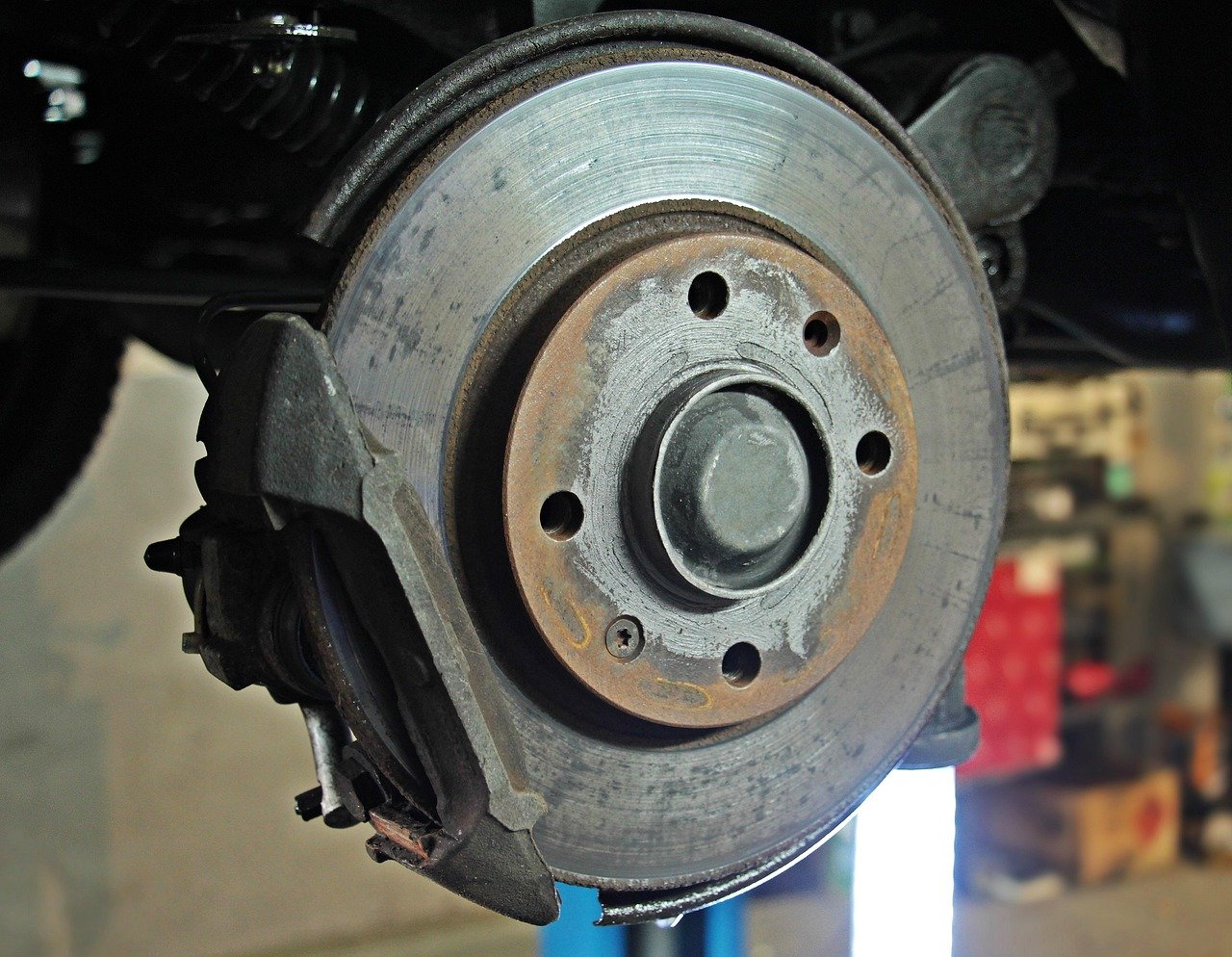
What actually happens behind the roll-up door of a mechanic shop, and why does the bill so often surprise the person holding it? Most drivers visit a garage a few times a year at most, which means they make high-stakes decisions with very little practice. The shop, meanwhile, makes the same decisions every day. That gap in experience is where trust, confusion, and the occasional horror story all come from.
This guide walks through what a mechanic shop is, how the industry is organized, what the rules are in different places, and how to pick a shop you can keep going back to. No jargon, no scare tactics.
What Counts as a Mechanic Shop?
A mechanic shop is a business that diagnoses, services, and repairs motor vehicles. That covers everything from a two-bay independent garage to a dealership service department with forty lifts. In official statistics, the trade sits under “maintenance and repair of motor vehicles” — class 4520 in the UN’s International Standard Industrial Classification, and class 45.20 in the European Union’s NACE system. The UN classification of economic activities explains how statisticians group these businesses, which matters more than it sounds: government data on the trade, from employment to revenue, is built on those codes.
In the United States, the Census Bureau sorts the trade under NAICS 8111, Automotive Repair and Maintenance. The official NAICS definition for automotive repair and maintenance is worth a look if you want to see how regulators draw the line between general repair, body work, tire shops, and oil-change chains. Each subcategory has its own economics and its own typical pricing.
How the Repair Trade Is Split
The US repair sector divides roughly into two camps: independent shops and new-car dealership service departments. Industry analyses have long put independents at somewhere between two-thirds and three-quarters of aftermarket service revenue, but the exact split shifts by year and by methodology. Treat any single percentage you see quoted as contested.
| Shop type | Typical strengths | Typical weak spots |
|---|---|---|
| Independent general repair | Lower labor rates, long relationships, flexible scheduling | May lack factory scan tools for the newest models |
| Dealership service department | Factory training, manufacturer software, warranty work | Higher labor rates, upsell pressure, longer waits |
| Specialty shop (transmission, EV, diesel) | Deep expertise in one system | Narrow scope; you may need two shops |
| Chain and quick-lube | Speed, fixed prices, convenient hours | Limited diagnostic depth, heavy add-on sales |
None of these is automatically better. The right choice depends on what the car needs and what the shop can actually do.
Where the Rules Come From
Repair-shop regulation is mostly local. In the US, there is no single national licensing standard; states and cities handle registration, written-estimate requirements, and rules about returning replaced parts. California’s Bureau of Automotive Repair, created by statute in 1971, is one of the best-documented examples of state-level oversight, and its consumer pages on auto repair rights show what a formal complaint process looks like.
The UK relies more on voluntary schemes, such as the Motor Ombudsman code. Australia routes disputes through state fair-trading bodies. The practical upshot for drivers anywhere: before you hand over keys, know which body, if any, can help you if things go wrong.
There is also a bigger fight over information. Manufacturers have increasingly locked diagnostic data and software behind dealer-only systems, and independent shops say that shuts them out of newer cars. Massachusetts voters approved an automotive right-to-repair measure in 2012 and expanded it in 2020 to cover telematics. Federally, the FTC’s July 2021 policy statement on repair restrictions named autos among the affected sectors. The FTC’s report to Congress on repair restrictions lays out the arguments in detail. In Europe, rules have required manufacturers to give independent operators access to technical repair information since 2007.
This matters to your wallet. When independent shops can read a car’s computers, they can compete on diagnosis and repair. When they cannot, the dealer has a captive audience.
What the People Fixing Your Car Have Learned
Technician credentials are voluntary in most places, which surprises many drivers. In the US, the non-profit ASE has certified technicians by specialty — brakes, engine repair, electrical systems, and more — since 1972. The ASE certification program explained shows what each test covers. A shop displaying ASE badges is signaling that its techs passed independent exams, separate from in-house training.
In the UK, the Institute of the Motor Industry plays a similar role. Either way, certification is a useful filter, not a guarantee.
The bigger shift in the trade is electrification. EVs and advanced driver-assistance systems have changed the skill mix and tooling needs fast. Industry surveys from roughly 2022 through 2024 repeatedly found that many independent shops felt underprepared for EV service — high-voltage safety training, insulated tools, and battery diagnostics are expensive, and not every garage has made the investment. If you drive an EV or a plug-in hybrid, ask directly whether the shop services high-voltage systems before you book.
Safety and Environmental Rules That Shape the Bill
Auto repair involves solvents, used oil, refrigerants, and a lot of lifting and twisting. In the US, general industry safety standards apply, and used oil management falls under federal hazardous waste rules. The EPA’s used oil management rules explain how shops must store, label, and ship off used oil — a cost that quietly sits inside your invoice. Refrigerant handling is regulated separately, with technician certification requirements. (Vehicle and fuel emissions testing (EPA))
In the EU, end-of-life vehicles are covered by the ELV Directive from 2000. None of this is glamorous, but compliant disposal is one of the real differences between a professional shop and a cheap one cutting corners.
How to Pick a Shop You Will Keep
Experience in the trade points to a handful of habits that separate good outcomes from bad ones. Here is what actually works in practice.
- Start before you need it. Find a shop while the car is running fine. Ask neighbors, check local community boards, and look at how a shop answers the phone. A rushed search during a breakdown pushes people toward whoever can take the car today.
- Ask for the estimate in writing. Most consumer-protection rules revolve around written estimates for a reason. Get the diagnosis, the parts, the labor rate, and the tax spelled out. A shop that resists this is telling you something.
- Ask what happens if the diagnosis changes. A good answer sounds like: “We call you before doing anything beyond the estimate.” A bad answer sounds like: “We’ll sort it out.”
- Request the old parts back. This is a legal right in many jurisdictions and a useful test everywhere. Shops that toss parts without asking are not necessarily cheating, but the request itself sets a tone.
- Watch the upsell pattern. A shop that finds three unrelated urgent problems on every visit is either very thorough or very sales-driven. Ask which items can safely wait a month and see how the answer is framed.
- Check the specialty fit. Transmission work, diesel, EVs, and performance tuning each need specific tools. A great general shop is not automatically the right shop for a hybrid battery.
Small practical details matter too. If the shop handles the boring logistics well — clear invoices, tidy waiting area, calls when promised — the technical work usually follows the same pattern. The same logic applies to other service trades: whether you are choosing a car window tinting shop that stays legal and does clean work or a plumber, the vetting process is the same mix of paperwork, references, and gut check. (Write thank you note that sounds like you not card shop) (Automobile repair shop (Wikipedia))
Common Mistakes Drivers Make
The most expensive mistakes are rarely about picking the wrong brand of brake pad. They are about process.
- Approving work by phone without a number. “Just fix it” is how a $300 job becomes $1,100. Ask for the figure and a callback before work starts.
- Skipping the maintenance schedule because the car “feels fine.” Fluid changes and belt inspections are cheap; the failures they prevent are not.
- Ignoring the owner’s manual. Manufacturers publish service intervals for a reason, and shops sometimes recommend shorter ones.
- Confusing cheap with good value. A low hourly rate means little if the job comes back. Compare total cost of the repair, including the chance of a redo.
- Not keeping records. A folder of invoices helps at resale, helps during warranty disputes, and helps the next shop understand the car’s history.
Running a shop has its own version of this problem. Owners juggle parts suppliers, payroll, and bookkeeping, and the software bill alone can sting — plenty of small garages end up comparing QuickBooks alternatives with real examples for freelancers and shops once the monthly fees add up. That overhead is part of why labor rates climb.
What a Fair Invoice Looks Like
A trustworthy invoice separates parts, labor, and fees, and shows the labor rate and hours. It lists the diagnostic charge, if any, and notes whether that charge is credited against the repair. It names the parts — brand and part number — rather than “front brakes, assorted.”
If a shop charges a diagnostic fee and then applies it to the repair, that is normal and fair. If it charges a diagnostic fee and then hands you a vague list of “recommended” work with no prices, ask for the itemized version before approving anything.
Conclusion
A mechanic shop is a small business operating inside a thicket of local rules, voluntary certifications, and shifting technology. The drivers who get the best outcomes are not the ones who know the most about engines. They are the ones who ask for written estimates, request their old parts, plan ahead instead of panicking, and match the shop to the job. Do those four things and the gap between what the shop knows and what you know stops being a risk — and starts being a relationship.
Frequently Asked Questions
How often should a car go to a mechanic shop?
Follow the manufacturer’s service schedule in the owner’s manual. For most modern cars that means an oil and filter change roughly every 5,000 to 10,000 miles depending on oil type and driving conditions, plus inspections at the intervals listed. Severe driving — short trips, stop-and-go traffic, extreme heat or cold — shortens those intervals. If anything feels off between scheduled visits, go early rather than waiting.
Is the dealership always more expensive than an independent shop?
Usually, but not always. Dealer labor rates tend to run higher, and dealerships often push manufacturer-recommended services that go beyond what the manual requires. That said, dealers have factory scan tools and warranty coverage that independents may lack, especially on very new or complex models. Compare itemized quotes for the same job rather than assuming.
Can a shop refuse to show me the old parts?
In many jurisdictions, you are entitled to the replaced parts on request, though shops may keep them when the part is under warranty or must be returned to the supplier as a core. Ask when you drop off the car. If a shop flatly refuses without a reason, that is a signal worth paying attention to.
What should I do if I think I was overcharged?
Start with the shop: ask for the itemized invoice and a written explanation of the charges. If that goes nowhere, escalate to the consumer-protection or licensing body that oversees repair shops where you live, and keep every document. Paying by card can also give you a dispute process. Speed matters — file complaints while the details are fresh.
Are ASE-certified technicians better?
Certification is a meaningful signal, not a guarantee. ASE certification means a technician passed independent exams in specific specialties and keeps up with continuing education. It says nothing about how a particular shop handles estimates, scheduling, or communication. Use certification as one filter among several, alongside written estimates and local reputation.
Do independent shops work on electric vehicles?
Some do, and more are training up every year, but coverage is uneven. High-voltage systems require specific safety training, insulated tools, and diagnostic software, and those are real costs for a small garage. Before booking, ask directly whether the shop services your model’s high-voltage system, and ask what training the technician has completed.



