
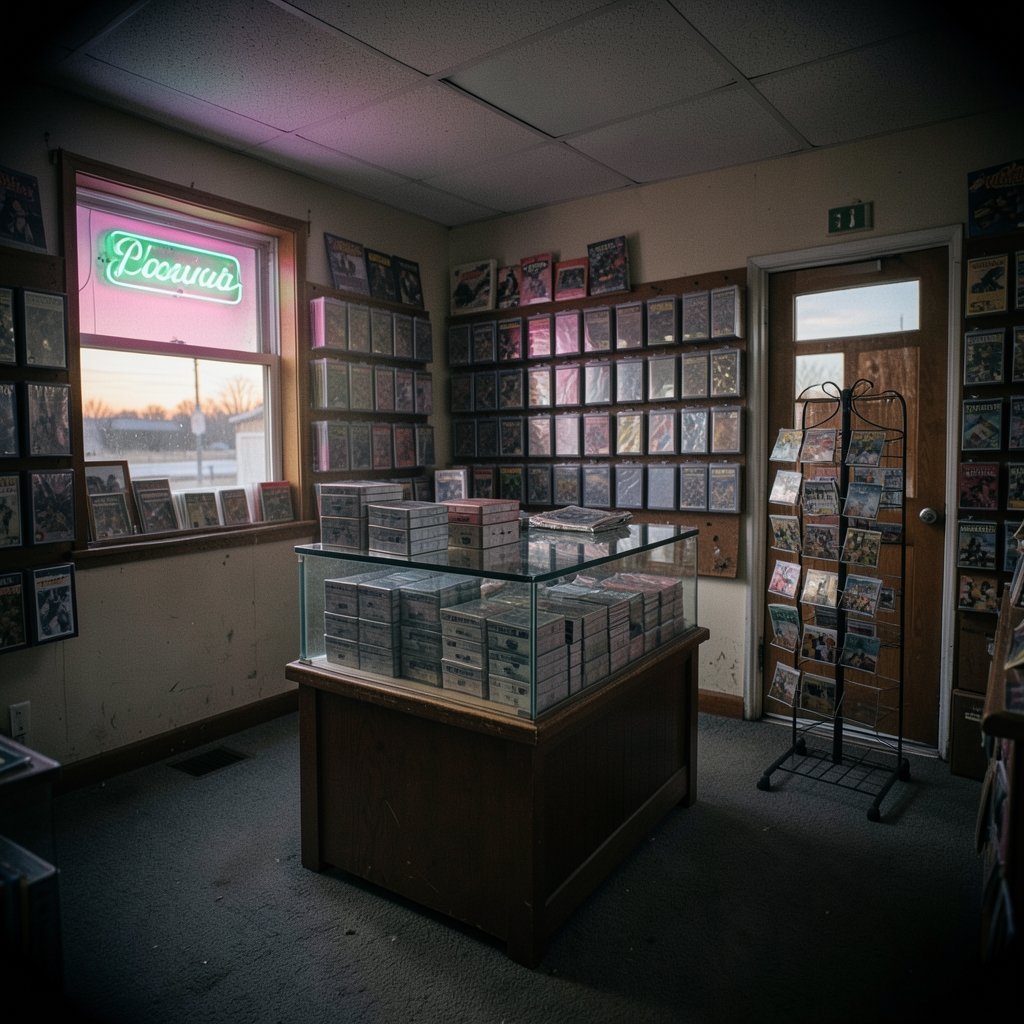
Where do you go when the big-box shelf is bare and the online listing you wanted just sold out? That question, “pokemon cards near me,” gets typed into search bars thousands of times a day by collectors, parents, and players who simply want cards in hand today. The answer is rarely one store. It is a small map of local hobby shops, chain retailers, and community events, each with its own quirks, stock patterns, and pricing habits.
This guide walks through how to find those places, how to judge whether a shop is worth the drive, what to expect when you walk in, and the mistakes that cost collectors time and money. No hype, no invented rumors about upcoming releases, just practical groundwork you can act on this week.
Why “near me” searches so often lead nowhere
The first surprise for many people is that the closest store is not always the best one. National chains carry Pokémon Trading Card Game products, but their stock has been volatile since the collecting surge of 2020 and 2021. A shelf that was full last Tuesday can be empty on Saturday, and staff at large retailers usually cannot tell you when the next shipment lands.
Independent local game stores, often called LGS in hobby circles, are a different animal. They order in smaller quantities, restock on a schedule tied to new set releases, and frequently hold back product for their regulars or for tournament players. That makes them more reliable for some things (singles, sleeves, play space) and less reliable for others (sealed booster boxes on release day, which can sell out in hours).
So the honest framing is this: “near me” is not one answer. It is a shortlist you build and then test.
Start with the official store and event locator

The most underused tool is the one run by the company itself. The Pokémon organization maintains an official locator for retailers and organized-play venues, and it is the cleanest starting point because listings there are tied to stores that participate in sanctioned events. Searching your postcode or city returns shops that host leagues and tournaments, which is a strong signal that they actually carry product and care about the hobby rather than treating cards as a seasonal novelty.
Use the locator to build a list, then verify each shop independently. Call ahead. Ask two specific questions: do you have [set name] in stock today, and do you sell singles? A shop that answers both quickly is usually well organized. A shop that says “we get deliveries whenever” is telling you something useful too.
The four kinds of places that sell Pokémon cards
Not every seller behaves the same way, and knowing which category you are walking into saves a lot of wasted trips.
| Store type | Best for | Watch out for |
|---|---|---|
| Local game store | Singles, tournaments, advice, pre-release events | Higher sealed prices, limited release-day stock |
| Big-box retail | Cheap starter decks, tins, impulse buys | Unpredictable restocks, no staff expertise |
| Comic and hobby shops | Older sealed product, binders of singles | Inconsistent pricing, dusty inventory |
| Card shows and swap meets | Bulk deals, trading, grading submissions | Counterfeits, no returns, cash-only tables |
A fifth category deserves a mention: online marketplaces that let you filter by local sellers. They are useful for price context, but they are commercial platforms, so treat listed prices as a market signal rather than a fair-value benchmark. Cross-check a few listings before you decide a shop is overcharging.
How to vet a shop before you drive there
Practical collectors develop a quick checklist. It takes about five minutes and saves hours.
- Check the shop’s social media for a recent post showing new arrivals. A store that posts restock photos is usually transparent about inventory.
- Read the most recent reviews, not the average rating. Look for mentions of pricing fairness, staff knowledge, and whether the shop honors pre-orders.
- Call and ask whether they buy collections. Shops that buy collections tend to have deeper single inventories.
- Ask about organized play. A venue that runs weekly leagues has a community, and community shops tend to stay in business.
- Confirm opening hours on the day you plan to visit. Hobby shops keep unusual schedules, and a wasted forty-minute drive stings.
One more practical tip: go on a weekday if you can. Weekend afternoons at a popular shop mean a queue at the counter and a picked-over singles case. Tuesday morning is a different world.
What to look for on the shelf and in the case
Once you are inside, the real skill is reading the inventory. Sealed product should look factory fresh: tight plastic wrap, no creased corners, no sun fading on the box art. Faded packaging usually means the box sat in a window for a year, and heat plus sunlight is not kind to cards.
For singles, the display case is where the value lives. Ask to see a card out of the case before buying anything expensive. Check the surface under good light, look at the edges for whitening, and confirm the card is not a reprint or a proxy. Counterfeit cards are a known problem in the hobby, and the giveaway signs are usually soft print quality, wrong font weight, or a back that feels glossier than it should.
Bulk bins are worth ten minutes of digging. They are where casual collectors find playable commons for decks and where patient hunters occasionally spot a mispriced rare. Do not expect miracles, but do not skip the bin either.
Pricing: what is fair and what is not
Local shops price against the secondary market, which means their singles move with it. That is normal and not a scam. What matters is the spread. A shop charging ten to fifteen percent above the going market rate for the convenience of buying in person is being reasonable. A shop charging double is relying on you not checking.
For sealed product, compare against the manufacturer’s suggested retail price where you can find it. Big-box stores usually sit at or near that number. Hobby shops often price above it because their wholesale costs are higher and their volumes are lower. Paying a small premium to support a venue with tables, staff, and tournaments is a legitimate choice, not a mistake.
If you are buying to collect rather than to flip, the price you paid stops mattering the moment you decide to keep the card. If you are buying to resell, be honest with yourself about fees, shipping, and the time cost of listing.
The community side: leagues, tournaments, and trading
The most overlooked reason to visit a local shop has nothing to do with the shelf. It is the people. Sanctioned leagues and tournaments give players a place to test decks, and they give collectors a trading floor that no app can replicate. Trades done in person avoid shipping costs and let both sides inspect the card before shaking hands.
New players should ask about pre-release events, which happen shortly before a new set goes on sale. They are the most beginner-friendly entry point in the hobby: everyone builds a deck from fresh packs, nobody has a tuned competitive list, and the atmosphere is closer to a board game night than a tournament.
If you are hunting for other local errands while you are out, it helps to plan the trip as a loop. A Saturday run might combine a card shop, a stop for lunch, and a browse through secondhand stores, which is how many collectors end up finding deals on storage boxes and binders. Guides like this list of best thrift stores near me cover that angle, and if you are making a day of it, a roundup of best salads near me keeps the lunch break simple.
Common mistakes that waste time and money
The single biggest mistake is buying sealed product from a stranger in a car park because the price looked amazing. If a booster box is thirty percent below every other listing, ask why. Sometimes the answer is innocent, such as a store closing or a collector clearing space. Often it is resealed product.
The second mistake is ignoring the shop’s event schedule. Collectors who show up on tournament day find the singles case picked clean and the staff too busy to help. Check the calendar first.
The third is overpaying for graded cards without understanding what the grade means. A high grade from a major grader like PSA or Beckett adds real value, but the premium varies enormously by card, and grading fees plus shipping eat into any resale margin. For most casual collectors, raw cards in good condition are the better buy.
The fourth mistake is chasing rumors. Every few weeks a fresh claim circulates about an unannounced release, and people plan purchases around it. Treat unverified leaks as entertainment, not shopping advice. If you want to see how quickly speculation spreads, this breakdown of the pokemon ruby sapphire switch release date leak 2026 whats situation shows the pattern clearly: excitement first, confirmation later, if ever.
Building a repeatable local routine
The collectors who consistently find good cards are not luckier. They are more systematic. They visit two or three shops on a rotation, they know which one restocks on Thursday, and they have a friendly relationship with one staff member who will hold a card for an hour.
A simple routine looks like this: a weekday visit once a month to the shop with the best singles case, a weekend visit to whichever venue is running an event, and a quick check of the big-box aisle whenever you happen to be in the store anyway. Add one card show per season if there is one within reasonable driving distance. That is roughly four to six hours a month, and it produces far better results than frantic release-day searches.
Budget matters too. Decide what you can spend before you walk in, and treat the singles case as the place where that budget goes furthest. A twenty-dollar note buys a handful of playable rares or one memorable card. Choose deliberately.
Conclusion
Finding Pokémon cards near you is less about a single search and more about building a small, trusted map: the official locator for venues, a couple of well-run local shops, the chain aisle for cheap essentials, and the community events that make the hobby social. Call ahead, check recent reviews, inspect expensive cards in person, and be skeptical of prices that seem too good.
The collectors who enjoy this hobby longest are the ones who treat it as a routine rather than a race. Find two shops you like, show up on quiet days, learn the staff’s names, and let the good finds come to you. That approach beats any restock alert.
One last habit worth building: keep a simple note on your phone listing each shop’s restock day, its singles-case strengths, and the name of a staff member who knows your interests. Six months of those notes turns guesswork into a reliable local map. And if a shop ever stops feeling welcoming, trust that instinct and move on; the hobby has enough venues that no one needs to tolerate a bad one. With that map in hand, the question stops being where the cards are and becomes which ones you actually want.



