
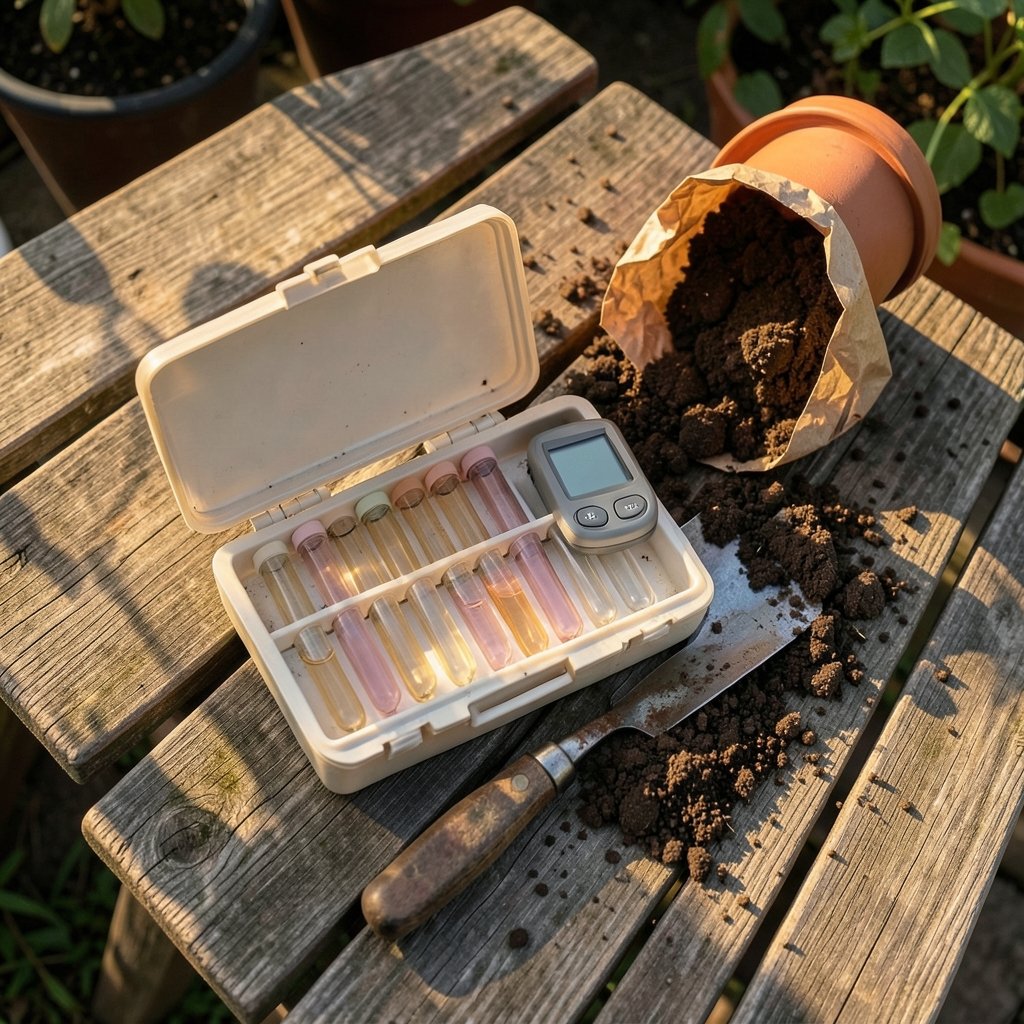
Quick Answer: Are expensive soil testing kits worth it?
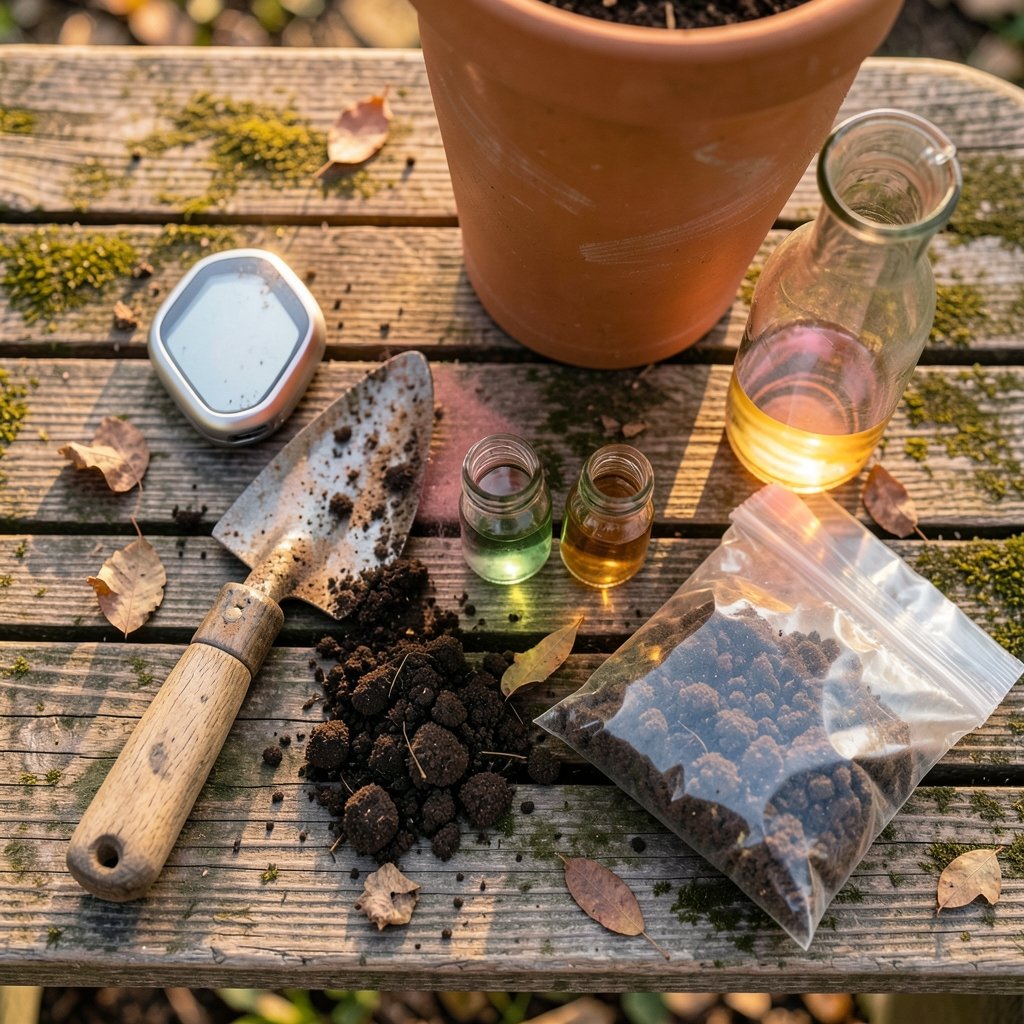
It depends. For most gardeners, a mid-priced kit or a lab test beats a premium electronic meter, because accuracy depends more on calibration and sampling technique than on price. For commercial growers, legal disputes, or health concerns like lead, a certified lab is the safer route.
A $200 meter and a $15 kit can both tell you your soil is acidic. Only one of them tells you how much lime to add with confidence. Before spending, compare pH accuracy, nutrient coverage, calibration requirements, sampling guidance, turnaround time, and whether results come with fertilizer recommendations.
Why do some gardeners swear by a $200 electronic meter while others get great results from a kit that costs less than a bag of fertilizer? The answer says less about the gadget and more about what soil testing is actually for. Expensive kits are not automatically better, and cheap ones are not automatically useless. What matters is whether the tool gives you numbers you can act on.
What a soil test is really measuring
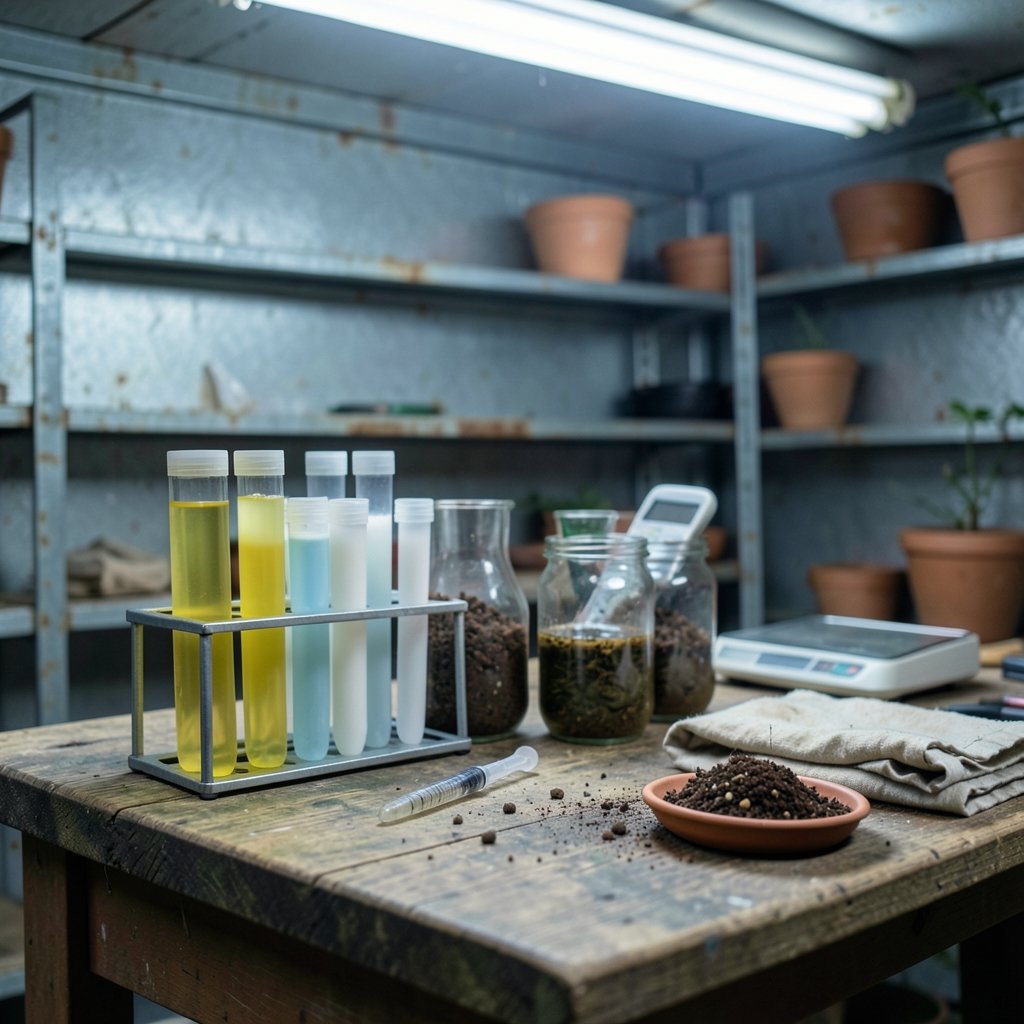
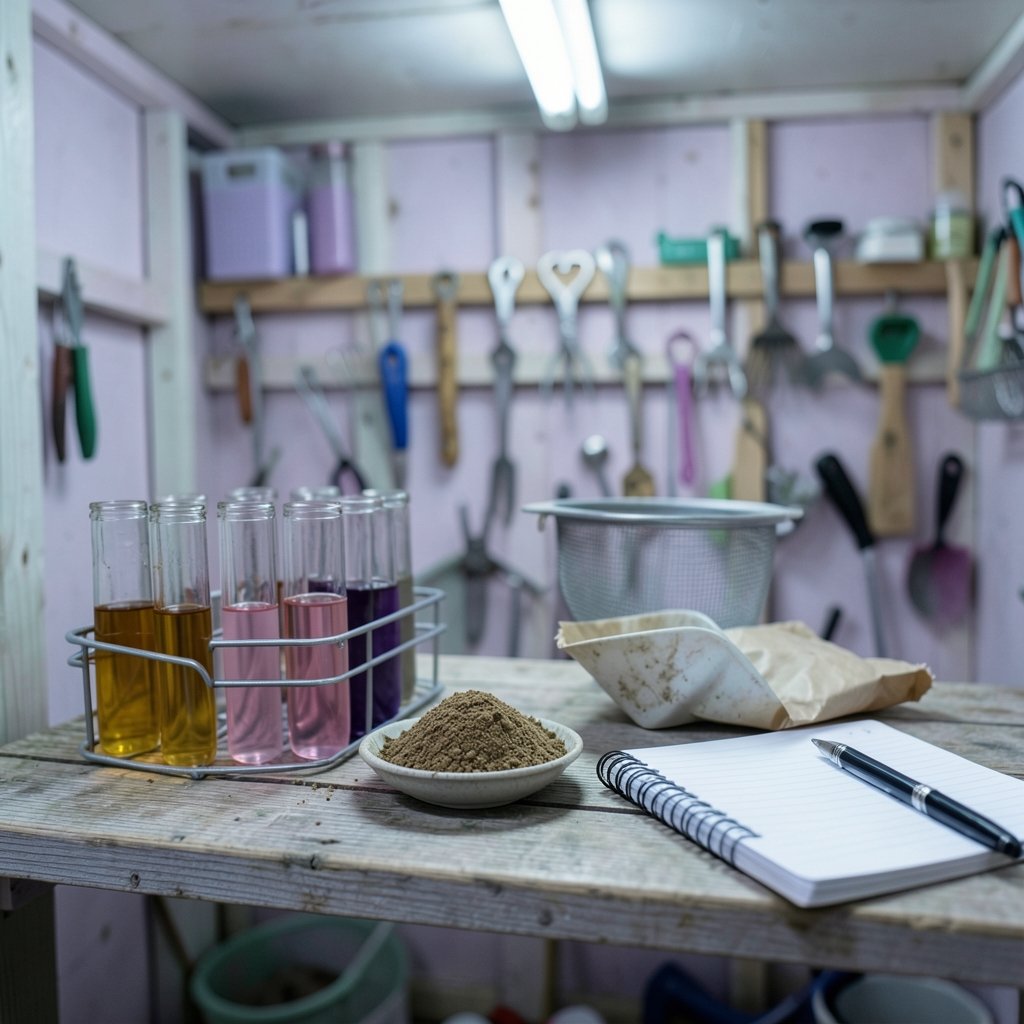
A soil test is not one measurement. It is a bundle of them, and each one behaves differently. Standard lab panels typically report pH, buffer pH (which estimates how much lime you need), organic matter, available phosphorus, exchangeable potassium, calcium, magnesium, and sometimes micronutrients and cation exchange capacity. That list matters because home kits rarely cover all of it well.
The pattern most extension comparisons find is consistent: consumer colorimetric and electronic kits tend to handle pH reasonably and struggle with phosphorus and potassium. Those two nutrients are often described as rough screening only. So a kit that reads pH well may still leave you guessing about the nutrient that limits your tomatoes.
There is also a distinction people miss. A number is not a recommendation. Fertilizer advice depends on tests calibrated for local soils and crops. A meter that is not tied to a regional correlation can produce a reading that looks precise but does not translate into reliable guidance. That is an agronomic principle, not a brand issue.
Where expensive kits genuinely earn their price
Price buys a few real things. Better electrodes, tighter manufacturing tolerances, and sturdier housing all reduce drift. A premium pH meter with replaceable probes and proper buffer calibration can hold its accuracy far longer than a $20 pen meter that never gets calibrated.
| Feature | Budget kit ($10–$40) | Premium electronic kit ($100–$300+) | Lab test ($10–$40 per sample) |
|---|---|---|---|
| pH accuracy | Fair to good | Good, if calibrated | High, calibrated electrodes |
| Phosphorus and potassium | Rough screening | Variable, often weak | Reliable |
| Calibration needed | Rarely possible | Yes, with buffer solutions | Handled by the lab |
| Nutrient recommendations | Generic | Sometimes included | Calibrated to region and crop |
| Contaminant testing (lead) | Not suitable | Not suitable | Accredited labs only |
| Best use | Quick checks, hobby growing | Frequent monitoring between lab tests | Decisions, legal, health |
That table is the whole argument in miniature. The premium column wins on convenience and repeat use. The lab column wins on decisions that cost money or affect health. The budget column wins on nothing except price, which is sometimes exactly what a curious beginner needs.
The mistake almost everyone makes first
Here is the part that surprises people: sampling error often outweighs instrument error. How and where you sample, how many cores you take, how deep you go, and how thoroughly you mix can introduce more error than the gap between a mid-range kit and a lab.
Practical habits that actually work:
- Take 10 to 15 cores from a zigzag pattern across the bed, not one scoop from the middle.
- Sample to a consistent depth, usually the root zone, and keep it the same every time.
- Mix the cores in a clean bucket, then take your sample from the mixed soil.
- Avoid sampling right after fertilizing, liming, or a heavy rain.
- Label each sample by bed or zone, because a lawn and a vegetable patch are different worlds.
- Clean tools between samples so you do not drag lime or fertilizer along.
Common mistakes are just as predictable. People sample one spot and treat it as the whole yard. They test wet soil and get a muddy reading. They skip calibration on a meter that has been sitting in a shed since spring. They test once, add fertilizer, and never retest to see whether anything changed. Any of these will wreck a $300 meter’s usefulness faster than a cheap kit ever could.
When a cheap kit is the smarter buy
For a hobby gardener who wants a rough pH check before planting blueberries, a modest kit is a reasonable spend. It is also fine for frequent monitoring between lab tests, where you care about direction more than decimal places. If the question is “did my lime move the needle at all,” a kit answers it cheaply.
The same logic applies to any purchase decision where the tool is only as good as the use case. Readers weighing similar “is the premium version worth it” questions often find the answer hinges on frequency of use and cost of being wrong, which is the same math that shapes debates like whether outsourcing software testing is worth it for a small business or whether a subscription earns its keep in a ChatGPT Plus worth it 2026 practical guide. The pattern holds: pay for precision where mistakes are expensive, and stay cheap where they are not.
When the lab is the only sensible option
Some situations do not tolerate guesswork. Commercial growing decisions, legal or contractual questions, and any health concern push you straight to a certified lab. For lead and other contaminants, home kits are not a substitute for certified laboratory analysis, and public-health guidance recommends accredited labs.
The cost gap is smaller than people assume. Typical university or cooperative extension soil tests run roughly $10 to $40 per sample, depending on state and package. A premium electronic meter can cost several hundred dollars. Run the math over three seasons and the lab often looks like the bargain, especially since it comes with interpretation.
There is a quiet advantage here too. Lab results arrive with calibrated recommendations, so you are not left translating a color chart into a fertilizer bag. That translation step is where most home testing goes wrong.
How to judge a kit before you buy
Ask a short list of questions before handing over money. Does the kit measure pH only, or nutrients too? Can the electrode be calibrated, and does it ship with buffer solutions? Are replacement probes available, or is the whole unit disposable? Does it include sampling guidance, or just a vial and a chart? Does the maker explain what the numbers mean for your soil type?
A kit that answers those questions well is worth more than a fancier one that stays silent. Precision without interpretation is just expensive noise. And a meter you cannot recalibrate will drift out of accuracy long before it wears out.
It helps to think in tiers. A basic pH-only kit suits curiosity. A mid-priced kit with calibration and decent instructions suits a serious hobbyist. A lab test suits anyone making a decision with money attached. Premium electronic kits sit awkwardly in the middle unless you will genuinely test often and calibrate faithfully.
The honest verdict on price
Expensive soil testing kits are worth it in a narrow band of cases: frequent testing, a willingness to calibrate, and a need for convenience between lab visits. Outside that band, the premium price buys polish rather than truth. The underlying measurement is only as good as the calibration behind it and the sample in the vial.
The balanced view is that soil testing rewards process over purchase. Good sampling, consistent depth, proper mixing, and regular calibration will lift a mid-range kit closer to lab-grade usefulness. Skip those steps and the most expensive meter on the shelf becomes a random number generator with a nice screen.
That is also why the same reasoning shows up in odd places. People comparing collectible coins learn quickly that a coin’s worth depends on what actually drives value, not on how shiny the holder is. Soil testing works the same way. The label and the price tag are not the measurement.
Conclusion
The question is not whether expensive soil testing kits are good. It is whether the extra money buys accuracy you will actually use. For most home gardeners, a lab test at $10 to $40 per sample delivers more reliable numbers and better recommendations than a costly meter, especially for phosphorus and potassium. For frequent monitoring and quick pH checks, a mid-priced kit with real calibration is a sensible middle path.
Spend on calibration, sampling discipline, and interpretation before you spend on hardware. Test, amend, retest, and let the results guide you. That habit is worth more than any kit, at any price.
Frequently Asked Questions
Can a cheap soil testing kit give accurate results?
For pH, sometimes yes. Several kits produce reasonable pH readings, though results depend heavily on user technique. For phosphorus and potassium, cheap kits are generally rough screening tools at best. Accuracy also depends on whether the kit can be calibrated, which most budget models cannot.
How often should soil be tested?
Every two to three years is a common rhythm for established beds, with retesting after major amendments like lime or heavy compost. Frequent testing makes more sense when you are actively adjusting pH. Testing more often than the soil can change just burns money.
Is a home kit good enough to test for lead?
No. Home kits are not a substitute for certified laboratory analysis when contaminants are the concern, and public-health guidance points to accredited labs. If lead is a worry, especially in older urban yards or near older buildings, use a certified lab rather than a color chart.
Why do my kit results differ from my lab results?
Sampling differences explain most of it. Different depths, different spots, and different mixing produce different samples. Kit calibration and technique add more variation. Take cores from the same pattern and depth each time, and compare like with like before blaming the device.
Do expensive electronic meters need maintenance?
Yes, and this is where premium meters earn or lose their reputation. Inexpensive pH meters drift and need regular calibration with buffer solutions. Pricier units drift more slowly and often allow probe replacement, but they still need calibration to stay trustworthy.
What is the cheapest reliable way to test soil?
A university or cooperative extension soil test is usually the best value, typically around $10 to $40 per sample and often including interpretation. Pair it with careful sampling and you get lab-grade reliability without buying hardware. For quick between-test checks, a mid-priced pH kit is a reasonable companion.
For anyone still deciding, the simplest test is to ask what happens if the number is wrong. If a wrong pH reading costs you a few blueberry bushes, a cheap kit or a single lab test covers it. If it costs you a season of commercial yield or a health worry about lead, the lab is the only answer. Buy for the decision, not for the shelf appeal, and let the sampling, calibration, and retesting habits do the heavy lifting. That is where the real return on a soil testing budget lives, whatever the price tag says.



