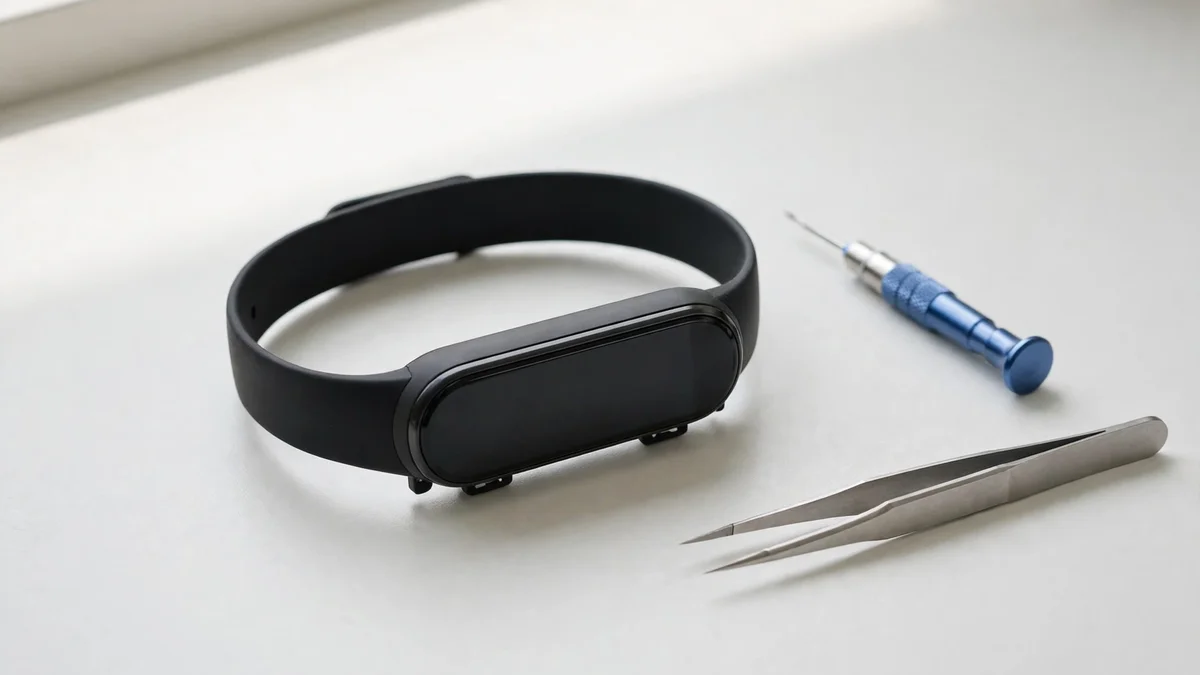
Google has made the battery in its new Fitbit Edge replaceable, and the Fitbit Edge and its replaceable battery are now the most talked-about feature of the $179.99 fitness tracker. The Edge went on sale on 27 October 2026, and within a month the repair site iFixit had published a free guide to swapping the battery, confirming that Google’s first repairable Fitbit is genuinely serviceable, even if the job is far from simple.
The Edge is the successor to the Fitbit Charge series, and it is the first Fitbit with a battery that owners can replace themselves. Google describes it as its first repairable fitness tracker, with a modular layout inside, a 1.34-inch display, built-in GPS, and up to seven days of battery life from its 65mAh cell. A five-minute charge is said to provide up to a day of use, and a full charge takes about 90 minutes.
The catch, reported by Engadget on 24 November 2026, is that replaceable does not mean easy. The swap needs specialised tools, a new set of single-use screws, tweezers, a grounding mat, and steady hands, and there is a real risk of breaking the tracker or losing its water resistance if a step goes wrong. Google offers no paid battery replacement service, so owners who want a fresh battery must do the job themselves or live with a fading one.
Key takeaways
- The Fitbit Edge, priced at $179.99, is the first Fitbit with a user-replaceable battery.
- iFixit provides a free PDF guide to the swap, but the job needs specialised tools, new single-use screws and steady hands.
- Google offers no paid battery replacement service, although a defective battery may be covered under warranty.
- The Edge is rated for up to seven days of battery life, or about two days with the always-on display enabled.
- As long as app support and replacement batteries continue, an Edge could keep working well past its first battery.
What happened with the Fitbit Edge battery
Google announced the Fitbit Edge in October 2026, positioning it between the screenless Fitbit Air and the full smartwatch experience of the Pixel Watch 5. The tracker carries a 1.34-inch OLED display, a physical side button instead of the Charge 6 haptic nub, built-in GPS, ECG support, and tracking for more than 50 exercise modes. It works with both Android phones and iPhones through the Google Health app, and it went on sale on 27 October 2026 for $179.99, in four finishes: Obsidian, Fog, Olive and Canyon.
The replaceable battery was part of the launch announcement, but the practical details only became clear a month later. Engadget reported on 24 November that iFixit, Google’s partner on the repair, now provides a free PDF manual for the swap once the owner signs in to the iFixit website. The manual confirms what the launch materials implied: the battery can be replaced, but the process is delicate, and it is not comparable to swapping the batteries in a remote control or a watch.
Why the replaceable battery matters
Most fitness trackers and smartwatches die the same way. The battery, which is sealed inside, slowly loses capacity with every charge until the device can no longer last a day, and the owner is expected to buy a replacement. The tracker itself may still work perfectly, but the battery makes it unusable. That cycle is wasteful, and it is the reason that repairability has become a selling point across consumer electronics.
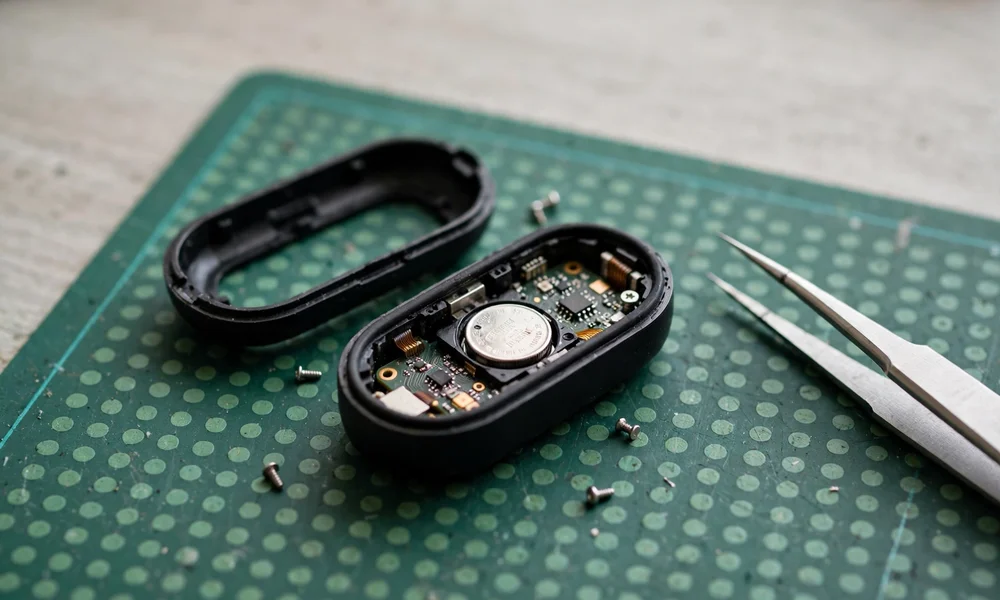
The Edge breaks that cycle, at least in principle. As Engadget put it, as long as Google maintains app support and compatible batteries are still in warehouses, an Edge can last indefinitely. That is a meaningful change for a product category where a three-year-old tracker is often treated as disposable, and it aligns with new battery regulations due to take effect in the European Union, which are pushing manufacturers towards replaceable batteries.
There is also a practical argument about cost. A fitness tracker that costs $179.99 and lasts five years costs about $36 a year, while one that must be replaced every two years because its battery has faded costs about $90 a year. The saving is only real if the replacement battery is affordable and available, and Google has not yet said what the battery and parts will cost, which is one of the unconfirmed details in this story. The best Black Friday smartwatch deals show how quickly tracker prices fall in a sale, but a cheap replacement is not the same as a long-lived device.
How the battery swap actually works
The caveats that matter
The fourth caveat is the most human one: the job is genuinely difficult. This is not a battery door that opens with a coin, and it is not a cover that pops off. It is a delicate repair on a small, sealed device, and a mistake can break the tracker, lose the water resistance, or damage the circuits. Owners who are not comfortable with precision work should weigh that risk honestly before ordering parts. The best smartwatches for nurses guide covers trackers chosen for long shifts and durability, and the same logic applies here: a device that is hard to repair is only a good buy if it is also reliable enough not to need repair often.
| Detail | What is known |
|---|---|
| Price | $179.99, on sale from 27 October 2026, in Obsidian, Fog, Olive and Canyon. |
| Display | 1.34-inch OLED display, with a physical side button replacing the Charge 6 haptic nub. |
| Battery | 65mAh cell, rated up to seven days, or about two days with always-on display. |
| Charging | Full charge in about 90 minutes; five-minute top-up provides up to a day of use. |
| Replacement | User-replaceable with iFixit free PDF guide; needs new battery, single-use screws and tools. |
| Paid service | Google offers no paid battery replacement service; warranty may cover a defective battery. |
| Water resistance | IP68 and 5 ATM, water-resistant to 50 metres; O-ring must be refitted to keep the seal. |
| Compatibility | Works with Android and iPhone through the Google Health app; built-in GPS and ECG. |
The table above summarises the confirmed details from Google’s launch and the iFixit guide as reported in November 2026. The price of the replacement parts, the availability of parts by region, and the long-term availability of batteries are unconfirmed, and owners should check the iFixit guide and Google’s support pages for the latest information before ordering.
Checklist: judging the Fitbit Edge battery honestly
- Check whether the replacement battery, screws and tools are available and priced in your region before buying.
- Read the free iFixit guide in full before ordering parts, and note the grounding and O-ring steps.
- Be honest about steady hands and precision work: the screws and connectors are tiny.
- Remember that Google offers no paid replacement service, so the swap is do-it-yourself or nothing.
- Plan for safe disposal of the old lithium-ion battery in a fireproof container and a proper recycling route.
- Weigh the seven-day battery life and the repairability against the missing features, including Google Pay and EDA stress scans.
What is next for the Fitbit Edge
The immediate next step is the parts. As the Edge ages, the price and availability of the replacement battery and the single-use screws will decide whether the repairable design is a practical benefit or a marketing claim. If Google sells an affordable kit and iFixit keeps the guide updated, the Edge could set a pattern for future Fitbit devices. If parts are expensive or hard to find, owners will face the same choice as before: live with a fading battery or buy a new tracker.
Third-party options may arrive, but they come with a warning. Google already cautions against unofficial batteries, and a third-party cell that is poorly made could damage the tracker or create a safety risk. The safer path is the official battery, if it remains available, and the official guide. The best AI tools for sleep tracking show how much of a tracker’s value now comes from software, and that is the second dependency: the Edge is only as long-lived as Google’s app support, and a tracker with a fresh battery but no app support is still a dead device.
Frequently asked questions
Is the Fitbit Edge battery really replaceable?
Yes. Google describes the Edge as its first repairable fitness tracker, with a replaceable 65mAh battery inside a modular layout, and iFixit provides a free PDF guide to the swap. Replaceable does not mean easy, however: the job needs specialised tools, new single-use screws, tweezers and a grounding mat, and it carries a risk of breaking the tracker or losing its water resistance.
Can Google replace the Fitbit Edge battery for me?
No. Google offers no paid battery replacement service for the Edge, and owners must do the swap themselves. The company might perform a free swap if the battery is defective and the tracker is still under warranty, but it may instead send a replacement Edge. Outside warranty, there is no official repair route.
How long does the Fitbit Edge battery last?
Google rates the battery for up to seven days on a charge, or about two days with the always-on display enabled. A full charge takes about 90 minutes, and a five-minute top-up on a low battery is said to provide up to a day of use. The battery is a 65mAh lithium-ion cell, and like all such cells it will slowly lose capacity with years of charging.
What tools do I need to replace the Fitbit Edge battery?
The iFixit guide requires a fresh battery, a set of replacement screws for the surrounding equipment, tweezers, and a grounding mat to protect against static shock. The screws are single-use, so a fresh set is needed for every swap. Owners should read the full guide before ordering parts, and avoid clothing that builds up static, such as fleece, during the repair.
Will replacing the battery void the warranty or the water resistance?
Opening the case risks the water resistance if the O-ring is not refitted correctly, and the Edge is rated IP68 and water-resistant to 50 metres. Google has not confirmed every warranty detail for a self-repair, and owners should check the warranty terms before opening the device. Using a non-qualified third-party battery is warned against by Google, which cites a risk of fire, explosion or leakage.
Is the Fitbit Edge worth buying for the replaceable battery alone?
Probably not on its own. The replaceable battery is a genuine advantage, but the Edge is also a capable tracker in its own right, with a 1.34-inch display, built-in GPS, ECG, more than 50 exercise modes, and iPhone compatibility. Buyers should weigh the battery against the missing features, including Google Pay and EDA stress scans, and against the difficulty of the swap. The battery matters most for owners who plan to keep the tracker for many years.
The bottom line
The Fitbit Edge is a meaningful step for fitness trackers, and its replaceable battery is the reason. For the first time, a Fitbit owner is not forced to throw away a working tracker because its battery has faded. As long as Google keeps supporting the app and replacement batteries stay available, an Edge could keep working well past the point where a sealed tracker would have been replaced.
That promise comes with an honest limit. The swap is delicate, the parts cost is unconfirmed, and Google offers no paid service for owners who do not want to do it themselves. The Edge is worth buying as a tracker, and the replaceable battery is a real bonus for owners who are comfortable with precision repair. For everyone else, it is a reassuring feature for the future, not a job to plan for this year.