

Ever watched a washing machine spin a full drum of water and wondered whether all that soaking is necessary? That question drives the front load washer debate. These machines tumble clothes through a shallow pool instead of drowning them in a deep one, and that design choice changes how much water you buy, how clean your shirts come out, and how much mold you might scrub off a rubber seal two years from now. This guide covers how front loaders work, where they beat top loaders, where they fall short, and the habits that separate a machine that lasts fifteen years from one that smells like a swamp by year three.
How a Front Load Washer Actually Cleans Clothes
A front load washer spins a horizontal drum. Clothes get lifted by baffles inside the drum and dropped back through a shallow pool of water at the bottom. That tumbling action, plus the detergent, does the cleaning work. There is no agitator stirring the load, which is why front loaders handle bulky items and delicate fabrics without the twisting that central agitators cause.
The water difference is the headline. Front loaders typically use roughly 40 to 50 percent less water per cycle than agitator top loaders, according to widely repeated consumer and efficiency estimates. Treat that as an approximate range, not a laboratory constant, because it shifts with load size and cycle choice. Less water means less energy spent heating it, which is why so many front loaders land on efficiency certification lists.
One terminology trap worth clearing up: “front load” describes where the door sits, not how the drum is oriented. A handful of high-efficiency top loaders use a horizontal drum too. Door position and drum axis are related but not identical, so read the spec sheet rather than assuming.
Front Loader vs Top Loader: The Honest Comparison
| Factor | Front Load Washer | Agitator Top Loader |
|---|---|---|
| Water use per cycle | Roughly 40 to 50% less (approximate) | Higher, clothes fully submerged |
| Cleaning action | Tumbling through shallow water | Agitator stirring in deep water |
| Fabric wear | Generally gentler, no agitator contact | More mechanical stress on fabrics |
| Spin speed | Usually higher RPM, more water extracted | Lower RPM, wetter clothes at cycle end |
| Dryer time | Shorter, since clothes start drier | Longer |
| Vibration | Can shake more; needs leveling and a solid floor | Typically more stable |
| Maintenance weak point | Door gasket and detergent drawer trap moisture | Less prone to gasket mold |
| Detergent | Requires low-sudsing HE formula | Standard detergent works |
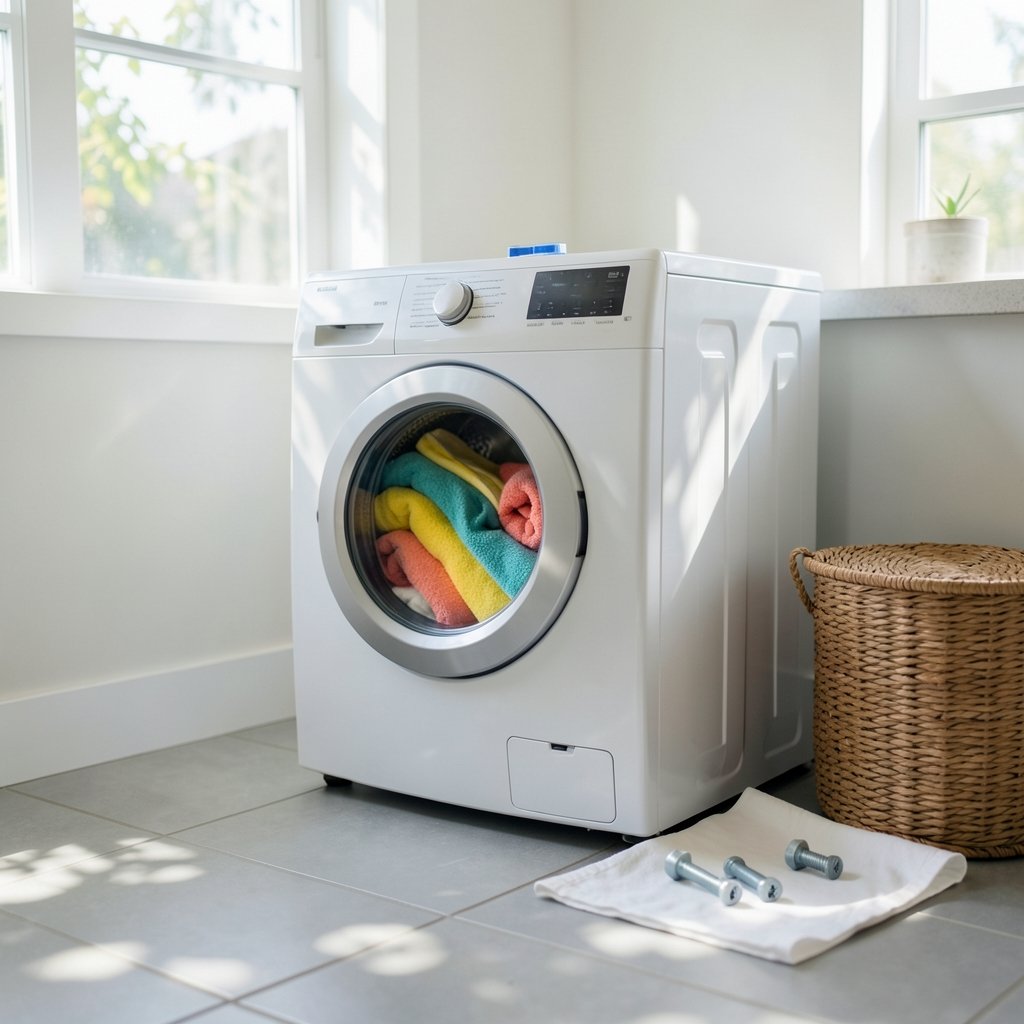
The vibration row deserves emphasis. Front loaders spin faster to fling water out, and a fast spin on an unbalanced load can walk a machine across a laundry room floor. A level machine on a sturdy floor, with shipping bolts removed, solves most of this. If the machine sits near living space, it is worth understanding how latency and load behave in connected home setups too, since a washer that talks to an app is only as good as the network behind it. That is a different problem from laundry, but the same principle applies: the bottleneck is rarely where people assume. For anyone running a home network alongside smart appliances, a router bufferbloat test and fix guide explains how to cut latency under load so your devices respond when you actually need them. (Lag bolt guide sizing pilot holes load rules that hold)
Where Front Loaders Genuinely Win
The efficiency case is real but often oversold. Here is what holds up.
Water and energy. Less water per cycle means less energy to heat it. In the United States, federal appliance standards cap water and energy use for residential clothes washers, and those rules get revised periodically. In the EU, household washing machines sold since March 1, 2021 must carry a rescaled energy label with classes A through G and no A+ tiers. If efficiency is your priority, check the label on the specific model rather than trusting a category-wide claim.
Gentler on fabric. No agitator means no fins snagging sleeves. Delicates, woolens, and synthetic athletic wear generally survive longer.
Better water extraction. Higher spin speeds leave clothes drier, which shortens dryer runs. Over a year, that adds up.
Stackability. Many front loaders can sit under a counter or take a dryer stacked on top, which matters in apartments and small homes.
Where They Fall Short
Mold and odor. This is the complaint that fills forums. The rubber door gasket and the detergent drawer trap moisture and residue. Left alone, they grow mold and start to smell. The fix is boring but effective: wipe the gasket dry after cycles, leave the door ajar between loads, and run a hot cleaning cycle monthly. Consumer Reports and university extension services have documented the problem and recommend exactly these habits.
Detergent discipline. Front loaders need low-sudsing HE detergent. Regular detergent creates too many suds, which can reduce cleaning and, in excess, stress the machine. Use the amount on the bottle for HE machines, not the amount your grandmother used.
The loading crouch. Reaching down and forward to load a front loader is harder on the back than dropping clothes into a top loader. Pedestals help, but they cost extra.
Seal maintenance. The door gasket needs periodic inspection. Hair, lint, and small items collect in the fold. A two-minute wipe every few loads prevents most problems.
Practical Setup Tips That Actually Work
Getting a front loader right is mostly about installation and habits, not luck. Here is a sequence that covers the mistakes people make most often.
- Remove the shipping bolts before the first spin. They lock the drum for transport. Leaving them in causes violent vibration and can damage the machine.
- Level the machine front to back and side to side. Adjust the feet, then check with a spirit level. A machine that rocks will walk.
- Confirm the floor can take it. A second-floor wood subfloor may flex under a fast spin. A stiffening mat or a ground-floor location helps.
- Use only HE detergent, and measure it. More soap is not cleaner clothes.
- Leave the door and detergent drawer open after each cycle so moisture escapes.
- Wipe the gasket dry and check its fold for debris weekly.
- Run a hot maintenance cycle monthly, with a washer cleaner if the manual calls for one.
If you are also setting up networked appliances or a home server to monitor energy use, the same discipline applies to infrastructure. A cloud load balancing tutorial practical setup walkthrough covers how traffic distribution works in practice, and the lessons about distributing load evenly map neatly onto why an unbalanced washer drum shakes: uneven distribution is the enemy in both cases. For anyone curious about how modern traffic distribution actually works behind the scenes, that cloud load balancing explainer is a reasonable starting point.
What the Efficiency Labels Really Tell You
Efficiency claims are where marketing gets loud and specifics get quiet. Two things are worth knowing.
First, certification programs exist and they publish criteria. The U.S. EPA Energy Star program certifies clothes washers that meet efficiency thresholds, and front loaders are over-represented among certified models. Check the current specification version before you buy, since criteria change.
Second, performance testing is standardized. Washing performance gets measured under test methods like IEC 60456, which is why you should be suspicious of any universal claim about “percent cleaner” or a specific decibel rating. Cycle times, noise, and efficiency vary widely by model and region. A number without a test standard behind it is decoration. (Router bufferbloat test fix cut latency under load good)
The practical move: compare models on the energy label and the spec sheet, not on the box copy. The label is regulated; the box is not.
Common Mistakes People Make With Front Loaders
Overloading. A stuffed drum cannot tumble. Clothes stay in a tight ball, detergent cannot circulate, and the machine works harder for a worse result. Fill it loosely, roughly three-quarters full.
Skipping the door-ajar habit. This one habit prevents most odor complaints. It costs nothing.
Using too much detergent. Excess suds are the quiet cause of many “my washer doesn’t rinse” complaints. Cut the dose and see what happens.
Ignoring the filter. Many front loaders have a drain pump filter behind a small panel at the bottom front. It collects coins, hair, and lint. Check it every few months, with a towel down, because it will release water.
Blaming the machine for hard water. Mineral buildup reduces cleaning performance. If your water is hard, a periodic cleaning cycle matters more, not less.
Buying on spin speed alone. A higher RPM extracts more water, but it also means more vibration. Match the machine to your floor and your tolerance for noise.
Maintenance That Prevents the Smell
The mold-and-odor problem is real, but it is a maintenance problem, not a design flaw you cannot beat. The routine is short.
After every cycle, wipe the gasket fold dry and leave the door open. Once a week, pull the detergent drawer out and rinse it. Once a month, run the hottest cycle with a washer cleaning product or the manual’s recommended method. Twice a year, clean the drain pump filter and check the hoses for cracks.
That is the whole program. People who follow it report machines that stay fresh for years. People who shut the door tight after every load and never clean the gasket report the opposite. The machine is not deciding; the habit is.
If your laundry setup involves smart switches for lighting or ventilation in the laundry room, there is a known gotcha worth flagging: some smart switches need a minimum load to work reliably, and LED bulbs often fall below it. A smart switch minimum load explained guide covers why lights flicker and how to fix it, which is useful if you are automating a laundry room fan to run after cycles.
Who Should Buy One
A front load washer makes sense if you have a small space, want lower water and energy use, wash delicate or bulky items regularly, or plan to stack a dryer. It also makes sense if you are willing to spend two minutes a week on gasket care.
A top loader makes more sense if you want the simplest possible maintenance routine, have back or knee issues that make bending difficult, or regularly wash heavily soiled work clothes where a deep-water soak helps.
Neither machine is universally better. The right answer depends on your floor, your space, your water hardness, and your willingness to keep a rubber seal dry.
For readers comparing durability claims across appliance categories, it helps to know how build quality is actually judged. A commercial-grade durability breakdown, like this look at what commercial grade durability means in a Speed Queen washer, shows the difference between marketing language and construction details such as metal versus plastic components and serviceable parts. The same scrutiny applies to front loaders: check the drum material, the suspension, and whether parts are available locally.
Conclusion
A front load washer is a genuinely efficient machine that asks something of its owner in return. It uses far less water, spins clothes drier, and treats fabric gently. It also collects moisture in places that grow mold if you ignore them, demands low-sudsing detergent, and needs a level floor to spin without walking. None of those tradeoffs are hidden or unfair. They are the cost of the design, and they are all manageable with a short weekly routine and a careful installation.
The buying decision comes down to fit. Measure your space, check the energy label on the exact model, confirm the floor is solid, and decide honestly whether you will wipe a gasket dry. If the answer is yes, a front loader will serve you well for a long time. If the answer is no, a top loader will save you the argument. Either way, the machine is only half the system; the habits are the other half.
Frequently Asked Questions
Do front load washers really use less water?
Yes, generally. Front loaders tumble clothes through a shallow pool rather than submerging them, and they typically use roughly 40 to 50 percent less water per cycle than agitator top loaders. That figure is an approximate range from consumer and efficiency sources, not a fixed number, so check the specific model’s rating.
Why does my front load washer smell?
Moisture and residue trapped in the rubber door gasket and detergent drawer create a place for mold to grow. The fix is consistent: wipe the gasket dry after cycles, leave the door ajar between loads, rinse the detergent drawer weekly, and run a hot cleaning cycle monthly.
Can I use regular detergent in a front load washer?
No. Front loaders require low-sudsing HE detergent. Regular detergent produces excess suds that reduce cleaning performance and can stress the machine. Use the dose recommended for HE machines rather than guessing.
Why does my front load washer vibrate so much?
The most common causes are shipping bolts left in place, an unlevel machine, or a floor that flexes under a fast spin. Remove the bolts, level the feet with a spirit level, and consider a stiffening mat or a ground-floor location if the floor is the problem.
Do front load washers clean as well as top loaders?
For most everyday loads, yes, and they are gentler on fabrics because there is no agitator. For heavily soiled work clothes that benefit from a deep soak, an agitator top loader can have an edge. Cleaning performance also depends on not overloading the drum and using the right detergent dose.
How long should a front load washer last?
Lifespan varies by model, usage, and maintenance, so no single figure applies to every machine. Regular gasket care, filter cleaning, and avoiding overloads are the factors most within your control, and they matter more than brand claims alone.



