

Quick Answer: What are the fruits of the spirit?
The fruits of the spirit are nine character qualities listed by the apostle Paul in Galatians 5:22–23: love, joy, peace, patience, kindness, generosity, faithfulness, gentleness, and self-control. The list appears in a letter written to early Christian communities, and readers encounter it today in Bible study, sermons, devotional reading, and catechism classes across many traditions.
The wording shifts depending on which Bible translation a reader picks up. Some editions say “longsuffering” instead of patience, or “goodness” instead of generosity, and Catholic teaching traditionally counts twelve fruits rather than nine by adding modesty and chastity. The core idea stays the same: these are traits of character rather than a checklist of achievements.
Before relying on any one version, compare the translation used, the number of items listed, the wording of each term, the surrounding verses about the “works of the flesh,” and whether the source is Protestant or Catholic in its framing.
Why a Single “Fruit” Matters More Than the List
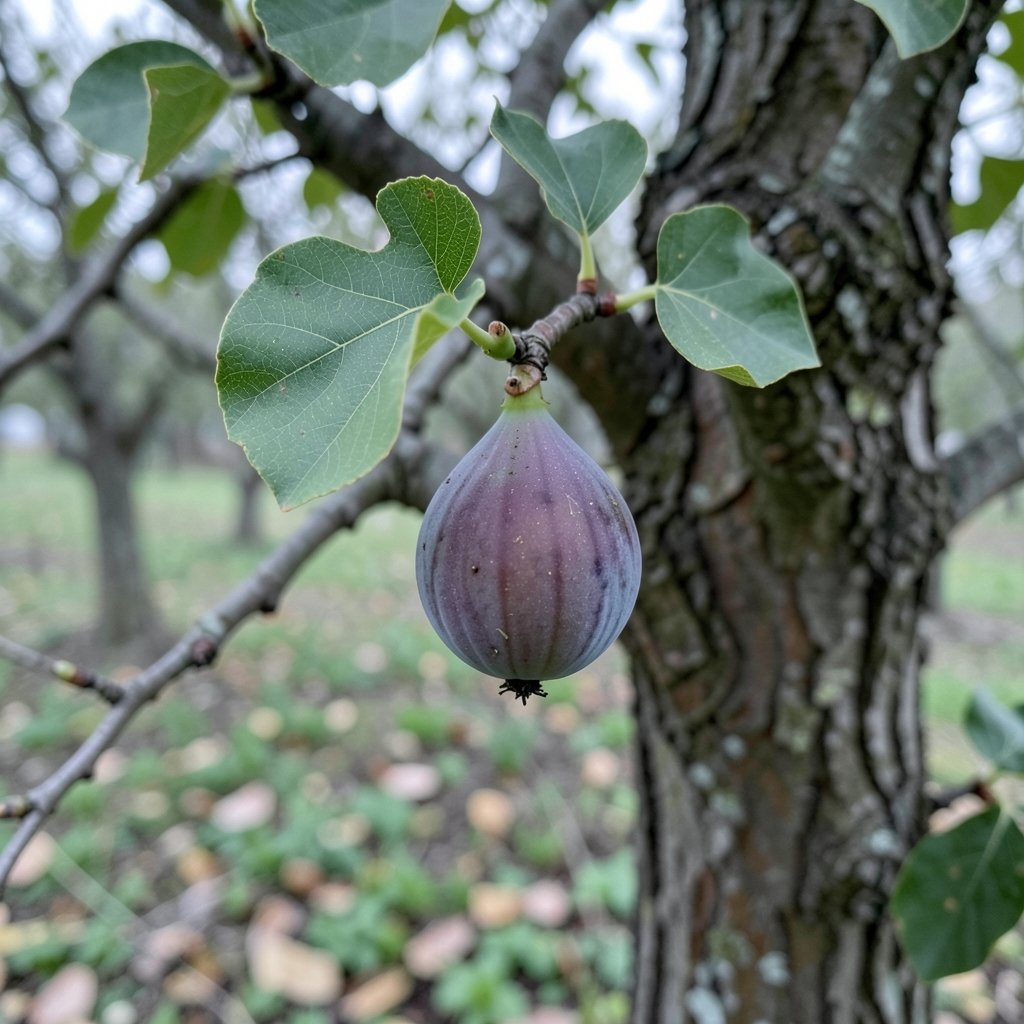
Ever noticed that the passage says fruit, not fruits? That small detail trips up a lot of readers, and it changes how the whole list works.
In the original Greek, the word is karpos, which is singular. Paul introduces nine qualities with a singular noun. Commentators and preachers have leaned on that grammatical quirk for centuries, arguing that the fruit of the spirit is one unified character rather than nine separate achievements to collect. Think of it like a tree: you do not get nine different trees from one trunk. You get one tree that produces one kind of fruit with several qualities baked in.
That distinction matters practically. People who treat the list as a checklist tend to grade themselves harshly on the items they score badly. “I am patient with strangers but terrible with my family, so I am failing at patience.” That is a reasonable observation, but it misses the point. The list describes a direction of growth, not a scorecard.
The passage also sits right after a contrasting list. Galatians 5:19–21 describes the “works of the flesh” in the plural, then the text pivots to the singular fruit. Commentators often highlight that shift as deliberate: bad behavior arrives in fragments, while good character grows as a whole.
The Nine Fruits, One by One
Most modern English translations land on nine items. Here is what each one actually means in plain language, because the churchy vocabulary can hide fairly ordinary ideas.
| Fruit | What it looks like in practice |
|---|---|
| Love | Choosing someone else’s good over your own convenience, especially when it costs you something |
| Joy | A settled gladness that does not depend on circumstances staying pleasant |
| Peace | Inner calm and the willingness to end a conflict rather than win it |
| Patience | Staying steady with slow people and slow processes without snapping |
| Kindness | Small, concrete acts of goodwill that make someone’s day lighter |
| Generosity | Open-handedness with money, time, attention, and credit |
| Faithfulness | Showing up reliably, keeping promises, staying when it is boring |
| Gentleness | Strength that does not need to dominate or intimidate |
| Self-control | Saying no to yourself when your appetites are shouting yes |
A few of these get mistranslated in people’s heads. Gentleness is not weakness; the Greek term was sometimes used for a powerful animal that had been trained rather than broken. Self-control in the ancient world was a well-known athletic and ethical term, the discipline of an athlete in training, not prudishness. And patience in older translations appears as “longsuffering,” which is a clunky word but a vivid one: it means suffering long with someone rather than cutting them off.
Why the Count Changes: Nine vs. Twelve
Ask ten people how many fruits of the spirit there are and you may get two different answers. This is one of the most common points of confusion, and it is a translation question, not a doctrinal fight.
The nine-item list comes from modern translations working from the Greek text. The twelve-item list comes from the Latin Vulgate tradition, which Jerome produced in the late fourth century. That older Latin rendering split and expanded the list, and Catholic catechesis has followed it ever since. The traditional twelve are charity, joy, peace, patience, benignity, goodness, longanimity, mildness, faith, modesty, continency, and chastity.
So when someone says there are twelve fruits, they are not wrong. They are reading from a different stream. The Catechism of the Catholic Church discusses the fruits of the Holy Spirit in its section on grace and lists twelve, following that Vulgate tradition.
Here is the practical takeaway: if you are in a group study and the numbers do not match, nobody has made an error. Check which translation and which tradition the group is using before the conversation turns into a debate.
Fruits vs. Gifts: The Distinction People Mix Up
Another common snag: people use “fruits” and “gifts” interchangeably. They are not the same thing, and the difference is useful.
The spiritual gifts appear in 1 Corinthians 12 and Romans 12. They are abilities given for serving a community: teaching, healing, administration, prophecy, generosity in giving, and so on. They vary from person to person. Not everyone has the same gift.
The fruits are character. They are meant to be universal, the same target for everyone, regardless of personality or role. A gifted teacher with no patience is a cautionary tale, not a model.
A simple way to hold the distinction: gifts are what you can do; fruits are who you are becoming. Gifts can be impressive and still sit on top of a shallow character. Fruits cannot be faked for long.
How the Fruits Actually Grow in Real Life
Here is where the topic gets practical, and where a lot of well-meaning advice goes wrong.
The most common mistake is treating the list as a self-improvement project. People pick the fruit they are worst at, grit their teeth, and try to manufacture it. That approach usually produces a brittle imitation. Forced patience looks like suppressed resentment. Manufactured gentleness reads as passive aggression. Anyone who has been on the receiving end of either can tell the difference instantly.
The second common mistake is measuring growth on a weekly timeline. Character change is slow, and the people best positioned to notice it are usually not the ones doing the measuring. Ask a spouse, a close friend, or a coworker whether you have become easier to live with over the past few years. Their answer is more informative than any self-assessment.
What actually works, according to centuries of pastoral practice, is indirect. You do not grow patience by trying to feel patient. You grow it by staying in the room with difficult people and difficult circumstances long enough that the reaction wears down. You do not grow generosity by declaring yourself generous. You grow it by giving something away and noticing that the sky did not fall. The fruit grows from the roots, not from paint on the outside.
There is a useful parallel in ordinary life: you do not get rid of a nuisance by chasing it around the house. You remove the conditions that let it thrive. The same logic applies to character. Fix the inputs, and the outputs follow. Anyone who has ever had to get rid of fruit flies by cutting off their breeding sites knows the principle: attack the source, not the symptom.
Small, repeated practices do more than dramatic resolutions. A daily few minutes of quiet reflection. A weekly habit of naming one thing you are grateful for. A deliberate pause before replying to a message that annoyed you. None of these are impressive on their own. Stacked over a year, they change a person.
Common Misreadings Worth Correcting
A handful of misunderstandings show up again and again in discussions of this passage.
“The fruits are a checklist for salvation.” Most Protestant traditions read the list as a description of sanctification, the process of character being formed, rather than a set of entrance requirements. The point is direction, not perfection.
“Joy means being happy all the time.” Joy in this context is closer to a settled gladness that survives bad news. It is not the same as cheerfulness, and it does not require pretending that hard things are fine.
“Peace means avoiding conflict.” Peace in the biblical sense often requires walking into a conflict and resolving it. Silence that lets a problem fester is not peace; it is avoidance wearing peace’s coat.
“Self-control is about denying yourself everything good.” The term describes mastery, not misery. An athlete with self-control still eats, rests, and enjoys the training. The discipline serves the enjoyment rather than replacing it.
“The list is ranked.” It is not. Love appears first because it is the summary of the rest, not because the others are optional extras.
Where the Passage Comes From
The list sits in Galatians, a letter Paul wrote to congregations in the region of Galatia, roughly in the mid-first century. The letter’s main argument concerns freedom and how a community should live together, and the fruit list arrives as part of that argument rather than as a standalone poem.
Readers who want the full context can read Galatians 5 from start to finish; the contrast between the two lists only lands when you see them side by side. The letter’s tone is blunt, sometimes exasperated, and the fruit passage is one of its calmer moments.
For anyone who likes to see how ancient texts get handled in modern media, the same passage shows up in unexpected places. Discussions of classic game re-releases, like the Nintendo Switch Online Game Boy lineup featuring Avenging Spirit and Mole Mania, rarely touch on first-century letters, but the broader point holds: old material keeps getting reread in new settings, and each generation notices different things in it.
Conclusion
The fruits of the spirit are nine qualities, or twelve depending on which tradition you are reading, gathered in a single passage in Galatians. Love, joy, peace, patience, kindness, generosity, faithfulness, gentleness, and self-control describe a character rather than a checklist. The singular “fruit” in the original language suggests unity, and the contrast with the plural “works of the flesh” reinforces it.
What makes the list useful is not memorizing it. It is noticing where growth is actually happening and where it has stalled, and then adjusting the conditions of your life rather than gritting your teeth harder. Check your translation, know which tradition you are reading, and give the process years rather than weeks. Character is slow work, and the people around you will notice the results long before you do.
Frequently Asked Questions
How many fruits of the spirit are there?
Nine in most modern English translations that work from the Greek text. Catholic catechesis traditionally lists twelve, following the Latin Vulgate, which adds modesty and chastity and renders some terms differently. Both counts are legitimate; the difference comes from translation and tradition rather than from disagreement about the underlying passage.
Why is it called “fruit” and not “fruits”?
Because the Greek word behind it, karpos, is singular even though it introduces a list of nine qualities. Commentators have long read that as intentional, suggesting one unified character rather than nine separate achievements. It is a small grammatical detail with a large interpretive payoff.
What is the difference between the fruits and the gifts of the spirit?
Gifts are abilities given for serving a community, listed in 1 Corinthians 12 and Romans 12, and they vary from person to person. Fruits are character qualities meant to be the same target for everyone. A shorthand that helps: gifts are what you can do, fruits are who you are becoming.
Does the list appear anywhere else in the Bible?
Not as a list. The individual qualities show up throughout the New Testament, especially in Paul’s letters and in passages about how a community should treat its members. The specific nine-item collection is unique to Galatians 5:22–23.
Can someone have the fruits without being religious?
The qualities themselves are widely admired well beyond any religious setting, and plenty of people outside a faith tradition pursue patience, generosity, and self-control seriously. Within the passage’s own logic, though, the fruit is described as produced by the Spirit rather than manufactured by willpower, which is a different claim than simply saying the traits are good.
What is the fastest way to see growth?
There is no fast way, and anyone promising one is selling something. The realistic approach is indirect: change the conditions of your life, keep small practices consistent, and ask people close to you for honest feedback over a period of years. Growth in character is usually visible in hindsight rather than in the moment.



