
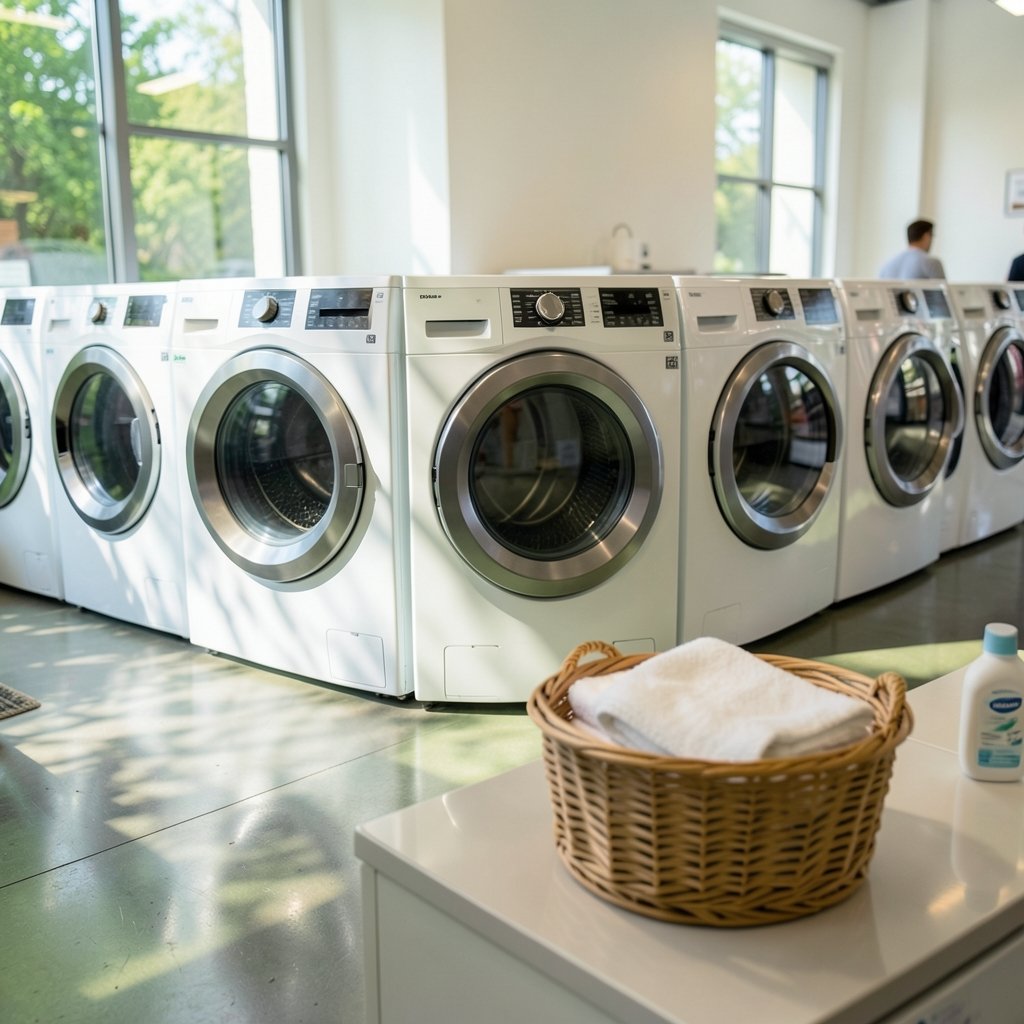
Walk into any appliance showroom and you will hear the same claim from every salesperson: “This one is our highest rated dryer.” So which is it? The honest answer is that no single machine holds the crown everywhere, because the outlets that rate dryers use different tests, different scoring systems, and different ideas about what “best” means. A dryer that tops one expert list can finish mid-pack on another. That does not make the ratings useless. It just means you need to know what each one is actually measuring before you spend $900 on a box that tumbles wet clothes.
This guide breaks down where the highest ratings tend to come from, which brands keep showing up, how the major dryer types compare, and the practical traps that catch buyers who only read the star average on a product page.
Why “Highest Rated” Depends on Who Is Doing the Rating
There is no central authority that crowns a single best dryer. Instead, you have several very different rating ecosystems, and they rarely agree.
Expert labs run controlled tests. They weigh water removal, measure cycle times, track surface temperatures, and log energy draw. Their rankings shift every time they retest a new model year. Meanwhile, retailer star averages reflect self-selected buyer reviews, which means a dryer with a slick app and a pretty finish can outrank a better-performing machine simply because more people felt moved to write about it.
That gap matters. A 4.7-star average on a retail site is not comparable to a lab score. It tells you buyers were happy enough to click five stars, not that the dryer removed a set amount of moisture in a set number of minutes. Treat the two as separate signals: expert ratings tell you how a machine performs, buyer ratings tell you how it feels to live with.
There is also a category problem. Vented and ventless dryers are often rated separately because they suit different homes. A heat-pump dryer that wins its category would be a poor fit for a laundry room with a short, straight duct run where a conventional vented machine can dry a load in well under an hour.
The Brands That Keep Landing at the Top
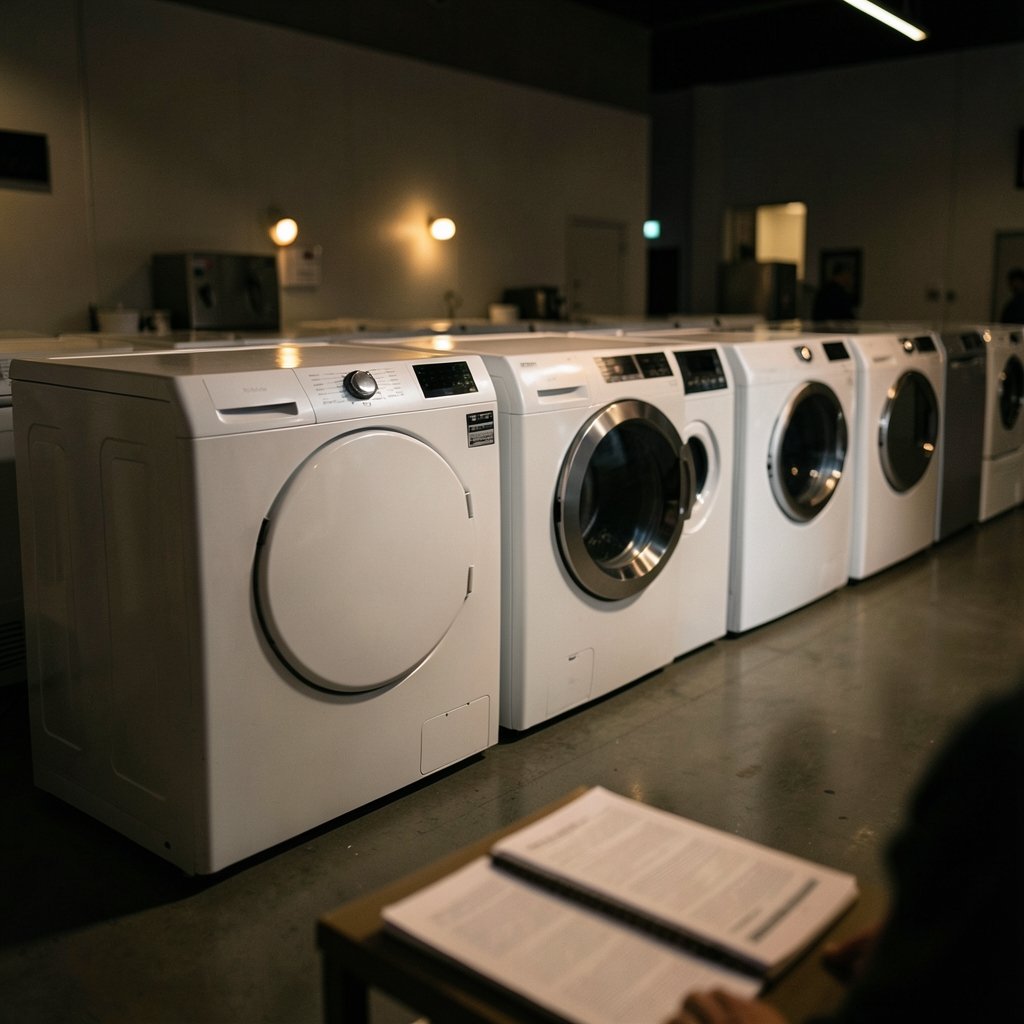
Across the major expert outlets, a handful of names recur in the top tier: LG, Samsung, Whirlpool, and Maytag. Electric vented models from LG and Samsung have historically dominated top ratings, with Whirlpool and Maytag close behind on value and durability scores. Specific model rankings change with each test cycle, so check the current list before you buy rather than trusting a two-year-old recommendation.
A few patterns hold up year after year:
- LG tends to score well on drying performance and cycle variety, and its electric vented models have been a long-running top pick at more than one major outlet.
- Samsung competes hard on features and capacity, and its higher-end models frequently appear in top ratings.
- Whirlpool is the steady mid-price option that rarely wins outright but seldom embarrasses itself.
- Maytag leans into build quality and long warranties on select models.
What you should not do is buy purely on brand reputation. Every one of these companies makes both excellent and mediocre dryers. The model number matters far more than the logo on the door.
Vented vs. Ventless: The Split That Changes Every Rating
Before you compare scores, you need to know which category you are shopping in. The two big families behave very differently.
| Feature | Vented dryer | Ventless (condensing or heat pump) |
|---|---|---|
| Drying speed | Fast, typically under an hour | Slower, often 90 minutes or more |
| Energy use | Higher | Roughly half of a conventional electric dryer for heat-pump models |
| Installation | Needs ducting to the outside | No duct needed; needs drainage or a water tank |
| Upfront cost | Lower | Higher, especially heat-pump models |
| Best for | Homes with an easy exterior vent run | Apartments, closets, tight interior spaces |
Heat-pump dryers are the efficiency champions. They reuse heat instead of dumping it outside, which is why they can cut energy use so dramatically. The trade-off is time and money: they cost more to buy and take longer per load. If your laundry is in a basement with a clean, short vent run, a conventional vented electric dryer will usually dry faster and cost less upfront. (Trade makes most money highest paying skilled trades ranked)
One practical warning here. If you go vented, the duct itself becomes part of the machine’s performance. A clogged or kinked run makes even a top-rated dryer look terrible, adds drying time, and raises fire risk. Learning to clean a dryer vent step by step is one of the highest-return maintenance habits a homeowner can build, and it costs nothing but twenty minutes.
What the Ratings Actually Measure
Expert labs tend to weigh a consistent set of factors, even if the exact formulas differ. Knowing them helps you read a scorecard intelligently.
Moisture removal. The core test. Labs load dryers with standardized wet fabric and measure how much water comes out and how evenly the load dries. A dryer that leaves damp patches in a heavy towel load fails here no matter how many smart features it has.
Cycle time. Faster is generally better, but not at the cost of overdrying. Machines that run hot and fast can shrink clothes and waste energy.
Energy consumption. Measured per cycle and sometimes per year. Heat-pump models win this category by a wide margin. In the U.S., dryer efficiency falls under federal appliance standards, and in the EU every tumble dryer carries an A-to-G energy label with rated capacity and energy per cycle, which makes cross-model comparison easier than the U.S. system does.
Noise and vibration. Underrated by buyers, heavily weighted by testers. A dryer on a second floor with a shaky spin can rattle the whole house.
Reliability and repair rates. This is the thinnest data in the whole category. Reliability surveys and repair-service data are among the few systematic sources, and manufacturer warranties are typically just one year on parts and labor. Extended coverage is worth pricing out.
Capacity. Here is a trap: capacity figures are not standardized across brands. A “7.4 cu. ft.” drum from one company may not measure the same way as another’s. Treat “largest capacity” claims with suspicion and check the physical drum if you can.
Where Buyer Ratings Go Wrong
Retail star averages are seductive because they are right there next to the buy button. They are also the least reliable signal in the category.
The people most likely to review a dryer are those who just installed it and are delighted, or those who got a lemon and are furious. The vast middle, people whose dryer simply works fine for eight years, rarely posts anything. That skews averages in both directions and makes them nearly useless for comparing two good machines.
There is also a feature illusion. A dryer with a touchscreen, an app, and forty cycles collects glowing reviews in week one. Whether it still dries evenly in year five is a different question, and one that star ratings almost never answer.
Practical rule: use buyer reviews to find out about installation headaches, delivery problems, and specific failure patterns (“the door latch breaks”). Use expert lab ratings to judge actual drying performance. Never confuse the two.
Matching the Rating to Your Actual Life
The highest-rated dryer in the world is the wrong purchase if it does not fit your laundry room, your budget, or your habits. A few practical filters will narrow the field fast.
Measure the space first, including the door swing. Dryers are wider and deeper than many people expect, and a tight closet leaves no room for the vent hose to bend properly. A crushed duct kills performance.
Decide vented or ventless before you shop. This single choice eliminates half the market and prevents a costly mistake.
Check the electrical setup. Most electric dryers need a 240-volt circuit. Gas models need a gas line. Switching fuel type is a project, not a plug-in.
Think about load size honestly. A household of two does not need the biggest drum on the market, and oversized machines encourage oversized loads that dry unevenly. Capacity claims vary by brand anyway, so buy for your real weekly laundry, not the theoretical maximum.
If you are also outfitting the rest of the laundry setup, it is worth reading up on the best brand of washing machine with a dryer so the pair matches in size, door swing, and stacking hardware. A mismatched stack is a common and annoying mistake.
Efficiency, Running Costs, and the Long Game
A dryer is one of the more energy-hungry appliances in a typical home, which is why efficiency ratings carry real weight in expert scoring. Heat-pump models use roughly half the energy of conventional electric dryers, and over a decade that difference can offset a meaningful chunk of the higher purchase price.
But efficiency is not the only cost. Ventless heat-pump dryers need their lint filters and condenser coils cleaned regularly, and a neglected coil drags efficiency down toward conventional levels. Vented dryers need their ductwork maintained. Either way, the rated performance assumes a machine that is actually cared for.
One more practical tip that applies to every dryer type: do not overload, and do not pack a heavy load of towels with a light load of synthetics. Mixed loads are the single biggest cause of the “it takes two cycles” complaint, and it is a user error, not a machine flaw.
How to Read a Rating Without Getting Fooled
Here is a simple sequence that works for almost any shopper.
- Pick your category: vented electric, vented gas, condensing, or heat pump.
- Pull the current top picks from at least two expert outlets and see where they overlap.
- Cross-check the overlapping models against buyer reviews, looking specifically for failure patterns rather than star averages.
- Verify the model is still in production and that parts and service are available in your area.
- Confirm the physical dimensions, vent or drain requirements, and electrical needs against your actual space.
- Price the extended warranty and compare it to typical repair costs for that brand.
If a model wins on steps one through three and survives steps four through six, you have found your highest-rated dryer, at least for your house.
Conclusion
The highest-rated clothes dryer is not a single model you can look up once and forget. It is whichever machine wins the overlap between serious lab testing, credible reliability data, and the physical reality of your laundry room. LG and Samsung electric vented models have earned top marks repeatedly, Whirlpool and Maytag hold their own on value, and heat-pump machines dominate on efficiency while giving up speed and upfront cost.
Read the ratings with a skeptical eye. Ignore star averages as a performance measure, check the current test cycle rather than an old recommendation, and treat ductwork and maintenance as part of the machine’s performance. Do that, and the dryer you buy will actually earn its rating, load after load, for the next decade.
FAQ
What is the highest rated clothes dryer overall?
There is no single answer that holds across every outlet, because expert labs use different tests and weightings. Electric vented models from LG and Samsung have historically topped the major expert ratings, with Whirlpool and Maytag scoring well on value and durability. Check the current test cycle before buying, since rankings change with each new model year.
Are heat-pump dryers worth the extra money?
For many households, yes. Heat-pump models use roughly half the energy of conventional electric dryers, and the savings add up over years of regular use. The trade-offs are a higher purchase price and longer cycle times. They also make sense in apartments or closets where running a vent duct is impossible.
Why do expert ratings and buyer reviews disagree so often?
They measure different things. Expert labs test moisture removal, cycle time, and energy use under controlled conditions. Buyer reviews reflect first impressions, delivery experiences, and whether someone felt motivated to post at all. A feature-rich dryer can collect five-star reviews in week one while a better-performing machine with a plain interface gets ignored.
How long should a clothes dryer last?
Most dryers are built to run somewhere around a decade with reasonable care, though actual lifespan depends heavily on maintenance and load volume. Cleaning the lint filter every load and keeping the vent duct clear are the two habits that most extend life. Manufacturer warranties are typically just one year on parts and labor, so budget for repairs after that.
Is a bigger capacity dryer always better?
No, and capacity figures are not standardized across brands, so “largest drum” claims should be treated cautiously. An oversized dryer encourages oversized loads that dry unevenly and waste energy. Match capacity to your real weekly laundry volume, and measure your installation space before you commit.
Do dryer ratings account for installation problems?
Rarely. Lab tests assume ideal conditions, including a clean, short vent run. In real homes, a kinked or clogged duct can make a top-rated dryer perform like a mediocre one and adds fire risk. Check your ductwork before you blame the machine, and clean the vent at least once a year.



