
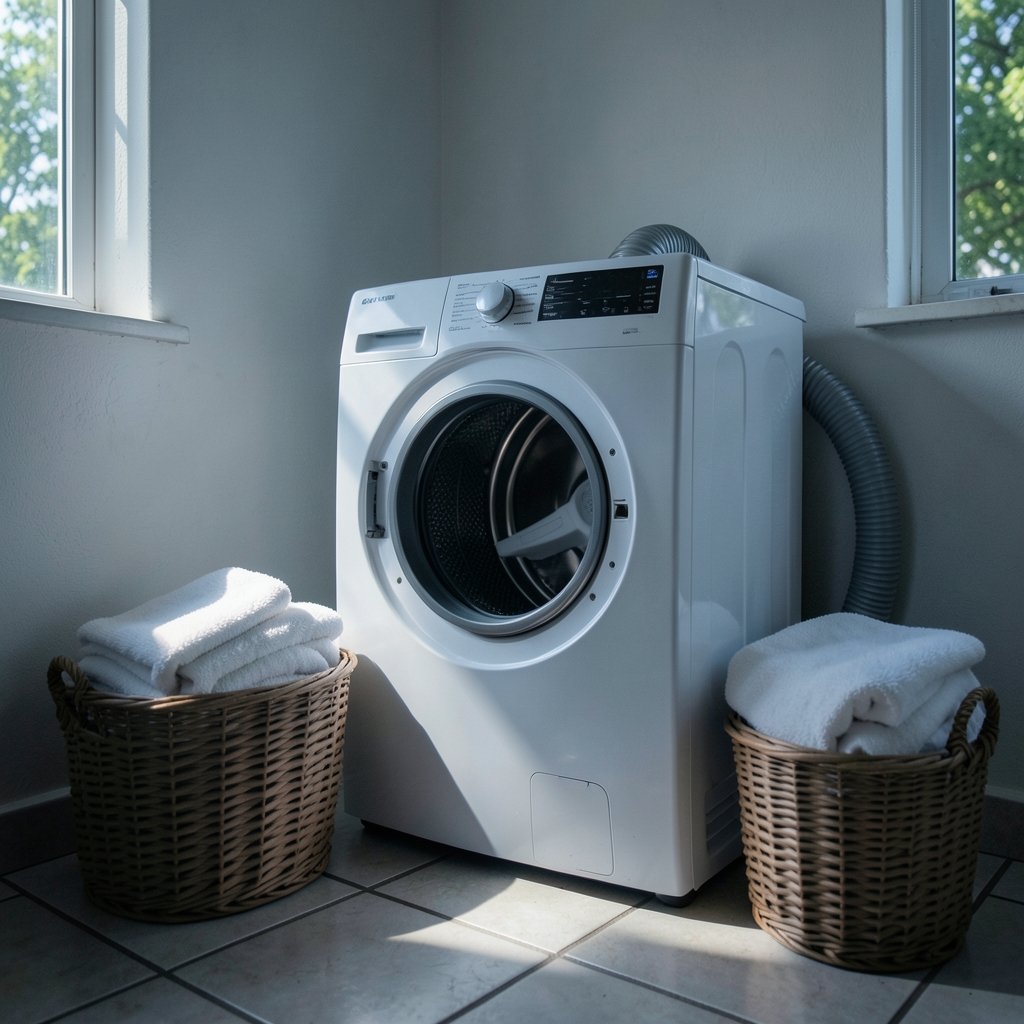
What makes a dryer “top rated” anyway? Is it the one that dries fastest, the one that sips electricity, or the one that quietly runs for fifteen years without a repair visit? The answer depends on who is doing the rating and what they measured. That is the uncomfortable truth behind every “best dryer” list, and it is the first thing a smart shopper needs to understand before spending several hundred dollars on a machine that will sit in a laundry room for a decade.
This guide breaks down how top-rated electric dryers earn their scores, which technologies dominate the market, where ratings can mislead, and what practical steps keep a good dryer running safely.
How “Top Rated” Status Is Actually Earned
There is no government agency that crowns a top-rated dryer. The label comes from whoever compiled the list, and each tester uses a different yardstick. Some rely on lab tests that measure moisture removal per cycle. Others survey thousands of owners about breakdowns. Still others are editorial picks based on features and price.
That matters because the methods can disagree. A dryer that wins a lab test for speed may rank poorly in owner surveys if its control board fails after three years. A machine praised for efficiency may frustrate people who dislike long cycles.
Readers should always check two things on any ranking: the date it was published and the method behind it. A 2019 list tells you almost nothing about what is on store floors now. And a list that never explains its testing protocol is essentially a popularity contest.
The Three Dryer Technologies Behind Most Rankings
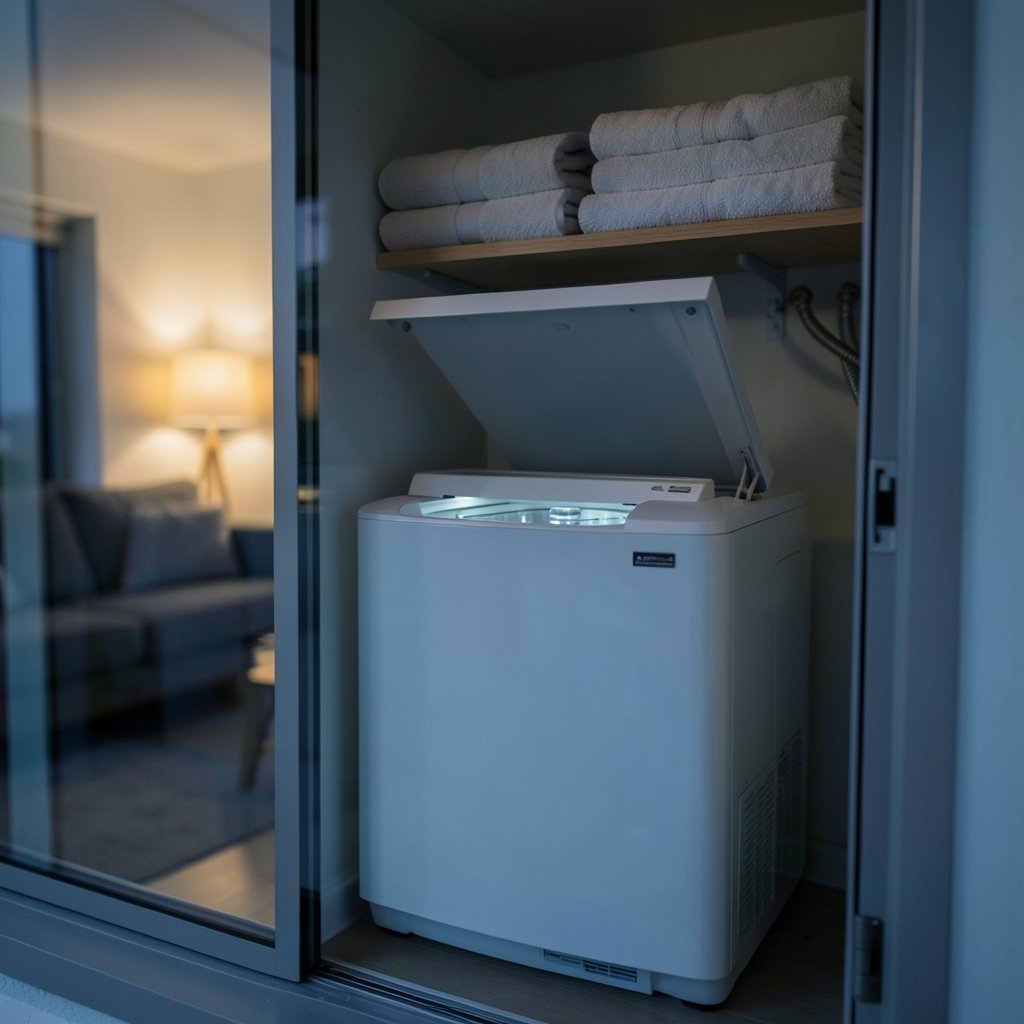
Nearly every top-rated electric dryer falls into one of three categories, and the category shapes everything else: cycle time, upfront price, installation needs, and energy use.
| Type | How It Works | Energy Use | Cycle Time | Installation |
|---|---|---|---|---|
| Vented electric | Heats air, pushes moist air outdoors through a duct | Higher | Fastest | Needs outdoor venting |
| Condensing (ventless) | Recirculates air, collects moisture in a tank or drain | Moderate | Moderate | No vent; needs drain or tank emptying |
| Heat pump | Uses a heat pump to dry at lower temperatures | Lowest | Longest | No vent; drain or tank; often 240V |
Vented electric dryers remain the most common and usually the cheapest to buy. They dry fast and are simple to repair. The trade-off is that they push heated, moist air outside, which is energy leaving the house.
Condensing dryers skip the duct. Moisture condenses into a tank you empty or a drain you connect. They suit apartments and closets where running a vent is impossible.
Heat pump dryers are the efficiency champions. They reuse heat instead of dumping it outdoors, which is why they typically use far less energy per load than conventional electric models. The catch: cycles run longer, and the purchase price is higher. For households doing many loads a week, the energy savings can add up over the machine’s life; for someone doing two loads a week, the math is less compelling.
Where Efficiency Ratings Come From
In the United States, dryer efficiency is regulated through the ENERGY STAR program, whose clothes dryer specification took effect in 2015 and primarily recognizes heat-pump and condensing designs. The underlying test procedure is defined in federal rule under 10 CFR Part 430, Subpart B, Appendix D, which specifies exactly how dryer energy use is measured.
For shoppers, the practical tool is the yellow EnergyGuide label, required under FTC labeling rules in 16 CFR Part 305. It shows an estimated yearly energy use and cost figure, which is the most reliable like-for-like comparison available across models. Two dryers with similar capacity can differ meaningfully on that label, and the difference compounds over years of use.
One caution: efficiency figures are measured under standardized lab conditions. Real-world performance depends on load size, how wet clothes are when they go in, and how often the lint filter gets cleaned. A high-efficiency dryer with a clogged filter is just an expensive box.
Capacity, Drum Size, and the Family Math
Ratings often compare drums ranging from about 4.5 to 7 cubic feet or more. Bigger drums handle comforters and family loads with fewer wrinkles because clothes tumble more freely. But bigger drums also tend to use more energy per cycle, so there is a genuine trade-off.
The practical rule experienced appliance technicians repeat: match capacity to your actual laundry habits, not to your aspirations. A two-person household that air-dries half its clothes does not need the largest drum on the floor. A family of five doing daily loads will feel every cubic foot.
Also worth checking is whether the dryer pairs with a matching washer. Stacked or side-by-side pairs share controls and often share a design language, and buying as a pair sometimes leads to better pricing. If a washer is also on the shopping list, read up on how to pick a washing machine with dryer best brand before committing to a pair, since combination units behave differently from separate machines.
Reliability: The Data Nobody Has Quite Nailed
Here is where ratings get slippery. Reliability surveys from consumer testing organizations exist, but sample sizes and methods vary, and no government dataset ranks dryer brands by repair rates. That means claims like “most reliable brand” should be read with healthy skepticism.
What shoppers can do instead:
- Look for owner reviews that discuss the three-to-five-year mark, rather than only the first month.
- Check whether the manufacturer publishes a parts availability policy and how long it commits to stocking parts.
- Ask a local repair technician which brands they see least often. This is informal but often revealing.
- Prefer models with mechanical or well-documented electronic controls over novel touch interfaces that may be hard to service.
Extended warranties deserve a mention too. On a mid-priced dryer, a warranty often costs a meaningful fraction of the purchase price. On a heat-pump model with complex internals, the calculus shifts somewhat. There is no universal answer, but the decision should be deliberate rather than a checkout-page impulse.
Safety: The Rating Nobody Prints on the Box
Every electric dryer sold in the U.S. should meet the UL 2158 safety standard, but certification does not eliminate risk. Lint buildup and blocked vents remain leading contributors to dryer fires, and public-safety guidance consistently flags them as preventable hazards.
The practical routine that actually works:
- Clean the lint filter before or after every load. This is not optional maintenance; it is fire prevention and efficiency in one step.
- Inspect the vent duct at least once a year for crushing, kinks, or lint accumulation.
- Clean the full vent run periodically, especially if the duct is long or has multiple elbows. A step-by-step approach to clean dryer vent step by step guide that prevents fires covers the tools and technique.
- Never run the dryer while sleeping or away from home if the vent has known issues.
- Keep the area around the dryer clear of cardboard, rags, and flammable liquids.
A top-rated dryer with a neglected vent is a liability. A mid-tier dryer with a clean vent is a safe, efficient appliance. The maintenance matters more than the badge.
Features Worth Paying For (and Ones That Aren’t)
Dryer marketing has gotten elaborate. Here is a practical filter.
Worth it:
- Moisture sensors that end cycles when clothes are actually dry, rather than running a fixed timer. This saves energy and reduces overdrying, which damages fabric.
- Steam refresh cycles, if anyone in the house wears dress shirts or suits. They genuinely reduce ironing.
- Reversible doors, a small thing that becomes a daily annoyance if it is wrong for the room.
- A drum light, which sounds trivial until the first time you drop a sock in a dim laundry corner.
Often not worth it:
- Smart-app connectivity that duplicates controls already on the panel.
- Specialty cycles with names like “activewear” that mostly adjust time and temperature.
- Oversized drums bought for occasional use.
One habit that saves real money regardless of model: spin clothes thoroughly in the washer first. A high-spin wash cycle removes more water mechanically, which is cheaper than removing it with heat. If the washer is the weak link, it may be worth a look at how to choose best electric pressure washers real household work style buying logic, where matching the tool to the actual job beats buying the biggest spec sheet. The same principle applies to laundry pairs.
Installation Realities for Ventless Models
Heat-pump and condensing dryers are increasingly common on top-rated lists, but they demand different installation thinking. They need no outdoor vent, which opens up closets and interior rooms. However, they require either a drain connection or regular manual tank emptying, and clearance requirements matter because the units need airflow around them.
Some ventless models run on standard 120V power, while others need 240V. That single detail can determine whether a laundry corner works at all, so check it before delivery day, not after.
Also consider noise. Heat-pump dryers use compressors, and some owners find the sound profile different from the familiar rush of a vented unit. Reading owner comments about noise is more useful than spec-sheet decibel figures, which are measured under ideal conditions.
Matching the Dryer to the Household
A quick decision framework that holds up in practice:
- Apartment or condo with no vent: condensing or heat-pump, full stop.
- Family of four or more, vent available, budget-conscious: a well-reviewed vented electric with moisture sensors.
- High laundry volume, long-term ownership, efficiency priority: heat pump, accepting longer cycles.
- Cabin, rental, or secondary property: simple vented model with mechanical controls for easy service.
The “top rated” label is a starting point, not a verdict. The right dryer is the one that fits the room, the wiring, the laundry volume, and the maintenance the household will actually do.
How to Read a Rating List Without Getting Fooled
A short checklist before trusting any ranking:
- When was it published, and does it name current models?
- Does it explain how machines were tested or surveyed?
- Does it separate lab performance from owner satisfaction?
- Does it disclose whether the publisher earns money from links or partnerships?
- Does it mention installation requirements and maintenance, or only features and price?
A list that answers all five is worth reading closely. One that answers none is advertising with extra steps.
Conclusion
Top-rated electric clothes dryers are not a single machine; they are a set of trade-offs dressed up as a ranking. Vented models win on speed and price, heat-pump models win on efficiency, and condensing models win on installation flexibility. The ratings that matter most combine lab performance, owner experience over several years, and honest disclosure of method.
The shopper who checks the EnergyGuide label, matches drum size to real laundry habits, confirms the electrical and venting situation before buying, and commits to lint and vent maintenance will end up happier than the shopper who simply buys whatever topped last month’s list. Ratings are a map, not the destination.
Frequently Asked Questions
Are heat-pump dryers worth the higher price?
For households running many loads per week and planning to keep the machine for a decade, the energy savings can justify the premium. For light laundry users, the longer cycles and higher upfront cost often outweigh the efficiency gain.
Do ventless dryers really work as well as vented ones?
They dry effectively, but cycles generally take longer and the moisture must be managed through a tank or drain. Performance is comparable; convenience and installation differ.
How long should a top-rated electric dryer last?
Most quality dryers last roughly ten to fifteen years with regular maintenance. Lint filter cleaning and periodic vent inspection are the two habits that most affect lifespan and safety.
What does the EnergyGuide label actually tell me?
It shows estimated yearly energy use and cost under standardized test conditions, letting shoppers compare models on a like-for-like basis. Real-world results vary with load size and maintenance.
Is a bigger drum always better?
No. Larger drums handle bulky items more easily, but they tend to use more energy per cycle. Matching capacity to actual household laundry volume is the smarter approach.
Why do different publications rank dryers so differently?
Because they measure different things. Lab tests reward speed and moisture removal, owner surveys reward durability, and editorial picks weigh features and price. Checking the method and date behind any ranking is essential.



