
What if the most popular dryer brand in the store isn’t the one that will still be running smoothly in ten years? That question trips up a lot of buyers. Dryers look simple: a drum, a heater, a motor, a lint filter. But the gap between a machine that quietly does its job for a decade and one that eats repair bills is real, and it usually comes down to model-level engineering rather than the logo on the door. (Ketel one vodka makes this dutch pot still brand different)
This guide breaks down what “best” actually means for a dryer, which brands lead in reliability and efficiency, and the practical mistakes that cost people money.
Why “Best Dryer Brand” Is a Trickier Question Than It Sounds
There is no single measurable property called “best brand.” Dryer quality depends on the model, the dryer type (vented, condenser, or heat pump), and the market you’re shopping in. A brand that tops reliability surveys in one country can rank mid-pack in another, simply because the machines sold there are built on different platforms.
Brand-level rankings from consumer organizations are usually built from member survey reliability scores combined with lab test results, not a single brand score. That matters: a brand’s average can hide a standout model and a dud sitting side by side on the same showroom floor.
There’s also an ownership wrinkle most shoppers never see. In major markets, dryer brands are often owned by a handful of parent companies such as Electrolux, Whirlpool, BSH, LG, Samsung, and Midea. Two brands competing for your money may share the same internal platform, motor, or control board. Rankings can therefore reflect shared engineering rather than genuine brand differences.
The practical takeaway: treat brand as a starting filter, not a finish line. Shortlist two or three brands with solid reliability reputations, then judge the specific model.
The Four Dryer Types (and Why They Change the Brand Question)
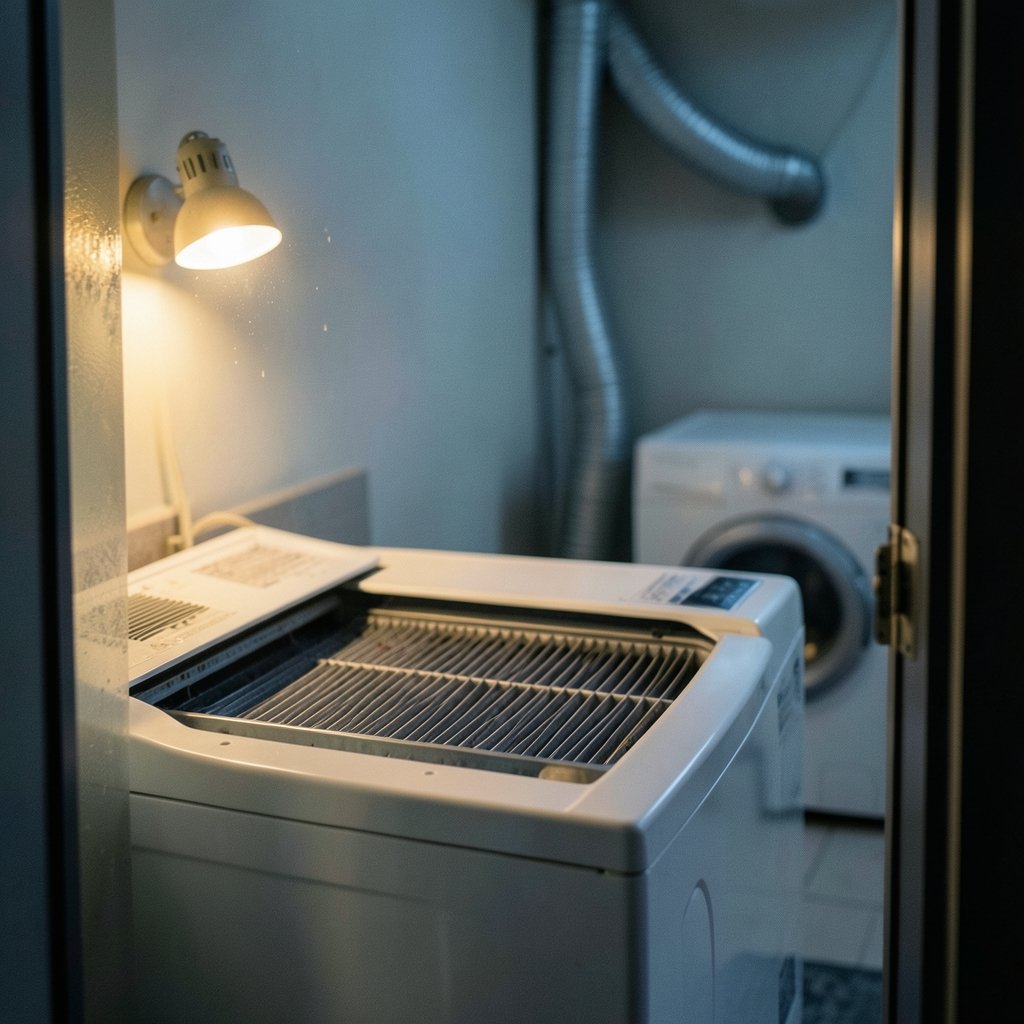
Before comparing brands, know which machine you’re actually buying. Efficiency and running costs vary enormously by type.
| Dryer type | How it works | Energy use | Best for |
|---|---|---|---|
| Vented | Pulls in room air, heats it, pushes moist air outdoors through a duct | Highest | Homes with an existing exterior vent and low upfront budget |
| Condenser | Heats air, condenses moisture into a tank or drain | Moderate | Flats or homes where ducting isn’t possible |
| Heat pump | Recirculates heat through a closed loop instead of venting it | Lowest | Anyone running the machine often and watching energy bills |
| Washer-dryer combo | One unit washes and dries | Varies | Tight spaces, light drying needs |
Heat pump dryers are substantially more energy-efficient than condenser or vented models because they recirculate heat rather than dumping it outside. In Europe, efficiency classes come from the EU energy label rules for household tumble dryers, which set out how classes are defined. In the US, the ENERGY STAR program certifies clothes dryers, including heat-pump models, that meet its efficiency criteria.
Here’s the trap: a brand that makes excellent vented dryers may have a mediocre heat-pump lineup, or vice versa. If you’re shopping for efficiency, judge the brand on its heat-pump range specifically. If you’re replacing a basic vented machine on a budget, that same brand’s heat-pump reputation tells you almost nothing useful.
If you’re weighing a combined washer and dryer, the same logic applies, and it’s worth reading up on which washing machine with dryer best brand options hold up before committing to a combo unit.
Which Brands Lead on Reliability?
Reliability rankings for appliances have been published for years by consumer organizations that survey their members and combine those results with lab testing. The broad pattern that shows up again and again is that a small group of brands clusters at the top, a long middle pack sits close together, and a few names drag at the bottom.
The brands most consistently associated with strong dryer reliability include:
- Miele – frequently at or near the top of reliability surveys; expensive, but owners report long service lives.
- Bosch and Siemens – both under the BSH umbrella, generally strong on build quality and heat-pump efficiency.
- LG and Samsung – large heat-pump ranges, strong feature sets, and generally solid survey results in recent years.
- Electrolux and its group brands – wide model ranges across price points; quality varies more by tier.
- Whirlpool family brands (including Maytag) – dependable mid-market vented machines, especially in North America.
- Beko and Midea – value-focused, with more variability model to model.
Two cautions. First, these rankings are survey-based and paywalled at the source, and results differ by country and year. Second, no single “best brand” claim is defensible without stating the market, the dryer type, and the date. Anyone who tells you otherwise is selling something.
Reliability surveys measure owner-reported problems, which means they capture things lab tests can’t: how often a door latch breaks at year six, how easy the machine is to service, whether parts stay available. That’s genuinely useful, but it’s a statistical average. Your specific model still matters more.
Where Brands Genuinely Differ
Strip away the marketing and a handful of differences actually affect your daily life.
Energy efficiency
Heat-pump technology is the biggest real differentiator. A brand with a mature heat-pump lineup will typically offer lower running costs than one that treats heat pumps as an afterthought. Over a decade of regular use, that gap can dwarf the purchase price difference. Check the energy label class and the rated annual consumption figure, and treat the star rating on the box as secondary.
Build quality and drum design
Stainless steel drums, sealed bearings, and serviceable parts make a difference. Cheaper machines often use components designed to be replaced as a unit rather than repaired, which raises long-term costs.
Controls and repairability
A fancy touchscreen is lovely until it fails at year five and costs a third of the machine’s price to replace. Simple dial-and-button controls on mid-range machines are often the more practical long-term bet.
Service networks
A brilliant machine with no local technician is a problem. Before buying, check whether the brand has authorized service in your area and how long parts remain available. This is the single most overlooked factor in dryer buying.
Practical Tips That Actually Work
These are the habits and checks that separate a good dryer purchase from a regretful one.
- Buy for your drying habits, not the brochure. A household running three loads a week will feel an efficiency difference far more than one doing one load on weekends.
- Check the model number, not the brand alone. Search the specific model number for reliability complaints, not the brand name.
- Measure the doorway and the alcove first. Dryers are wider than people expect, and heat-pump models are often deeper.
- Confirm the venting situation. If you’re switching from vented to heat pump, you don’t need a duct, but you do need drainage or a tank you’re willing to empty.
- Read the recall databases. Recalls are model-specific, not brand-wide. A brand with one recall isn’t thereby unsafe across its range, and a brand with none isn’t automatically safer.
- Budget for installation as well as the machine. Haul-away, new hoses, and levelling add up.
Common mistakes to avoid
- Assuming a premium brand means a premium model. Entry-level machines from luxury names are often built to a price.
- Ignoring lint and vent maintenance. Most dryer-related fires are linked to lint buildup and venting problems rather than any particular brand. Clean the filter every load and have the duct checked periodically.
- Chasing the biggest drum. Oversized drums on underpowered machines dry unevenly.
- Skipping the warranty fine print. Labour coverage often runs shorter than parts coverage.
The same discipline applies across big purchases: narrow the field with reputation, then verify the individual product. That’s the approach behind solid picks like the best brand of washing machine with a dryer, and it’s the approach worth taking on a dryer too.
Matching the Brand to Your Situation
Brand choice should follow your constraints, not the other way around.
| Your situation | What to prioritize | Brands worth shortlisting |
|---|---|---|
| Small flat, no exterior vent | Heat-pump or condenser, compact depth | Bosch, Miele, LG |
| Large family, heavy use | Capacity, efficiency, service network | LG, Samsung, Electrolux |
| Tight budget, existing vent | Simple vented machine, repairable parts | Whirlpool family, Beko |
| Long-term ownership mindset | Build quality, parts availability | Miele, Bosch |
| Combo unit needed | Drying performance of the combo specifically | LG, Samsung, Bosch |
Notice that the brand recommendations shift with the situation. That’s the point. There’s no universal winner, and any list that claims otherwise is flattening a genuinely nuanced decision.
How Much Should Brand Reputation Cost You?
Premium brands charge a real premium, and it isn’t always justified. The honest math looks like this: if a mid-range machine costs several hundred less and lasts eight years instead of twelve, the premium brand wins on cost per year only if the price gap is modest. Run that arithmetic before you let a reliability ranking talk you into doubling your budget.
Where premium brands genuinely earn their price is in serviceability and parts longevity. A machine that can be repaired in year nine is worth more than one that can’t, even if the sticker price stings today. That’s a different calculation from “which brand is best,” and it’s the one that actually affects your wallet.
Budget brands, meanwhile, have improved. The gap between entry-level and mid-range has narrowed in efficiency terms, though it still shows up in noise, build feel, and how long the electronics survive. If you’re the type who replaces appliances every seven or eight years anyway, paying for a twenty-year machine is money you’ll never recover.
Conclusion
The best dryer brand is the one that matches your dryer type, your budget, and the service network where you actually live. Heat-pump efficiency, model-level reliability, and parts availability matter far more than a logo. Shortlist two or three brands with solid survey reputations, verify the specific model, check the energy label and the recall databases, and confirm that someone can repair the thing in five years’ time. Do that, and the brand question mostly answers itself.
Frequently Asked Questions
Which dryer brand is the most reliable overall?
Across published member surveys, Miele, Bosch, and Siemens tend to cluster near the top of reliability rankings, with LG and Samsung strong in recent years. But rankings are survey-based, paywalled at the source, and vary by country and year. Always check the specific model rather than trusting a brand average.
Are heat pump dryers worth the extra cost?
For regular use, usually yes. Heat-pump dryers recirculate heat instead of venting it, which makes them substantially more energy-efficient than vented or condenser models. If you run several loads a week, the running-cost savings typically close the price gap over the machine’s life. For occasional use, a cheaper vented model may make more sense.
Is a more expensive brand always better?
No. Entry-level machines from premium brands are often built to a price, and mid-range models from mainstream brands can outperform them. Compare the specific model’s efficiency rating, drum construction, warranty terms, and local service availability before paying a premium for a name.
How long should a dryer last?
Expected lifespan estimates vary by source and aren’t standardized, but most machines are designed for roughly a decade of typical household use. Lifespan depends heavily on load frequency, lint and vent maintenance, and whether the machine is repairable. Brands with strong parts availability tend to keep machines running longer.
Do dryer recalls mean a brand is unsafe?
No. Recalls are model-specific, not brand-wide. A brand with one recall notice is not thereby unsafe across its whole range. Check recall databases for the exact model number you’re considering rather than judging an entire brand. (Spider man brand new day showtimes find book seats)
What causes most dryer fires?
Most dryer-related fires are linked to lint buildup and venting problems rather than any particular brand. Clean the lint filter after every load, periodically inspect the exhaust duct for blockages or crushing, and keep the area around the machine clear. Maintenance habits matter more than brand choice for safety.



