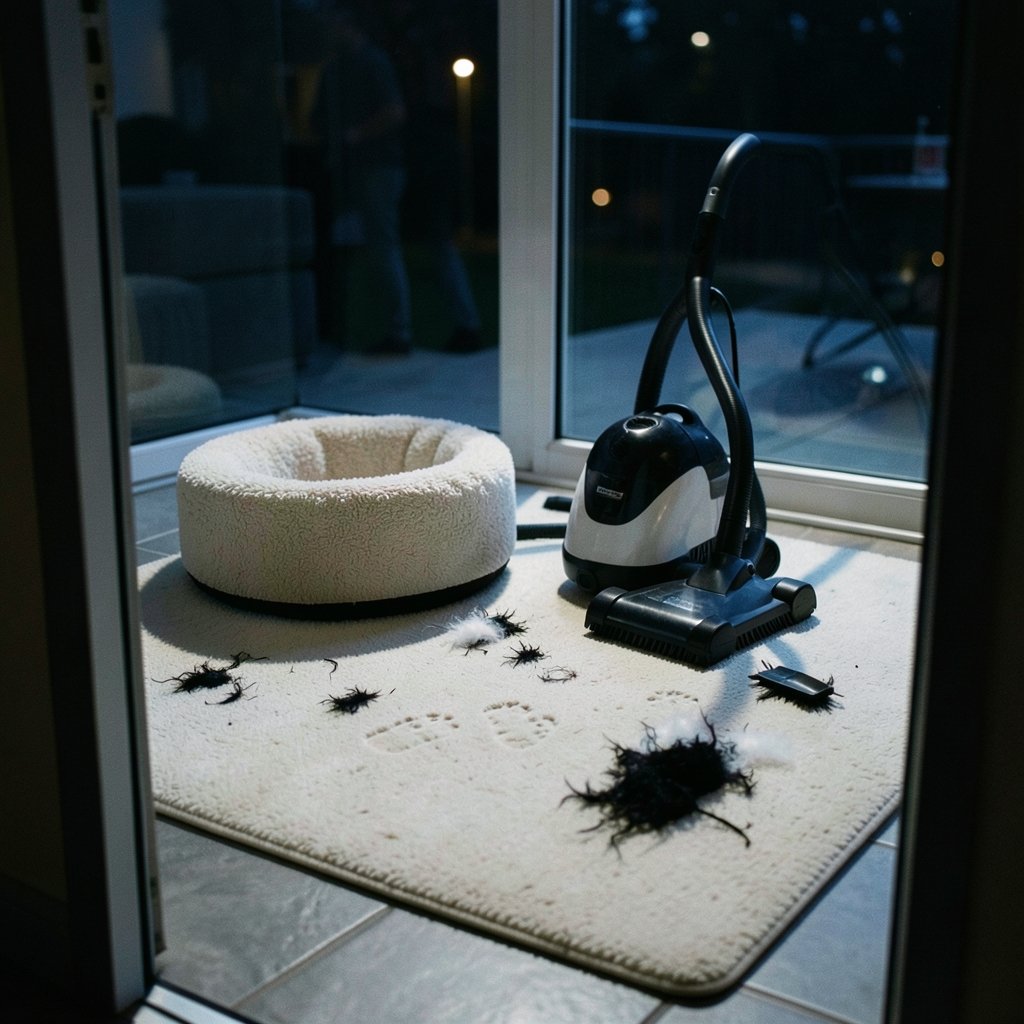
Ever watched a tuft of dog fur drift across your floor like a tiny tumbleweed, right after you finished vacuuming? If so, you already know the dirty secret of pet ownership: most vacuums claim to handle pet hair, but only a handful genuinely do. The highest rated vacuums for pet hair earn their reputations through sealed filtration, brush rolls that resist tangling, and airflow that pulls fur out of carpet rather than skating over it.
This guide breaks down what the best models share, where popular picks fall short, and how to match a vacuum to your specific pet situation. No hype, no sponsored rankings. Just the features that matter when your floors are a fur zone.
Why Pet Hair Is a Harder Problem Than Regular Dirt
Pet hair is not ordinary dirt with a marketing label. It behaves differently in three ways that expose mediocre vacuums.
First, fur clumps and wraps. Long strands coil around spinning brush rolls until the roller stops turning effectively. Second, hair clings to fabric. It weaves into carpet fibers and upholstery rather than sitting on top where suction can grab it. Third, pet hair travels with dander and allergens, which means a vacuum that stirs up dust while cleaning is doing half the job badly.
The best pet hair vacuums address all three. They use tangle-resistant brush rolls, strong sealed suction, and multi-stage filtration that traps fine particles instead of blowing them back into the room. If you want a deeper dive into the filtration side, the breakdown of air purifier pet birds actually works can harm them covers how airborne pet particles behave indoors, which applies just as much to what your vacuum exhaust releases.
The Features That Separate Top-Rated Models From the Pack
Across test labs and long-term owner reviews, the highest rated vacuums for pet hair consistently share a handful of traits. Here is what to look for, and why each one matters in practice.
| Feature | Why It Matters for Pet Hair | What to Avoid |
|---|---|---|
| Tangle-resistant brush roll | Prevents hair wrap that kills agitation | Standard bristle rollers on long-haired pets |
| Sealed HEPA filtration | Traps dander and fine allergens | Unsealed systems that leak at the seams |
| Strong airflow at the head | Lifts embedded fur from carpet | High suction specs with poor head design |
| Large, easy-empty bin | Fewer messy emptying sessions | Tiny bins that clog with fur clumps |
| Low weight and good maneuverability | Makes daily passes realistic | Heavy uprights you dread dragging out |
| Washable pre-motor filter | Cuts long-term cost and odor | Filters that need frequent replacement |
Tangle-Resistant Brush Rolls
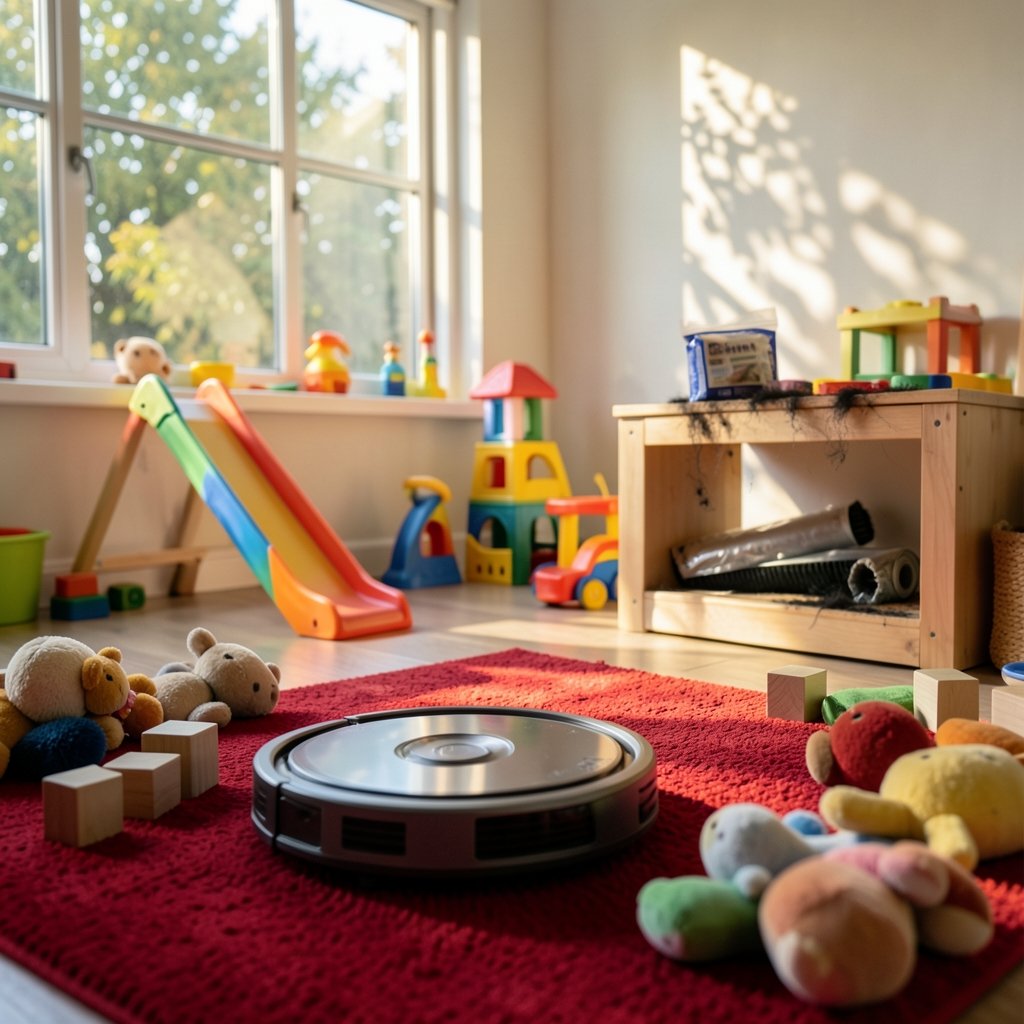
This is the single biggest differentiator. A vacuum can have excellent suction and still fail on pet hair because hair wraps around the roller within a few uses. Models rated highest for pet households use rubber fins, combs, or anti-wrap designs that shed hair into the bin instead of collecting it. The same principle shows up in robot designs, and the analysis of which robot vacuum long human hair actually works explains why “tangle-free” claims deserve scrutiny rather than trust.
Sealed Filtration and Dander Control
Pet hair is only half the problem. Dander, the microscopic skin flakes pets shed constantly, is the allergen that bothers most people. A fully sealed system keeps that material inside the machine. Cheaper vacuums often leak at the bin seal or exhaust, which means you clean the floor and then coat the air with fine particles. For anyone with allergies, filtration quality should rank above raw suction numbers.
Airflow Beyond Suction Specs
Manufacturers promote big suction numbers, but airflow at the cleaning head is what actually lifts fur. A vacuum with moderate suction and a well-designed head will outclean a high-suction model with a mediocre nozzle. This is why hands-on testing beats spec sheets every time. When you read reviews, look for descriptions of pickup performance on carpet and upholstery, rather than decibel and wattage figures alone.
Matching the Vacuum to Your Pet and Home
The “best” vacuum depends heavily on your situation. A home with two short-haired cats has different demands than a house with a double-coated dog and wall-to-wall carpet. Here is how the top-rated categories break down.
| Household Situation | Best Vacuum Type | Why It Fits |
|---|---|---|
| Mostly hard floors, light shedding | Cordless stick or canister | Quick daily passes, easy maneuverability |
| Wall-to-wall carpet, heavy shedding | Powerful upright with anti-wrap roller | Deep agitation and sustained airflow |
| Multiple pets, allergy sufferers | Sealed HEPA canister or upright | Traps dander, large bin capacity |
| Stairs and tight spaces | Lightweight canister or stick | Portability matters more than tank size |
| Furniture and car interiors | Handheld or stick with crevice tools | Reach and tool variety |
Short-Haired Pets
Short fur tends to scatter like sand and embed in fabric. Strong airflow and a motorized upholstery tool matter more than anti-wrap rollers, since short hairs wrap less. A quality cordless stick often handles this well, provided the filtration is sealed.
Double-Coated and Long-Haired Dogs
This is where the highest rated vacuums for pet hair earn their keep. Double coats shed in volume and produce long strands that wrap rollers fast. Prioritize an anti-wrap brush roll, a large bin, and robust suction. Owners of heavy shedders often report that bin capacity matters as much as power, because fur fills small canisters in a single room.
Cats and Litter Tracking
Cat households deal with fine clay dust and lightweight fur. Sealed filtration and a washable pre-motor filter keep both under control. A vacuum that exhausts visible dust is a poor choice here, no matter how well it picks up hair.
Where Popular Picks Fall Short
Not every highly marketed pet vacuum deserves its reputation. A few common gaps show up again and again in owner feedback and test results.
Oversized bins that are awkward to empty. A big bin sounds great until you have to wrestle it off and dump a cloud of fur. Ease of emptying affects how often you actually vacuum.
Cordless runtime claims. Many cordless models quote maximum runtime achieved on the lowest power setting with a non-motorized tool. On high power with a motorized brush, real runtime is often a fraction of the advertised figure. If cordless is your plan, check high-power runtime specifically.
“Pet tool” bundles that underperform. A turbo brush included in the box is only useful if it maintains airflow. Cheap air-driven tools stall on dense fur. Motorized tools driven by the vacuum’s own power hold up far better.
Weight that kills daily use. The best vacuum is the one you will actually use. A 20-pound upright that lives in a closet rarely gets pulled out for a five-minute cleanup. Many top-rated models balance power with manageable weight for exactly this reason.
Filter maintenance neglected. Even excellent filtration degrades when filters clog. Washable filters need rinsing on a schedule, and skipping it reduces suction and pushes dust back into the room.
Practical Habits That Make Any Vacuum Perform Better
Even the best machine underperforms with poor technique. These habits make a measurable difference.
- Vacuum slowly on carpet. Rushing reduces the passes each section receives. Slow, overlapping strokes let the brush roll agitate fibers and airflow pull fur out.
- Use the right height setting. A brush roll set too high skims the surface. Set it so the head seals lightly against the carpet.
- Empty the bin before it fills. Fur compacts and chokes airflow. Emptying at two-thirds full keeps performance steady.
- Clean the brush roll weekly. Even anti-wrap designs collect some hair. A quick pass with scissors or a comb prevents buildup.
- Wash or replace filters on schedule. Follow the manufacturer’s interval, and let washable filters dry completely before reinstalling.
- Vacuum upholstery and pet beds regularly. These harbor more dander and fur than floors in many homes.
If you are weighing how much upkeep costs over time, the same logic applies to beauty maintenance as to vacuum filters: routine care keeps results consistent. The breakdown of what money piece hair it it costs keep it looking fresh makes a similar point about maintenance budgets, and it is a useful reminder that long-term cost matters as much as purchase price.
How to Read Ratings Without Getting Fooled
Ratings are useful, but only if you know what is being measured. A few practical filters help.
Check the test conditions. Does the rating reflect carpet pickup, hard floor pickup, or both? A model that excels on bare floors may struggle on plush carpet.
Look for long-term owner reports. Reviews written after six months reveal durability, filter costs, and whether anti-wrap claims hold up. Early reviews often reflect the honeymoon period.
Separate filtration from pickup. These are different strengths. A vacuum can pick up fur brilliantly and still leak allergens. Decide which matters more for your household.
Watch for paid placement. Sponsored rankings blur the line between testing and advertising. Cross-check any “best of” list against independent owner experiences.
Confirm parts availability. Bags, filters, belts, and brush rolls should be easy to find years after purchase. A great vacuum with discontinued parts becomes disposable.
Conclusion
The highest rated vacuums for pet hair are not the ones with the biggest suction claims or the flashiest marketing. They are the models that combine an anti-wrap brush roll, sealed filtration, strong airflow at the cleaning head, sensible bin capacity, and a weight you can live with day to day. Match those features to your pet’s coat type and your flooring, and the fur problem shrinks fast.
Start by identifying your biggest pain point. Is it hair wrapping the roller? Dander in the air? A vacuum so heavy it stays in the closet? That answer points directly to the right machine. Then commit to the small habits, slow passes, regular filter care, and timely bin emptying, that let any good vacuum perform at its best. Your floors, your air, and your allergies will all notice the difference.
Frequently Asked Questions
What is the most important feature in a vacuum for pet hair?
An anti-wrap or tangle-resistant brush roll is the single most important feature for most pet households. Hair wrapping around a standard roller quickly reduces cleaning performance and demands constant manual cutting. Sealed HEPA filtration is a close second, especially for allergy sufferers, because it traps dander instead of recirculating it.
Are cordless vacuums good enough for pet hair?
Yes, for light to moderate shedding and mixed flooring, a quality cordless stick works well, particularly for quick daily cleanups. The catch is runtime: advertised figures usually reflect the lowest power setting without a motorized tool. On high power with a brush roll running, expect substantially less. For heavy shedding on wall-to-wall carpet, a corded upright or canister usually delivers more sustained power.
How often should I vacuum with pets in the house?
Most pet households benefit from vacuuming high-traffic areas two to three times per week, and weekly vacuuming of upholstery and pet beds. Heavy shedders may require daily passes in main rooms during shedding season. Consistency matters more than duration, since frequent short sessions prevent fur from embedding in carpet fibers.
Do I need a HEPA filter if I do not have allergies?
It still helps. HEPA filtration traps fine dander and dust that would otherwise be exhausted back into the room, which keeps surfaces cleaner longer and reduces that lingering pet odor. If anyone in the home has asthma or seasonal allergies, sealed HEPA filtration moves from nice-to-have to essential.
Why does my vacuum lose suction when cleaning up pet hair?
The usual culprits are a clogged filter, a full bin, or hair wrapped around the brush roll. Pet hair compacts quickly and chokes airflow, so empty the bin at about two-thirds full and rinse washable filters on schedule. Check the brush roll weekly, and inspect the hose and wand for blockages if suction drops suddenly.
Is a robot vacuum a realistic option for pet hair?
For maintenance cleaning on hard floors and low-pile carpet, yes, and modern anti-tangle designs handle long hair far better than earlier models. Robots work best as a supplement rather than a replacement: they keep daily fur levels down, while a full-size vacuum handles deep carpet cleaning and upholstery. Homes with heavy shedders usually get the best results running both.