
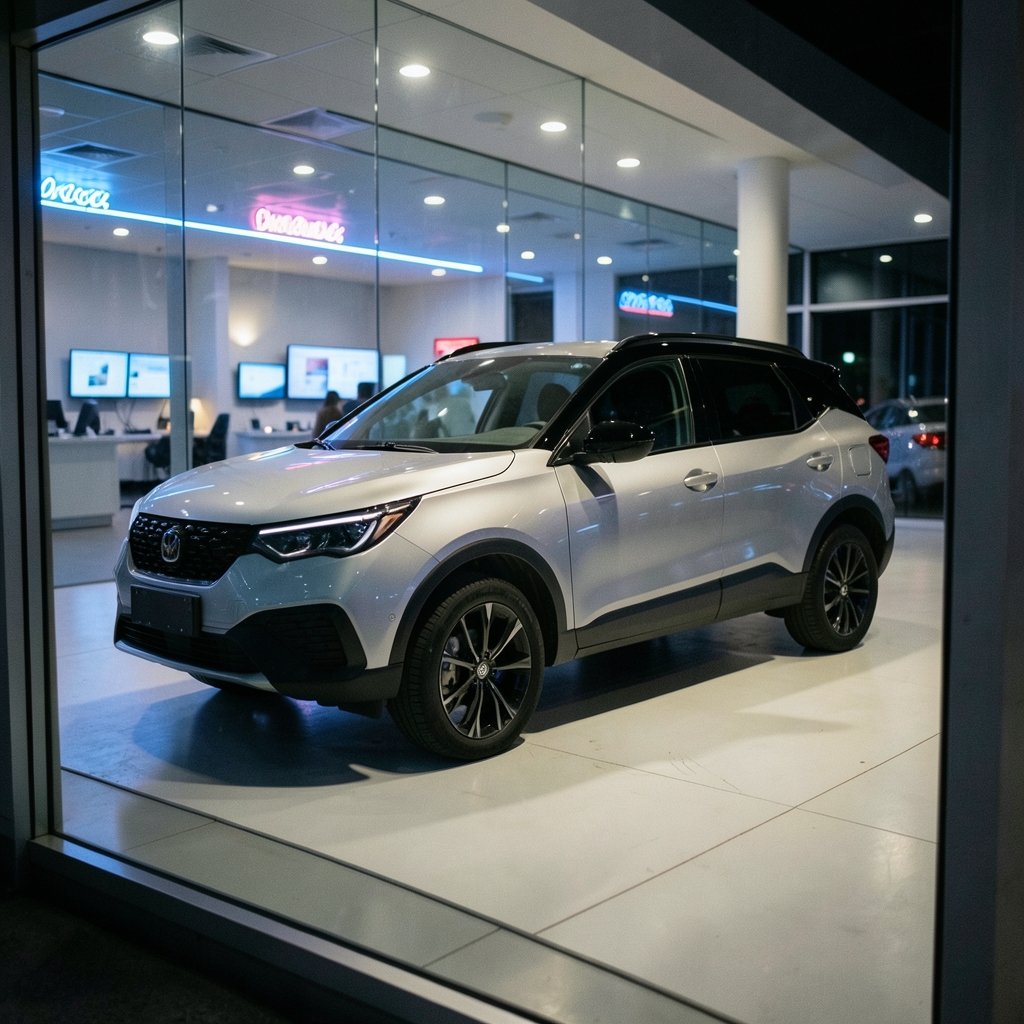
What will the Honda CR-V look like when the 2027 model year rolls around? That question is harder to answer than it looks, and anyone who tells you otherwise is probably guessing. The CR-V is one of the best-selling compact SUVs in North America, so every new model year draws attention. But the 2027 version sits at a genuinely uncertain moment for Honda, caught between a proven sixth-generation platform and an electrification strategy that the company keeps revising.
This article walks through what is actually known, what is rumored, and what buyers should watch for. It separates solid ground from speculation, because the gap between those two has gotten wide.
Where the CR-V Stands Right Now
Honda launched the sixth-generation CR-V for the 2023 model year in the United States. That generation brought a cleaner exterior design, a redesigned interior, an updated hybrid powertrain, and a more refined cabin. It has been well received, and the hybrid trims have become the volume sellers in many markets.
A 2027 model year would land roughly four to five years into that generation’s run. That timing matters. Compact SUVs typically get a mid-cycle refresh around year three or four, followed by a full redesign somewhere around year six or seven. So a 2027 CR-V could plausibly be one of three things:
- A refreshed sixth-generation model with updated styling and tech
- A mostly carryover model with minor trim changes
- The first year of a seventh-generation redesign
There is no confirmed answer. Anyone publishing a specific claim about the 2027 CR-V’s design without an official Honda announcement is filling gaps with imagination.
The Powertrain Question Is the Big One
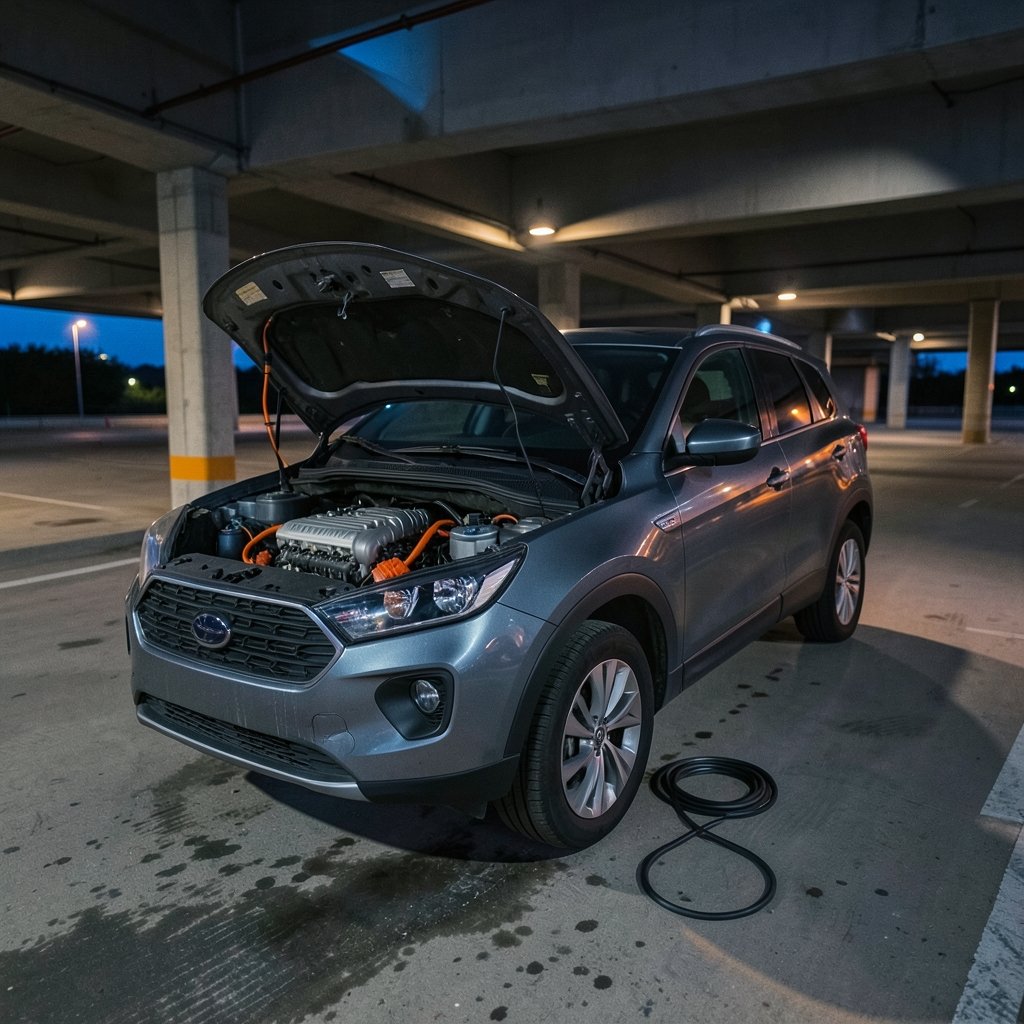
Here is where things get genuinely interesting. Honda has publicly shifted its electrification plans more than once in recent years. The company announced a CR-V e:FCEV, a hydrogen fuel cell plug-in hybrid, back in 2024, with production in Ohio and a US launch expected around 2025. Whether that variant continues into 2027 is unconfirmed.
Honda has also revised its near-term EV targets, scaling back some ambitions during 2024 and 2025. That inconsistency is not unusual in the industry, but it does mean buyers should treat any 2027 powertrain lineup as unsettled.
A reasonable expectation is that the current formula continues: a turbo four-cylinder in lower trims and a hybrid powertrain in higher trims. The hybrid is the one most buyers should care about anyway. In city driving, the hybrid CR-V gets noticeably better real-world fuel economy, and the gap is largest in stop-and-go traffic, where the electric motor does more of the work.
A practical tip from watching how Honda rolls out changes: powertrain announcements usually come with the official reveal, not before. If you see a “leaked” spec sheet floating around months ahead of time, treat it with suspicion.
What the Regulatory Picture Means for 2027
Late-decade model years are shaped heavily by regulation, and that context helps explain why automakers are hedging. California’s Advanced Clean Cars II program, adopted in 2022, requires 100% zero-emission new light-duty sales by 2035, subject to federal waivers and ongoing litigation. Federal fuel economy and emissions rules add another layer of pressure.
For a 2027 CR-V, this means Honda has strong incentives to electrify, but also strong reasons to keep selling hybrids and gas models while the charging infrastructure and consumer demand catch up. The result is likely a mixed lineup rather than a dramatic leap. Buyers who want a plug-in or fully electric CR-V may need patience.
Design and Interior Expectations
If the 2027 CR-V is a refresh rather than a redesign, expect modest exterior tweaks: revised front and rear fascias, new wheel designs, and possibly updated lighting signatures. Interior changes on a refresh usually focus on the infotainment screen, materials, and driver-assist features rather than a full cabin overhaul.
The current CR-V interior is functional and roomy, with generous cargo space and a comfortable back seat. Those strengths would likely carry over. The weak spots are also worth naming. The infotainment system has drawn criticism for a learning curve, and some lower trims feel plasticky compared with rivals.
A practical note for shoppers: if you are waiting for the 2027 model specifically because you expect a big interior leap, a refresh probably will not deliver it. A redesign would, but that timing is unconfirmed.
Pricing: What to Expect and How to Prepare
No verified pricing exists for a 2027 CR-V. Pricing for a new model year typically gets announced close to the on-sale date, which for a 2027 model would likely fall in 2026. US model years conventionally begin sales in the preceding calendar year.
What buyers can do in the meantime is track the pattern. Compact SUV pricing has climbed steadily, and hybrid trims command a premium that usually takes several years of fuel savings to recover. If you are cross-shopping, run the math on your actual annual mileage before assuming the hybrid pays off. For high-mileage drivers, it usually does. For low-mileage drivers, sometimes it does not.
If you are also weighing tech purchases or in-car tools alongside a vehicle decision, it helps to understand how the broader AI product landscape is maturing. A look at the 10 best ai chatbots gpt 5 claude under hood 2027 gives a sense of where in-car assistant features are heading, since automakers increasingly lean on these systems for navigation and voice control.
Safety Ratings and What They Mean Before Testing
The CR-V has historically been evaluated by NHTSA and IIHS, and it has generally performed well. But a 2027 rating will only exist after the vehicle is tested. No rating can be assumed in advance, and ratings sometimes change when criteria tighten.
IIHS in particular has raised the bar on rear-seat occupant protection and pedestrian crash avoidance in recent years. A vehicle that earned top marks a few years ago may not earn them under current criteria. Buyers should check ratings after the model is tested rather than relying on the previous generation’s score.
Common Mistakes Buyers Make With New Model Years
Watching how people approach a new model year reveals some predictable errors. Here are the ones that come up most often.
First, assuming a new model year means a new generation. It usually does not. Model year and generation are different things, and confusing them leads to disappointment.
Second, buying at launch. Early adopters often pay the highest prices and sometimes absorb first-year build issues. Waiting a few months usually brings better availability and sometimes incentives.
Third, ignoring the outgoing model. When a redesign is coming, dealers often discount the previous generation heavily. If you do not need the latest styling, that can be the better financial move.
Fourth, overestimating how much a refresh changes. Cosmetic updates rarely transform the driving experience.
How the CR-V Compares in a Crowded Segment
The compact SUV segment is brutally competitive, and the CR-V’s rivals have not stood still. Buyers comparing options should think about what they actually value.
| Priority | What to weigh | CR-V’s typical strength |
|---|---|---|
| Fuel economy | Hybrid availability, real-world mpg | Strong hybrid option |
| Cargo space | Seats-up and seats-down volume | Generous, easy loading |
| Tech | Infotainment usability, screen size | Functional but not class-leading |
| Reliability | Long-term repair history | Historically strong |
| Resale value | Depreciation curve | Usually holds value well |
| Driving feel | Steering, ride comfort | Comfortable, not sporty |
The pattern is clear: the CR-V tends to win on practicality, reliability, and resale rather than excitement or cutting-edge tech. If that matches your priorities, it is a sensible pick. If you want a sportier drive or the latest screen tech, rivals may suit you better.
The Electrification Road Ahead
Honda’s longer-term direction points toward more electrification, but the pace is genuinely uncertain. The company has talked up hydrogen, hybrids, and full EVs at different moments, and its public statements have shifted.
For a 2027 CR-V buyer, the practical takeaway is to buy for what you need now rather than waiting for a future variant that may or may not arrive on schedule. If a plug-in hybrid CR-V matters to you, watch for official announcements rather than rumor.
This uncertainty is not unique to Honda. The broader market for AI-powered shopping and product research tools has exploded, and buyers now have more ways to compare specs before visiting a dealer. Guides like the 15 best ai tools e commerce stores 2027 conversion boosters show how much research capability has moved online, which is useful context if you plan to shop around digitally before committing.
What to Watch For Before You Decide
A few concrete signals will tell you what the 2027 CR-V really is. Watch for an official Honda announcement, typically accompanied by a press release and full specifications. The timing of that announcement relative to the current generation’s age will hint at whether it is a refresh or a redesign.
Also watch dealer inventory. When a new model year approaches, dealers discount the outgoing one. That discount is a useful signal about how significant the changes will be. Big redesigns produce bigger discounts on the old model.
Finally, watch the regulatory calendar. Changes to federal or state emissions rules can shift what powertrains automakers prioritize, and those shifts sometimes arrive faster than expected.
If you are weighing whether an AI assistant is genuinely useful for car research or just hype, an honest look at when NOT to use an AI chatbot in 2027: 7 honest cases is worth a few minutes. The same skepticism applies to car shopping: verify specs against official sources.
Conclusion
The Honda CR-V 2027 is a vehicle defined more by uncertainty than by confirmed detail. What is known is that the CR-V remains one of the most practical, reliable, and value-holding compact SUVs on the market. What is unknown is whether 2027 brings a refresh, a redesign, or a carryover, and which powertrains will be offered.
The smart approach is to stay informed without overcommitting to rumor. Watch for Honda’s official announcement, check safety ratings once testing happens, and run the hybrid math against your own driving habits. If you need a vehicle now, the current generation is a proven choice. If you can wait, waiting costs nothing but time, and the picture should get clearer well before the 2027 model reaches dealers.
FAQ
When will the 2027 Honda CR-V be released?
No official release date has been confirmed. US model years typically begin sales in the preceding calendar year, so a 2027 CR-V would likely go on sale sometime in 2026. Honda has not publicly confirmed a date.
Will the 2027 CR-V be all-electric?
That is unlikely based on available information. Honda’s electrification plans have shifted repeatedly, and no all-electric CR-V has been confirmed. A hybrid or plug-in hybrid variant is more plausible, but even that is unconfirmed.
Is the 2027 CR-V a new generation?
Unknown. The CR-V is currently in its sixth generation, which launched for 2023. A 2027 model could be a refresh, a carryover, or the start of a seventh generation. Honda has not announced which.
What powertrains will the 2027 CR-V offer?
Unconfirmed. The current lineup uses a turbo four-cylinder and a hybrid. A hydrogen fuel cell variant, the e:FCEV, was announced in 2024, but whether it continues into 2027 is unknown.
Should I wait for the 2027 CR-V or buy now?
It depends on your timeline and priorities. If you need a vehicle soon, the current generation is proven and often discounted as a new model year approaches. If you can wait, you will have clearer information before deciding.
How much will the 2027 Honda CR-V cost?
No pricing has been announced. Compact SUV prices have risen steadily, and hybrid trims typically carry a premium. Expect official pricing closer to the on-sale date, likely in 2026.



