
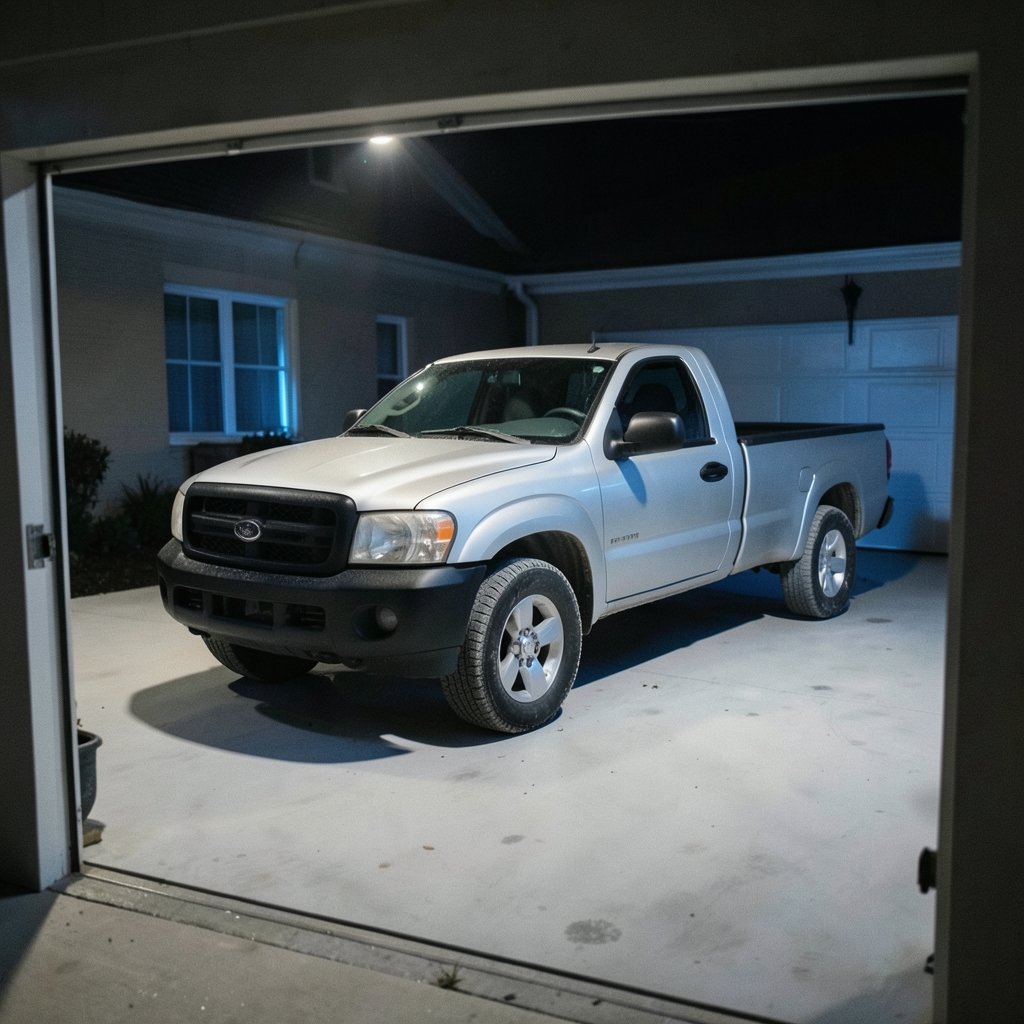
What makes a pickup truck a pickup truck? Most people would say a ladder frame, a solid rear axle, and a bed that sits apart from the cab. The Honda Ridgeline has ignored that rulebook since 2006, and it has built a loyal following by doing so. So when shoppers type “Honda Ridgeline 2027” into a search bar, the real question underneath is usually simpler: is a new one coming, and is it worth waiting for?
The honest answer requires separating what is confirmed from what is speculation. Honda has not published a detailed 2027 Ridgeline announcement, and anyone claiming otherwise should be read with caution. What follows is a grounded look at the truck’s design philosophy, its known hardware, the timeline that led here, and the practical questions a buyer should ask before signing anything.
The Unibody Bet That Defines the Ridgeline
The Ridgeline’s most important feature is not visible on a spec sheet. It is a unibody vehicle: its body and chassis are welded into a single structure rather than bolted onto a separate ladder frame. Every mainstream rival takes the traditional route — the Toyota Tacoma, Ford Ranger, Chevrolet Colorado, and Nissan’s pickup are all body-on-frame designs.
That difference shapes everything. A unibody structure tends to ride more smoothly, handle more like a crossover, and keep the cabin quieter. It also means the Ridgeline gives up some of the heavy-duty towing and payload headroom that frame-based trucks chase. Honda made that trade on purpose, betting that most mid-size truck owners haul mulch and mountain bikes far more often than they tow excavators.
The second-generation truck arrived for model year 2017, and Honda has refreshed it twice since. A 2021 update brought a new front end, a revised interior, and made the Honda Sensing suite of driver-assist features standard. A 2024 refresh added another fascia redesign, a new tailgate treatment, updated infotainment, and the introduction of a TrailSport trim aimed at light off-road duty. That cadence matters: Honda tends to update the Ridgeline every few years rather than reinvent it.
Where It Is Built
Every Ridgeline rolls out of Honda Manufacturing of Alabama in Lincoln, Alabama, on the same light-truck platform that underpins the Pilot SUV and the Odyssey minivan. Sharing that architecture is exactly why the truck drives the way it does, and it is also why production logistics stay relatively simple.
What the Powertrain Looks Like Today
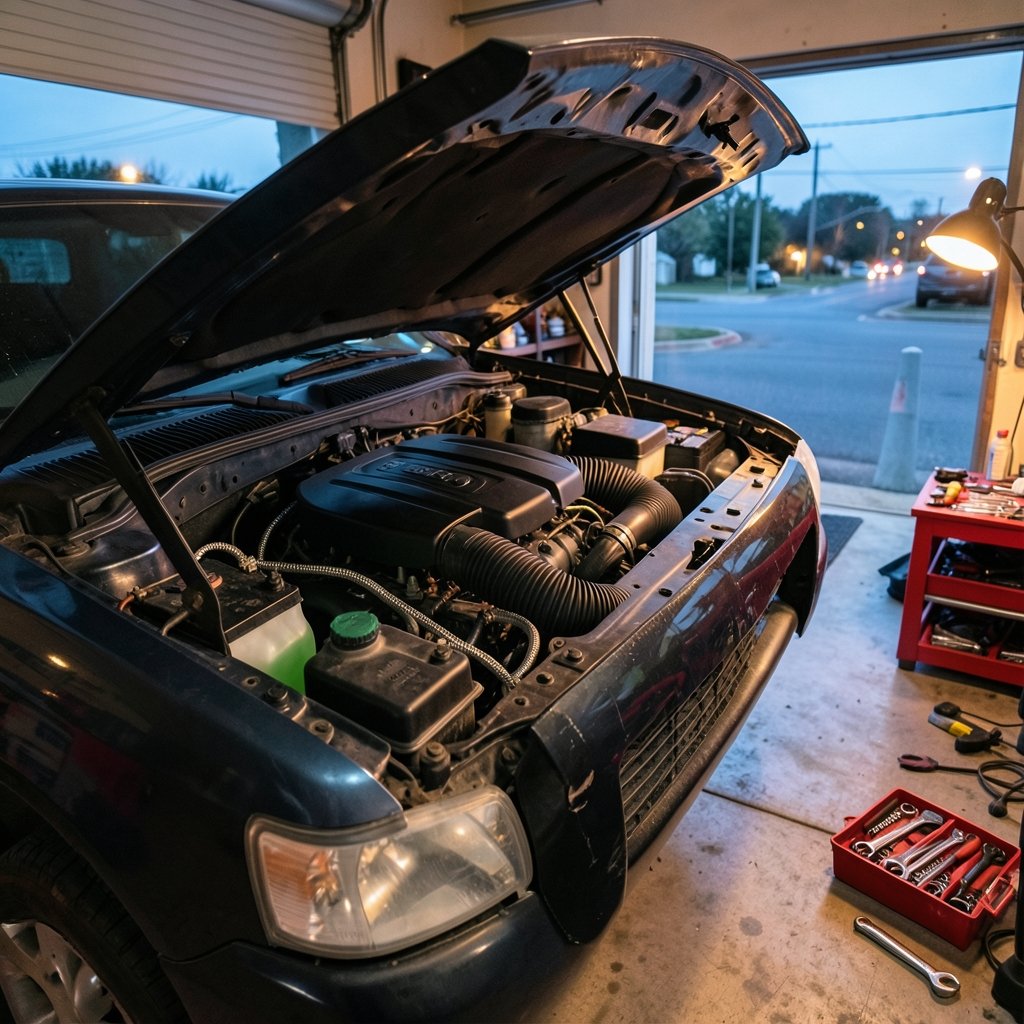
The current Ridgeline uses a 3.5-liter V6 from Honda’s J35 engine family, paired with a nine-speed automatic transmission and available torque-vectoring all-wheel drive. That combination has been the truck’s backbone for years, and it is a known quantity: smooth, adequately powerful for daily duty, and not especially thirsty for a V6 pickup.
What Honda has not done, at least as of the most recent confirmed information, is electrify the Ridgeline. There is no announced hybrid variant. That silence is worth noting because the mid-size truck segment is moving toward electrification, and a hybrid Ridgeline would be a logical next step. Logical, however, is not the same as confirmed.
The 2027 Model Year: What Is Actually Known
Here is where discipline matters. Honda typically reveals model-year changes in the calendar year before launch, which means a 2027 Ridgeline announcement would plausibly land sometime in 2026. But no such announcement has been verified, and no confirmed specifications exist for a 2027 truck.
That leaves three realistic scenarios, and buyers should weigh all of them.
| Scenario | What It Would Mean | Confidence Level |
|---|---|---|
| Carryover model | Same V6, same nine-speed, minor trim or color changes | Plausible |
| Another refresh | Styling tweaks, tech updates, possible new trim | Possible |
| Next-generation redesign | New platform, possibly hybrid or electric | Unconfirmed rumor |
Trade-press chatter about a next-generation Ridgeline, potentially sharing a platform with a future Honda electric or hybrid truck, has circulated. Without a primary source from Honda, that stays in the rumor column. Treat any article that states 2027 specifics as fact with skepticism until Honda’s own newsroom says so.
The Practical Takeaway for Shoppers
If you need a truck this month, waiting on an unconfirmed 2027 model is a gamble with no payoff date. If you are flexible and specifically want a hybrid Ridgeline, waiting is reasonable, but set a deadline for yourself. Give Honda until the point where 2027 ordering information would normally appear, then decide.
The Two Features Owners Brag About
Ask a Ridgeline owner what they love and two answers come up again and again.
The first is the lockable in-bed trunk. Under the floor of the bed sits a weather-sealed, drainable compartment. It swallows groceries, tools, or wet gear, and because it drains, it can be hosed out. It has been a Ridgeline signature since the first generation in 2006, and no competitor has matched it in the same form.
The second is the dual-action tailgate. It swings down like a conventional tailgate or swings out to the side like a door. That sideways swing makes loading long items and reaching deep into the bed noticeably easier. Honda introduced it with the 2017 redesign, and it remains one of the truck’s most practical party tricks.
Neither feature shows up in towing ratings. Both show up in daily satisfaction, which is the Ridgeline’s whole argument.
How It Stacks Up Against Rivals
The comparison shoppers actually make is rarely about specs on paper. It is about how the truck will be used. Here is the honest framing.
| Factor | Honda Ridgeline | Body-on-Frame Rivals |
|---|---|---|
| Ride comfort | Smooth, crossover-like | Firmer, truck-like |
| Cabin noise | Quieter | Louder |
| Max towing and payload | Lower ceiling | Higher ceiling |
| Off-road capability | Modest (TrailSport helps) | Stronger |
| Bed innovation | In-bed trunk, dual-action tailgate | Conventional beds |
| Frame-based durability claims | Not the design goal | Core selling point |
If your weekends involve rock crawling or a 7,000-pound trailer, a frame-based truck is the right tool. If your weekends involve a home improvement run and a kayak, the Ridgeline’s comfort advantage is real and daily.
This is the same trade-off pattern that shows up across modern tool categories, where specialized design beats brute force. The same logic applies when businesses choose automation: picking the tool that fits the actual job beats picking the one with the biggest spec sheet, a principle that runs through comparisons like the 10 best AI chatbots for e-commerce in 2027 and, more bluntly, through guides on when not to use an AI chatbot in 2027. Fit beats flash.
Common Mistakes Buyers Make With the Ridgeline
A few avoidable errors come up often enough to be worth naming.
Assuming it can replace a full-size truck. The Ridgeline is a mid-size unibody pickup. It tows and hauls well for its class, but it is not a work truck for heavy trailers. Buyers who talk themselves into it and then buy a boat tend to be unhappy.
Skipping the AWD question. Front-wheel drive is the base setup. Torque-vectoring all-wheel drive is optional and changes winter behavior significantly. In snow country, it is not a luxury.
Ignoring the bed in person. The in-bed trunk sounds gimmicky online and feels essential after one trip to the hardware store. Sit in the truck, open the trunk, drop the tailgate both ways. Ten minutes at a dealer answers more than an hour of reading.
Overpaying for TrailSport without needing it. The TrailSport adds off-road flavor, but if the truck never leaves pavement, the standard trims deliver the same comfort with a smaller bill.
Believing unconfirmed 2027 rumors. Dealers cannot order what Honda has not announced. Any “2027 pricing sheet” circulating before an official release should be treated as fiction.
What to Verify Before You Commit
Because 2027 details are unconfirmed, a disciplined buyer verifies rather than assumes. The good news is that the sources are easy to reach and free to check.
Start with Honda’s official press releases, which is the only place a 2027 announcement would legitimately originate. Then confirm fuel economy figures for the specific model year through the U.S. government’s fuel economy database, which publishes by year and model. For safety, check crash-test ratings and open recalls by make, model, and year through the National Highway Traffic Safety Administration, and cross-reference independent crash and headlight ratings from the Insurance Institute for Highway Safety. Each of those bodies publishes year-specific data, so a 2024 rating is not automatically a 2027 rating.
That habit, checking the primary source instead of the aggregator, pays off well beyond trucks. It is the same discipline that separates useful tool comparisons from noise, whether the subject is the best AI translation tools in 2027 or a pickup truck’s tow rating.
A Sensible Buying Sequence
- Confirm whether a 2027 Ridgeline has actually been announced by Honda.
- Decide whether AWD is required for your climate and use.
- Test drive both a standard trim and a TrailSport back to back.
- Open the in-bed trunk and operate the tailgate both ways in person.
- Check year-specific safety and recall data before agreeing to a price.
- Get an out-the-door quote in writing, not a monthly payment figure.
Conclusion
The Honda Ridgeline 2027 is best understood as a question mark attached to a very well-defined truck. The design philosophy is settled: unibody construction, Alabama assembly, a proven 3.5-liter V6 with a nine-speed automatic, the in-bed trunk, and the dual-action tailgate. The 2006 launch, the 2017 redesign, the 2021 refresh, and the 2024 update form a clear pattern of steady evolution rather than dramatic reinvention.
What remains genuinely unknown is whether 2027 brings a carryover truck, another refresh, or something bigger. Honda has not confirmed any of it. Buyers who need a truck now should shop the current model with confidence, because the fundamentals are strong and well documented. Buyers holding out for a hybrid or a redesign should set a firm decision date and verify every claim against Honda’s own announcements before committing. Patience is fine. Guessing is not.
FAQ
Is there a 2027 Honda Ridgeline?
Honda has not published a verified announcement for a 2027 Ridgeline, so no confirmed specifications exist. Given Honda’s usual pattern of revealing model-year changes in the preceding calendar year, details would plausibly appear in 2026. Until an official release exists, any 2027 specifics should be treated as unconfirmed.
Will the 2027 Ridgeline be a hybrid?
No hybrid Ridgeline has been announced. The current truck uses a 3.5-liter V6 with a nine-speed automatic, and Honda has not confirmed an electrified version. Rumors about a hybrid or electric next-generation truck have circulated in trade press, but without a primary source they remain speculation.
What is the difference between the Ridgeline and a Tacoma or Ranger?
The Ridgeline is a unibody pickup, while the Tacoma, Ranger, Colorado, and Frontier use body-on-frame construction. That gives the Ridgeline a smoother ride, a quieter cabin, and car-like handling, but lower maximum towing and payload and less hardcore off-road capability.
What is the in-bed trunk on the Ridgeline?
It is a lockable, weather-sealed, drainable storage compartment built into the floor of the truck bed. Because it drains, it can be washed out. It has been a Ridgeline signature since the first generation launched for model year 2006, and no direct competitor offers the same feature.
What is the dual-action tailgate?
It is a tailgate that can either fold down like a conventional tailgate or swing out to the side like a door. Honda introduced it with the 2017 redesign. The sideways swing makes it easier to reach deep into the bed and load long items.
Where is the Honda Ridgeline built?
Every Ridgeline is assembled at Honda Manufacturing of Alabama in Lincoln, Alabama. It shares its light-truck platform with the Honda Pilot SUV and the Odyssey minivan, which is a big reason the truck rides and handles the way it does.



