A street address can lead you to a name, but the right county record helps you check what that name means. If you are considering a home, sorting out a family property, or checking a tax bill, the name alone may not answer your question. County offices keep different property details, so one record may not tell the whole story.
A tax record can give you an initial owner name and details about taxes. A recorded deed offers stronger evidence that a transfer took place. A parcel number is a county-assigned identifier used to locate a specific parcel of land.
Knowing where each record comes from helps you read it with care. This article gives you a practical way to find the county record and check the name behind it. Start with the county where the land sits, since property records are generally organized locally.
Key Takeaways
- County records are the practical starting point.
- A tax account can provide an initial owner name.
- A recorded deed documents a transfer between parties.
- A parcel number identifies a specific piece of land.
- County offices may keep different property details.
How to Find Out Who Owns a Property Online
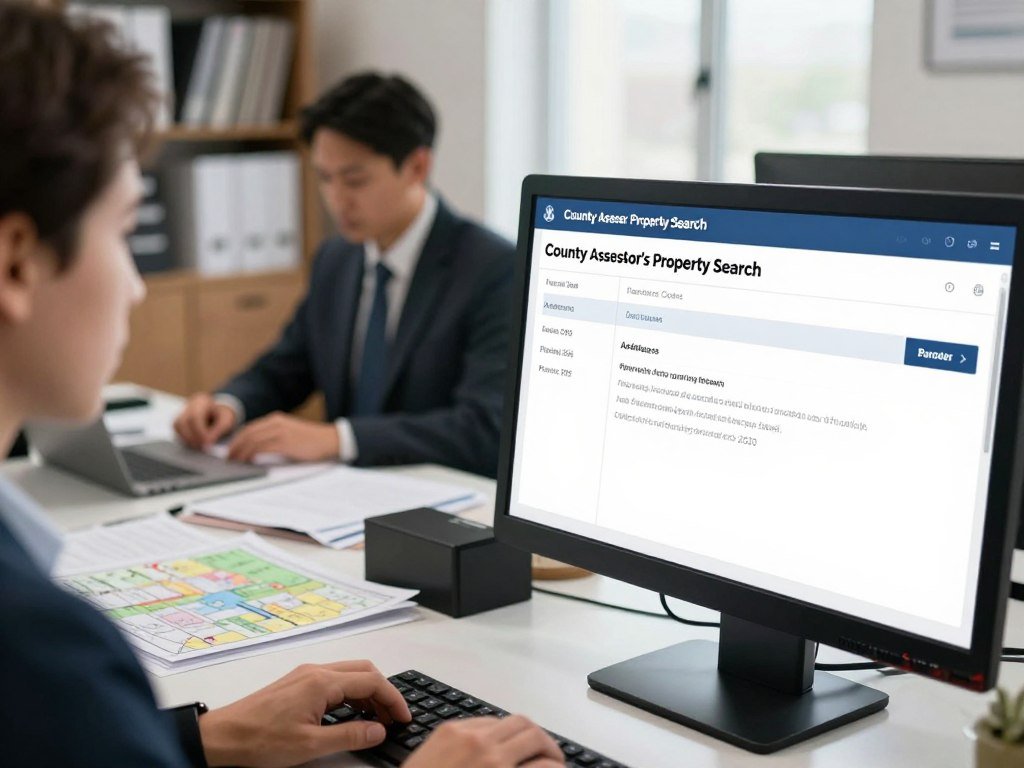
The fastest online starting point is usually the county assessor’s property search, using the street address or parcel number. The assessor record can show an owner name, tax details, and other property details. Use the county’s official government site for the most direct search.
Check the date beside an owner name before relying on it as current.
Find the County Assessor’s Property Search
Office names vary by county, so look for the county assessor or tax office through its official government website. Search for the county name and assessor, then check that the site belongs to local government. You can also type a known website address directly into your browser’s address bar; learn how the browser address bar works before entering sensitive details.
Some counties call the assessor’s office a tax assessor or property appraiser. Assessors value real and personal property, while tax commissioners may collect ad valorem taxes, meaning taxes based on assessed value. Those duties can sit in separate offices.
Search by Address or Parcel Number
Enter the street address or parcel number, then review the result for the owner name and property details. Some portals also accept an owner name, show a GIS parcel map, or offer a delinquent-tax search. Local units may update owner names and mailing addresses at different times.
- Identify the county where the land sits.
- Open its official assessor or tax-office site.
- Search by street address or parcel number.
- Check the owner-name update date, or contact the local unit if results look stale.
Some sites place the tax search in a separate portal from the assessor’s property search. If the portal shows an owner-name update date, check it before treating the displayed name as current.
How Deeds Reveal Legal Ownership
A recorded deed is the key document for checking who received a property in a transfer. The county recorder, recorder of deeds, or county clerk keeps recorded land documents, though office names differ by location. The deed names the parties and records the transfer details.
A recorded deed identifies the grantor and grantee. The grantor is the person or entity transferring property, and the grantee receives it. A tax account may show a name, but the deed provides the record of a transfer.
Read the Recorded Deed and Ownership History
Search the county deed index to find recorded transfers and follow earlier records. Indexes commonly let you search by grantor or grantee, and some also accept a parcel number or document number. Each deed can point to an earlier transfer, helping you build a house ownership history from recorded documents.
Compare the deed’s names and property description with the county property details. A document number can help the recording office locate the full record. The county recorder or clerk may offer online viewing, though the search tools differ across counties.
| Office | Record focus | Common lookup key | Useful for confirming |
|---|---|---|---|
| County assessor | Tax roll and assessed value | Address or parcel number | Name on the tax account |
| County recorder or clerk | Recorded deeds and transfers | Grantor/grantee or document number | Recorded transfer and ownership history |
| Secretary of State | Business filings | LLC or corporation name | Entity registration details |
Check Business Ownership and Deed Copies
If an LLC appears as a grantee, search the Secretary of State business registry for its filings and registered agent. An LLC name may require an entity search, but the registered agent is not necessarily the person who ultimately owns the property.
A copy of a deed to a house usually comes from the county recording office. Online access and copy fees depend on the county, so check its process before requesting paper copies. Some offices let you view a deed online without ordering a copy.
Tax bills and the deed may show different names if local records updated at different times. Treat the deed’s recorded transfer as the evidence of a change in title, rather than assuming a tax-account update proves it.
What Property Records Do Not Confirm
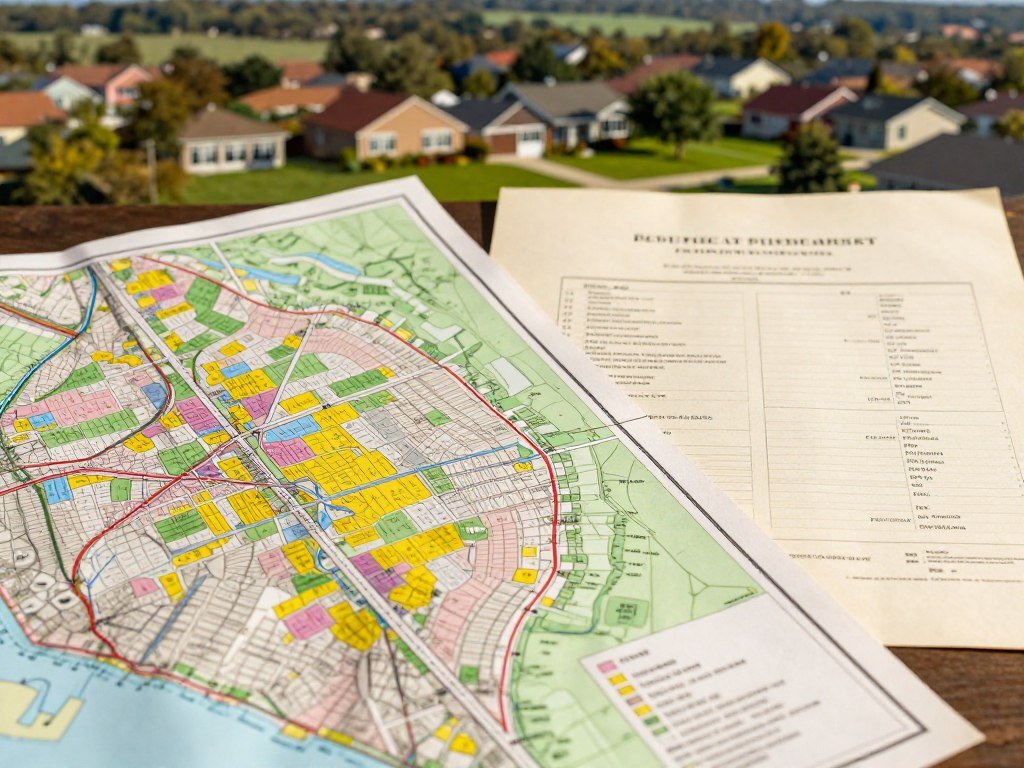
A tax account or GIS map can help identify a property, but neither settles every question about legal title or a surveyed boundary. Public records are useful, but access rules and exemptions differ by state and record type. A tax-account name alone does not prove legal title.
A GIS parcel map is not a surveyed boundary, even when it outlines the land clearly.
Indiana’s Access to Public Records Act provides access to many government records, subject to exemptions. Not every government record is open. A property survey may be filed with a recorder or land-records office; contact the surveyor or local office if no survey appears online. Property valuation also differs from confirming legal ownership, as shown in this guide to property valuation tools.
- Match the parcel number.
- Compare the owner name with the latest recorded deed.
- Check the deed’s recording date.
- Distinguish an LLC’s registered agent from its owner.
If an Indiana record is withheld, use the agency’s public-records process to ask which access rule applies.
Conclusion
Begin with the county property record that matches the address you have. The county assessor is a useful starting point for the owner name and tax details, while a recorded deed is the better check for a transfer.
Keep in mind that a tax account, deed, and survey serve different purposes. A name on one record may not settle every question about the land or its legal title.
Open the official county property search and note the parcel number before looking for the deed. Save the parcel number and use it to locate the latest recorded deed through the county recorder or clerk.
FAQ
Can I check if someone is a home owner?
Yes, you can check county records, but a tax account and a deed show different things. The assessor may list a name tied to the tax account, while a recorded deed is a better way to check a transfer of title. A business such as an LLC may appear on the deed instead of an individual. The registered agent does not necessarily own the property.
How can you find out who owns a property for free?
County assessor and recorder searches are often free online. The assessor’s site may show the name on the tax account, while the recorder’s index can help you find a deed. Viewing a record online may cost nothing, but a copy or another service can carry a fee. Check the county office’s rules before placing an order.
Are property records public in Indiana?
Many ownership and tax records in Indiana are public, but exemptions and confidentiality rules limit access to some records. The state’s Access to Public Records Act covers many government records, not every record. A county office can explain how to request a record and which rule applies if it withholds access. Online viewing may also differ by office.
How can I see who owns a property in Indiana?
Search the county assessor by address or parcel number, then check the recorded deed with the county recorder or clerk. The assessor’s record can show the name on the tax account. The deed is a stronger record of a transfer and names the grantor and grantee. You can usually find these county offices through the county’s official government website.
How do I find free public records in Indiana?
Start with the official county assessor and recorder sites, where online viewing may be free. Search the assessor’s property records for an address or parcel number, then use the recorder’s index to find land documents. A county may charge for copies or other services, even when it lets you view records online. Fees and access options vary by county.
How to search public records without paying?
Use official government portals to view records online, or ask whether the office lets you inspect records in person. County assessor and recorder sites often provide public property information without a viewing fee. Copies, certified documents, and some search services may still cost money. Read the county office’s instructions so you know whether a fee applies to the service you need.
Is Indiana an open records state?
Yes, Indiana has a public records law, but access depends on the record and any legal exemptions. Many property ownership and tax records are public, while some government records remain confidential or restricted. If a county office denies a request, use its public-records process to ask which access rule applies. A public-records law does not make every record available.