
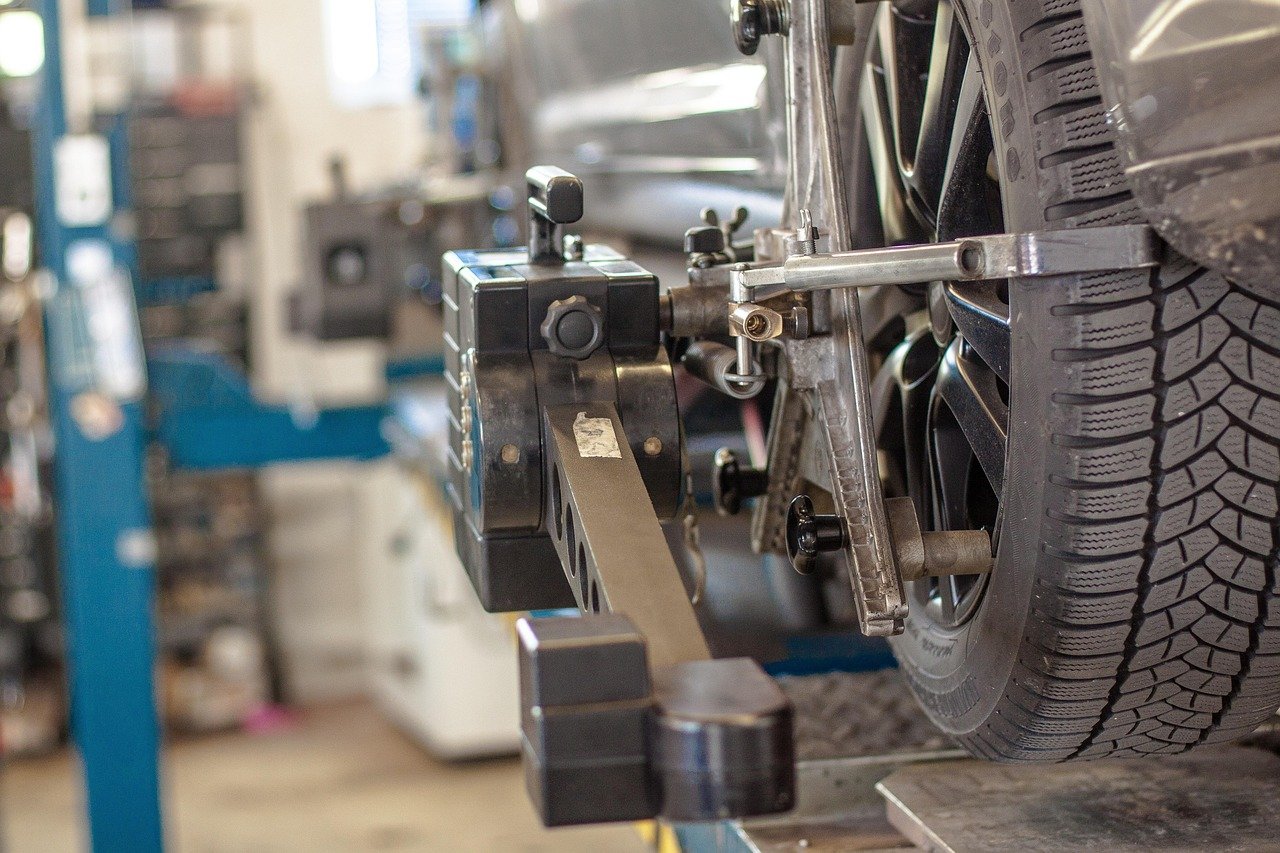
What happens when the mechanic gives you a number you can’t pay, but your job, your kids’ school, and your whole daily routine depend on that car? It’s one of the most stressful money moments a person can face. A survey by the Federal Reserve has repeatedly found that roughly a third of adults say they couldn’t cover a $400 emergency with cash. A transmission repair or a brake job can blow past that number without blinking.
The good news is that there are more paths forward than most people realize. Some cost nothing. Some cost less than you’d think. And a few look helpful but quietly make things worse. Here’s how to think through the whole situation, from the cheapest fixes to the ones you should approach with real caution.
Before You Panic, Get the Real Diagnosis
The first mistake people make is assuming the worst. A grinding noise doesn’t always mean a new transmission. Sometimes it means a worn brake pad, a loose heat shield, or low fluid. Before you accept a four-figure quote, ask for a written estimate that breaks down parts and labor separately.
A second opinion is almost always free or cheap. Many shops charge a diagnostic fee, but some apply it to the repair if you go ahead. Call two or three independent shops and describe the symptoms. You’ll quickly learn whether the price is in the normal range or way out of line.
Also ask the shop to rank the repairs. Some things are safety-critical and must happen now, like brakes or tires. Others can wait a few months. A good mechanic will tell you which is which if you ask directly. If they won’t, that’s a sign to walk.
Free Repairs You Might Be Missing
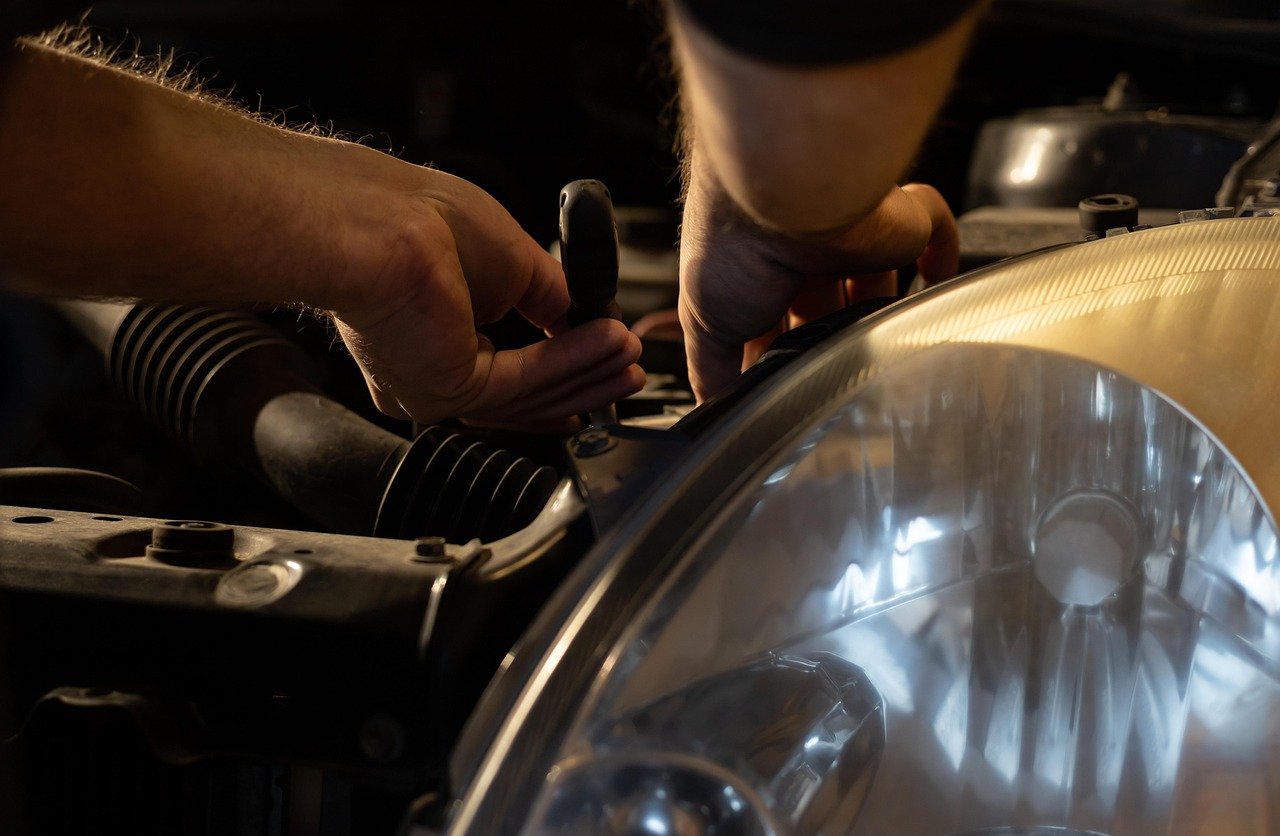
Some of the most expensive-sounding repairs are actually free, and most drivers never check.
Safety recalls
If your car has an open safety recall, the manufacturer must fix it at no charge, by law. Owners can look up recalls by vehicle identification number through the National Highway Traffic Safety Administration’s official recall lookup tool. People have had entire components replaced for free because they checked a recall they’d never heard about. It takes about two minutes and costs nothing.
Warranty coverage
Newer used cars often still carry a powertrain warranty, even if you bought them secondhand. Check your paperwork or call a dealer with your VIN. Federal law also limits some warranty games: the Magnuson-Moss Warranty Act restricts manufacturers from voiding your warranty just because you used an independent shop or aftermarket parts. The FTC publishes a plain overview of the Magnuson-Moss Warranty Act if you want to understand your rights before a dealer tells you otherwise. (Auto loans: Consumer Financial Protection Bureau overview)
Dealership goodwill programs
Manufacturers do not advertise it, but they sometimes cover part of a repair just outside warranty as a “goodwill” gesture, especially for known defects. Call the corporate customer service line in addition to the local dealer, and ask politely whether any assistance is available. Asking costs nothing.
Low-Cost and Payment-Friendly Repair Routes
When the repair genuinely costs money, the goal shifts to spreading or shrinking the bill.
Ask about payment plans directly
Many independent shops now offer installment plans through third-party lenders. The interest rates aren’t always great, but they beat a title loan. Ask before you assume you can’t afford it. Some shops also offer a small discount for cash or for leaving the car for a few days during a slow period.
Trade labor for a discount
Small shops sometimes knock money off the bill for help with cleanup, moving cars, or simple tasks. It’s not common, but it happens more than people think, especially at family-run garages. It never hurts to ask the owner directly.
Community and nonprofit help
Emergency car repair assistance exists, but it’s fragmented and local. Community action agencies, funded in part through the federal Community Services Block Grant, often administer local hardship programs, and some churches and charities run car repair ministries. The Community Services Block Grant program page explains how these local agencies are funded and what they do. Call 211 or your local community action agency and ask specifically about emergency transportation or car repair help. Availability varies a lot by zip code, so persistence matters.
Vocational and technical schools
Auto repair programs at community colleges and technical schools often do repairs at steep discounts because students do the work under supervision. You supply the parts, they supply the labor. It takes longer, but the savings can be huge for non-urgent jobs.
What to Do When the Car Is Totaled or Beyond Saving
Sometimes the honest answer is that the repair costs more than the car is worth. In that case, spending $3,000 to keep a $2,000 car alive is a bad trade. That’s when it makes sense to look at used car deals rather than pouring money into a sinking ship. A cheap, reliable commuter can sometimes cost less than one major repair.
If you’re shopping under pressure, it’s worth knowing how seasonal sales work so you don’t overpay. Understanding Black Friday car deals can help you time a purchase and avoid panic-buying the first thing on the lot.
The Options That Look Helpful but Often Aren’t
This is the part nobody warns you about, and it matters most.
Title loans and payday loans
A title loan uses your car as collateral. If you can’t repay, you lose the vehicle, which defeats the entire purpose of fixing it. The Consumer Financial Protection Bureau has consumer guidance on short-term and vehicle-title loans that lays out the real costs. Annual percentage rates on these products can climb into the triple digits, and state rules vary wildly. They are a last resort, not a first one. (Vehicle insurance)
“We fix it, you pay later” schemes with vague terms
Some outfits offer to repair now and finance later with terms buried in fine print. Read every line. If the total cost with fees is more than double the cash price, walk away.
Gift card payment requests
If anyone claiming to help with your repair asks to be paid in gift cards, it’s a scam, full stop. No legitimate mechanic, charity, or lender works that way. Once gift card codes are shared, the money is essentially gone, which is why gift card scam victims rarely get their money back. This is one of the most common ways desperate people get burned.
Protecting Yourself From Repair Fraud
Desperation makes people easy targets. A few habits keep you safe.
- Get every estimate in writing before work starts.
- Ask for the old parts back. Shops that resist are a red flag.
- Never pay the full amount upfront for a repair you haven’t seen completed.
- Check your state’s consumer protection office if a shop behaves badly. Every state has one, and complaints are free to file.
- Photograph your car before dropping it off, including the odometer.
If a repair bill feels inflated, you can also ask for a breakdown of labor hours against the standard “book time” for that job. Shops use published labor guides, and an honest shop will show you.
Rethinking the Whole Problem: Do You Need This Car Fixed?
Sometimes the smartest financial move isn’t fixing the car at all. Ask hard questions.
| Situation | Often the better move |
|---|---|
| Repair costs more than the car’s value | Consider replacing it |
| You only drive a few miles a week | Use transit, bike, or rideshare temporarily |
| Repair is non-safety and cosmetic | Defer it and save up |
| You have a second vehicle | Use it while you save |
| Repair is safety-critical | Fix it now, cut elsewhere |
A temporary bus pass or carpool arrangement can buy you weeks to save for a proper repair instead of taking a terrible loan. It’s uncomfortable, but it’s often the difference between a two-week inconvenience and a year of debt.
Building a Small Repair Fund So This Doesn’t Happen Again
Once the crisis passes, the goal is to never be here again. Even $25 a week adds up to $1,300 in a year, which covers most common repairs. Keep it in a separate account you don’t touch for anything else. Cars are predictable in one way: they will break. The only question is when.
It also helps to stay ahead of maintenance. Cheap oil changes and brake checks prevent expensive failures later. If you’re weighing costs across your whole household budget, it’s worth understanding what you actually spend on connectivity and services, too. A realistic look at how much internet speed you actually need can free up $20 or $30 a month that goes straight into the repair fund.
When to Ask for Help Without Shame
Asking for help is uncomfortable, but it’s also normal. Millions of people face the same wall every year. Family, friends, employers, and faith communities often help when asked directly and specifically. “I need $600 for brakes by Friday, and I can pay you back $100 a month” lands far better than a vague request.
Employers sometimes offer paycheck advances or emergency assistance funds. Unions and professional associations do too. These aren’t charity; they’re benefits you may already be entitled to.
Conclusion
Needing a car repair with no money feels like a dead end, but it rarely is. Start with the free options: recall checks, warranty coverage, and goodwill programs. Then get a real diagnosis and a second opinion before you accept any quote. Look into local assistance, payment plans, and school repair programs. And treat title loans, payday loans, and anything involving gift cards with serious suspicion, because those are the paths that turn a bad month into a bad year.
The most important shift is mental. A repair isn’t a moral failure or a sign you’ve done something wrong. It’s a predictable cost of owning a machine that wears out. Handle it with clear eyes, ask more questions than feels comfortable, and protect yourself from the predators who count on panic. Then start that small repair fund, so the next breakdown is an annoyance instead of an emergency.
FAQ
What can I do if I can’t afford a car repair at all?
Start with free options first. Check for open safety recalls by VIN, confirm whether any warranty still applies, and call the manufacturer about goodwill assistance. Then get a second opinion and ask the shop to separate must-do safety repairs from ones that can wait. Local community action agencies and charities sometimes offer emergency repair help, though availability varies by area.
Are title loans a good way to pay for car repairs?
Usually not. Title loans use your car as collateral, so failing to repay means losing the vehicle you were trying to fix. Rates can be extremely high, and rules vary by state. They should be a last resort after every other option, including payment plans, assistance programs, and temporary alternatives like transit.
How do I know if a repair quote is fair?
Ask for a written estimate that separates parts and labor, and get two or three quotes from independent shops. Ask whether the diagnostic fee is applied to the repair. You can also request the labor hours compared to the standard book time for the job. A shop that won’t explain its pricing is a shop to avoid.
Can a recall fix my car for free even if I’m not the original owner?
Yes. Safety recalls apply to the vehicle, not the owner, and manufacturers must perform the remedy at no charge. Look up your VIN with the official recall tool, then contact a dealer to schedule the work. This is one of the most overlooked free repair paths available.
What are the warning signs of a car repair scam?
Watch for demands for full payment upfront, refusal to return old parts, pressure to decide immediately, and any request to pay with gift cards. Vague financing terms with fees buried in fine print are another red flag. Always get the estimate in writing and keep records of everything.
Should I fix an old car or replace it?
A common rule of thumb is that if the repair costs more than the car is worth, or more than a year’s worth of payments on a replacement, it’s worth considering a change. But a well-maintained older car with one big repair can still be the cheaper choice. Compare the repair cost against the total cost of replacing the vehicle, rather than the sticker price alone.



