
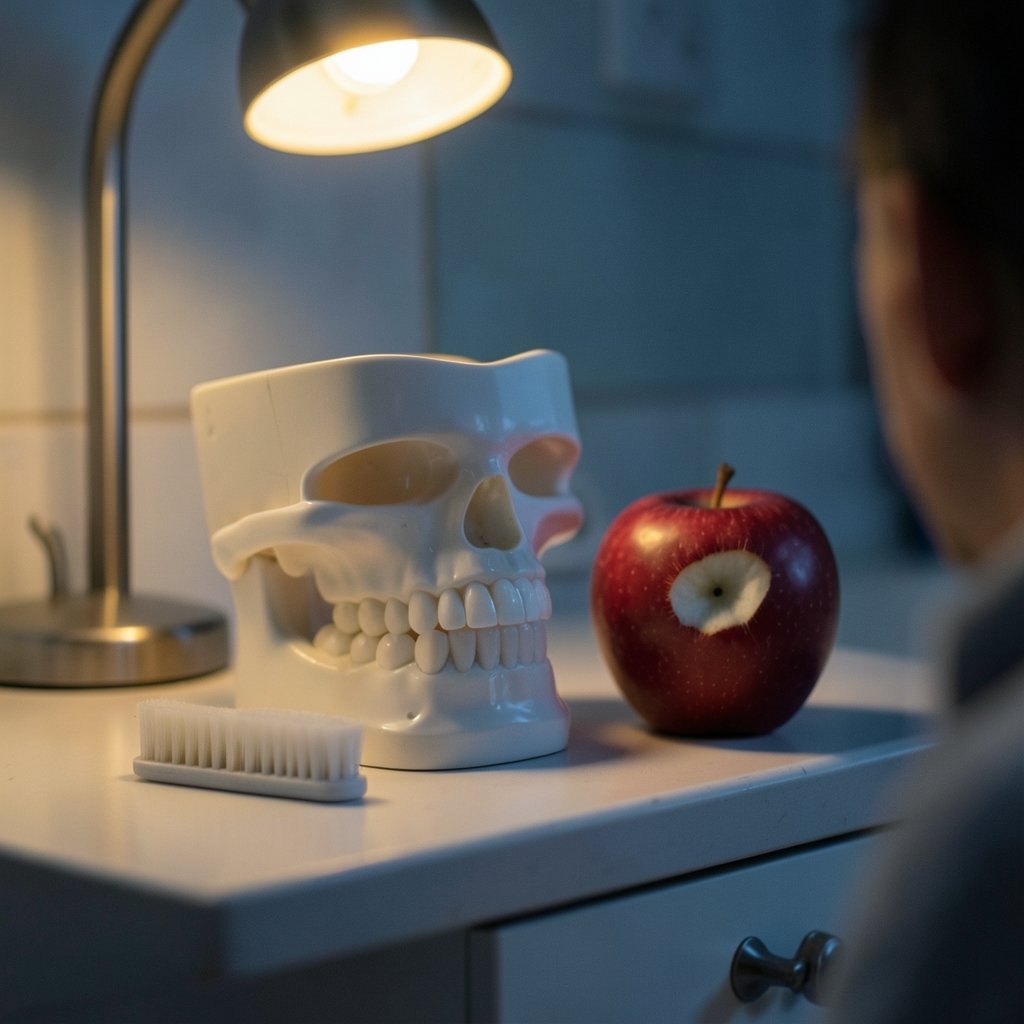
What would you say if someone asked which teeth you use to bite into an apple? Most people would point to their front teeth without hesitating. Those flat, chisel-like teeth at the very front of the mouth are the incisors. They cut food, help shape speech sounds, and guide how the whole jaw closes together; they also affect how the front of the mouth looks in photographs.
Yet incisors are also among the most injured and most overlooked teeth. They take the hit in falls, sports collisions, and everyday wear. Understanding how they develop, what they do, and how to protect them makes a real difference for anyone who wants a healthy mouth for life.
What Are Incisor Teeth?
Incisors are the front teeth in each dental arch, positioned right next to the canines. Most adults have eight permanent incisors: four in the upper jaw and four in the lower jaw. Each quadrant of the mouth holds two of them, a central incisor and a lateral incisor.
Their name comes from the Latin word for “cutting,” which describes their job perfectly. Unlike molars, which crush and grind, incisors have thin, flat edges designed for shearing. They are single-rooted teeth with chisel-shaped crowns, and the upper central incisors are typically the widest of all the front teeth, which is why they dominate most smiles.
The Full Set: Central and Lateral Incisors Explained

The eight incisors are not identical. Each has its own size, shape, and role, and knowing the difference helps make sense of dental charts, orthodontic plans, and injury reports.
| Tooth Type | Location | Typical Feature |
|---|---|---|
| Maxillary central incisors | Upper jaw, front center | Widest and most prominent front teeth |
| Maxillary lateral incisors | Upper jaw, beside the centrals | Slightly narrower, often more varied in shape |
| Mandibular central incisors | Lower jaw, front center | Smallest and most symmetrical teeth in the mouth |
| Mandibular lateral incisors | Lower jaw, beside the centrals | Slightly larger than the lower centrals |
The upper centrals usually draw the most attention because they sit front and center. The lower centrals, by contrast, are small and often overlooked, but they play a key part in cutting food and supporting the lower lip during speech.
Baby Incisors: When They Arrive and Why Timing Matters
The full set of 20 primary (baby) teeth includes eight primary incisors. According to widely used tooth eruption charts, the lower primary central incisors are usually the very first teeth to appear, typically around 6 to 10 months of age. The primary lateral incisors tend to follow at roughly 9 to 16 months.
These ranges are approximate, and eruption timing varies between children and populations. Some babies sprout a first tooth at four months; others wait until their first birthday. Both can be normal. What matters more is the general pattern: lower teeth usually arrive before their upper counterparts, and the front teeth come in before the back ones.
Parents often notice the incisors first for an obvious reason. They are the teeth that show up in early smiles, and they are the ones that get tested on teething rings, spoons, and just about anything a baby can grab.
What Do Incisors Actually Do?
Incisors serve three main jobs, and each one matters in daily life.
Cutting and Shearing Food
The flat edges of the incisors work like scissors. When a person bites into a sandwich, a carrot, or a slice of pizza, the incisors shear off a manageable piece before the tongue moves it back to the canines and premolars for tearing and crushing. Without functional incisors, eating becomes awkward and people often compensate by tearing food with the side teeth.
Shaping Speech
Try saying “the” or “thin” without letting your tongue touch your upper front teeth. It is difficult. Incisors provide the surface the tongue contacts to produce certain sounds, and they also affect the way air flows out of the mouth. Missing or misaligned front teeth can change how words sound, sometimes noticeably.
Guiding the Bite
Dentists use the term anterior guidance to describe how the front teeth control jaw movement. When the jaw slides forward or sideways, the incisors and canines guide it along a smooth path, helping protect the back teeth from excessive sideways forces. This is one reason orthodontists pay close attention to incisor position and overlap when planning treatment.
How Dentists Identify Incisors: Two Numbering Systems
Dental charts can look confusing until you know the systems behind them. Two numbering conventions come up most often.
In the Universal Numbering System, widely used in the United States, permanent teeth are numbered 1 through 32. The upper incisors are teeth 7, 8, 9, and 10, and the lower incisors are 23, 24, 25, and 26. Tooth 8 and tooth 9 are the upper central incisors, the two teeth most people think of as their “front teeth.”
The FDI/ISO 3950 system, used in much of the rest of the world, gives each tooth a two-digit code. The first digit identifies the quadrant and the second identifies the tooth within that quadrant. Incisors occupy positions 1 through 4 in each quadrant under this standard.
If a dental office mentions “tooth 9” or “tooth 21,” the system in use explains the difference. Knowing both makes it easier to follow treatment notes, insurance forms, and referral letters.
Why Incisors Get Injured So Often
Incisors stick out. They are the first point of contact in a fall, a collision on the sports field, or an accidental elbow during a pickup game. The maxillary central incisors are especially vulnerable because of their forward position and prominence.
Common injury patterns include:
- Chips and fractures of the crown edge, often from falls or hard objects
- Displacement or loosening after a direct blow
- Avulsion, where a tooth is knocked completely out of the socket
- Discoloration that appears weeks or months after trauma, signaling nerve damage
Practical prevention works. A well-fitted mouthguard during contact sports dramatically reduces the risk of front-tooth injuries, and it is one of the simplest protective steps a person can take. For children learning to walk, childproofing sharp furniture edges helps too, since toddlers frequently fall mouth-first.
What to Do in the First Minutes After a Dental Injury
- Stay calm and locate the tooth or tooth fragment.
- If a permanent tooth is knocked out, handle it by the crown, never the root.
- Rinse it gently with saline or milk, not scrubbing.
- Try to reinsert it into the socket if possible, or keep it in milk and get to a dentist immediately.
- For a chipped tooth, save the fragment in milk or saline and call the dental office the same day.
Baby teeth are a different matter. A knocked-out primary tooth is generally not reimplanted, because doing so can damage the developing permanent tooth beneath it. A dentist should still evaluate the area.
Wear, Erosion, and Decay: The Quiet Threats
Trauma gets the headlines, but everyday damage to incisors is often gradual. Three problems show up again and again in dental practice.
Dental erosion happens when acid dissolves tooth enamel. Frequent soda, citrus, and acidic drinks, along with conditions like acid reflux, can thin the enamel on the front teeth. Early signs include a smooth, glassy appearance and slight transparency at the biting edges. Once enamel is gone, it does not grow back, so prevention matters more than repair.
Caries (cavities) can affect incisors, particularly along the gumline and between the teeth. In young children, frequent bottles of sugary drinks or prolonged pacifier use with sweet substances can contribute to early decay on the upper front teeth.
Attrition and abrasion come from wear. Nail biting, opening packages with the teeth, and grinding habits all take a toll on the thin incisal edges. Over years, the front teeth can look shorter and flatter than they once did.
What actually works in practice is unglamorous but effective: limiting acidic drinks, rinsing with water after acidic foods, using fluoride toothpaste, and getting regular checkups. Small habits compound over decades.
Crooked, Gapped, and Crowded Incisors
Incisor alignment is one of the most common reasons people seek orthodontic care. Spacing between the upper centrals, sometimes called a diastema, is common and often harmless, though some people choose to close it for cosmetic reasons. Crowding can cause incisors to overlap or rotate, which makes cleaning harder and can affect the bite.
Alignment also has a functional side. When the upper incisors protrude far ahead of the lower ones, the risk of trauma rises because the front teeth are more exposed. Orthodontic treatment that reduces this protrusion can lower injury risk and improve appearance.
For adults considering treatment, the options have expanded considerably. Clear aligners and ceramic brackets offer less visible alternatives to traditional metal braces, and many adults now straighten their incisors without anyone noticing.
Incisors Across the Animal Kingdom
Human incisors are relatively modest, but in other mammals they are spectacularly specialized. Rodents have incisors that grow continuously throughout life, which is why beavers can gnaw through trees and why pet rats need chew toys to wear their teeth down. Elephants use elongated upper incisors as tusks. Some whales have incisor-like teeth adapted for gripping prey.
This variety highlights a basic principle of anatomy: tooth shape follows function. Human incisors are built for a mixed diet and for speech, which is why they are flat, relatively small, and positioned to meet precisely when the jaw closes.
Caring for Your Incisors: Practical Habits That Help
Good incisor care does not require exotic products. It requires consistency and a bit of awareness.
Brush gently along the gumline. The front teeth are easy to brush too hard, especially with a stiff brush. A soft-bristled brush and light pressure protect both enamel and gums.
Do not use incisors as tools. Opening bottles, tearing tape, and biting thread all invite chips and fractures. Scissors and bottle openers exist for a reason.
Wear a mouthguard for sports. This applies to basketball, soccer, skateboarding, and any activity with a risk of facial contact. Custom-fitted guards offer better protection and comfort than boil-and-bite versions.
Address acid exposure. If reflux or frequent acidic drinks are part of daily life, rinsing with water afterward and waiting before brushing helps limit enamel loss.
See a dentist after any injury. Even a tooth that looks fine after a bump can develop problems later. A quick exam and possibly an X-ray can catch issues early.
For anyone managing ongoing dental care, resources such as OCCCy can help organize appointments and keep track of treatment history, which is especially useful when injuries or orthodontic work span multiple providers.
Conclusion
Incisor teeth are small in number but large in impact. They cut food, shape speech, guide the bite, and define the smile. They also take more than their share of knocks, from playground falls to sports collisions to years of acidic drinks and nail biting.
The good news is that most incisor problems are preventable or manageable. Knowing the difference between central and lateral incisors, understanding eruption timing for children, recognizing the signs of erosion, and acting quickly after an injury all add up to healthier front teeth. Whether the concern is a chipped edge, a gap between the centrals, or a toddler’s first tooth, informed action beats waiting and hoping. A dentist can assess what is happening and recommend the right step, and the earlier that conversation happens, the more options remain open.
Frequently Asked Questions
How many incisor teeth do adults have?
Most adults have eight permanent incisors: four upper and four lower. Each jaw has two central incisors in the middle and two lateral incisors beside them. Children have eight primary incisors as part of their 20 baby teeth, which are later replaced by the permanent set.
Which teeth are the incisors in dental numbering?
In the Universal Numbering System used in the United States, the upper incisors are teeth 7, 8, 9, and 10, while the lower incisors are teeth 23, 24, 25, and 26. In the FDI/ISO 3950 system, incisors occupy positions 1 through 4 within each quadrant.
When do baby incisors usually come in?
Lower primary central incisors typically appear around 6 to 10 months of age, with primary lateral incisors following at roughly 9 to 16 months. These ranges are approximate. Timing varies widely between children, and a first tooth anytime in the first year is generally considered normal.
Why are incisors so easily injured?
Incisors sit at the very front of the mouth, so they absorb the first impact in falls, sports collisions, and accidents. The upper central incisors are especially exposed. A well-fitted mouthguard during contact sports is one of the most effective ways to reduce the risk of chips, fractures, and knocked-out teeth.
Can worn or eroded incisors be repaired?
Yes. Dentists can restore worn or eroded incisors with bonding, veneers, or crowns, depending on how much tooth structure remains. Repair works best when the cause is addressed too, such as reducing acidic drinks or treating reflux, so the restored surfaces are not worn away again.
What should someone do if an incisor is knocked out?
Handle the tooth by the crown, not the root. Rinse it gently with saline or milk, try to place it back in the socket, and get to a dentist immediately. If reinsertion is not possible, keep the tooth in milk. Time matters greatly, so calling the dental office on the way is a smart move.



