
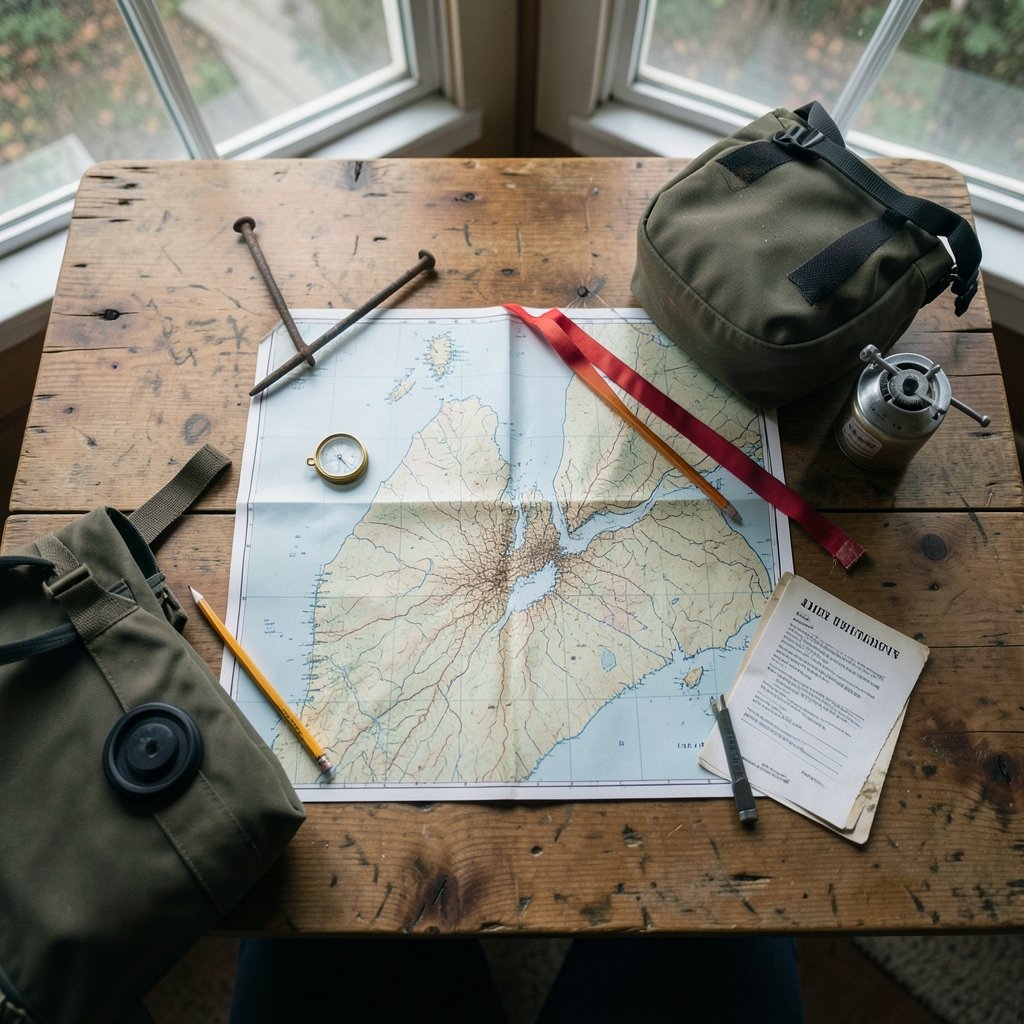
Is there anything more deflating than mapping out a dream Lake Superior paddling trip, only to learn the campsite you pinned your whole route on might be closed? Isle Royale National Park rewards the planners and punishes the procrastinators, and that gap gets wider every season. If a 2027 trip to Isle Royale is on the table, the smartest move is to understand how campsite closures actually work, where the official word comes from, and how to build a route that survives a surprise “closed” sign.
This guide breaks down what travelers can realistically expect, how the National Park Service (NPS) communicates closures, and the practical habits that separate a smooth trip from a frustrating one. No hype, no invented dates. Just the honest lay of the land.
Why campsite closures happen on Isle Royale at all
Isle Royale is a wilderness park in the truest sense. There are no roads, no vehicles, and no drive-up campgrounds. Every camper arrives by boat or seaplane, and every overnight stay happens at a designated site under a permit system. That tight structure is exactly why a single closure ripples through an entire itinerary.
Closures tend to fall into a handful of buckets:
- Resource damage. Heavy use can compact soil, erode shorelines, or damage fragile vegetation. A site sometimes needs to rest and recover.
- Wildlife management. The park is famous for its wolf and moose study, one of the longest-running predator-prey research efforts in the world. Research areas and sensitive zones can affect where camping is allowed.
- Hazard trees and storm damage. Lake Superior weather is no joke. Windthrow and standing dead trees near shelters or tent pads create real safety risks.
- Infrastructure work. Docks, shelters, and outhouse structures age. Repairs can temporarily take a site off the board.
- Seasonal operations. The park typically closes to overnight use in winter and reopens in spring, and specific dates shift from year to year.
Here’s the honest part: there is no verified, published list of 2027-specific campsite closures available right now. The NPS often posts next-season details in late winter or early spring, which means anyone claiming to have the definitive 2027 closure list today is guessing. What a smart traveler can do is learn the system so that when the list drops, they’re ready.
Where the official word actually comes from
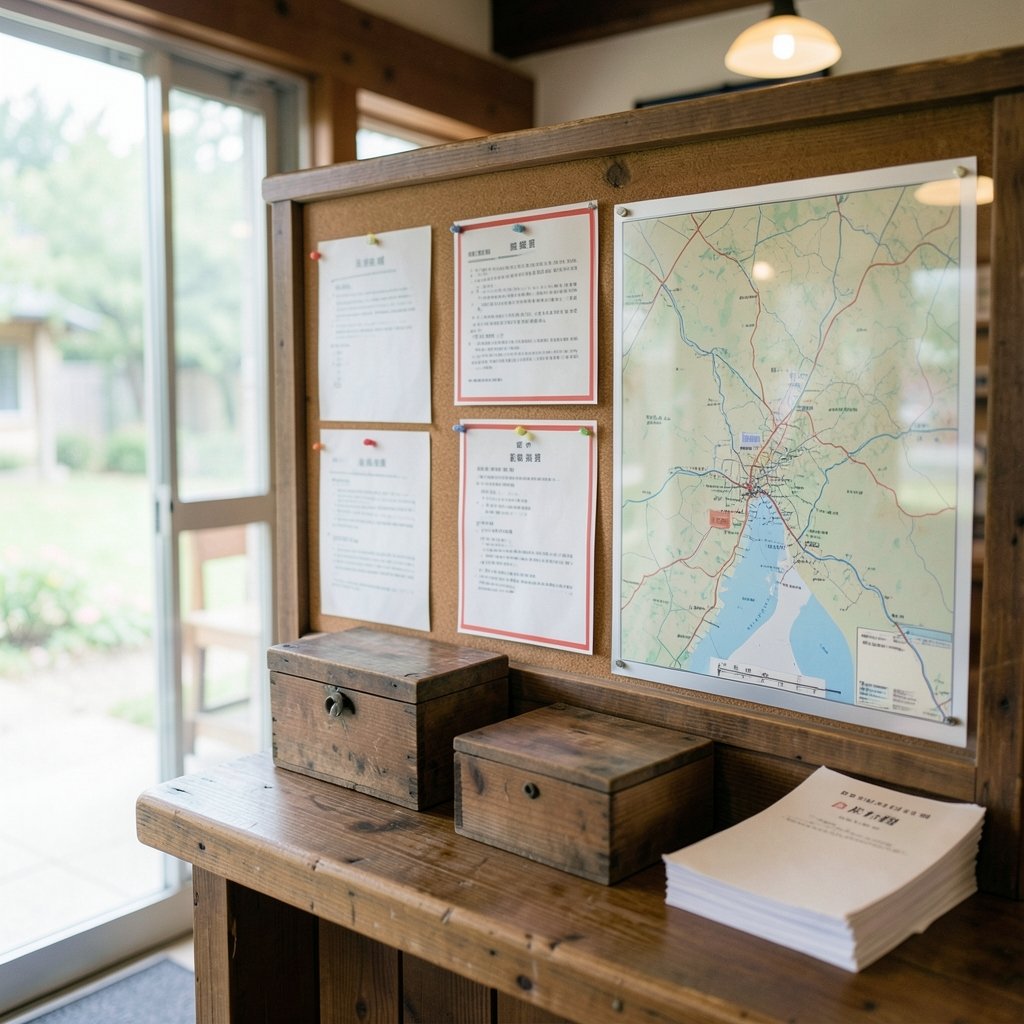
This is the single most important habit to build. Closures are not announced on social media first, and they are not reliably captured by third-party trip-planning apps. The authoritative source is the NPS itself.
The park maintains an official homepage and a conditions or alerts page where closures to trails, campgrounds, docks, and shelters get posted. The park’s camping and permit page carries the rules, capacity limits, and site lists. And the Superintendent’s Compendium holds the codified park-specific regulations that get updated periodically.
A practical routine for anyone planning a 2027 trip:
- Bookmark the park’s official conditions page and check it at the start of every planning session.
- Read the current Superintendent’s Compendium for group-size and capacity rules, since those shape which sites can even hold your party.
- Call or email the park directly if a closure affects a site your route depends on. Staff can often suggest an alternative.
- Re-check the conditions page in the two weeks before departure. Late changes happen.
People who skip step four are the ones who show up to a closed dock with a loaded canoe and a bad attitude. Don’t be that paddler.
The permit system is your early-warning radar
Isle Royale runs on permits, and the permit process is quietly one of the best closure-detection tools available. When you build an itinerary through the permit system, you’re working against the park’s current list of usable sites. If a site has been pulled, it typically won’t be offered.
This matters because it forces a planning discipline. Instead of falling in love with one perfect loop, you build a route with flexibility baked in. Seasoned Isle Royale travelers tend to follow a few unwritten rules:
- Always have a backup site in mind for each night, ideally on a different trail or shoreline.
- Avoid single-point-of-failure routes where one closed site strands you with no legal alternative.
- Build in a buffer day on longer trips so a reroute doesn’t cascade into a permit violation.
- Respect capacity limits. A site capped at a small number of parties can’t absorb overflow from a closed neighbor, so plan for that reality.
The permit system isn’t bureaucracy for its own sake. It’s what keeps a fragile island from being loved to death, and it’s also the mechanism that tells you, in real time, what’s open.
What closures mean for different types of trips
Not every closure hits every traveler the same way. A day-tripper from Grand Portage barely notices. A seven-day through-hiker might have to rebuild their entire plan.
| Trip type | Impact of a campsite closure | Best mitigation |
|---|---|---|
| Day trip from Minnesota shore | Minimal; no overnight site needed | None required |
| Short 2-3 night basecamp | Moderate; may need a different site or area | Choose an area with multiple nearby sites |
| Through-hike or paddle loop | High; a single closure can break the route | Build alternate legs and a buffer day |
| Group trip | High; capacity limits shrink options fast | Confirm group-size rules early and book flexibly |
| Guided or outfitted trip | Low to moderate; operators track conditions | Ask your outfitter how they handle reroutes |
The through-trip category deserves extra attention. On a linear route, a closed site in the middle isn’t an inconvenience, it’s a structural problem. That’s why experienced planners sketch two versions of a long route: the ideal one and the resilient one.
Practical tips that actually work in the field
Plenty of advice sounds good in a blog post and falls apart on a rocky shoreline. These habits hold up.
Carry a paper map and know your alternates. Digital tools fail, batteries die, and cell service on the island is essentially nonexistent. Mark backup sites on paper before you launch.
Talk to other campers and paddlers. Word travels fast on the water. Someone coming the other direction often knows which sites are open, which docks are usable, and where the rangers are steering people.
Check in with rangers at the start. Whether you arrive by ferry or seaplane, the orientation and ranger contact is a chance to confirm current conditions. Ask directly about any site on your list.
Don’t wing it on capacity. A closed site plus a full neighbor is a recipe for a long, tired evening. Know the limits before you commit.
Pack for a plan B dinner. If a reroute adds miles, having a no-cook meal option saves the night. Small thing, big payoff.
Common mistakes that turn a closure into a disaster
The mistakes are remarkably consistent, and most are avoidable with a little foresight.
- Treating a booking as a guarantee. A permit gets you into the park, not onto a specific site forever. Conditions change.
- Planning around a single must-stay site. The one campsite everyone raves about is also the one most likely to be full or closed.
- Ignoring the compendium. Group-size and capacity rules are enforced, and not knowing them can void a plan.
- Assuming last year’s conditions carry over. Every season is its own puzzle. A site open in 2026 tells you nothing certain about 2027.
- Not leaving a float plan. Tell someone ashore your route and expected check-ins, especially if a closure forces a detour.
How to stay flexible without losing the trip you wanted
Flexibility isn’t the enemy of a good itinerary. It’s what protects it. The travelers who have the best Isle Royale trips tend to be the ones who plan hard and hold their plans loosely.
One useful mental model: think in terms of zones rather than sites. If your goal is the northeast shoreline, plan three good options in that zone instead of one perfect site. If your goal is a specific loop, identify the two or three nights where a closure would hurt most and pre-solve those with alternates. This is the same discipline that makes any complex trip resilient, and it’s the approach that separates calm planners from frantic ones.
The park’s strict rules have a reason. Isle Royale is a designated wilderness with fragile habitats and a world-renowned wildlife population. Closures protect both. A site that rests this year is more likely to be there, healthy, for the trip you take in two or three years.
If you’re comparing planning tools and AI assistants to help organize a trip like this, it’s worth knowing where those tools shine and where they fall short. Chatbots can help you brainstorm routes and draft packing lists, but they can’t see live park conditions. For a realistic view of what AI can and can’t do for trip planning, the breakdown of the 10 best ai chatbots gpt 5 claude under the hood in 2027 is a useful reality check. And if your trip doubles as a gear-and-logistics project, exploring 15 ai tools for e-commerce stores in 2027 can spark ideas for organizing supplies and budgets. Just don’t let any tool replace the official park conditions page. (Best ai translation tools 2027 deepl vs chatgpt vs google)
When a closure should make you change plans entirely
Sometimes the right call is to pivot, not patch. If a closure eliminates the only safe route for your skill level, if your group depends on a specific dock for a resupply, or if the reroute adds mileage beyond what your party can handle, a different trip is the honest answer.
That’s not failure. It’s judgment. The park will still be there next season, and a trip built on a shaky foundation is the one people remember for the wrong reasons. A calm decision made at the planning table beats a stressful one made on a windy shoreline.
Conclusion
Isle Royale campsite closures in 2027 aren’t something anyone can hand you a definitive list for today, and that’s the honest truth worth internalizing. What you can control is your relationship with the official information: the park’s conditions page, the permit system, the Superintendent’s Compendium, and a direct line to rangers. Build routes in zones, keep backup sites marked on paper, respect capacity limits, and treat every plan as a draft until you’ve re-checked conditions close to departure. Do that, and a closure becomes a minor detour instead of a ruined trip. The island rewards the prepared, and preparation here is mostly about knowing where to look and being willing to adjust.
Frequently Asked Questions
Are Isle Royale campsite closures for 2027 published yet?
Not reliably. The park typically posts next-season operating details and closures in late winter or early spring, so anyone offering a definitive 2027 list before then is guessing. Check the park’s official conditions page as your planning season begins and again before departure.
Where do I find the official list of closed campsites?
The National Park Service publishes closures on the park’s official conditions or alerts page, with rules and site lists on the camping and permit pages and codified regulations in the Superintendent’s Compendium. These are the authoritative sources, not third-party apps or social media.
Why would a campsite close on Isle Royale?
Common reasons include resource damage from heavy use, wildlife management and research zones, hazard trees and storm damage, infrastructure repairs to docks and shelters, and seasonal winter closures. Each closure protects visitors or the island’s fragile habitats.
Does a closure mean my whole trip is ruined?
Usually not. Most closures can be worked around with a backup site in the same zone or a modest reroute. The trips that suffer are the ones planned around a single must-stay site with no alternates and no buffer day.
How far in advance should I plan a 2027 Isle Royale trip?
Start early, because permits and ferry or seaplane seats fill fast. Begin with the park’s official pages, sketch a route with alternates, and re-check conditions in the final two weeks. Flexibility at the end is what protects all the planning you did at the start.
Can I just show up and find an open site?
No. Isle Royale requires permits for overnight stays, and camping is limited to designated sites with capacity limits. Arriving without a plan risks being turned away or forced into a long, unsafe reroute, especially if a nearby site is closed.



