

What do a baby named Wolfgang Amadeus Mozart, the liberation of the largest Nazi death camp, and the end of America’s combat role in Vietnam all have in common? They share a date: January 27. It is one of the most historically loaded days on the calendar, a date that swings between profound grief and quiet celebration. For most of the world, January 27 is now defined by remembrance. For music lovers, it is a birthday. For students of diplomacy, it marks the signing of a controversial peace. Understanding why this single date carries so much weight requires looking at each layer in turn, and at how the world chose to remember one of them above all the others.
Why January 27 Became a Global Day of Remembrance
On January 27, 1945, Soviet forces reached the Auschwitz-Birkenau complex in German-occupied Poland. The main camp was liberated that day, and soldiers found roughly seven thousand prisoners still alive, many of them gravely ill, left behind as the SS forced tens of thousands of others on death marches westward. The date is treated as the standard moment of liberation, even though accounts vary slightly on the exact timing of operations across the sprawling camp network. That variation is minor and does not change the commemorative weight of the day.
Auschwitz was the largest of the Nazi killing centers, and it has become the central symbol of the Holocaust. The Auschwitz-Birkenau State Museum and the United States Holocaust Memorial Museum both anchor their histories on the January 27, 1945 liberation. For survivors and their families, the date is not abstract. It is the day the machinery stopped.
From Liberation to Official Commemoration
The path from a wartime event to a global observance took six decades. The United Kingdom held its first national Holocaust Memorial Day in 2001, establishing January 27 as an annual occasion for commemoration and education. The Holocaust Memorial Day Trust now runs that work, and its guidance explains that the date was chosen precisely because it marks the Auschwitz liberation.
Four years later, the United Nations General Assembly adopted resolution 60/7 on November 1, 2005. That resolution designated January 27 as the International Day of Commemoration in Memory of the Victims of the Holocaust. It also rejected any denial of the Holocaust as a historical event, whether in full or in part. The resolution turned a European remembrance tradition into a global one, and it gave governments, schools, and institutions a shared date to work from.
How the Day Is Marked in Practice
Commemorations follow a recognizable pattern, and anyone attending one for the first time will notice how consistent the format is across countries:
- Survivor testimony. The centerpiece of most ceremonies is a first-person account. Organizations book speakers months or years in advance because survivor numbers are shrinking.
- Reading of names. Many schools and civic groups read victims’ names aloud, often for hours, to give the dead individual identities rather than a collective number.
- Candle-lighting. Six candles are a common motif, each representing one million victims.
- Educational programming. Museums, libraries, and universities host lectures, film screenings, and workshops aimed at younger audiences.
- National statements. Heads of state and foreign ministries issue remarks, often tying the Holocaust to contemporary commitments against antisemitism and mass atrocities.
A practical tip for teachers: the strongest programming pairs testimony with context. Showing a survivor interview without historical framing can leave students with emotion but no understanding. The reverse is also true. Emotion without facts fades; facts without emotion do not stick.
A common mistake organizers make is treating the date as a single annual checkbox. The most effective programs build toward January 27 over several weeks and follow up afterward, so the learning does not evaporate on January 28.
Mozart’s Birthday and Other January 27 Milestones
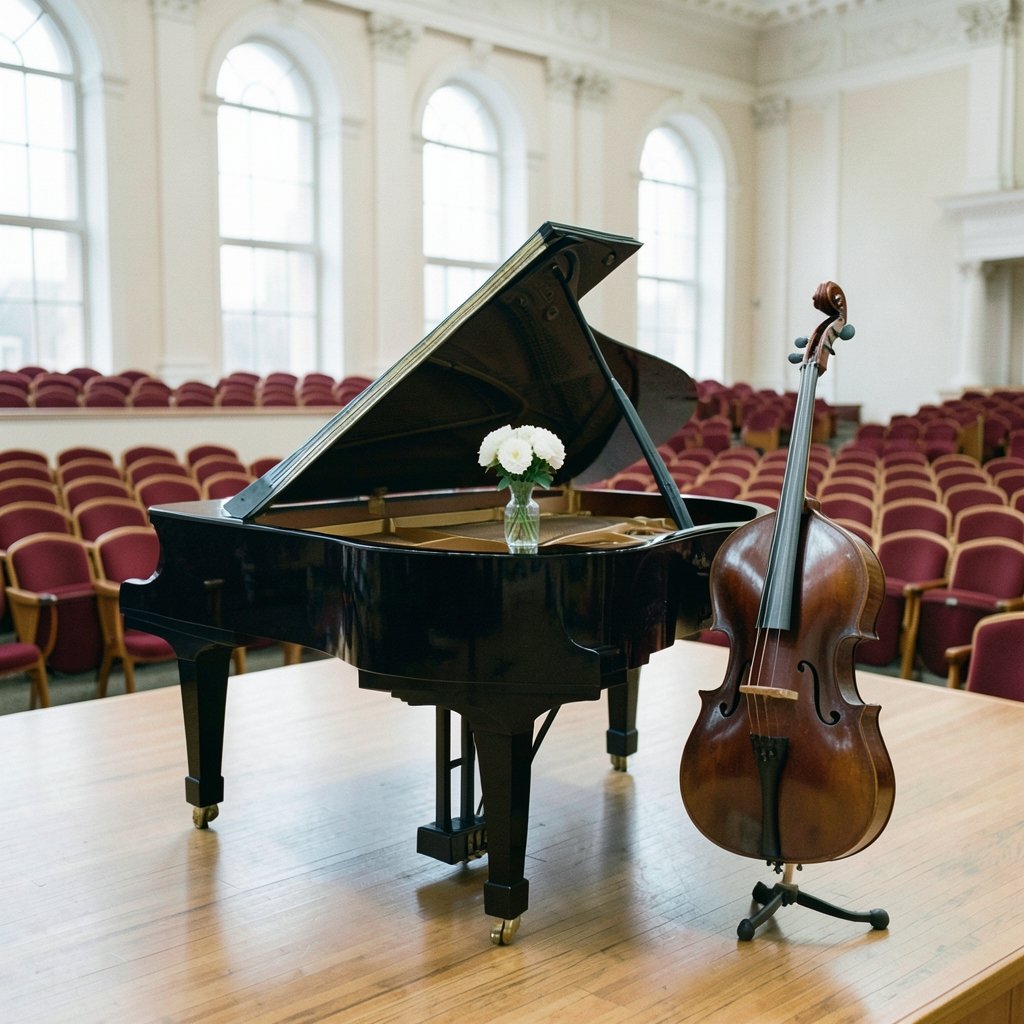
Not everything about January 27 is solemn. On January 27, 1756, Wolfgang Amadeus Mozart was born in Salzburg. The date is celebrated in the classical music world with marathons of his music, birthday concerts, and museum events in Salzburg and Vienna. It is a strange but fitting coincidence that one of humanity’s most celebrated artists shares a birthday with a day of mourning. Some commentators have noted the contrast, though the two observances rarely overlap in practice.
The date also carries diplomatic history. On January 27, 1973, the Paris Peace Accords were signed, formally ending direct United States involvement in the Vietnam War. The agreement won a Nobel Peace Prize that was famously declined by one of its intended recipients, and it did not bring lasting peace to Vietnam. Fighting continued, and Saigon fell in 1975. Still, the signing date remains a marker in the history of the war and of American foreign policy.
A Quick Reference Table
| Year | Event | Why It Matters |
|---|---|---|
| 1756 | Mozart born in Salzburg | Birthday of a foundational classical composer |
| 1945 | Auschwitz-Birkenau liberated | Basis for international Holocaust remembrance |
| 1973 | Paris Peace Accords signed | Ended direct US combat involvement in Vietnam |
| 2001 | First UK Holocaust Memorial Day | Established the date as a national observance |
| 2005 | UN resolution 60/7 adopted | Made January 27 a global commemoration day |
The table is a useful teaching aid, but it also shows the date’s odd range. A birthday, a liberation, and a peace treaty sit side by side. That diversity is exactly why search interest in “Jan-27” spikes every year from people with completely different questions.
What People Get Wrong About January 27
Several misconceptions recur, and correcting them matters for anyone writing, teaching, or speaking about the date.
The first is that January 27 is “Auschwitz Day” alone. It is broader. The UN observance commemorates all victims of the Holocaust, including those killed in the other camps, in ghettos, in mass shootings, and in the death marches. Auschwitz is the anchor because of the liberation date, not the full scope.
The second is that the liberation was a single clean event. In reality it unfolded over hours and days across a vast complex, with the SS having evacuated most prisoners beforehand. The standard date is January 27, but the historical picture is messier than a single timestamp suggests. Writers who want precision should say the camp was liberated on that date without implying every corner of the complex was cleared at once.
The third is that the UN resolution was unanimous in spirit and uncontested in practice. Resolutions are political documents. The 2005 resolution passed, but the years since have seen recurring debates about how countries implement remembrance and whether commemoration has kept pace with rising antisemitism. That tension is part of the story, not a footnote.
There is also a subtler error: assuming remembrance is only for those with a direct connection. Surveys of public knowledge consistently show gaps in basic Holocaust awareness, which is precisely the problem the day exists to address. In practice, the people who get the most from January 27 programming are often those who knew the least going in.
How to Observe January 27 Meaningfully
For readers who want to do more than note the date, a few approaches work better than others.
Attend a local event. Most cities have a commemoration, often at a museum, university, or city hall. These are usually free and open to the public.
Read a survivor memoir. First-person accounts do something no summary can. They restore individual voices to a catastrophe that can otherwise feel like statistics.
Watch a documentary with context. Pair the film with a discussion or a short reading so the emotional impact has somewhere to land.
Talk to young people. Children encounter the Holocaust online, often through unreliable sources. A calm, factual conversation at home or in a classroom does more good than silence.
Avoid spectacle. The date is not a branding opportunity. Organizations that slap a candle graphic on a sales post tend to draw criticism, and rightly so.
For those working in digital or content roles, the annual spike in searches around the date is real. Planning coverage in early January beats scrambling on the day itself. A common trap is publishing a generic explainer that repeats what every other site says. Adding a specific angle, such as local events, a lesser-known milestone, or a practical guide for teachers, is what makes coverage useful rather than filler. The same principle applies to any recurring date-driven topic; the details that separate a strong piece from a weak one are usually in the preparation, much like the planning that goes into coverage of product launch timelines such as the iPhone Duo preorder wait and stock hopes.
The Date in the Wider Calendar
January 27 sits in the deep winter of the Northern Hemisphere, roughly a month after the winter solstice, and it falls in the stretch of the year when many cultures look inward. It is also the feast day of Saint Angela Merici, founder of the Ursulines, in the Catholic calendar. That association is far less prominent than the Holocaust commemoration, and details of her feast day are best checked against a Catholic source if precision matters.
The date’s identity has shifted over time. A century ago, January 27 was chiefly a birthday and a church feast. After 1945, it acquired a gravity it never had before. After 2005, it became institutionalized worldwide. That layering is a reminder that calendar dates are not fixed in meaning. Societies assign weight to them, and the assignment can change within a generation.
For anyone comparing how different sources handle the same date, the lesson from January 27 is that context is everything. A bare date is neutral; the events attached to it are not. The same is true of how information is presented more broadly, whether the subject is a historical anniversary or a technical comparison where Ollama, LM Studio, and Jan output quality get judged side by side. Framing shapes conclusions.
Conclusion
January 27 is a date that asks something of the people who notice it. It is not simply a birthday or an anniversary or a treaty date. It is a day the world chose to set aside for memory, and that choice carries obligations. The liberation of Auschwitz on January 27, 1945 gave the date its moral center. The UK’s 2001 observance and the UN’s 2005 resolution gave it structure. Mozart’s birth and the Paris Peace Accords gave it range. Together they make January 27 one of the most layered dates on the calendar, a day that holds grief and celebration in the same twenty-four hours.
The practical takeaway is simple. Mark the date. Attend something, read something, or teach something. Avoid the temptation to treat remembrance as a formality. The historical record is clear enough that the only real question is what each person does with it.
Frequently Asked Questions
Why is January 27 Holocaust Memorial Day?
January 27 marks the liberation of the Auschwitz-Birkenau camp by Soviet forces in 1945. The date was adopted for commemoration because Auschwitz is the central symbol of the Holocaust, and the liberation represents the end of the killing at that site. The UK established its national day in 2001, and the United Nations designated the date internationally in 2005.
What happened on January 27, 1945?
Soviet forces reached the Auschwitz-Birkenau complex, and the main camp was liberated that day. Roughly seven thousand prisoners were found alive, many in critical condition, after the SS had forced most others on death marches. The liberation is treated as occurring on January 27, though operations across the wider complex unfolded over a slightly longer window.
Was Mozart born on January 27?
Yes. Wolfgang Amadeus Mozart was born in Salzburg on January 27, 1756. The date is celebrated with concerts and events in Austria and among classical music organizations worldwide.
What was signed on January 27, 1973?
The Paris Peace Accords were signed on January 27, 1973, formally ending direct United States involvement in the Vietnam War. The agreement did not end fighting in Vietnam itself, and Saigon fell two years later. The signing date remains a landmark in the history of the war.
Is January 27 a public holiday?
No. January 27 is an observance, not a public holiday, in most countries. Schools, museums, and government institutions mark it with programming, but businesses and offices generally operate normally. Some organizations hold ceremonies during working hours or in the evening.
How can schools teach January 27 well?
The strongest approach pairs survivor testimony with historical context so students leave with both understanding and empathy. Build toward the date over several weeks, use age-appropriate materials, and follow up afterward so the learning does not end on January 28. Avoid graphic imagery for younger students and focus on individual stories rather than overwhelming statistics.



