
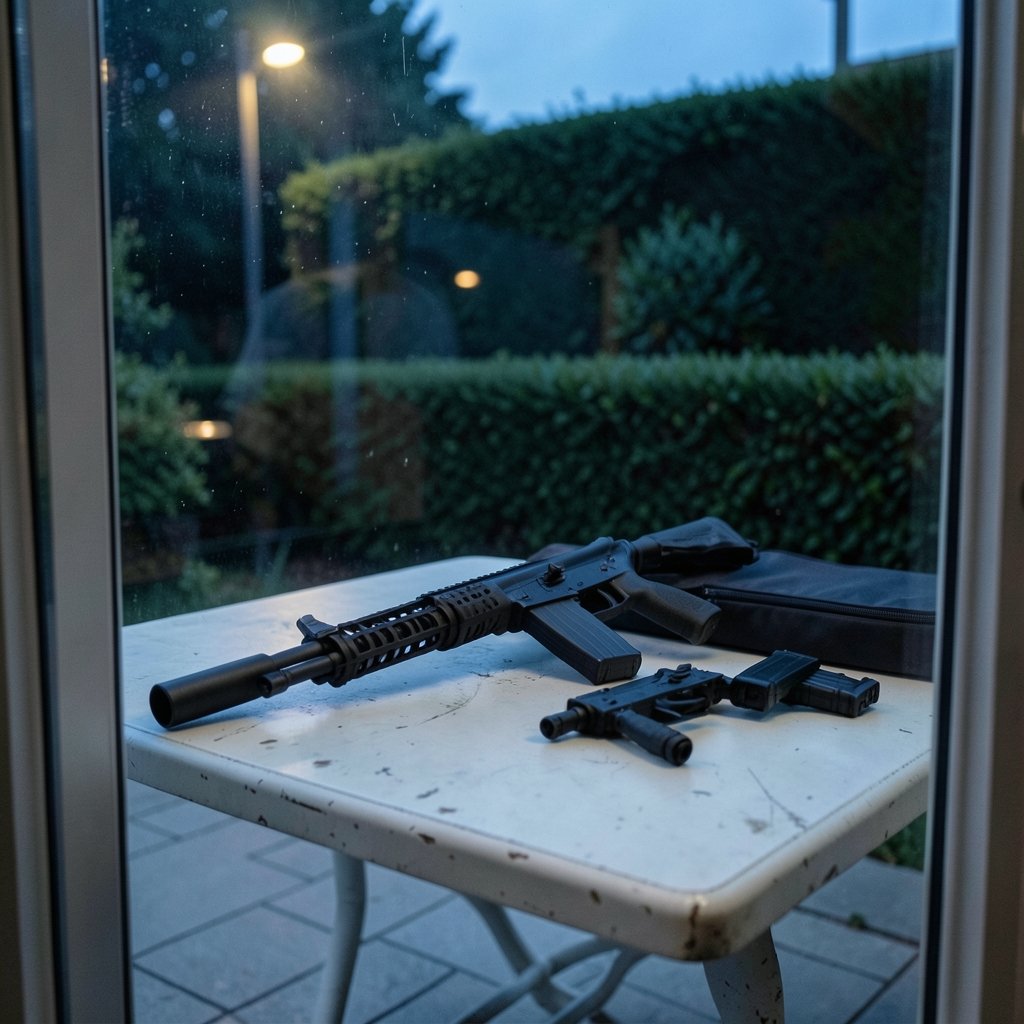
What makes a small Florida machine shop the name that keeps coming up in discussions of American military small arms? That question runs through almost every conversation about Knights Armament Company, usually shortened to KAC. The company is not the biggest firearms manufacturer in the United States, and it does not try to be. It built its reputation on a narrow set of engineering problems: making a semi-automatic rifle reliable enough for combat, making suppressors that reduce sound without wrecking reliability, and making rail and mounting systems that other manufacturers end up copying.
This article looks at what Knights Armament actually makes, where its products came from, how the civilian and military sides of the business differ, and what buyers and enthusiasts should understand before spending serious money on a KAC rifle or suppressor. It stays away from hype and focuses on the practical details that matter.
Where Knights Armament Came From
Knights Armament Company is a US firearms and accessories manufacturer based in Titusville, Florida. It was founded in 1982 by C. Reed Knight Jr. That origin matters more than it might seem. The early 1980s were a transitional period for American small arms. The M16 family had matured, the military was beginning to think harder about modular accessories, and the civilian market for AR-pattern rifles was still small compared with what it would become.
KAC grew out of that environment as an engineering-driven shop rather than a mass-production outfit. The company became known for the SR-25, a semi-automatic rifle chambered in 7.62x51mm NATO, and for the Stoner Rifle (SR) line more broadly. The SR-25 was designed around the Stoner direct-impingement gas system, the same basic operating principle used in the AR-15 and M16 families. That choice was deliberate. It kept the rifle familiar to shooters trained on the AR platform while scaling the design up to a larger, harder-recoiling cartridge.
The company also built a reputation for suppressors and rail systems. In the 1990s and 2000s, mounting accessories to a rifle was often a clumsy, improvised affair. KAC was among the firms that pushed standardized, rigid mounting solutions, and its rail designs influenced how the rest of the industry approached the problem.
The M110 and the Military Connection
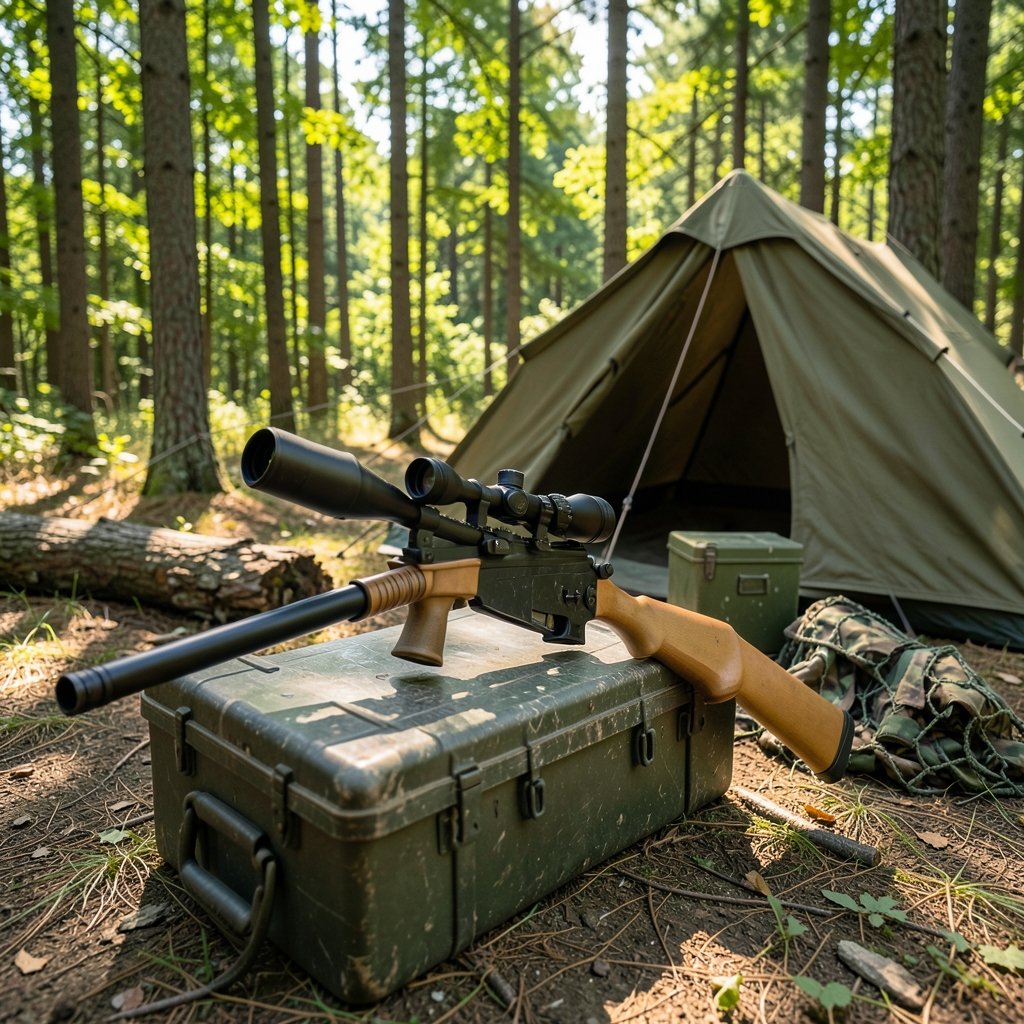
If one product put Knights Armament on the map for a wide audience, it was the M110 Semi-Automatic Sniper System. The M110 is a 7.62x51mm rifle that the US Army adopted around 2007 as part of an effort to replace the bolt-action M24 sniper weapon system. The M110 was built on the SR-25 lineage, which is why the two names get used almost interchangeably in casual conversation.
The logic behind the M110 was straightforward. A bolt-action sniper rifle is precise but slow. A semi-automatic rifle in the same cartridge lets a shooter take follow-up shots faster and carry more ammunition into an engagement. The trade-off is that semi-automatic designs are harder to tune for consistent accuracy and reliability, especially when a suppressor is added and gas pressure changes.
That trade-off is exactly where KAC’s engineering reputation was earned. A suppressed semi-automatic rifle has to manage gas that would otherwise blow back into the shooter’s face or batter the operating parts. Getting that balance right across different ammunition, temperatures, and suppressor configurations is genuinely difficult. The M110 program, whatever its later criticisms, demonstrated that a large-frame semi-automatic rifle could serve in a military sniper role.
It is worth being careful here. Contract dates, exact model designations, and current product lines change over time, and any specific claim about procurement should be checked against primary sources before it is repeated as fact. What is well established is the general shape of the story: a Florida manufacturer, a Stoner-pattern large-frame rifle, and a US Army adoption that made the name familiar far beyond the gun shop.
Military and Civilian Sides of the Business
One of the most common points of confusion about Knights Armament is the gap between its military and civilian offerings. The two are related but not identical, and mixing them up leads to bad expectations.
| Aspect | Military side | Civilian side |
|---|---|---|
| Product focus | Rifles, suppressors, and rails built to contract specifications | Rifles, suppressors, and accessories sold through dealers |
| Configuration | Often fixed by program requirements and unit needs | Varies by model and distributor availability |
| Availability | Controlled by procurement and export rules | Limited by production volume and dealer allocation |
| Pricing | Not publicly comparable to retail | High, and often above the original list price |
| Paperwork | Government contracting and export controls | Standard civilian purchase and, for suppressors, federal registration |
The practical consequence for a civilian buyer is that KAC products are often hard to find and expensive when found. Production runs are limited, military contracts take priority, and demand from collectors and enthusiasts outstrips supply. That scarcity is a real part of the brand’s reputation, and it is worth understanding before setting expectations.
Suppressors add another layer. In the United States, buying a suppressor for civilian use involves federal registration and a waiting period, which varies with administrative processing. Anyone planning a purchase should budget time as well as money, and should confirm current rules rather than relying on older information.
What Actually Matters in Practice
For someone evaluating a Knights Armament rifle or suppressor, the useful questions are not about brand prestige. They are about fit, function, and whether the specific product solves a real problem.
Reliability Under Suppression
The single most important thing KAC is known for is making suppressed rifles run reliably. A suppressor traps expanding gas and changes the pressure curve inside the barrel. On a direct-impingement rifle, that extra gas goes somewhere, and if the system is not tuned, it goes into the shooter’s face and into the action. KAC’s designs address this with gas management and careful port sizing.
In practice, this means a buyer should test a suppressed configuration with the exact ammunition they intend to use. What runs flawlessly with one load can be over-gassed or under-gassed with another. This is not a knock on the product; it is how gas-operated rifles work in general.
Mounting and Rail Systems
KAC’s rail and mounting work is easy to overlook until something fails. A loose optic mount or a rail that shifts under recoil turns a precise rifle into an unpredictable one. Rigid, standardized mounting is one of those unglamorous engineering wins that pays off every time the rifle is used. The same principle applies to any precision setup, whether the accessory is an optic, a light, or a camera. If you have ever dealt with a device that would not stay aligned, the frustration is familiar, and it is the same reason a security camera night vision fails through a window fix it guide exists: mounting and environment matter as much as the hardware itself.
Accuracy Expectations
A large-frame semi-automatic rifle is not a benchrest bolt gun, and it should not be judged as one. Expectations should match the role: consistent hits at practical distances, with follow-up shots available. Shooters who expect one-hole groups from a semi-automatic 7.62mm rifle are usually disappointed, and that disappointment says more about expectations than about the rifle.
Cost and Scarcity
The most common mistake buyers make is treating a KAC purchase like a normal retail transaction. It is not. Availability is inconsistent, prices on the secondary market can run well above retail, and patience is part of the process. Budgeting carefully matters, and the same discipline that helps with a rifle purchase helps elsewhere. Anyone who has tried to stretch a household budget knows the drill, and the tactics in this guide to save money groceries without eating same meal every night apply just as well to saving for a big purchase.
Common Mistakes People Make
A few patterns show up again and again among new KAC owners and enthusiasts.
- Buying for the name alone. The brand is respected for specific engineering strengths. If those strengths do not match the buyer’s actual use, the premium is wasted.
- Skipping the ammunition test. A rifle and suppressor combination must be validated with the specific load in use. Assumptions cause malfunctions.
- Ignoring the paperwork timeline. Suppressor ownership involves registration and waiting. Planning around that is not optional.
- Over-accessorizing. Adding weight and complexity to a precision rifle can hurt more than it helps. Every attachment should earn its place.
- Believing secondary-market prices are normal. Scarcity inflates prices. Waiting for a dealer allocation is often cheaper than buying immediately.
How Knights Armament Compares to the Wider Market
The AR-pattern market is crowded, and KAC sits near the top of the price and engineering ladder. Other manufacturers offer large-frame semi-automatic rifles at lower prices, and many of them work well. The difference tends to show up in refinement: gas management, mounting rigidity, and the small details that matter when a rifle is used hard.
For hobbyists who enjoy working across platforms, the comparison habit carries over. Someone who spends time with emulation software learns quickly that compatibility and controls vary between projects, and the trade-offs in this Mame vs fbneo vs retroarch compatibility controls save files breakdown mirror the firearms world: the “best” option depends entirely on what the user needs it to do.
The Suppressor Question
Suppressors deserve their own attention because they are central to KAC’s identity. A well-designed suppressor reduces sound signature, changes recoil characteristics, and can improve shooter comfort, but it also introduces variables. Gas blowback, point-of-impact shift, and increased maintenance are all part of the package.
Anyone weighing a suppressor purchase should think about the whole system rather than the accessory alone. The rifle, the ammunition, and the can work together or not at all. The same systems thinking applies to home technology: a projector chosen for an outdoor movie night has to match the screen, the light conditions, and the audio setup, which is why a guide on how to choose projector outdoor movie nights that actually looks spends so much time on the surrounding conditions rather than the projector alone.
Conclusion
Knights Armament Company occupies an unusual place in the American firearms world. It is not the largest manufacturer, and it does not chase volume. It built its name on hard engineering problems: making a large-frame semi-automatic rifle reliable, making suppressors that work without breaking the rifle, and making mounting systems rigid enough to trust. The M110 and the SR-25 line are the most visible results, but the underlying discipline is the real story.
For buyers, the practical takeaway is simple. Understand what the brand is actually good at, test the specific rifle and suppressor combination with the ammunition in use, plan for scarcity and paperwork, and keep expectations matched to the role. Done that way, a KAC purchase is a considered investment in a proven design. Done the other way, it is an expensive lesson in hype.
FAQ
What is Knights Armament known for?
Knights Armament Company is best known for the SR-25 semi-automatic rifle, the M110 Semi-Automatic Sniper System adopted by the US Army, and its suppressors and rail systems. Its reputation rests mainly on making large-frame semi-automatic rifles run reliably, including when suppressed.
Is the M110 the same as the SR-25?
They are closely related but not identical. The M110 was built on the SR-25 lineage, and the two names are often used interchangeably in casual discussion. Military configurations differ from civilian models in details, so the terms should not be treated as exact synonyms.
Why are Knights Armament products so expensive and hard to find?
Production volume is limited, military contracts take priority, and civilian demand outstrips supply. That combination pushes retail prices up and creates long waits for dealer allocations. Secondary-market prices often run well above the original retail price.
Does a suppressor change how a rifle shoots?
Yes. A suppressor changes gas pressure, recoil feel, and point of impact, and it can increase carbon buildup in the action. A rifle that runs well unsuppressed may need tuning when suppressed, which is why testing with the exact ammunition in use matters.
Can civilians buy Knights Armament rifles and suppressors?
Yes, subject to the laws where the buyer lives. Rifles are sold through dealers, and suppressors require federal registration and a waiting period in the United States. Rules and processing times change, so current requirements should always be confirmed before purchasing.
What should a first-time buyer check before purchasing?
Confirm the specific model and configuration, verify availability and total cost including fees, plan for registration timelines if a suppressor is involved, and test the rifle and suppressor combination with the ammunition intended for use. Matching the purchase to a real use case matters more than the brand name.



