
What if one bodyweight move could target the muscles most runners, lifters, and weekend athletes neglect until something snaps? That is the promise of the glute ham raise, a posterior-chain exercise that has quietly become a staple in serious strength programs. It looks simple. It is not. Done well, it builds hamstring and glute strength that carries over to sprinting, jumping, and lifting. Done poorly, it turns into a back-arching grind that leaves the hamstrings out of the equation entirely.
This guide breaks down what the glute ham raise actually trains, how it differs from the Nordic curl, how to set up on a glute-ham developer (GHD) bench, and the regressions and progressions that let almost anyone work up to clean reps.
What the Glute Ham Raise Actually Trains
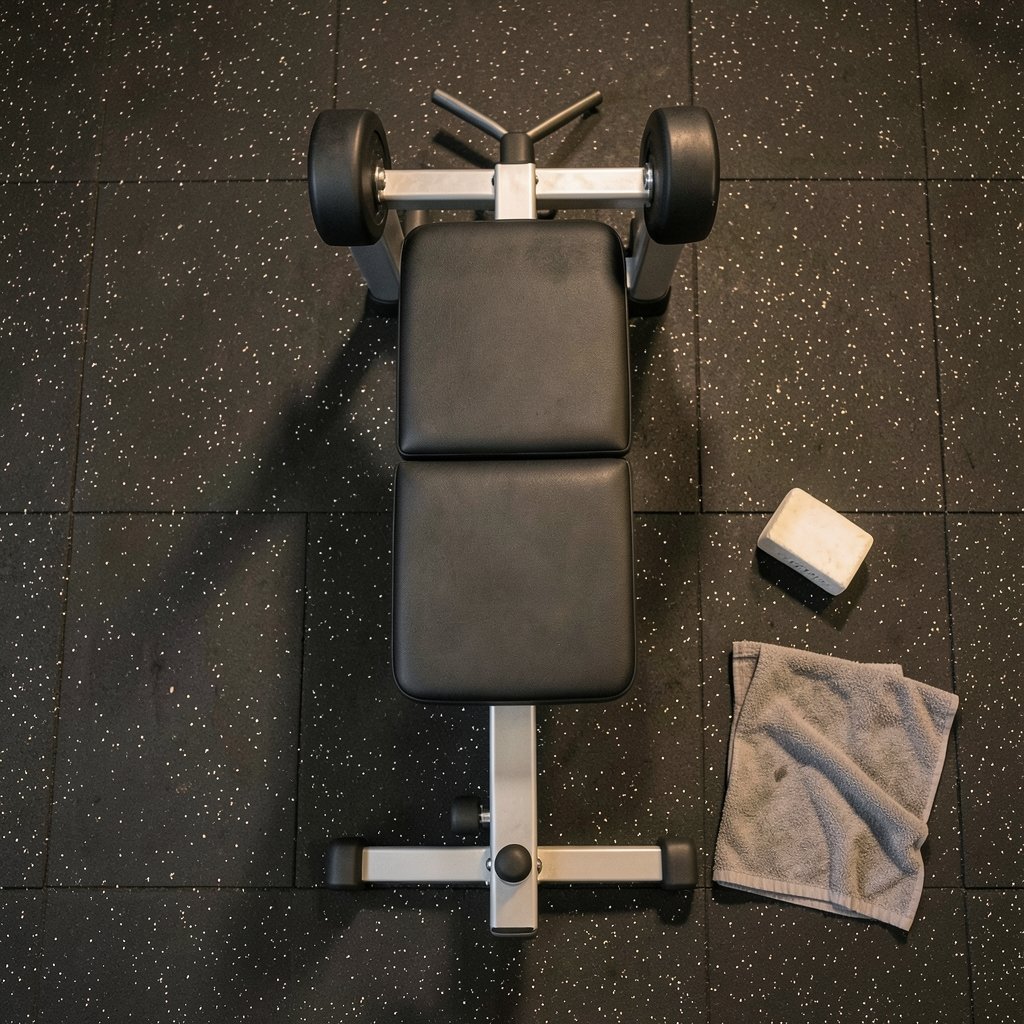
The glute ham raise is a bodyweight posterior-chain exercise performed on a glute-ham developer bench. The athlete kneels with the ankles locked in, hips resting at the edge of the pad, and the torso upright. From there, the lifter lowers the torso toward the floor by extending at the knees and hips, then pulls back up using the hamstrings and glutes.
The prime movers are the hamstrings, with strong involvement from the gluteus maximus and the erector spinae. What makes the GHR distinctive is that it combines hip extension and knee flexion in one movement. Most hamstring exercises emphasize one or the other. The GHR asks the muscle to do both, which is why it feels so much harder than the leg curl machine suggests.
That dual role is also why the exercise shows up in athletic programs. Hamstrings do two jobs in sport: they extend the hip when you drive forward, and they flex the knee when you swing a leg through. The GHR trains both functions at once, under load, with a heavy eccentric component.
Glute Ham Raise vs. Nordic Hamstring Curl
These two exercises get confused constantly, and the confusion is understandable. Both are kneeling hamstring movements. Both rely on a brutal eccentric phase. But they are not the same tool.
| Feature | Glute Ham Raise | Nordic Hamstring Curl |
|---|---|---|
| Primary action | Hip extension plus knee flexion | Knee flexion dominant |
| Glute involvement | High | Low |
| Spinal erector demand | Moderate to high | Low |
| Equipment | GHD bench with foot plate | Ankle anchor or partner |
| Typical rep range | 3 to 5 | 3 to 6 |
| Best use | Posterior-chain strength and size | Injury prevention and eccentric hamstring resilience |
The Nordic curl has the stronger evidence base for injury prevention. A landmark trial by Petersen and colleagues, published in the American Journal of Sports Medicine in 2011, reported that a 10-week Nordic program reduced hamstring injuries in male soccer players. The GHR is a close cousin, but it adds hip extension and places more demand on the lower back. Evidence specific to the GHR for injury prevention is thinner than for the Nordic.
Practical takeaway: if injury prevention is the only goal, the Nordic curl is the simpler, better-studied choice. If the goal is building posterior-chain strength and size with a single movement, the GHR earns its place.
How to Set Up on a GHD Bench
Setup is where most reps go wrong before the first inch of movement. A few details matter more than people expect.
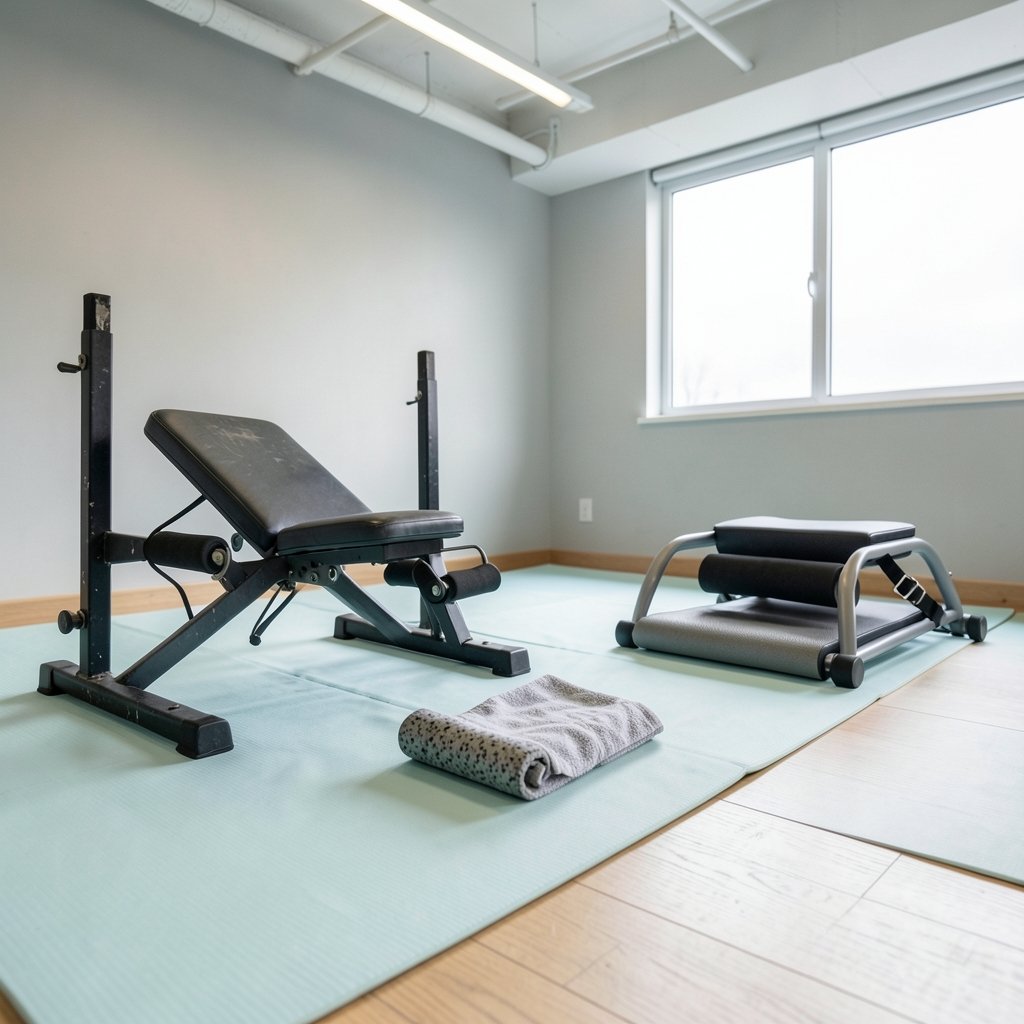
- Set the foot plate height. The pad should sit just below the hip crease so the hips can flex freely. Too high, and the pad blocks hip movement. Too low, and the knees take a beating.
- Lock the ankles securely. The foot plate holds the heels and Achilles. If the feet shift during the rep, you lose the anchor that makes the movement possible.
- Start with hips extended. Kneel tall with the torso vertical and the hips open. This is the position you want to return to on every rep.
- Keep the spine long. A neutral spine with the ribs stacked over the pelvis sets up the erectors to assist rather than compensate.
- Position the knees on the pad, not the shins. The knees should sit on the pad surface, with the lower leg supported by the foot plate.
The Technique Cue That Matters Most
The standard coaching cue is to keep the hips extended and resist the pike. When the reps get hard, the body wants to hinge at the hip and fold forward, which shifts work away from the hamstrings and onto the lower back. The fix is to think about pushing the hips forward as the torso lowers, keeping a straight line from knee to shoulder for as long as possible. Control the eccentric phase. Most people rush the lowering and then wonder why the concentric never happens.
Common Mistakes and How to Fix Them
Most GHR problems fall into a handful of repeatable patterns. Here is what actually goes wrong in practice and how to correct it.
Piking at the hips
The hips fold, the torso drops, and the hamstrings barely work. Fix: reduce the range of motion and stop the rep the moment the hips break position. Depth comes later.
Bouncing out of the bottom
Dropping fast and hoping momentum carries the body back up defeats the purpose. Fix: count a slow three seconds on the way down. If you cannot control the descent, you are not ready for full reps.
Gripping the pad with the hands
Using the arms to push back up turns the GHR into a partial push-up. Fix: cross the arms over the chest or hold them at the sides.
Cranking the neck
Looking up hard to “drive” the movement strains the neck and throws off spinal alignment. Fix: keep the gaze neutral, with the head in line with the spine.
Skipping the warm-up
The hamstrings are being loaded at long muscle lengths under high tension. Cold, they complain. Fix: a few light Romanian deadlifts or leg curls before the first working set.
Regressions: Building Up to a Full Glute Ham Raise
Almost nobody walks into a gym and performs a clean full GHR on the first attempt. The good news is that the exercise scales well. These regressions work, and they work in roughly this order.
Band-assisted GHRs. Loop a strong resistance band under the chest or around the hips to reduce the load at the hardest point. This is the most direct way to practice the full movement pattern.
Eccentric-only reps. Lower under control, then place the hands on the floor and push back up. The eccentric is where most of the adaptation happens anyway, so this version delivers a lot of value.
Razor curls. Kneel on a pad with the feet anchored and lower the torso while keeping the hips slightly flexed, then pull back. The shorter lever makes the movement more manageable.
Manual partner assistance. A training partner supports the torso lightly on the way up, then removes the help on the way down.
Nordic curl negatives. If no GHD is available, kneeling Nordic negatives on a padded floor build much of the same eccentric strength.
Progressions: Making the Glute Ham Raise Harder
Once full bodyweight reps are clean, there are several ways to add difficulty. Weighted GHRs with a plate or dumbbell held at the chest are the standard option. Single-leg variants raise the demand sharply and expose side-to-side differences. Slowing the eccentric to four or five seconds increases time under tension without adding load. Some lifters add a pause at the bottom, which removes any stretch reflex and forces the hamstrings to do all the work.
Because the eccentric demand is so high, the exercise is usually programmed in low reps, around 3 to 5 per set. Higher-rep sets tend to degrade into sloppy partials. Two to four sets once or twice a week is plenty for most people.
Where the Glute Ham Raise Fits in a Program
The GHR slots naturally into a lower-body day as a primary or secondary hamstring movement. A common structure pairs it with a squat or hinge pattern, then finishes with a single-joint accessory. The GHD bench was popularized in strength and conditioning and CrossFit contexts, and the movement appears in CrossFit’s official exercise library, so it is easy to find coaching resources.
One note on terminology: “glute ham raise” is sometimes used loosely for any kneeling hamstring curl on a GHD. Gyms and coaches vary. If a program calls for a GHR, it is worth confirming whether they mean the full hip-extended version or a knee-flexion-only variation. The training effect differs.
For athletes thinking about how to fund equipment, coaching, or a training block, the same discipline that makes a GHR program work applies to planning money: start with a clear goal, choose the path that fits your stage, and follow a practical playbook rather than guessing. The raise money guide on choosing the right funding path for your stage makes a similar point about matching the tool to the job, and the practical playbook for asking and raising is a useful companion read. Even a quick look at market stories like the Monero, Remittix, and RTX burn coverage shows how fast conditions shift, which is why fundamentals beat hype in training and in capital alike.
Safety Considerations
The GHR loads the hamstrings at long muscle lengths, which is exactly the position where strain injuries tend to occur if the tissue is unprepared. That is not a reason to avoid the exercise. It is a reason to progress gradually and to treat the eccentric as the main event.
People with a history of hamstring strains, lower back issues, or knee pain should build up through regressions rather than jumping to full reps. A neutral spine and controlled tempo protect the lower back. If the lower back, not the hamstrings, is what feels worked after a set, the hips are probably piking.
Conclusion
The glute ham raise is one of the most demanding and most rewarding bodyweight exercises for the posterior chain. It trains the hamstrings through both of their main functions, brings the glutes and spinal erectors into the effort, and builds eccentric strength that carries over to sprinting, jumping, and lifting. It is not a beginner move, and it is not a substitute for the Nordic curl in injury-prevention programs. But as a strength builder, it earns its reputation.
The path forward is simple: set up properly, keep the hips extended, control the descent, and earn depth through regressions before chasing full reps. A few clean sets of three to five reps, once or twice a week, will do more for the hamstrings than a dozen sloppy sets done in a hurry.
Frequently Asked Questions
What muscles does the glute ham raise work?
The prime movers are the hamstrings, with strong involvement from the gluteus maximus and the erector spinae. The movement combines hip extension and knee flexion, so it trains both of the hamstrings’ main functions in a single rep.
Is a glute ham raise the same as a Nordic curl?
No. The Nordic hamstring curl is knee-flexion dominant and involves little hip movement. The glute ham raise adds hip extension and places more demand on the glutes and lower back. The Nordic curl also has stronger research support for injury prevention.
How many glute ham raises should I do?
Most programs use low reps, around 3 to 5 per set, because the eccentric demand is so high. Two to four sets once or twice a week is enough for most lifters. Higher-rep sets tend to break down into partial reps.
Can beginners do the glute ham raise?
Beginners should start with regressions: band-assisted reps, eccentric-only reps, razor curls, or partner-assisted reps. Full bodyweight reps require significant hamstring strength, and rushing the progression is the most common way people get hurt.
Why does my lower back hurt after glute ham raises?
The usual cause is piking at the hips, which shifts work from the hamstrings to the lower back. Reduce the range of motion, keep the hips extended, slow the descent, and stop the set when the hips break position.
Do I need a GHD bench to do glute ham raises?
A glute-ham developer bench is the standard tool, but it is not the only option. Band-assisted variations, razor curls on a pad, and Nordic negatives can build much of the same strength when a GHD is not available.



