
What if the difference between two yarn crafts came down to a single question: do you want to wear it or shape it?
That question sounds too simple, but it sits at the center of the knitting versus crochet debate. Both crafts turn string into fabric. Both use yarn, both sit in the same aisle of the craft store, and both produce blankets, hats, and sweaters. Yet the tools, the stitch logic, the fabric they create, and even the history behind them are genuinely different. Choosing between them is less about which is “better” and more about which one matches how you like to work and what you want to make.
This guide breaks down the real differences, the practical trade-offs, common beginner mistakes, and how to decide which craft deserves your first skein.
The Core Difference: Two Needles vs One Hook
Knitting uses two (or sometimes more) pointed needles. The key feature is that many stitches stay “live” at once, held open on the needle while the maker works across a row. Drop a stitch off the needle and it can run, which is why knitters talk about “laddering” repairs and stitch markers the way drivers talk about spare tires.
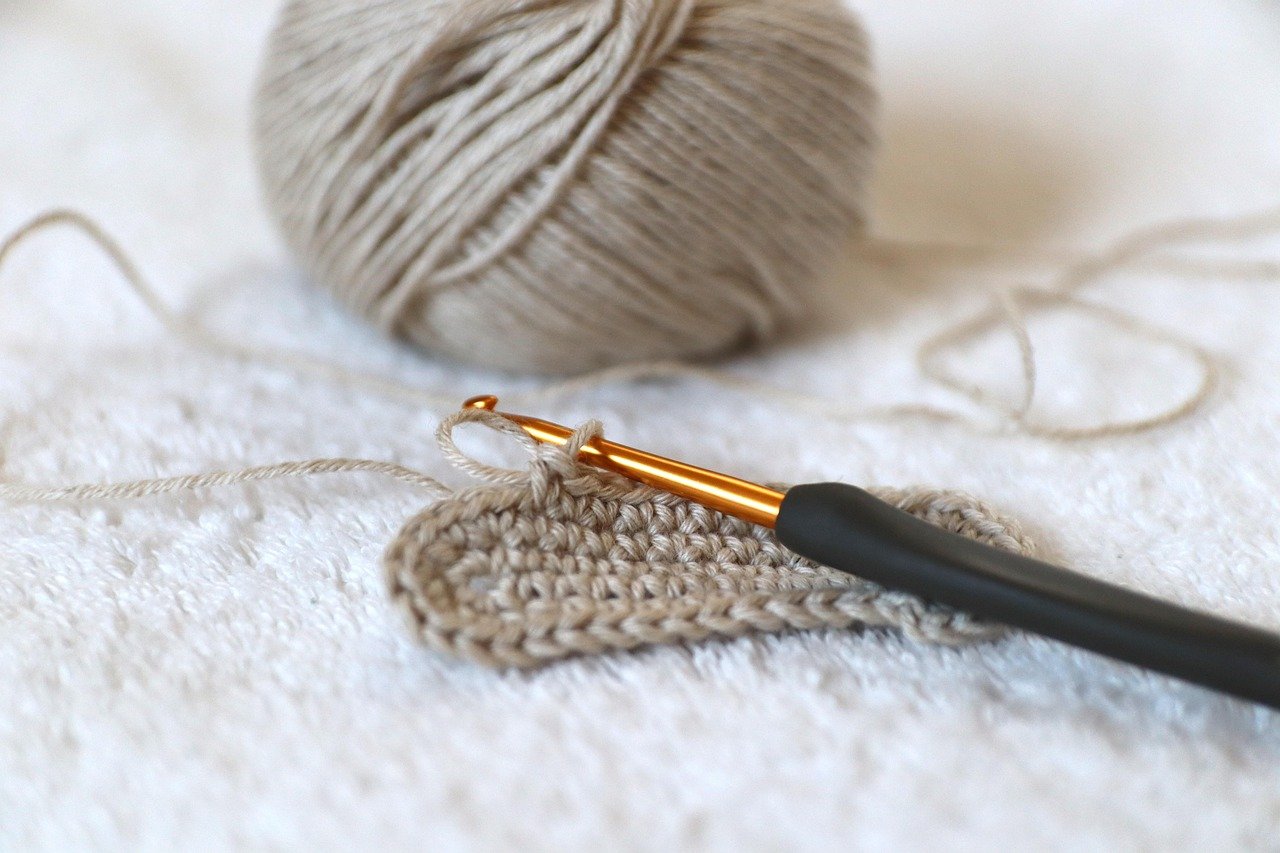
Crochet uses a single hook. Most stitches are completed one at a time: you pull a loop through, finish the stitch, and move on. There is usually only one live loop on the hook at any moment. That single-loop structure makes crochet more forgiving. A mistake is typically one stitch, not a whole column of fabric.
That structural difference explains almost everything else. Knitting is a row-by-row, many-stitches-at-once process. Crochet is a stitch-by-stitch, build-as-you-go process. Neither is harder. They are hard in different places.
How the Fabric Actually Behaves
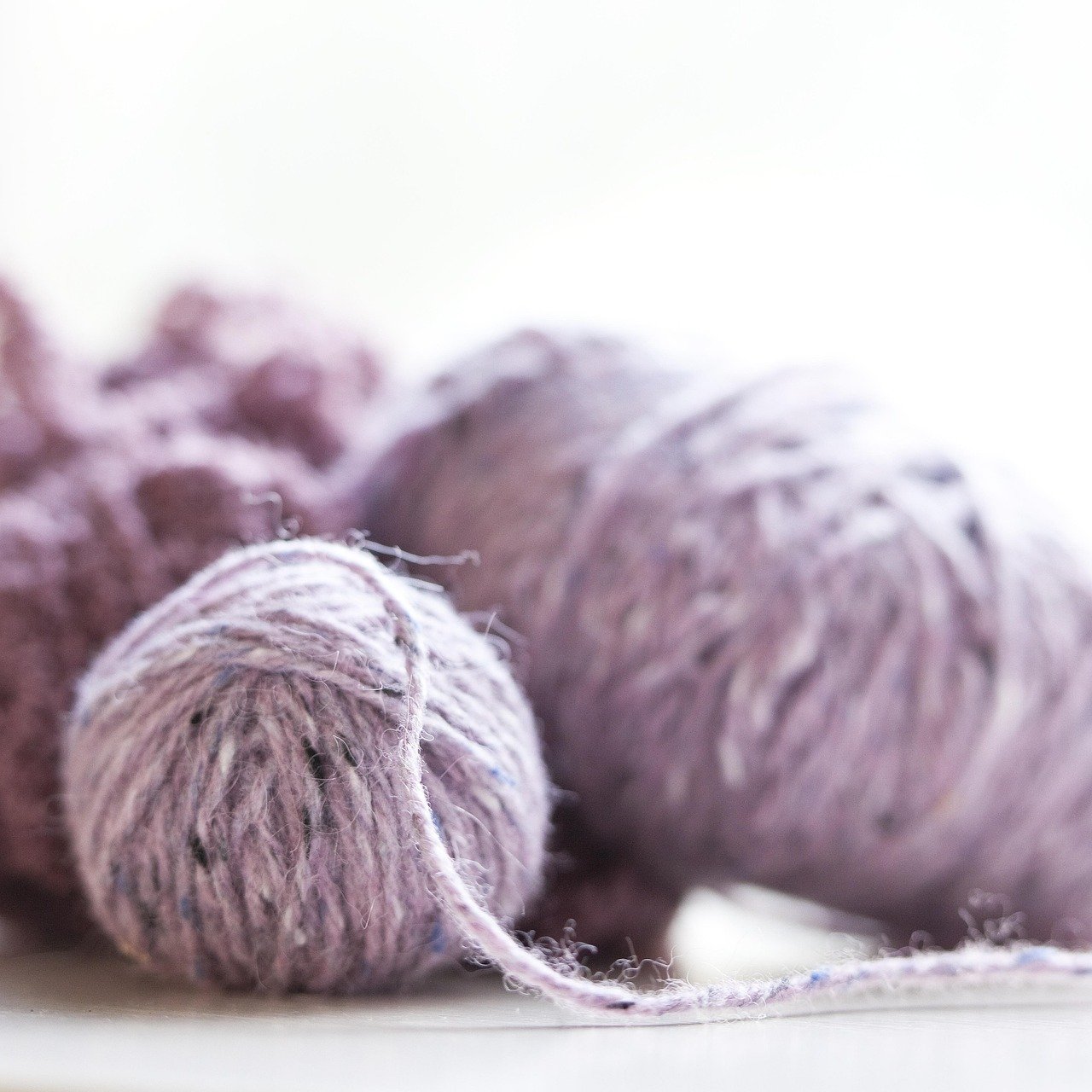
Knitted fabric is built from interlocking loops arranged in rows (called courses) and columns (called wales). Because those loops can shift and flex, knit fabric tends to be stretchier and drapier. It moves with the body. That is why knit sweaters, socks, and ribbed cuffs feel the way they do.
Crochet fabric is built from chains of loops pulled through one another. The result tends to be denser and holds its shape better. Crochet bags stand up. Crochet baskets keep their walls. Crochet amigurumi (stuffed figures) hold a round form without collapsing.
| Feature | Knitting | Crochet |
|---|---|---|
| Tool | Two or more needles | One hook |
| Live stitches | Many at once | Usually one |
| Fabric feel | Stretchy, drapey | Dense, structured |
| Shape holding | Moderate | Strong |
| Typical projects | Sweaters, socks, hats | Bags, blankets, toys, home decor |
| Fixing mistakes | Can require pulling out rows | Often one stitch at a time |
| Machine production | Widely mechanized | Largely hand-only |
That last row matters more than most beginners realize. Knitting has been mechanized for centuries, while crochet has no comparable widespread machine production. If a crochet-look item is cheap and mass-produced, it was probably made by hand somewhere, or it is not really crochet.
Basic Stitches and the Terminology Trap
Knitting rests on two foundational stitches: knit and purl. Nearly every pattern is a combination of those two, plus increases, decreases, and yarn-overs. That small vocabulary is one reason knitting feels approachable to some learners: once you know knit and purl, you can read a huge share of patterns.
Crochet has a slightly larger starter set: chain, slip stitch, single crochet, half double crochet, double crochet, and treble crochet. Each is a distinct height and texture, which gives crochet more immediate variety. A beginner can produce visible lace, texture, and shape changes within the first week.
Here is the trap that catches nearly everyone: US and UK crochet terms do not match. A US single crochet is a UK double crochet. A US double crochet is a UK treble. If a pattern does not state which convention it uses, the project can come out the wrong size and texture. Always check the pattern’s origin before starting. The Craft Yarn Council publishes standardized yarn-weight categories and abbreviation charts that both crafts rely on, and its standards are worth bookmarking early.
A Short, Honest History
Knitting is older. The earliest known knitted fragments come from Egypt and are generally dated to somewhere between the 11th and 14th centuries CE, though textile historians debate the exact range. The English word “knit” shows up around the 15th century. Knitting also industrialized early: the stocking frame, invented by William Lee in 1589, launched centuries of machine knitting.
Crochet as we recognize it is much younger, generally dated to the early 1800s in Europe. Some writers trace its roots to shepherd’s knitting or to tambour embroidery, but those links are contested rather than settled. The name itself comes from the French crochet, meaning “small hook,” a diminutive of croc, or hook.
So if someone tells you crochet is “newer knitting,” they are partly right on the timeline and wrong on the relationship. The two crafts developed on separate tracks.
Which One Eats More Yarn?
The common claim is that crochet uses more yarn than knitting for the same area of fabric. That claim is widely repeated, and it makes intuitive sense: crochet stitches are often taller and denser, and the fabric packs more yarn into each square inch.
Treat it as a rule of thumb, not a measured law. Actual yarn use depends on stitch pattern, hook or needle size, tension, and the specific design. A lacy crochet shawl can use far less yarn than a dense cabled knit sweater. A tight single-crochet blanket can use dramatically more than an open knit throw of the same size.
Practical takeaway: if you are substituting yarn between crafts, buy extra. Running out mid-project in a discontinued dye lot is one of the most common and most painful beginner mistakes in both crafts.
Practical Tips That Actually Work
Swatch before you commit. Both crafts depend on gauge, the number of stitches and rows per inch. A half-millimeter difference in hook or needle size changes finished measurements. Knitters often skip swatching because it feels like homework. Do it anyway for anything wearable.
Start with the right yarn. Fuzzy, dark, or split-prone yarn hides stitches and makes learning miserable. A smooth, light-colored worsted-weight yarn in a solid color shows every loop clearly.
Count every row. Row counters are not a crutch. They are the cheapest insurance in the hobby.
Learn to read your fabric. Before ripping out a mistake, look at the stitch structure. In crochet, you can often pull back one stitch at a time. In knitting, you can sometimes fix a dropped stitch with a crochet hook, which is a genuinely useful crossover skill.
Watch your hands. Both crafts involve repetitive wrist and hand motion, and repetitive strain is a recognized risk for both. Take breaks, stretch, and vary your grip. Pain is not a badge of dedication.
Match the tool to the yarn, not the pattern photo. Hook and needle sizes are recommendations, not commands. Your tension is yours alone.
Common Mistakes Beginners Make
The first mistake is choosing a project that is too big. A king-size blanket as a first project is a motivation killer in either craft. Start with a washcloth, a scarf, or a small amigurumi figure.
The second is ignoring pattern terminology. As noted, US and UK crochet terms diverge, and knitting patterns vary in how they describe increases. Read the abbreviations page before the first stitch.
The third is buying novelty yarn for a first project. It looks amazing in the store and behaves terribly on the hook or needle.
The fourth is fighting the craft instead of switching. Plenty of people try knitting, dislike the many-live-stitches tension, and thrive in crochet. Others find crochet’s single-loop rhythm fiddly and love the meditative back-and-forth of knitting. Trying both is not indecision. It is data.
How to Choose Between Them
Use project intent as your filter.
If the goal is wearables with drape and stretch, such as sweaters, socks, and fitted hats, knitting usually wins. The fabric moves with the body in a way crochet rarely matches.
If the goal is structure and shape, such as bags, baskets, coasters, toys, and borders, crochet usually wins. It holds form and is easier to shape in three dimensions.
If the goal is speed and visible progress, crochet often feels faster because each stitch is completed immediately and tall stitches build area quickly.
If the goal is texture and fine detail, both deliver, but differently. Knitting excels at ribbing, cables, and colorwork. Crochet excels at lace, raised stitches, and motifs joined into larger pieces.
If the goal is portability, crochet has a slight edge: one hook, one live loop, and less risk of catastrophe in a bag.
For readers who want to go deeper into either craft, the reference material at OCCCY covers technique and project guidance in more detail.
Can You Combine Them?
Yes, and it is more common than beginners expect. Crochet borders stabilize knit blankets. Crochet chains serve as provisional cast-ons in knitting. Crochet hooks rescue dropped knit stitches. Many makers keep both tools in the same bag and switch based on the task rather than loyalty.
The skills also transfer in subtle ways. Understanding how a loop is formed helps in both crafts. Reading fabric structure helps in both crafts. Tension control improves with practice in both crafts.
Conclusion
Knitting and crochet are not rivals. They are two different answers to the same question: how do you want to build fabric? Knitting gives you stretch, drape, and a long mechanical history, with many live stitches held in careful order. Crochet gives you structure, shape, and stitch-by-stitch forgiveness, with one hook and one loop at a time.
The honest recommendation is to pick based on what you want to make first, not on which craft looks easier online. If you want a sweater, learn to knit. If you want a sturdy bag or a stuffed toy, learn to crochet. If you are unsure, buy one skein of smooth light-colored worsted yarn and a matching hook and needle, and spend an evening with each. Your hands will tell you more in two hours than any comparison chart can.
Frequently Asked Questions
Is crochet easier than knitting for beginners?
Crochet is often easier to start because there is only one live loop and mistakes are usually limited to a single stitch. Knitting requires managing many live stitches at once, which feels riskier early on. That said, “easier” depends on the learner. Some people find crochet’s free-form hook motion awkward and prefer the structured rhythm of two needles.
Can you knit with a crochet hook?
Not in the traditional sense. Knitting requires pointed needles that hold many open stitches. A crochet hook can, however, be used to fix dropped knit stitches, pick up edges, or work provisional cast-ons, which is why many knitters keep one nearby.
Why does crochet use more yarn than knitting?
Crochet stitches are often taller and denser, so more yarn packs into each square inch of fabric. This is a widely repeated rule of thumb rather than a measured standard. Actual yarn use varies heavily with stitch pattern, tool size, and tension, so buy extra when substituting between crafts.
What is the difference between US and UK crochet terms?
The stitch names do not match. A US single crochet equals a UK double crochet, and a US double crochet equals a UK treble. Always check which convention a pattern uses before starting, or the finished project will come out the wrong size and texture.
Which craft is better for blankets?
Both work well, but they produce different blankets. Knit blankets tend to be stretchier and drapier, which suits drapey throws. Crochet blankets tend to be denser and hold shape, which suits structured or textured designs. Consider yarn quantity and project time as much as fabric feel.
Do knitting and crochet cause hand pain?
Both involve repetitive hand and wrist motion, and repetitive strain is a recognized risk for each. Taking breaks, stretching, varying grip, and using ergonomic hooks or needles all help. Persistent pain warrants a conversation with a healthcare professional rather than pushing through.



