

What makes a beer stick around for decades while hundreds of others quietly disappear from shelves? For Labatt Blue, the answer is a mix of timing, regional loyalty, and a name change that turned out to be one of the smartest marketing moves in Canadian brewing. This pale lager has been poured at backyard barbecues, hockey arenas, and border-town bars for generations. Yet plenty of drinkers outside Canada know the label without knowing the story. Here’s a clear look at what Labatt Blue actually is, where it came from, how it tastes, and why it still matters. (Do blue light glasses actually work evidence really shows)
What Is Labatt Blue?
Labatt Blue is a Canadian pale lager brewed by Labatt Brewing Company, a brewery with roots in London, Ontario. It sits in the easy-drinking lager category: light-bodied, moderately carbonated, and built for volume rather than sipping. The brand is owned today by AB InBev, the global brewing giant formed through a series of mergers and acquisitions.
The beer is often described as Canada’s best-selling Canadian beer brand. That claim needs a small asterisk, because it depends on the year and on how you define “Canadian brand.” Ownership is now international, and sales rankings shift. Still, Labatt Blue’s place in Canadian drinking culture is not really in dispute. It is one of the country’s most recognized beer labels.
In the United States, Labatt Blue is an import. It has a devoted following in upstate New York and other border regions, where cross-border traffic and hockey culture kept the brand visible for decades.
A Brewery That Started in the 1840s
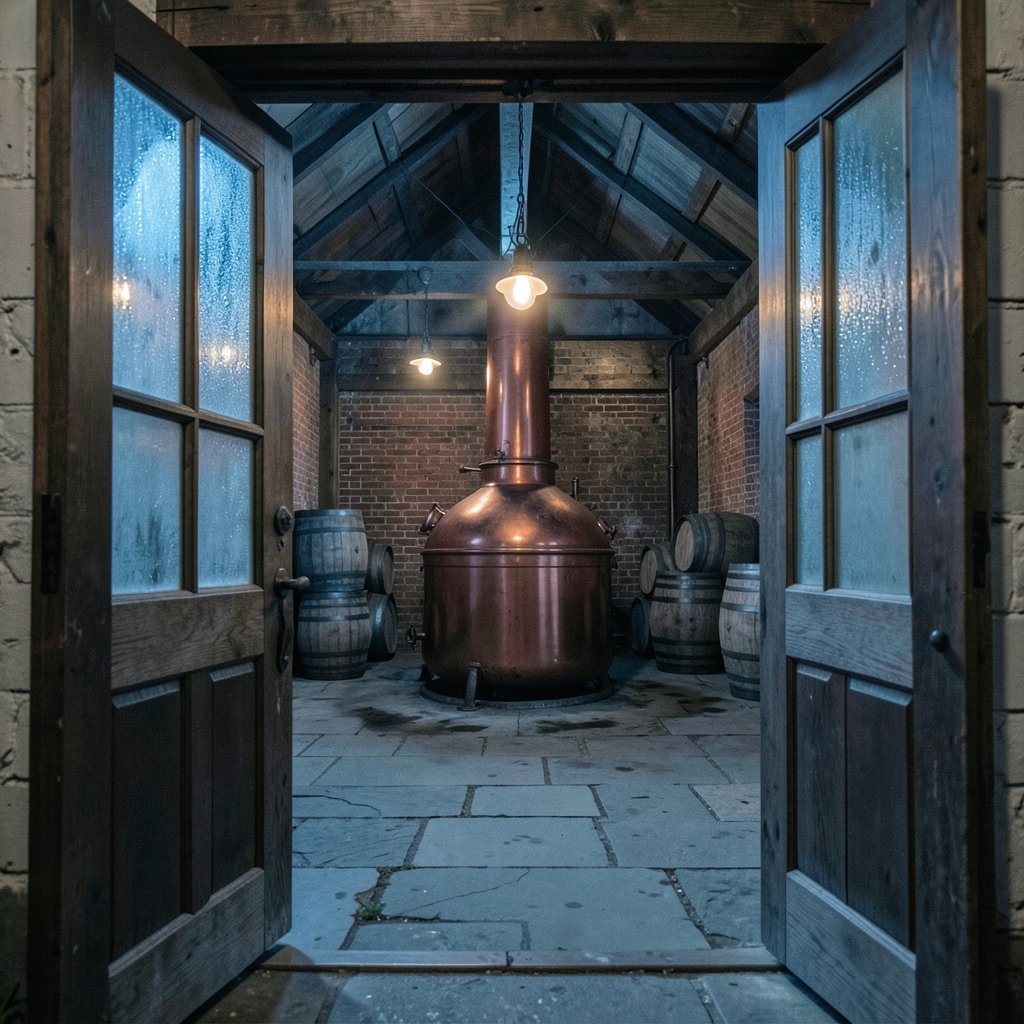
Labatt’s story begins with John Kinder Labatt, who founded a brewery in London, Ontario. The brewery’s origins are commonly dated to 1847. That makes Labatt one of the older continuous brewing operations in North America, and it explains why the brand carries so much heritage weight in Canada.
For well over a century, the company grew as an independent Canadian brewer. It built a portfolio of brands, sponsored sports, and became part of the everyday fabric of Ontario drinking life. Then came the consolidation era that reshaped the global beer industry in the 1990s.
How “Pilsener” Became “Blue”
Here’s the part that surprises a lot of people: Labatt Blue was not always called Blue. The beer was previously sold as Labatt Pilsener. The brand moved to the “Blue” name during a rebrand in the 1950s. Sources don’t always agree on the exact year, with 1951 and 1955 both appearing in different accounts. (Yankees vs blue jays read rivalry like pro)
That inconsistency is worth flagging rather than papering over. If you’re writing about the brand or citing it in a project, check the specific source you’re using and note the date carefully. What’s clear is the outcome: the name change worked. “Blue” is short, memorable, and easy to print on a label, a cooler, or a hockey rink board. It gave the beer an identity that outlasted the pilsener naming era.
There’s a practical lesson here for anyone watching branding. A simple name tied to a visual cue can travel further than a technically accurate style descriptor. Labatt traded precision for recognition, and the trade paid off.
What Labatt Blue Tastes Like
Labatt Blue is a straightforward pale lager. Drinkers typically describe it as:
- Light-bodied with a clean, crisp finish
- Mild malt sweetness with a gentle grainy character
- Low to moderate hop bitterness
- High drinkability, especially cold
It is not a beer built for tasting flights or cellar aging. It is a beer built for a hot afternoon, a plate of wings, or the third period of a hockey game. That is not a criticism. Plenty of breweries chase complexity and end up with a beer nobody finishes. Labatt Blue’s consistency is its selling point.
Labatt Blue Light is the lower-calorie variant, and it follows the same playbook: lighter body, lighter flavor, same brand recognition. If you’re choosing between the two, the regular Blue carries more malt character, while Blue Light trades some of that for a thinner, more refreshing profile.
| Feature | Labatt Blue | Labatt Blue Light |
|---|---|---|
| Style | Pale lager | Light lager |
| Body | Light | Very light |
| Flavor focus | Mild malt, crisp finish | Crisp, highly refreshing |
| Best setting | Barbecues, bars, hockey nights | Hot weather, lighter drinking sessions |
Ownership, Mergers, and What Changed
The 1990s were brutal for independent brewers. In 1995, Labatt was acquired by Interbrew, the Belgian brewing group that later became part of AB InBev. For Canadian drinkers, the practical changes were gradual: the beer stayed in the same bottles, the recipe stayed familiar, and the brand kept its Canadian marketing identity.
What did change was the corporate structure behind the label. Decisions about brewing, distribution, and brand strategy moved into a much larger global system. That is the standard arc of modern beer consolidation, and Labatt Blue is a textbook example.
A common mistake people make when discussing brands like this is assuming ownership equals recipe. It doesn’t automatically, but it also doesn’t guarantee stability forever. Breweries adjust malt bills, hop contracts, and production locations over time. If you want to track whether a beer has changed, compare it side by side over the years rather than relying on memory alone.
Labatt Blue and Hockey Culture
If you want to understand why Labatt Blue endures, look at a rink. The brand has long been tied to hockey sponsorship in Canada, and that association does more work than any ad campaign could. In Canada, hockey is a shared calendar as much as a sport. Sponsoring it puts a beer brand inside households every week of the season.
That kind of cultural placement is hard to buy outright and harder to fake. It also explains the brand’s regional strength in the United States. Fans in border cities grew up watching Canadian broadcasts, and the beer came along with the broadcast. If you enjoy breaking down sports matchups the way analysts do, the same habit applies to reading a brand’s cultural footprint: look at where it shows up rather than relying only on what it says about itself.
Buying and Drinking Labatt Blue: Practical Tips
Most complaints about Labatt Blue come down to handling, not the beer itself. A few habits make a real difference.
- Check the date code. Lagers fade fast. A fresh case tastes noticeably crisper than one that has been sitting warm in a warehouse.
- Keep it cold and dark. Light and heat degrade hop character. Store bottles away from sunny windows.
- Skip the frosty glass gimmick. A thick layer of ice numbs the flavor and waters the beer down as it melts. A clean, cool glass is enough.
- Pour properly. Tilt the glass, then straighten it to build a small head. That releases aroma and softens carbonation.
- Match the serving to the setting. Blue is at its best with food and company, not as a tasting exercise.
The biggest mistake is treating an everyday lager like a special-occasion beer and then judging it against styles it never claimed to be. Judge it on its own terms: cold, fresh, and shared.
Labatt Blue vs. Other Canadian Lagers
Labatt Blue lives in a crowded field. The comparison below is about positioning, not a declaration of a winner.
| Brand | Style | Typical reputation |
|---|---|---|
| Labatt Blue | Pale lager | Crisp, mild, hockey-linked |
| Molson Canadian | Pale lager | Direct rival, similar profile |
| Labatt Blue Light | Light lager | Lower-calorie option |
| Craft pilsners | Pilsner | More hop-forward, more bitter |
The honest take: if you like one mainstream Canadian lager, you’ll probably like the others. The differences are subtle. Brand loyalty in this segment is driven by habit, nostalgia, and what’s in the cooler at the party, not by dramatic flavor gaps. (Blue jays vs mariners read this matchup like baseball)
Common Misconceptions
A few myths follow this brand around.
Myth: It’s still a fully Canadian-owned company. Ownership has been international since the 1990s. The brand identity remains Canadian, but the corporate parent does not.
Myth: “Blue” refers to the water or a specific ingredient. It’s a branding choice, tied to the label’s color, not a brewing process.
Myth: Blue and Blue Light are the same beer with water added. They are separate products with different formulations aimed at different drinking occasions.
Myth: Imported means better. In the U.S., Labatt Blue is an import, but import status says nothing about quality. Freshness matters far more than the shipping label.
Why the Brand Still Works
Labatt Blue survives because it does three things well. It is consistent, it is affordable relative to craft options, and it is attached to a cultural ritual that repeats every year. That combination is more durable than hype.
There’s also a lesson in how the brand handles its own history. It doesn’t pretend the pilsener era never happened, and it doesn’t overexplain the name change. It simply keeps showing up. In a market full of limited releases and rotating taps, showing up reliably is an underrated strategy.
For readers who enjoy tracing how everyday products become cultural fixtures, the pattern repeats across categories. A simple fix, applied consistently, often beats a clever one applied once. The same logic shows up when people troubleshoot a stubborn technical problem step by step rather than guessing, or when they compare tools before committing to one workflow.
Conclusion
Labatt Blue is not a complicated beer, and it doesn’t need to be. It is a Canadian pale lager with 1840s brewery roots, a 1950s rebrand that gave it a name people remember, international ownership since the 1990s, and a hockey connection that keeps it in front of millions of eyes every season. It tastes crisp and mild, it rewards fresh handling, and it makes the most sense cold, with food, and in good company. Whether you’re a longtime drinker or simply curious about the blue label on the shelf, the story behind it is more interesting than the beer’s easygoing flavor lets on.
Frequently Asked Questions
Is Labatt Blue a Canadian beer?
Yes, in origin and identity. Labatt Brewing Company was founded in London, Ontario, with brewery roots commonly dated to 1847. The brand is still marketed as Canadian, though its corporate parent, AB InBev, is international.
When did Labatt Pilsener become Labatt Blue?
The rebrand happened in the 1950s. Different sources cite 1951 or 1955, so the exact year is not settled across all accounts. The beer was previously sold as Labatt Pilsener before taking the Blue name.
What does Labatt Blue taste like?
It is a light-bodied pale lager with mild malt sweetness, low to moderate hop bitterness, and a clean, crisp finish. It is designed for easy drinking rather than complex tasting.
Is Labatt Blue the same as Labatt Blue Light?
No. They are separate products. Labatt Blue is the standard pale lager, while Labatt Blue Light is a lower-calorie variant with a lighter body and a more refreshing, thinner profile.
Who owns Labatt Blue today?
Labatt was acquired by Interbrew in 1995, and Interbrew later became part of AB InBev. So the brand sits within a large global brewing company, even though its marketing remains distinctly Canadian.
Why is Labatt Blue so popular in the United States?
Its U.S. following is concentrated in border regions such as upstate New York, where cross-border traffic, Canadian broadcasts, and hockey culture kept the brand visible. Import status and regional habit do most of the work.



