

For millions of pilgrims outside Saudi Arabia, the biggest obstacle to performing Hajj was often figuring out where to start, not the trip itself. For decades, families relied on local agents, word of mouth, and paperwork that seemed to change every year. Nusuk Hajj was built to change that. It is the Saudi Ministry of Hajj and Umrah’s official online platform for international pilgrims, and it has changed how people register, choose packages, pay, and prepare for Hajj.
The sections below cover what the platform does, whom it serves, how it relates to the wider Nusuk system, and the practical mistakes that affect first-time applicants. They also separate confirmed details from rules that change every year, because Hajj requirements move annually.
What Nusuk Hajj Actually Is
Nusuk Hajj is a government-run registration and booking system for pilgrims from outside the Kingdom. It operates under the Ministry of Hajj and Umrah, which regulates Hajj and Umrah. The platform centralizes functions that used to be spread across country-specific agents, pilgrimage missions, and local operators.
The idea is straightforward: instead of a pilgrim in another country navigating a chain of intermediaries, they register directly on an official portal, browse approved packages, and pay through a single system. The visa process is linked to that registration, which removes one of the most confusing steps of the old model.
One important distinction: the exact launch date of the Hajj-specific platform is not firmly established, and it should not be confused with the broader Nusuk brand, which launched around 2022 and initially focused on Umrah and visits to the Prophet’s Mosque. The two are related but not identical, and pilgrims should always confirm which service they are actually using before submitting anything.
Who Can Use the Platform
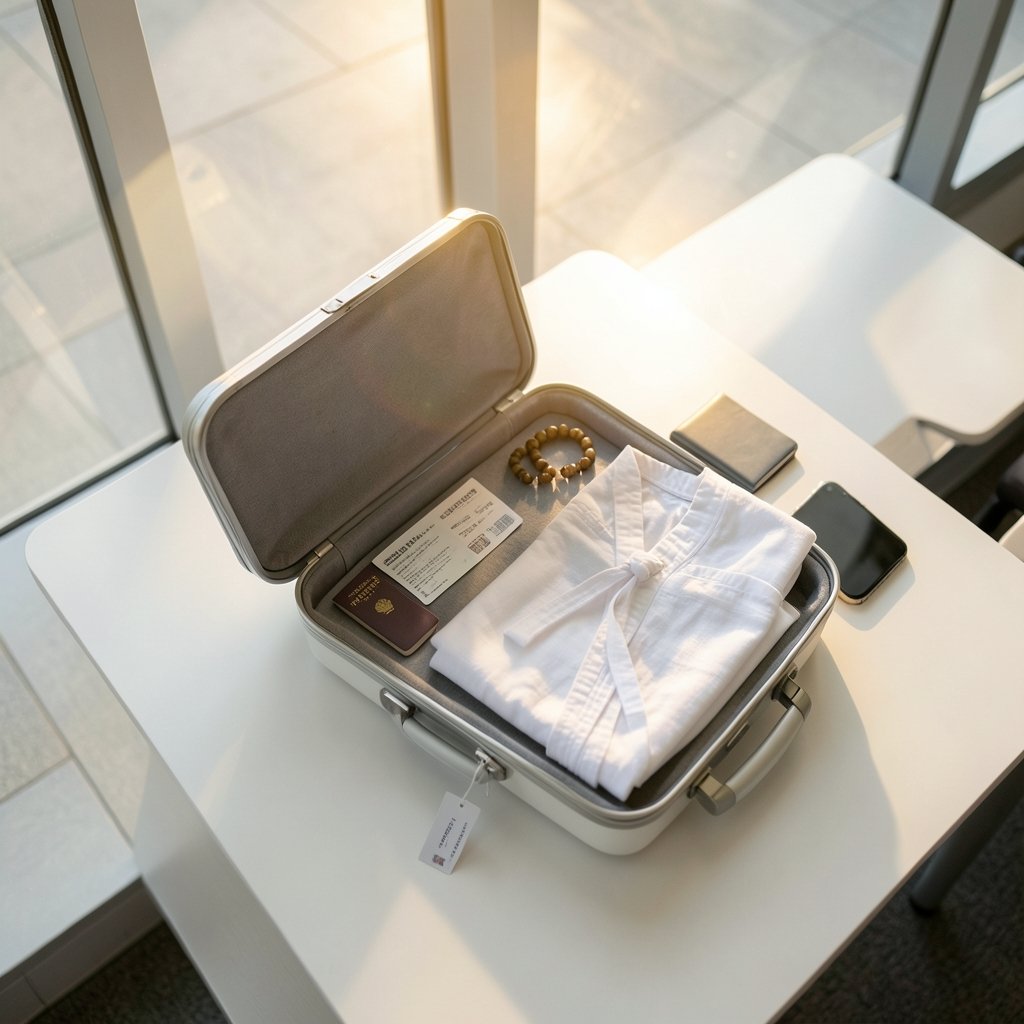
Nusuk Hajj is designed for international pilgrims, meaning Muslims who live outside Saudi Arabia. That is a critical point, because domestic pilgrims inside the Kingdom use a separate registration route, historically through Absher or a dedicated domestic Hajj portal. Mixing up the two channels is one of the most common early mistakes.
Beyond geography, eligibility is governed by the national quota system. Hajj participation has long been structured around a framework in which each country receives roughly 1,000 pilgrims per million Muslims, an arrangement rooted in Organisation of Islamic Cooperation discussions dating back to the 1980s. Nusuk Hajj operates inside those quotas; it does not create new spaces. A pilgrim cannot simply log on and book a spot if their country’s allocation is already full.
That quota reality shapes everything. It means timing matters, demand often outstrips supply, and the platform is a tool for managing a fixed pie rather than expanding it.
Nusuk Services: Hajj, Umrah and Visit
Newcomers often assume Nusuk is one single website for everything. In practice, the brand covers several services, and understanding the differences saves real confusion.
| Service | Primary Purpose | Typical Users |
|---|---|---|
| Nusuk Hajj | Register, select packages, pay, and process Hajj visas for the annual pilgrimage | Pilgrims from outside Saudi Arabia |
| Nusuk (Umrah and visit) | Book Umrah trips and visits to the Prophet’s Mosque | International pilgrims year-round |
| Domestic Hajj route | Registration for pilgrims residing inside the Kingdom | Saudi residents and domestic pilgrims |
One point remains uncertain: it is not fully confirmed whether the main Nusuk site now hosts Hajj services or remains focused on Umrah and visits. Pilgrims should verify the current setup rather than assume one portal covers every need. When in doubt, start with the Ministry’s official channels and follow their links.
How the Registration and Booking Flow Works
The process is more linear than the old agent model, but it still rewards preparation. Here is the practical sequence most international pilgrims follow.
- Confirm your country’s quota status. Before anything else, check whether your country’s allocation for the target Hajj year is open. If it is closed, no amount of platform navigation will help.
- Create your account on the official platform. Use accurate passport details. Mismatches between your registration and your travel document cause delays later.
- Browse approved packages. Packages vary by accommodation tier, distance from the holy sites, and included services. Prices and categories change annually, so treat any figure you see online as year-specific.
- Select and pay. Payment happens through the platform. Keep every receipt and confirmation number.
- Complete visa-linked processing. The Hajj visa is processed in connection with your registration, which is one of the platform’s biggest advantages over the fragmented old system.
- Meet health and regulatory requirements. Vaccination requirements, including meningococcal vaccination, are updated annually. Confirm the current rules for your Hajj year well before departure.
- Prepare for travel. Sort flights, documents, and packing once your registration and visa are confirmed.
The platform is available in multiple languages for international pilgrims, though the exact language list is not certain and should be checked.
What Actually Works in Practice
Talk to people who have been through the process, and a few themes repeat. The platform itself is not the hard part; preparation is.
Start earlier than feels necessary. Quota windows can open and close quickly, and package tiers sell out. Pilgrims who begin gathering documents months in advance consistently have smoother experiences than those who wait for an announcement.
Match your passport name exactly. A middle name spelled differently, a missing suffix, or an old passport number creates friction that can take weeks to resolve. This is the single most common avoidable error.
Do not treat package prices as fixed. Prices and package categories change every year, and sometimes within a season. Budget with a buffer rather than anchoring to last year’s numbers.
Verify health requirements for your specific year. Vaccination rules are year-specific and updated annually. Assuming last year’s requirements still apply is a genuine risk.
Beware of unofficial intermediaries. Because the official system is centralized, anyone promising a “guaranteed spot” outside it deserves scrutiny. The platform exists precisely to reduce reliance on informal agents.
Common Mistakes That Cost Pilgrims Time
Beyond passport errors, several patterns show up again and again.
- Using the wrong channel. Domestic pilgrims sometimes land on the international platform, or vice versa. Confirm which route applies to your residency status.
- Ignoring quota realities. Assuming registration equals acceptance is a misunderstanding. Quotas govern availability.
- Skipping the language settings. If English is not your first language, switch the interface early so you do not misread package terms.
- Failing to save confirmations. Screenshot and store every payment and registration confirmation in more than one place.
- Waiting on health paperwork. Vaccination appointments can take time to schedule, especially in peak season.
None of these are exotic. They are ordinary oversights, and they are entirely preventable with a checklist.
How Nusuk Hajj Compares to the Old System
For older pilgrims, the contrast is striking. The previous model relied on country-specific agents and Hajj missions, each with its own paperwork, timelines, and pricing logic. Pilgrims often had limited visibility into what they were paying for.
The centralized platform changes that in several ways:
| Aspect | Older Fragmented Model | Nusuk Hajj |
|---|---|---|
| Where you register | Local agents and missions | A single official platform |
| Package visibility | Limited, agent-dependent | Listed approved packages |
| Payment | Often informal, varied | Handled through the platform |
| Visa linkage | Separate, multi-step | Tied to registration |
| Pricing transparency | Inconsistent | More standardized, though year-specific |
The transition was not instant, and the exact timeline for adding different countries is not certain. The direction is clear: fewer intermediaries, more direct government oversight, and one record for each pilgrim.
The Regulatory Layer Pilgrims Should Not Ignore
Hajj is a mass gathering of extraordinary scale, and Saudi authorities publish regulations and health requirements that pilgrims must meet. These are not optional formalities. They are updated annually and can affect whether you travel at all.
The most cited example is meningococcal vaccination, a standard requirement tied to mass-gathering health guidance. But requirements can extend to other vaccinations, documentation, and timing rules. Because these change year to year, pilgrims should confirm the current list for their specific Hajj year rather than relying on memory or secondhand advice.
The Ministry of Hajj and Umrah is the authoritative source for these regulations. Any figure, deadline, or requirement quoted in a blog or forum should be checked against official channels before acting on it.
Where to Get Reliable Information
The single most important habit for any pilgrim is sourcing information from official channels first. The Ministry of Hajj and Umrah publishes regulations, quota context, and platform guidance. The Nusuk platform itself is the place to register and book.
For broader context, pilgrims can explore resources at which covers practical pilgrimage planning and related guidance. Beyond that, stick to government sources for anything involving money, visas, or health requirements. Forums and social media can be useful for moral support and shared experience, but they are not reliable for deadlines or prices.
A useful rule: if a piece of information would cause you to spend money or miss a deadline, verify it twice through official channels before acting.
Conclusion
Nusuk Hajj is a real shift in how international pilgrims approach Hajj. It centralizes registration, package selection, payment, and visa-linked processing on one official platform, reducing much of the opacity of the old agent-based model. It does not remove the need for preparation. Quotas still govern availability, prices still change annually, health requirements still shift year to year, and passport accuracy still matters more than almost anything else.
Pilgrims who complete the process most smoothly are not those with the most connections or the largest budget. They start early, read carefully, verify through official channels, and save every confirmation twice. The platform is a tool. Used well, it turns a famously complicated process into a manageable sequence of clear steps. Used carelessly, it moves the confusion online.
For anyone planning Hajj, the practical takeaway is simple: understand the platform, respect the quota system, confirm the year-specific rules, and keep documentation accurate. Do that, and Nusuk Hajj works as designed: a clear path rather than another hurdle.
Frequently Asked Questions
What is Nusuk Hajj?
Nusuk Hajj is the official online platform run by the Saudi Ministry of Hajj and Umrah for pilgrims from outside Saudi Arabia. It lets them register, browse approved Hajj packages, pay, and complete visa-linked processing in one place, replacing the older fragmented system of country-specific agents and pilgrimage missions.
Is Nusuk Hajj the same as the Nusuk app for Umrah?
Not exactly. The broader Nusuk brand, launched around 2022, initially focused on Umrah and visits to the Prophet’s Mosque. Nusuk Hajj is the Hajj-specific service for international pilgrims. The two are related but distinct, and it is not fully confirmed whether the main Nusuk site now hosts Hajj services, so pilgrims should verify the current setup.
Can pilgrims living inside Saudi Arabia use Nusuk Hajj?
Generally no. Nusuk Hajj is designed for international pilgrims. Domestic pilgrims inside the Kingdom use a separate registration route, historically through Absher or a dedicated domestic Hajj portal. Using the wrong channel is a common early mistake, so confirm which route applies to your residency status before registering.
Does registering guarantee a Hajj spot?
No. Hajj participation is governed by national quotas, historically around 1,000 pilgrims per million Muslims under arrangements dating back to the 1980s. Nusuk Hajj operates within those quotas rather than expanding them. If your country’s allocation is full, registration alone will not create a place.
How much do Nusuk Hajj packages cost?
Package prices and categories change every year, and sometimes within a season. Because the platform lists multiple tiers based on accommodation and services, any figure you see online should be treated as year-specific. Budget with a buffer and confirm current pricing through official channels for your target Hajj year.
What health requirements apply to Nusuk Hajj pilgrims?
Health requirements are updated annually and typically include meningococcal vaccination, a standard measure for mass gatherings. Other vaccinations or documentation may also apply depending on the year. Because rules shift, pilgrims should confirm the current list for their specific Hajj year well before departure rather than relying on past experience.



