
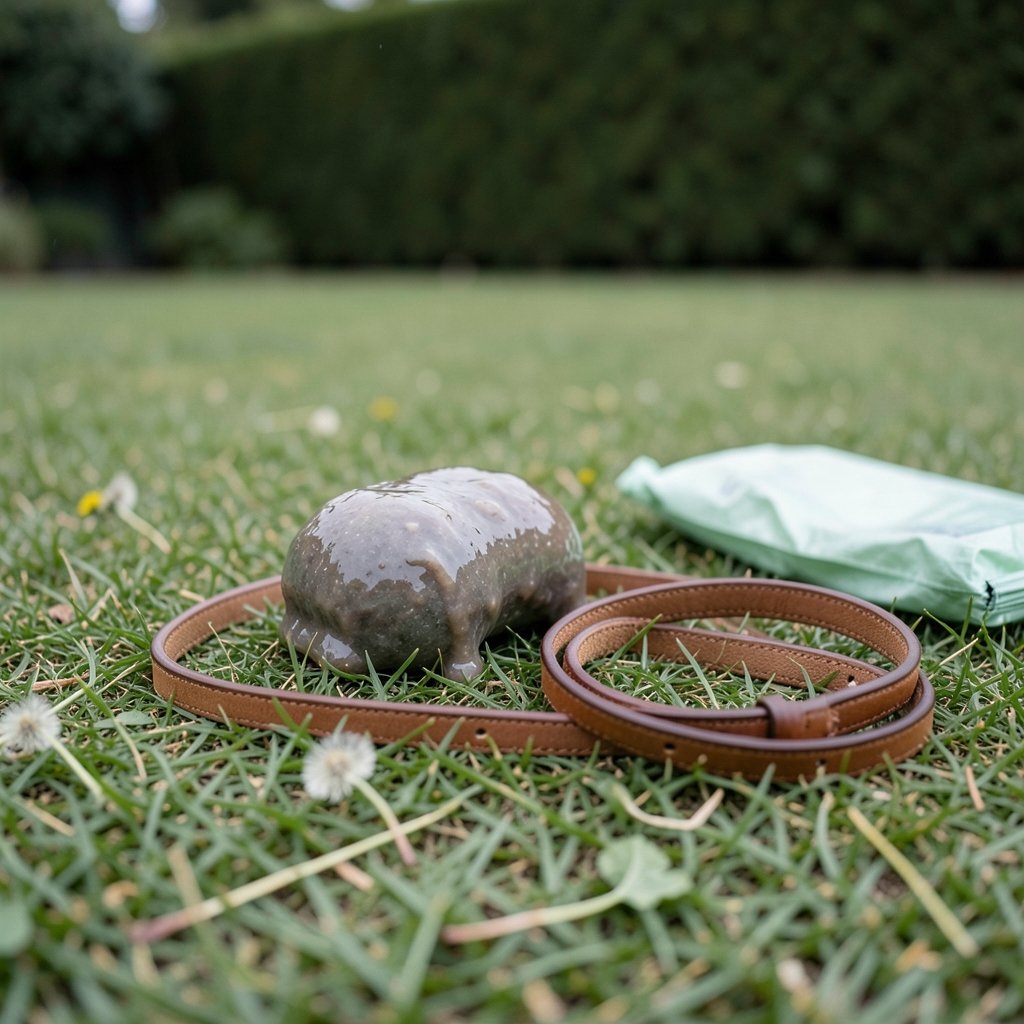
Has the dog’s stool suddenly turned shiny, slick, or jelly-like? That glistening coating is mucus, and while it can look alarming on the lawn, it is not automatically a crisis. The colon produces mucus around the clock as a lubricant, so a thin sheen now and then is normal. The real question is whether the mucus is a one-off nuisance or a signal that something in the gut needs attention. This guide walks through what mucus in canine feces actually is, the most common causes, the red flags that mean a vet visit today, and the practical steps owners can take while waiting for an appointment.
What Mucus in Dog Stool Actually Is
Mucus is a slippery, gel-like substance made mostly of water and proteins called mucins. The lining of the large intestine secretes it to protect tissue from abrasive waste and to help stool slide through smoothly. In small amounts, it is invisible or shows up as a faint gloss.
When mucus becomes obvious, it usually appears in one of a few forms:
| Appearance | What it often suggests |
|---|---|
| Thin, clear or white sheen | Mild irritation, or simply normal secretion |
| Thick white or yellow gel | Active colitis or large-intestine inflammation |
| Jelly-like blobs mixed with stool | Colonic irritation, sometimes with parasites |
| Mucus with fresh red blood | Large-intestine bleeding, needs prompt review |
| Slimy coating on soft stool | Diet upset or stress-related colitis |
Veterinarians treat mucus as a nonspecific sign, not a diagnosis. It tells them the large intestine may be irritated; it does not say why. That is why a good history, a fecal test, and a physical exam matter far more than the mucus itself.
Why the Large Intestine Makes Extra Mucus
The colon reacts to irritation in a fairly predictable way: it ramps up mucus production as a defense mechanism. Think of it as the gut lining putting on a raincoat. Anything that inflames or scratches that lining can trigger the response.
A useful rule of thumb is that large-intestine problems tend to produce small, frequent stools, straining, urgency, and visible mucus. Small-intestine problems more often cause large volume, weight loss, and loose stool without much mucus. That distinction helps vets narrow the list quickly, though it is a guide rather than a guarantee.
Common Causes of Mucus in Canine Feces
Colitis and Stress Colitis
Colitis is inflammation of the colon and the single most common reason owners notice mucus. It can be acute (sudden, short-lived) or chronic (lasting weeks). A well-described pattern is stress colitis, which shows up after boarding, travel, a move, a new pet, or a loud household event. Dogs in kennels and shelters are classic examples. The stool often starts soft, becomes slimy, and may carry a streak of fresh blood.
Diet Changes and Dietary Indiscretion
A sudden switch in food, a rich treat, table scraps, or a raid on the bin can all irritate the colon. So can a sudden increase in fat. The gut lining responds with inflammation, and mucus follows. In practice, many mild cases trace back to something the dog ate within the previous 24 to 48 hours.
Intestinal Parasites
Whipworms and Giardia are frequently linked to colonic irritation and mucus. Whipworms embed in the lining of the large intestine, causing chronic, small, mucus-coated stools. Giardia more often causes soft, greasy stool, but mucus can appear. Both are diagnosed with fecal testing, and both are common in dogs that visit parks, kennels, or daycare.
Bacterial Overgrowth and Infection
Disruption of the normal gut bacteria, sometimes called dysbiosis, can inflame the colon. Certain bacterial infections, including Salmonella and Campylobacter, are also associated with mucus and diarrhea. These are more likely in dogs with fever, lethargy, or a known exposure.
Food Allergy and Chronic Enteropathy
Some dogs develop immune reactions to specific proteins, and a subset of those dogs show colonic signs with mucus. Chronic enteropathies, including inflammatory bowel disease, can cause long-running mucus, weight loss, and intermittent vomiting. These cases need a structured diagnostic plan rather than guesswork.
Less Common Structural Causes
Polyps, benign masses, and rectal strictures can cause mucus, often with straining or a change in stool shape. These are uncommon but worth ruling out in older dogs or dogs with persistent signs despite treatment.
What the Mucus Color and Texture Tell You
Owners often fixate on color, and while it is not diagnostic, it does guide urgency.
- Clear or white mucus: often mild irritation or normal secretion; watch and wait if the dog is otherwise well.
- Yellow or green mucus: can reflect rapid transit or bile; more common with diarrhea.
- Mucus with bright red blood: suggests bleeding in the large intestine; book a vet visit.
- Mucus with dark, tarry stool: suggests bleeding higher up; this is urgent.
- Mucus with a foul, greasy appearance: can point to fat malabsorption or Giardia.
A practical tip that genuinely works: take a photo of the stool and note the time, consistency, and whether blood is present. Vets find a photo far more useful than a verbal description, and it stops owners second-guessing themselves later.
Red Flags That Mean Call the Vet Today
Most single episodes of mucus in an otherwise bright, eating, drinking dog are not emergencies. The picture changes when any of the following appear:
- Repeated episodes over more than two or three days.
- Fresh blood or black, tarry stool.
- Vomiting alongside the mucus.
- Lethargy, weakness, or refusal to eat.
- Weight loss or a visibly thinning dog.
- Straining that produces little or no stool.
- Fever, or a puppy, senior, or immune-compromised dog.
Puppies and seniors dehydrate faster, so the threshold for calling the vet should be lower for both.
How Veterinarians Work Through the Problem
Diagnosis usually starts simple and escalates only if needed. A typical path looks like this:
- History and physical exam, including abdominal palpation and a rectal check.
- Fecal testing, often a flotation plus an antigen test for Giardia.
- Diet trial or a bland, highly digestible diet for a few weeks.
- Fecal culture or PCR if infection is suspected.
- Bloodwork and imaging (radiographs or ultrasound) for chronic or atypical cases.
- Endoscopy and biopsy in persistent cases where structural disease or inflammatory bowel disease is possible.
Treatment is cause-specific. Parasites get deworming. Stress colitis often settles with a bland diet, gradual reintroduction of normal food, and management of the trigger. Chronic cases may need a hydrolyzed or novel-protein diet, fiber adjustment, or immune-modulating medication. Probiotics and fiber supplements are widely used, but the evidence behind them is mixed and product-dependent, so they are best chosen with veterinary guidance rather than bought on a whim.
What Owners Can Do at Home
Practical steps that tend to help, and the mistakes that tend to backfire:
What works:
- Feed a bland, easily digestible diet for two to three days, then transition back slowly over several days.
- Keep fresh water available and monitor drinking.
- Pick up stool promptly and wash hands, especially with children in the house.
- Note timing, diet, and stressors so patterns become visible.
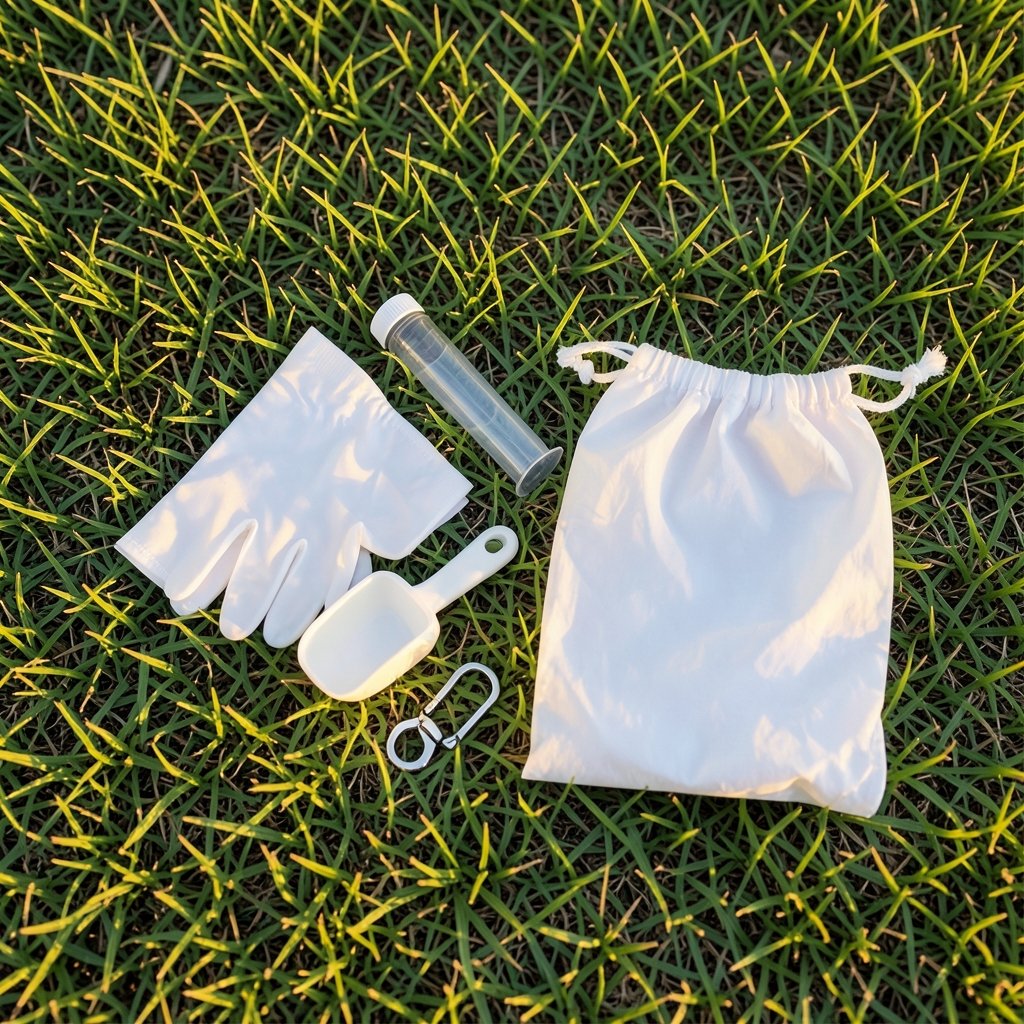
- Bring a fresh stool sample to the appointment; it saves a return trip.
Common mistakes:
- Switching foods abruptly in both directions, which restarts the irritation.
- Reaching for human anti-diarrheal medicine, which can be unsafe in dogs.
- Assuming mucus means worms and deworming repeatedly without a fecal test.
- Waiting weeks because the dog “seems fine,” letting a treatable problem become chronic.
- Feeding high-fat treats or leftovers during recovery.
A useful habit is a simple stool log kept on a phone. Owners who track for a week often spot the trigger, whether it is a new treat, a daycare day, or a garbage raid, before the vet even asks.
When Mucus Is Probably Nothing
It helps to keep perspective. A single slimy stool in a dog that is eating, playing, and behaving normally is common and often self-limiting. The colon sheds mucus as part of normal function, and mild dietary upsets resolve on their own within a day or two. The mistake is not in watching and waiting briefly; it is in ignoring a pattern that keeps repeating. One episode is a data point. Five episodes in a week is a message.
Owners who want a structured way to track symptoms and prepare for a vet conversation can find general pet health resources and appointment planning tools at OCCCY. Building a clear timeline before the visit makes the appointment more productive and often shortens the diagnostic path.
Conclusion
Mucus in canine feces is best read as the colon raising its hand, not as a diagnosis on its own. A thin sheen in an otherwise healthy dog is usually harmless. Thick jelly, repeated episodes, blood, vomiting, weight loss, or a lethargic dog all shift the situation from watchful waiting to veterinary care. The practical formula is straightforward: photograph the stool, note the pattern, keep the diet steady, avoid human medications, and get a fecal test rather than guessing about worms. Most cases turn out to be manageable once the cause is identified, and the owners who do best are the ones who track details and act on red flags early rather than late.
Frequently Asked Questions
Is mucus in dog poop normal?
A small amount can be entirely normal. The colon secretes mucus continuously as a lubricant, so a faint sheen on an otherwise well-formed stool is not a concern. It becomes worth investigating when the mucus is thick, frequent, or paired with blood, vomiting, lethargy, or weight loss.
What does jelly-like mucus in dog stool mean?
Jelly-like mucus usually points to irritation of the large intestine, often called colitis. Common triggers include a sudden diet change, dietary indiscretion, stress, or intestinal parasites such as whipworms. A vet visit with a fecal sample is the fastest way to sort out which one applies.
Can stress cause mucus in a dog’s stool?
Yes. Stress colitis is a well-recognized pattern that appears after boarding, travel, moving house, or a change in routine. The stool typically turns soft and slimy and may carry a streak of fresh blood. It usually settles once the stressor passes and the diet is kept bland and consistent.
Should I deworm my dog if I see mucus?
Not automatically. Deworming without a fecal test can miss the actual cause, whether that is Giardia, a bacterial issue, or a dietary problem, and repeated blind deworming wastes money. A fecal flotation and antigen test give a clear answer and let treatment target the right organism.
When should I take my dog to the vet for mucus in stool?
Book an appointment if the mucus lasts more than two or three days, appears with fresh blood or black tarry stool, comes with vomiting or lethargy, or affects a puppy, senior, or immune-compromised dog. Straining with little output is also a reason to call promptly.
Can I give my dog human diarrhea medicine for mucus?
No. Human anti-diarrheal products can be dangerous in dogs and may worsen certain infections by slowing the gut when it needs to clear. A bland diet, fresh water, and veterinary advice are safer first steps, especially if the dog is young, old, or showing other signs of illness.
A final point worth reinforcing is that recurrence matters as much as any single episode. A dog that develops slimy stool every few weeks, always after the same treat or kennel stay, is telling you something useful. Rather than treating each bout in isolation, bring that pattern to your vet; it may justify a fecal PCR, a diet trial, or a simple change in routine. Conversely, a dog with one soft, mucus-coated stool after a scavenged snack and no other signs usually needs nothing more than a bland meal and a day of observation. Keep the stool log going for a week after recovery, and you will know the baseline well enough to spot a genuine change early.



